Designing a luxury home requires more than a large budget. I once worked with a tech founder in San Francisco. He spent $400,000 on Italian furniture. The result looked like a cold airport lounge. He lacked the human touch. Luxury is a feeling of ease. It is about how your home supports your life. You want a space that feels curated. You want quality that lasts decades. This guide breaks down the exact steps to create that environment.
Executive Summary
This guide provides 20 specific strategies to elevate your home. You will see how to use rare materials and smart technology. We cover everything from bespoke millwork to acoustic engineering. Expect to learn the difference between “expensive” and “luxurious.” I include cost estimates and brand recommendations. We look at Farrow & Ball paints and Sub-Zero appliances. You will find ways to avoid common design traps. Most people over-decorate. You will learn to edit. This deep dive ensures your home stands the test of time.
1. Bespoke Millwork and Custom Cabinetry
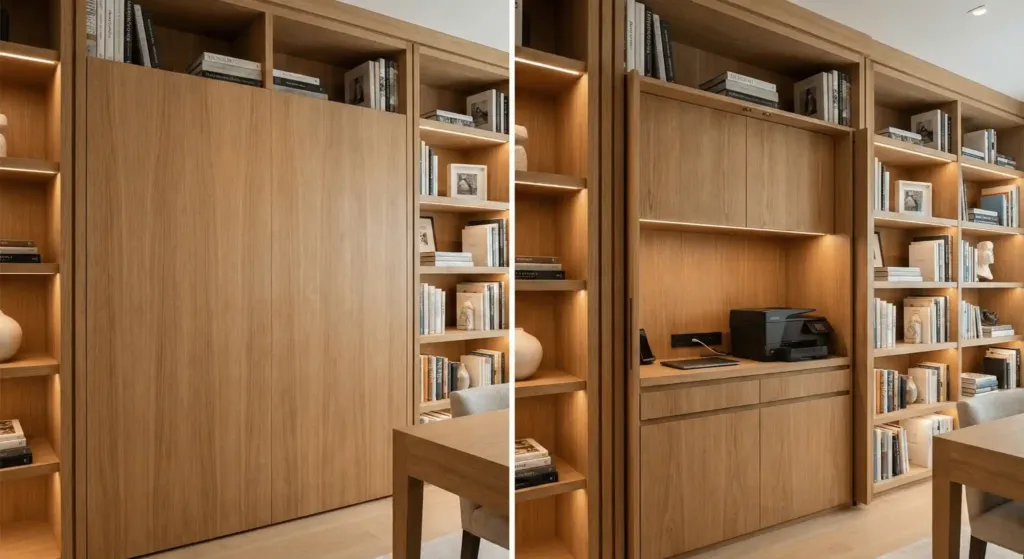
Stock cabinets scream “standard builder grade.” High-end homes rely on bespoke millwork. This means every inch of your storage fits your specific needs. I recommend using rift-sawn oak or walnut. These woods offer a clean grain. I recently helped a client in London build a floor-to-ceiling library. We used hidden “push-to-open” latches. It looked like a solid wood wall. Custom work allows you to hide ugly tech. You can conceal printers and charging stations. Expect to pay $1,500 to $3,000 per linear foot. It is a high cost. The ROI is immediate. Your home feels intentional.
2. Rare Marble and Natural Stone Slabs
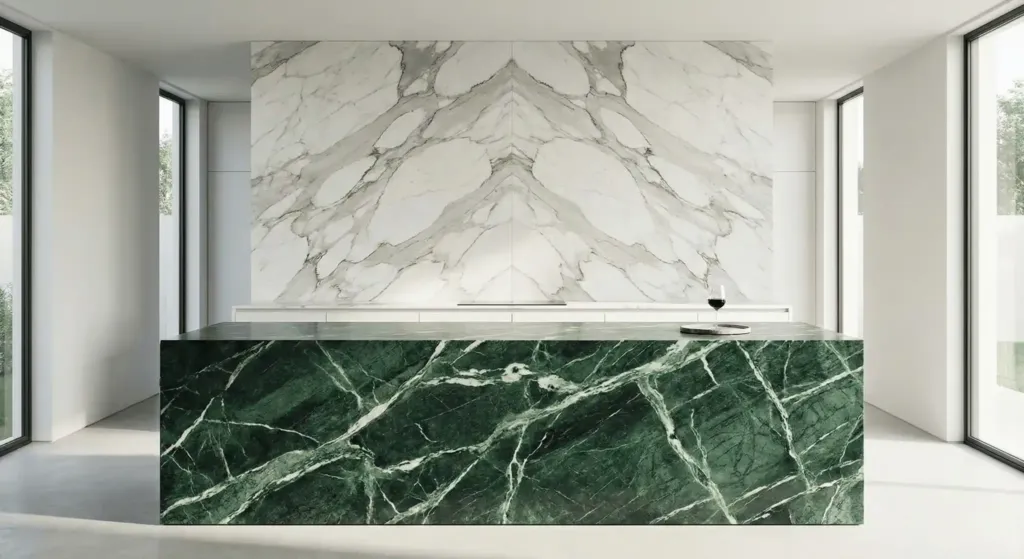
Granite is for entry-level homes. Luxury requires Calacatta Borghini or Arabescato marble. Do not use small tiles. Use full slabs with book-matched veining. This creates a mirrored effect. It looks like natural art. I saw a project where the designer used a single slab of green Tinos marble for a kitchen island. It was the only focal point. It was stunning. You must seal these stones. Marble is porous. Red wine will stain it. If you hate maintenance, try Taj Mahal Quartzite. It looks like marble but resists scratches. [Internal Link: Guide to Kitchen Stone Selection]
3. Layered Architectural Lighting
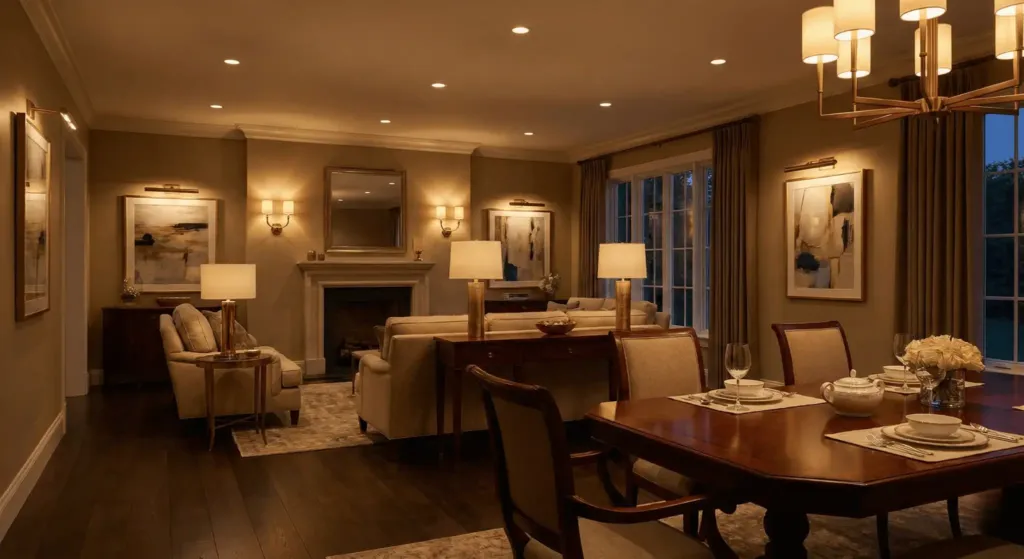
Luxury is never a single overhead light. You need three layers. These are ambient, task, and accent lighting. Use recessed cans for general light. Add wall sconces for warmth. Use art lights for your paintings. I recommend the Lutron HomeWorks system. It allows you to program “scenes.” You can have a “Dinner Party” setting. This dims the lights to 20% and warms the color temperature. Avoid 4000K bulbs. They look like a pharmacy. Stick to 2700K for a golden glow. This creates a mood that feels expensive.
4. Custom Art Commissions
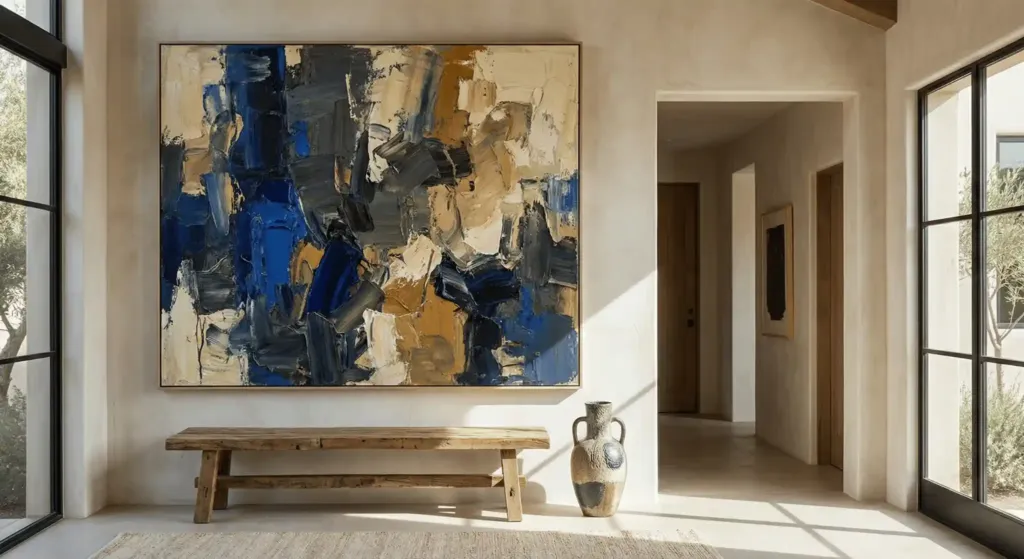
Do not buy art from big-box stores. It lacks soul. Every visitor will know it is mass-produced. Instead, commission a piece from a local artist. I did this for a project in Austin. We found a ceramicist to create a wall installation. It cost $5,000. It became the most talked-about item in the house. Art should be personal. It should reflect your history. Look at platforms like Saatchi Art. Or visit local galleries. Large-scale canvases work best in foyers. They set the tone for the entire house.
5. High-End Textiles and Fabric Layering
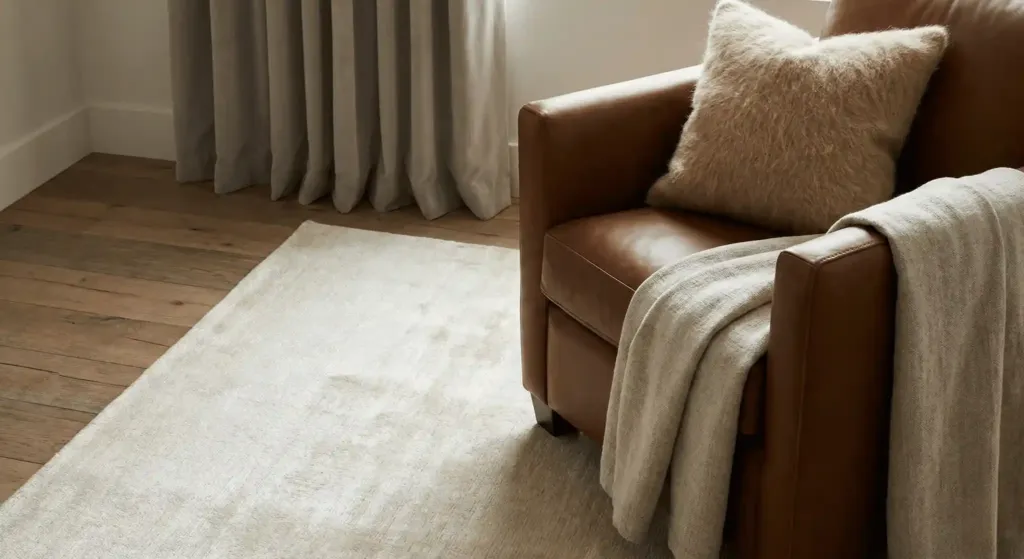
Luxury is tactile. You must mix textures. Use silk rugs on hardwood floors. Add mohair pillows to leather chairs. I prefer brands like Loro Piana or Holly Hunt. Their fabrics feel heavy and rich. Cheap polyester feels scratchy. It also pales over time. I once saw a room ruined by “shiny” velvet. It looked cheap. Use matte velvet or Belgian linen instead. This creates a “Quiet Luxury” look. It does not shout. It whispers quality. You want to touch every surface in the room.
6. Smart Home Automation Systems
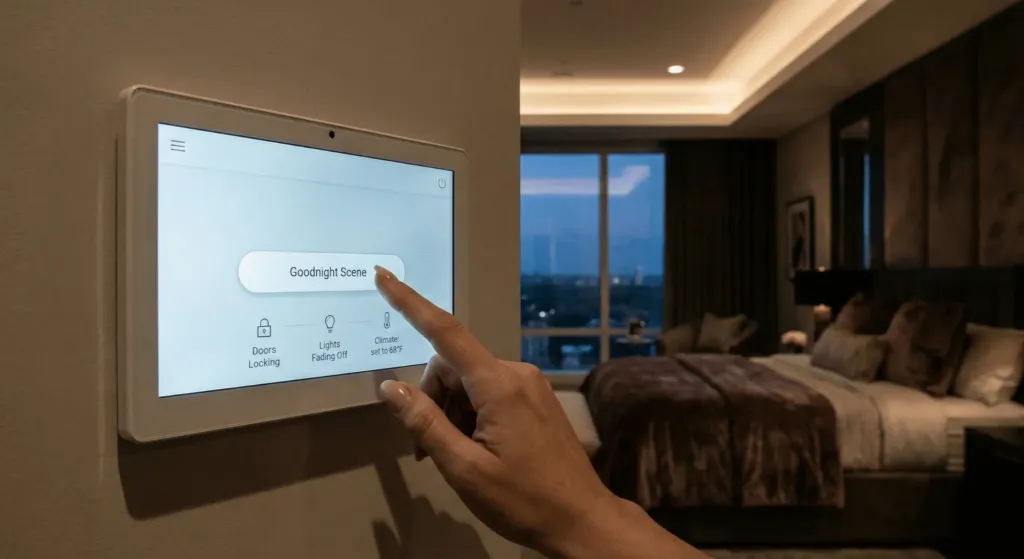
True luxury is convenience. You should not walk around closing 50 shades every night. Install a Savant or Crestron system. These tools integrate your HVAC, security, and music. I love the “Goodnight” button. One press locks the doors. It shuts the lights. It sets the temperature to 68 degrees. It costs between $20,000 and $100,000 for a full home. Is it worth it? Yes. It removes daily friction. Ensure your installer uses a wired backbone. Relying on Wi-Fi for a luxury home is a mistake. [Internal Link: Smart Home Integration Tips]
7. Indoor-Outdoor Flow Design
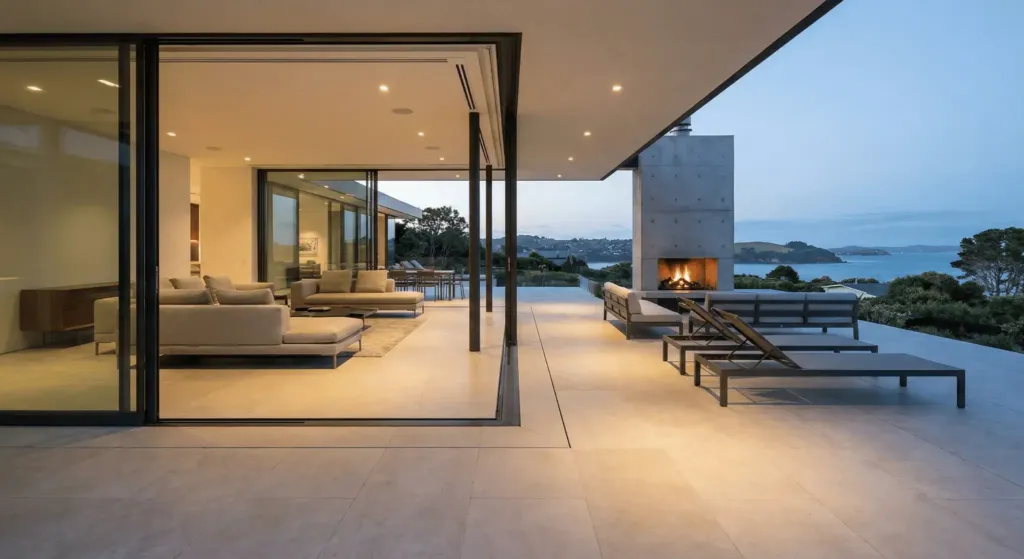
Modern luxury blurs the lines between inside and out. Use large sliding glass walls. Brands like Fleetwood or Panoramah! offer thin frames. They allow for massive glass spans. Your living room should extend onto a terrace. Use the same flooring material for both. This creates a seamless visual. I worked on a home where we used limestone inside and out. The house felt twice as large. Add a fireplace to the patio. This allows you to use the space in autumn. It adds a resort feel to your daily life.
8. Statement Entryways and Foyers
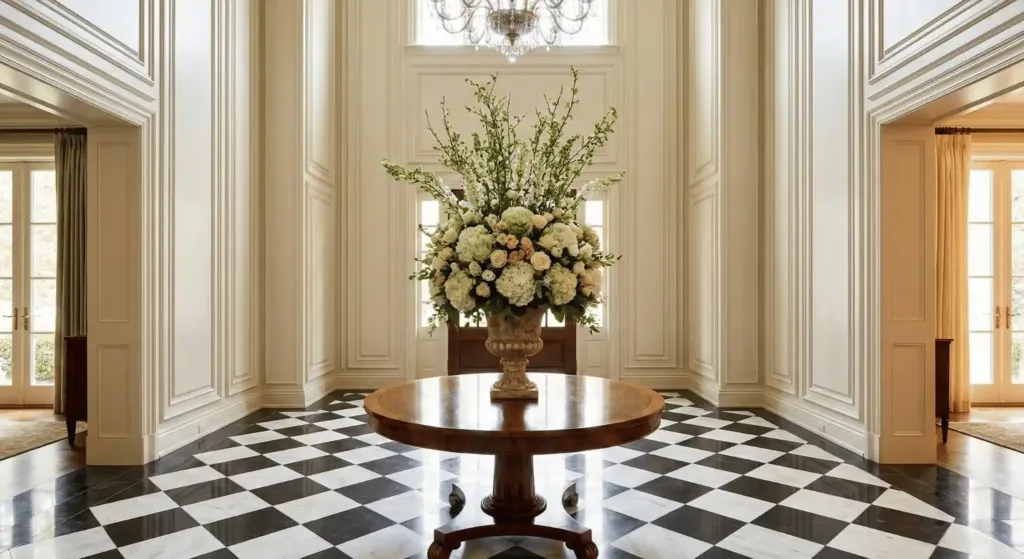
The foyer is the first impression. It must be grand. Avoid clutter here. Use a large round table in the center if space allows. Place a massive floral arrangement on it. I recommend herringbone wood floors or checkered marble. High ceilings are a plus. If your ceilings are low, use vertical wall molding. This draws the eye up. I once saw a foyer with a custom-painted mural. It felt like a museum. It told a story immediately. This is where you set the expectations for the rest of the home.
9. Professional Grade Chef Kitchens
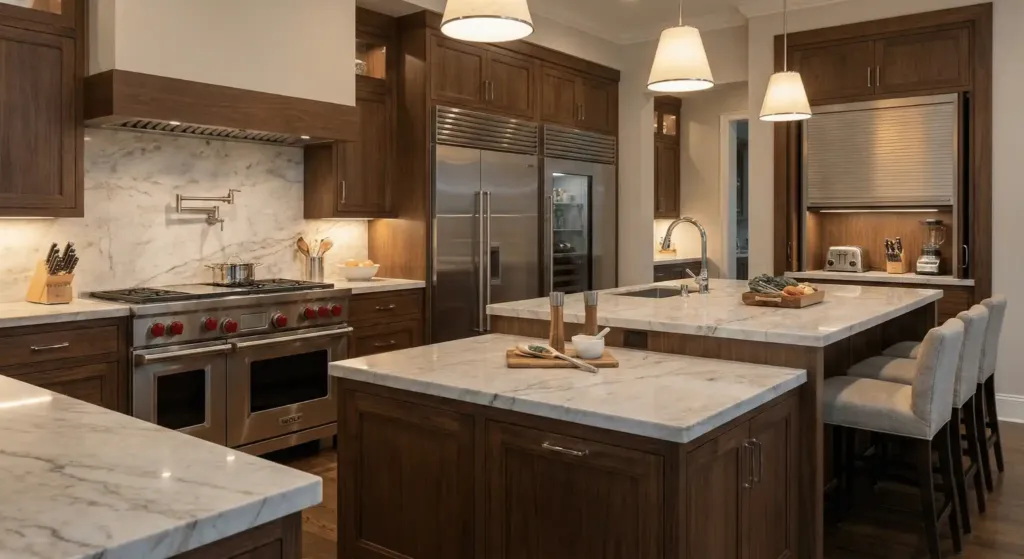
A luxury kitchen is for more than cooking. It is for entertaining. You need the “Pro-Sum” look. This means Sub-Zero refrigerators and Wolf ranges. These brands are the gold standard. I prefer 48-inch ranges with red knobs. Add a pot filler above the stove. Use a double island if you have space. One is for prep. The other is for guests to sit. Hide your small appliances in an “appliance garage.” This keeps the counters clear. A clean counter is a luxury counter.
10. Spa-Like Primary Bathrooms
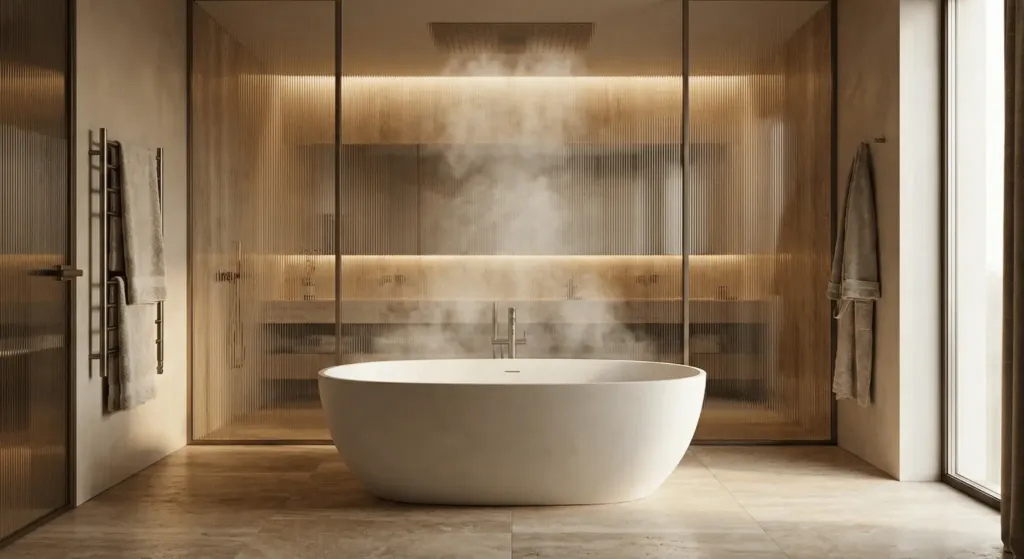
The bathroom is your private sanctuary. It should feel like a five-star hotel. Install a freestanding soaking tub. I like stone resin tubs from Victoria + Albert. They hold heat better than acrylic. Add a steam shower with aromatherapy. Use a “rain” showerhead from Dornbracht. Heated floors are a must. They cost about $10 per square foot. It is a small price for a big impact on winter mornings. Use fluted glass for privacy. It adds texture without blocking light.
11. Home Wellness and Fitness Suites
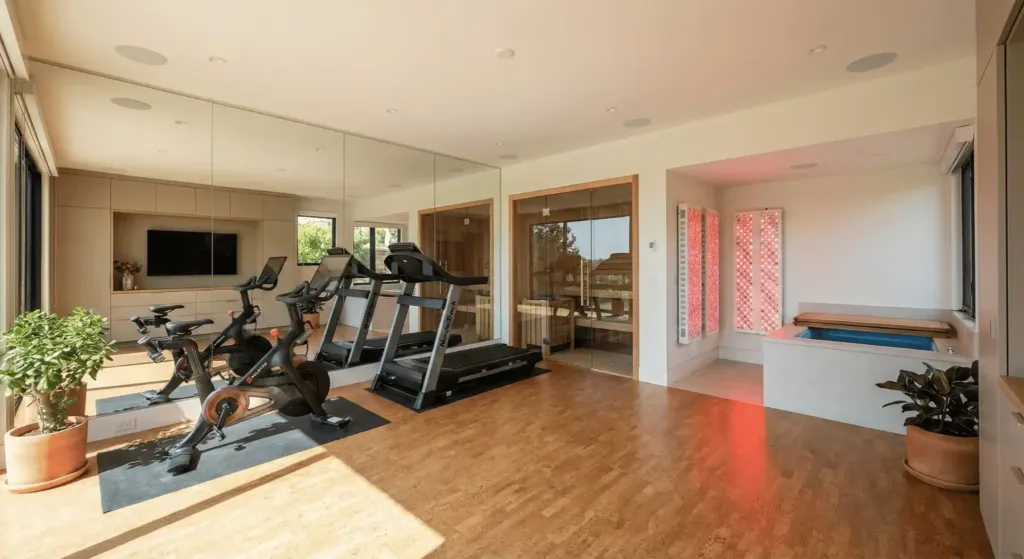
Standard gyms are often ugly. A luxury fitness suite is beautiful. Use cork flooring for sound. Add floor-to-ceiling mirrors. I suggest a NordicTrack or Peloton integrated into the design. But go further. Add a cold plunge pool or a sauna. I have seen a rise in “biohacking” rooms. These include red light therapy panels. Design the room with plenty of ventilation. Use a Sonos system for high-quality audio. Wellness is the new status symbol. Your home should reflect that.
12. Private Library and Study Spaces
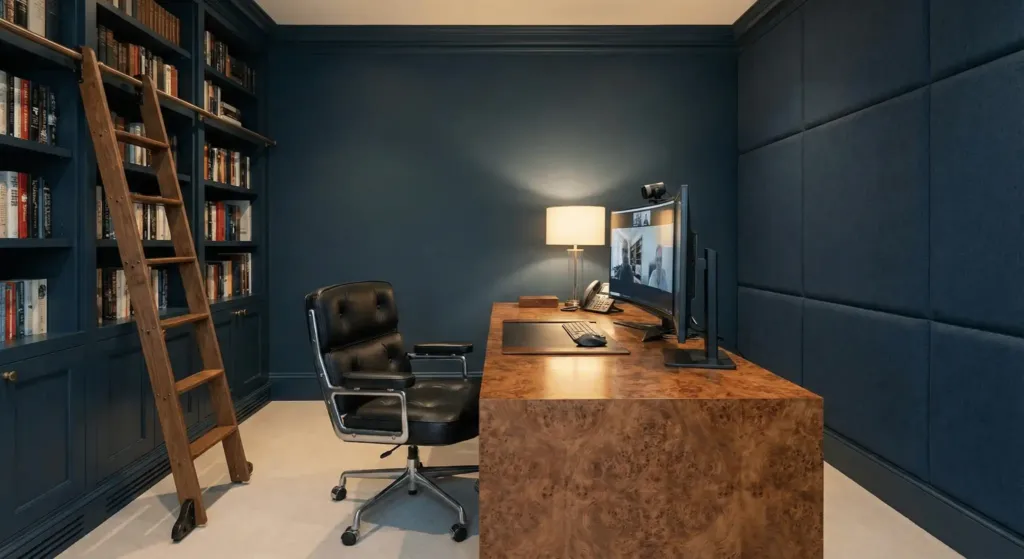
The “home office” is now a permanent fixture. It needs to look professional for video calls. Use dark paint colors like Farrow & Ball “Hague Blue.” Add a custom desk made of burl wood. I recommend an Eames Executive chair. It is a classic for a reason. Ensure you have proper soundproofing. Use acoustic panels disguised as fabric wall coverings. This keeps your calls private. A library ladder adds a touch of old-world charm. It makes the space feel like a serious place of work.
13. Wine Cellars and Tasting Rooms
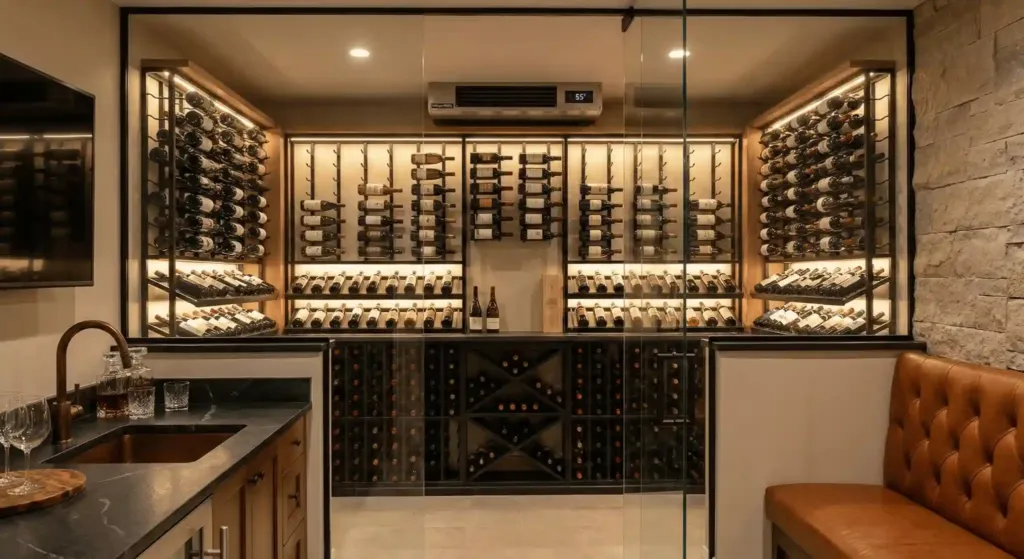
A closet under the stairs is not a wine cellar. Luxury homes need climate-controlled rooms. Use glass walls so you can see the collection. I like the “Label-Out” racking systems. They look modern. Use a cooling unit from WhisperKOOL. It keeps the temperature at a steady 55 degrees. I recently built a tasting room for a client. We added a small bar with a sink and a leather bench. It became their favorite spot for Friday nights. It adds a level of sophistication that few other rooms can. [Internal Link: Designing the Perfect Wine Room]
14. Custom Walk-In Dressing Rooms
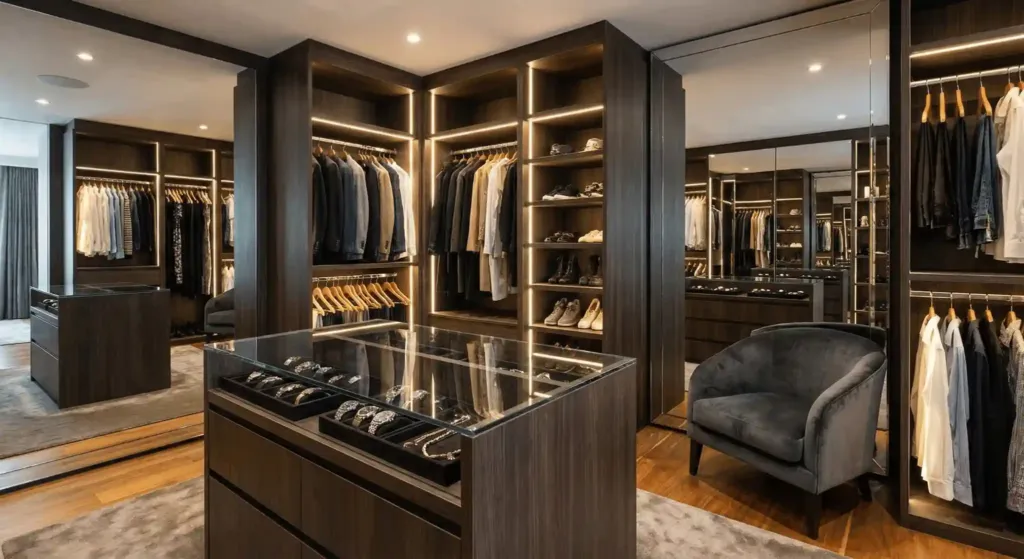
The “closet” is now a dressing room. Think of a boutique store. You need island storage for watches and jewelry. Use LED lighting inside every cabinet. This makes it easy to find clothes. I recommend velvet-lined drawers. Add a seating area. A small ottoman or armchair works well. Mirrors should be high quality. Avoid “funhouse” mirrors from cheap shops. Use Starphire glass for true color. This ensures your outfit looks the same outside as it did inside.
15. Artisan Wall Finishes
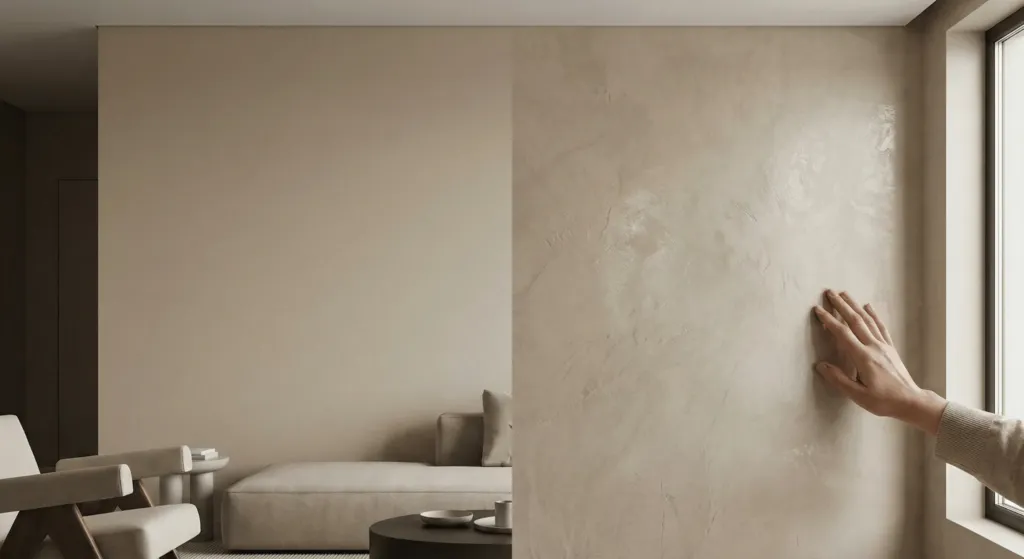
Flat paint is boring. Luxury walls have depth. Use Venetian Plaster or Roman Clay. These finishes have a slight sheen. They catch the light beautifully. I prefer a “honed” look. It looks like natural stone. I once spent $12,000 on a single living room’s plaster. The client was shocked at first. After it was done, they said it changed the whole house. It feels cool to the touch. It is durable. It also ages gracefully. Unlike wallpaper, it does not peel at the corners.
16. Iconic Furniture Pieces
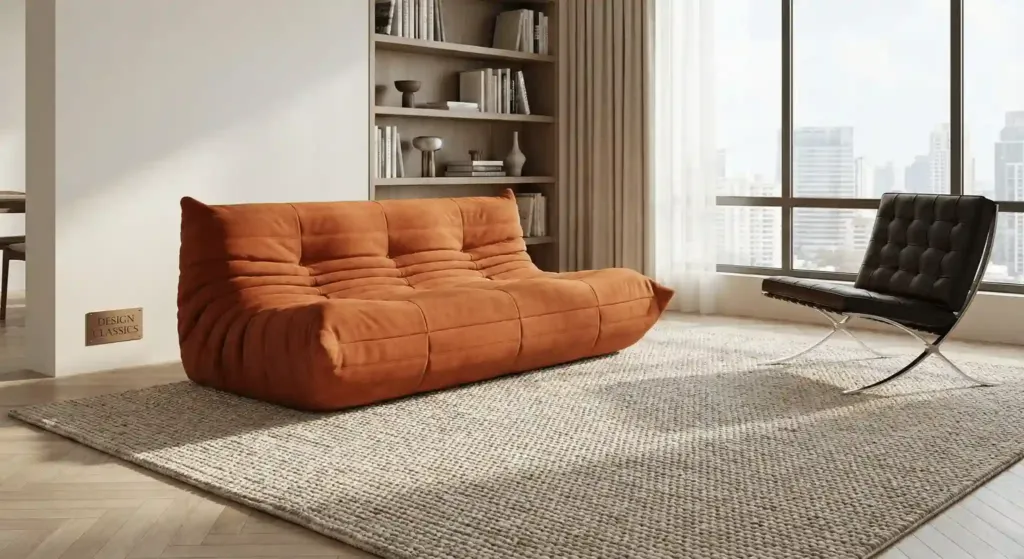
A luxury home needs “anchors.” These are original design classics. Think of a Togo sofa or a Barcelona chair. Do not buy “replicas.” They lack the proportions of the original. They also lose value. Real Knoll or Herman Miller pieces appreciate. I recommend mixing one iconic piece per room. This gives the space a sense of history. It shows you know your design icons. It is better to have one real chair than five cheap ones.
17. Oversized Windows and Natural Light
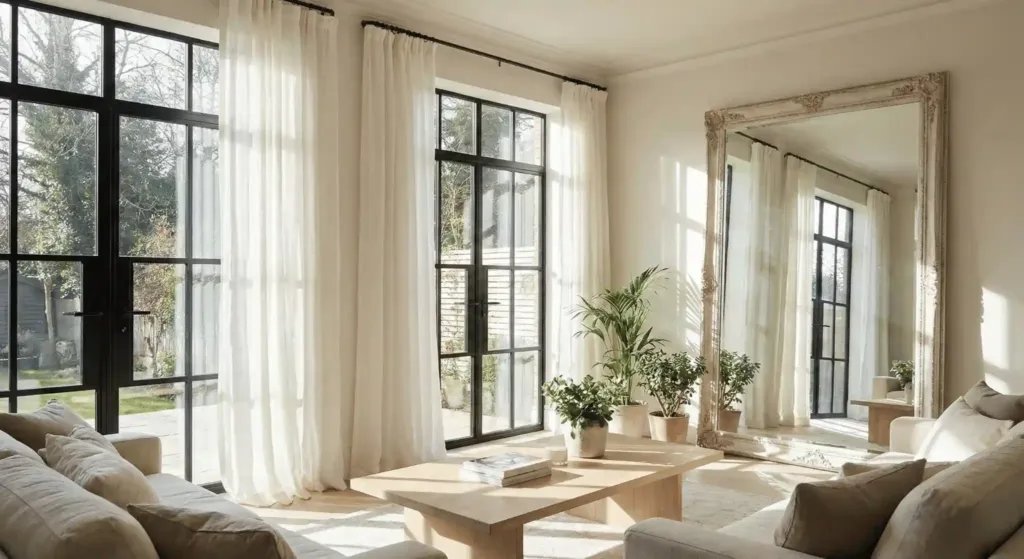
Light is the ultimate luxury. If you are building, prioritize window size. Use steel-framed windows for a thin profile. I love the look of Crittall windows. They look industrial yet elegant. If you cannot change windows, use mirrors. Place a large mirror opposite a window. It bounces the light deep into the room. Avoid heavy drapes. Use sheer linen instead. This keeps the room feeling airy. Dark rooms feel small and cramped. Bright rooms feel expensive.
18. Sound and Acoustic Engineering
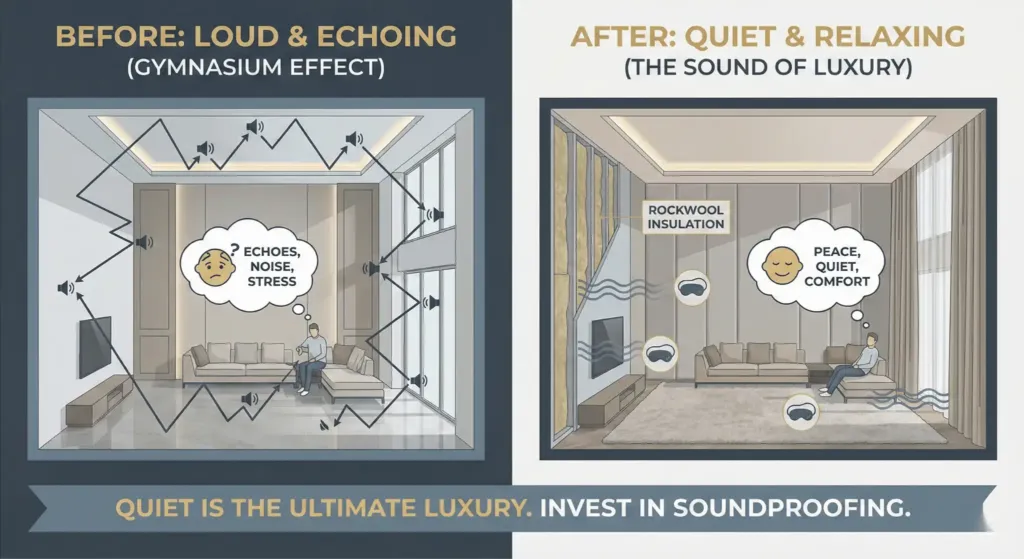
Nobody talks about how a luxury home sounds. If your house has high ceilings and hard floors, it will echo. This feels like a gymnasium. Use rugs and upholstered walls to soak up sound. I recommend Rockwool insulation in interior walls. This stops sound from traveling between rooms. You should not hear the dishwasher while you watch a movie. Quiet is a luxury. If your home is loud, it will never feel relaxing. This is a technical detail that makes a huge difference.
19. Hidden Storage and Minimalist Tech
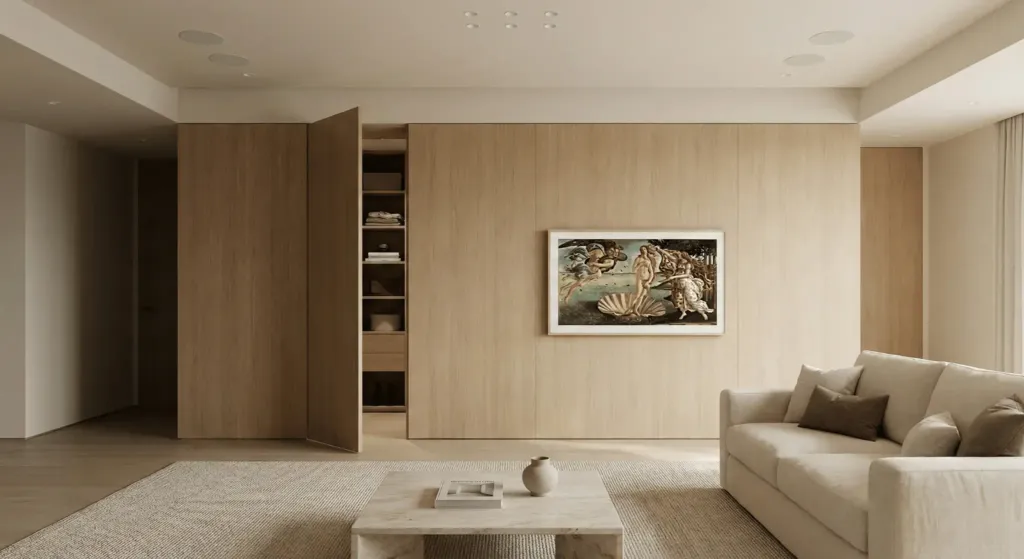
Clutter kills the luxury vibe. You need a place for everything. Use “hidden” storage in hallways. These are doors with no frames. They blend into the wall. I also suggest hiding your TV. Use a “Frame” TV that looks like art. Or use a motorized lift to hide it in a cabinet. You do not want a black plastic rectangle to be the focus of your room. Hide your speakers in the ceiling. Brands like Sonance make speakers that look like recessed lights. They are invisible.
20. Curated Collectibles and Travel Treasures
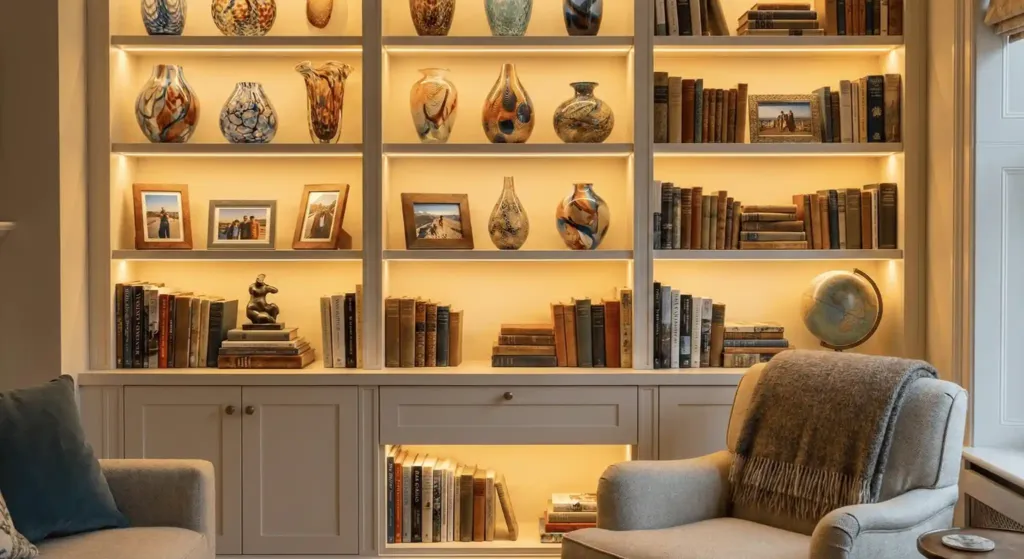
Your home should not look like a catalog. It should look like your life. Display items from your travels. I have a collection of hand-blown glass from Venice. I keep it on a lighted shelf. These items are conversation starters. They add “layers” to your design. Do not buy “books by the foot” to fill shelves. Buy books you actually read. This authenticity is the final step in luxury. It makes the space feel like a home, not a showroom.
FAQ: Expert Insights on Luxury Design
What is the most important element of luxury design?
It is the quality of materials. You can have a great layout, but cheap materials will fail. Focus on natural stone, solid wood, and high-quality metals. These things feel better to the touch. They also look better as they age.
How much does it cost to decorate a luxury home?
Expect to spend 25% to 35% of the home’s value on interior design. For a $2 million home, that is $500,000. This includes furniture, rugs, art, and window treatments. High-end pieces have long lead times. Plan for 6 to 12 months for delivery.
Can I achieve a luxury look on a budget?
Yes. Focus on the “Rule of Three.” Choose three high-impact areas. Maybe the foyer, the kitchen, and the primary bath. Spend your money there. Use paint to elevate the other rooms. A fresh coat of Farrow & Ball can do wonders.
What are the biggest mistakes in luxury design?
Over-decorating is the main one. People buy too much furniture. This makes the room feel small. Another mistake is “matching” everything. Your furniture should look like it was collected over time. It should not look like a set from a store.
Is smart home tech a good investment?
It is if you use it. A complex system that nobody knows how to use is a waste. Stick to the basics. Light control, climate, and security are the most useful. Ensure you have a professional company for maintenance.
Conclusion
Luxury interior design is a journey. It is about choosing quality over quantity. We looked at 20 ideas to transform your space. From bespoke millwork to acoustic engineering, these steps create a home that lasts. I have seen many trends come and go. The homes that stay beautiful are the ones with soul. They use real materials. They focus on the human experience.
What is your biggest challenge in home design? Are you struggling with a layout or a material choice? Start with one room. Focus on the lighting first. It is the easiest way to change the mood. Your home is your most personal space. Make sure it reflects the best version of you.