Two years ago, I walked into a penthouse in Miami that felt like a cold museum. The owner spent three hundred thousand dollars on furniture. Yet, the room felt empty and uninviting. This is the primary trap of high-end design. Wealthy homeowners often buy expensive items without a cohesive soul. True luxury is not about the price tag of a sofa. It is about how the space makes you feel when you sit down after a long day.
I have spent over a decade helping clients navigate the world of premium interiors. I have seen million-dollar budgets fail because they lacked a personal narrative. I have also seen modest spaces look like five-star hotels through smart choices. In this guide, I will share twenty specific ideas that define modern luxury. These are the same strategies I use for my private clients. You will find exact costs, specific brands, and the mistakes you must avoid.
Add Image Here
1. Bespoke Floor to Ceiling Joinery
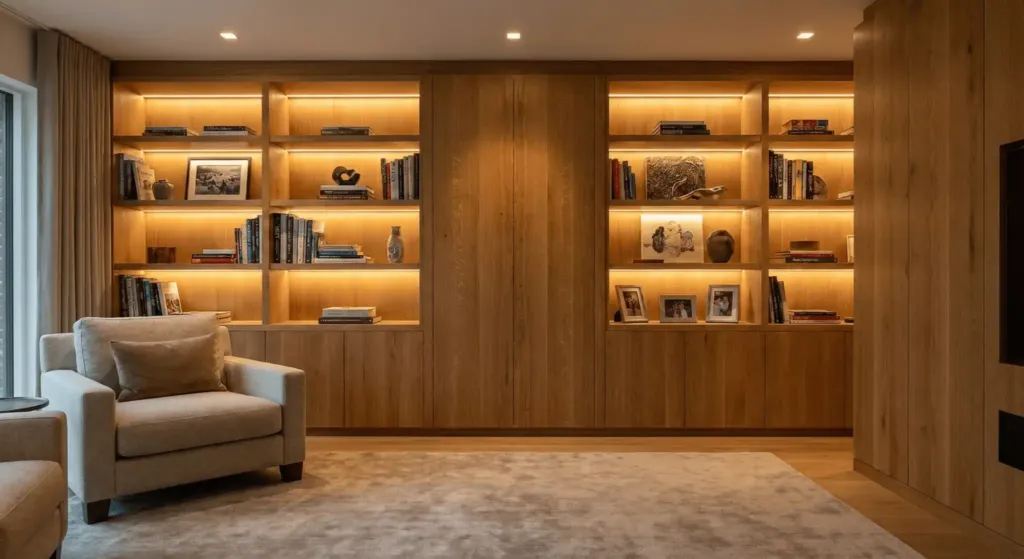
Custom millwork is the foundation of an expensive looking room. Standard shelving from a big box store will never match the weight of custom wood. I always recommend rift-sawn oak or walnut for a timeless look. In a recent project in Greenwich, we spent sixty thousand dollars on a single wall of library shelving. The result was a room that looked anchored and intentional.
Bespoke joinery allows you to hide wires and integrate lighting directly into the shelves. This creates a clean look that screams high-end craftsmanship. You should expect to pay between fifteen thousand and eighty thousand dollars for professional millwork. Use a specialist cabinet maker rather than a general contractor for the best finish.
2. Layered Lighting Schemes
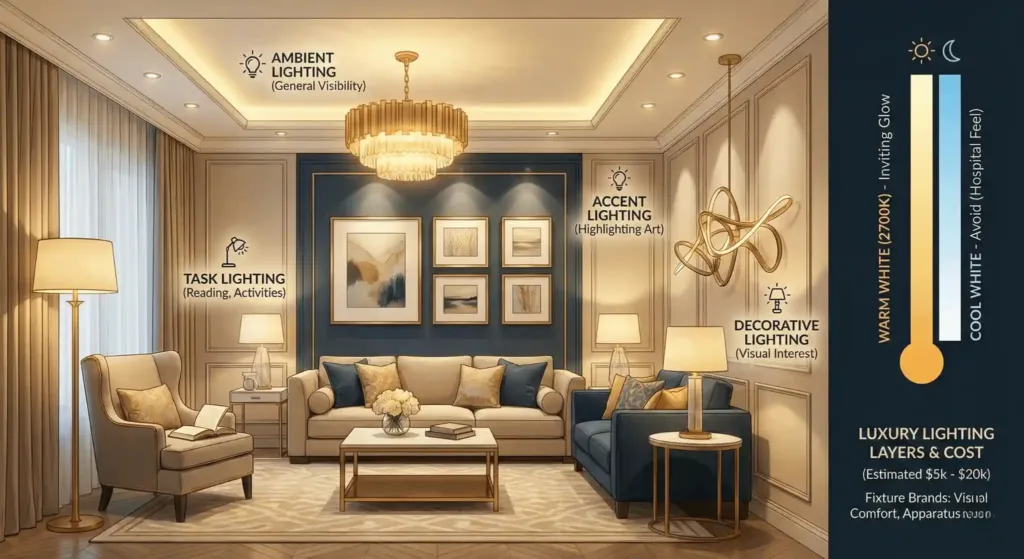
Luxury is never achieved with a single overhead light. You need at least four layers of light in a living room. This includes ambient lighting for general visibility and task lighting for reading. You also need accent lighting to highlight art and decorative lighting for visual interest.
I prefer using warm white bulbs at 2700K to create an inviting glow. Avoid cool white lights as they make a luxury room feel like a hospital. Brands like Visual Comfort or Apparatus Studio offer stunning fixtures that act as jewelry for your ceiling. A well-planned lighting layout costs between five thousand and twenty thousand dollars depending on the fixtures chosen.
3. Statement Stone Fireplaces
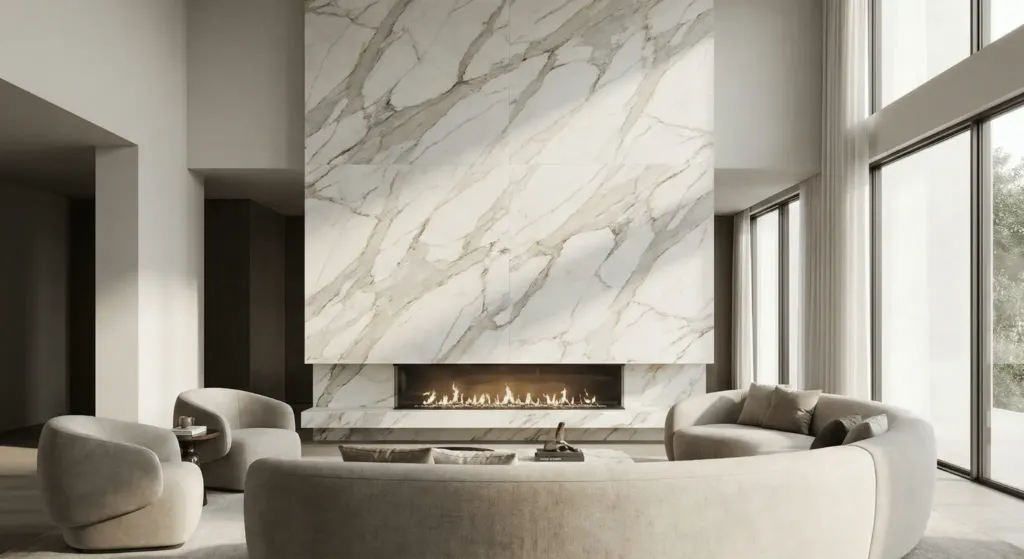
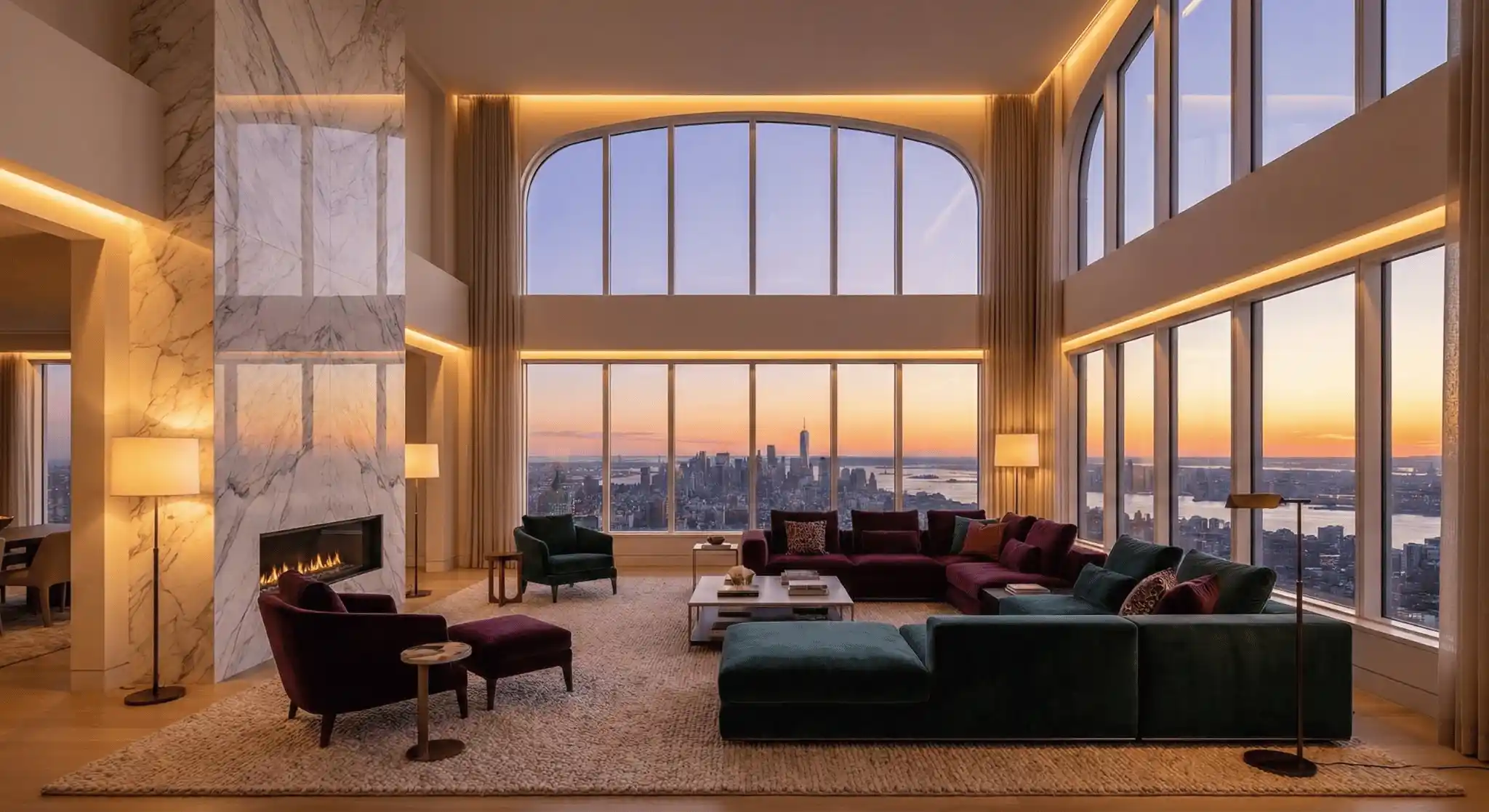
The fireplace is the heart of the luxury living room. Forget standard brick or small tiles. Think about floor-to-ceiling slabs of Calacatta marble or black travertine. I once worked with a client who insisted on a single twelve-foot slab of Italian stone for their hearth. It cost forty thousand dollars just for the material and shipping.
When you use large-format stone, you minimize grout lines. This creates a seamless and powerful focal point. Ensure your floor can handle the weight of heavy stone before you start. Always visit the stone yard in person to pick the exact slab with the best veining.
4. Oversized Original Art
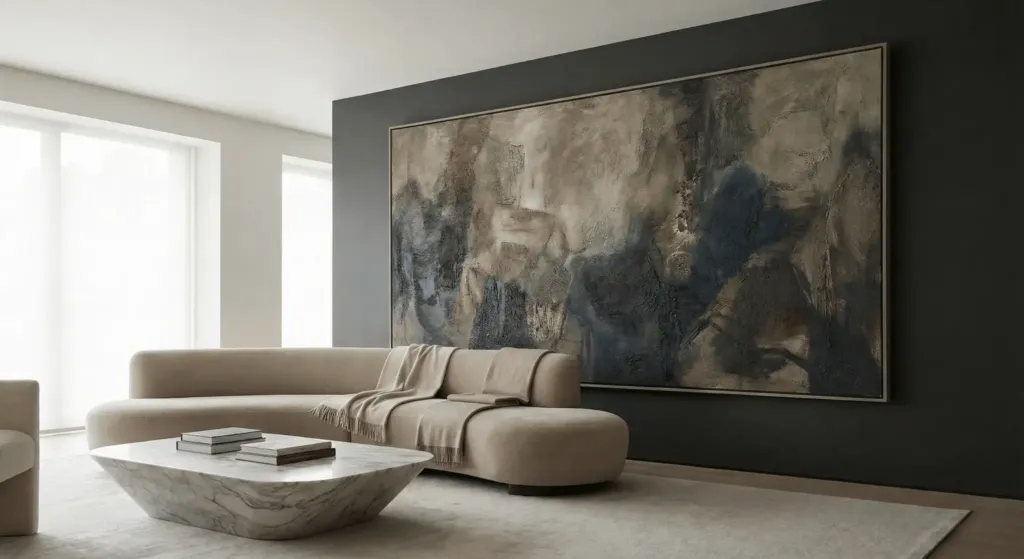
Small prints on a large wall make a room look cheap. Luxury design requires scale. One massive canvas that covers sixty percent of a wall has more impact than ten small frames. I encourage my clients to invest in original pieces from emerging artists rather than mass-produced prints.
Sites like Saatchi Art or local galleries are great places to find unique work. Expect to spend at least five thousand dollars for a significant piece. If you are on a budget, look for large vintage textiles or framed architectural drawings. The key is the physical size and the texture of the work.
5. Sunken Conversation Pits
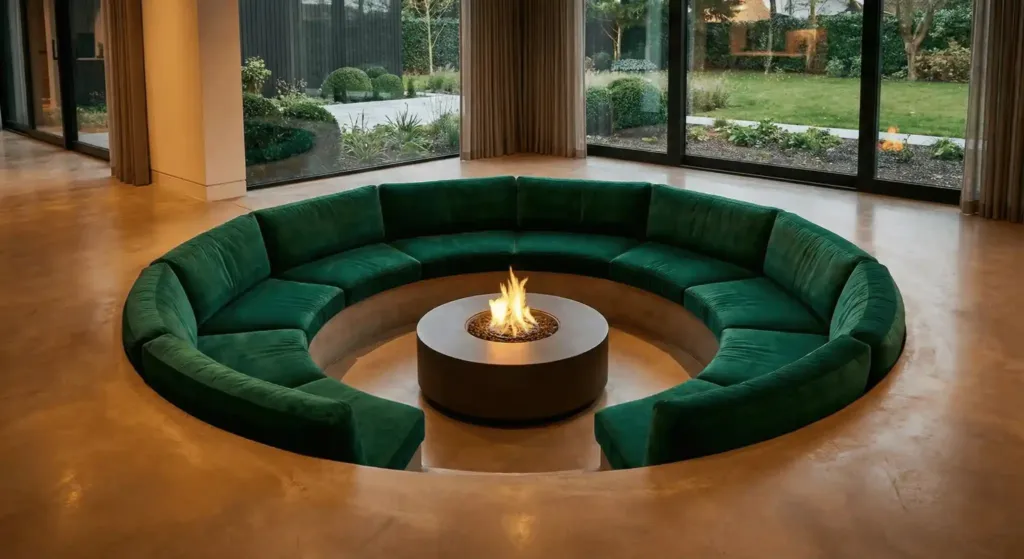
The 1970s trend of conversation pits is making a massive comeback in high-end homes. It creates a sense of intimacy that standard sofas cannot match. I designed a modern version last year using deep velvet cushions and a central fire table.
This requires structural changes to the floor so it is best for new builds or major renovations. If you cannot dig into the floor, you can create the same feeling with a large U-shaped sectional. Brands like Minotti offer modular seating that creates a similar enclosed social environment.
6. Biophilic Living Walls
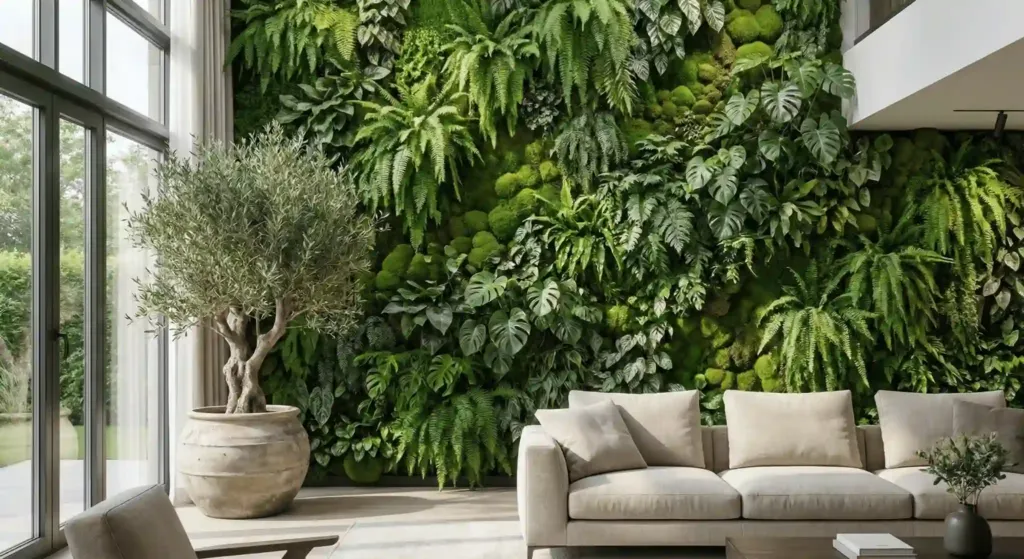
Luxury today is deeply tied to wellness. Bringing nature inside is a hallmark of premium design. A living wall with automated irrigation adds texture and life to a room. It also improves air quality and dampens sound.
A professional green wall costs about two hundred dollars per square foot to install. You must also account for monthly maintenance from a plant specialist. If a full wall is too much, use a collection of large potted trees like a Fiddle Leaf Fig or an Olive Tree in handmade ceramic pots.
7. High Contrast Monochrome Palettes
There is something incredibly sophisticated about a black and white room. I call this the Chanel effect. It is a safe but powerful way to signal luxury. Use deep charcoal or true black against crisp white walls.
The trick is to use different textures so the room does not feel flat. Pair a black wool rug with a white silk sofa and matte black metal accents. This palette works best in rooms with plenty of natural light. It highlights the architecture of the space without distracting the eye with too many colors.
8. Hidden Smart Home Technology

Nothing ruins a luxury aesthetic faster than a mess of black wires and plastic boxes. High-end homes use invisible technology. I recommend Samsung Frame TVs that look like art when they are off.
Use motorized shades from Lutron that disappear into the ceiling. Hide your speakers behind the drywall using brands like Sonance. A fully integrated smart home system for a living room starts at ten thousand dollars. It allows you to control the mood, temperature, and music from a single flush-mounted wall panel.
9. Velvet and Mohair Textures
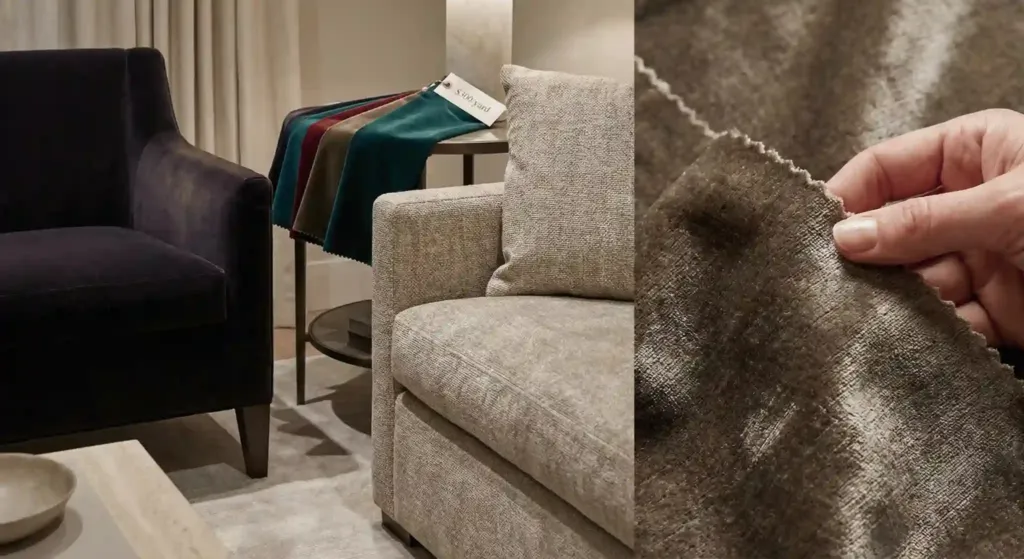
Touch is as important as sight in luxury design. I never use polyester fabrics in a primary living space. Instead, I opt for silk velvets or heavy mohair. These materials have a weight and a sheen that cheap fabrics cannot replicate.
A mohair sofa from a brand like Holly Hunt will last thirty years. It actually looks better as it ages. Be prepared to spend three hundred dollars per yard for these premium textiles. The investment is worth it for the comfort and the visual depth they provide.
10. Architectural Ceiling Details
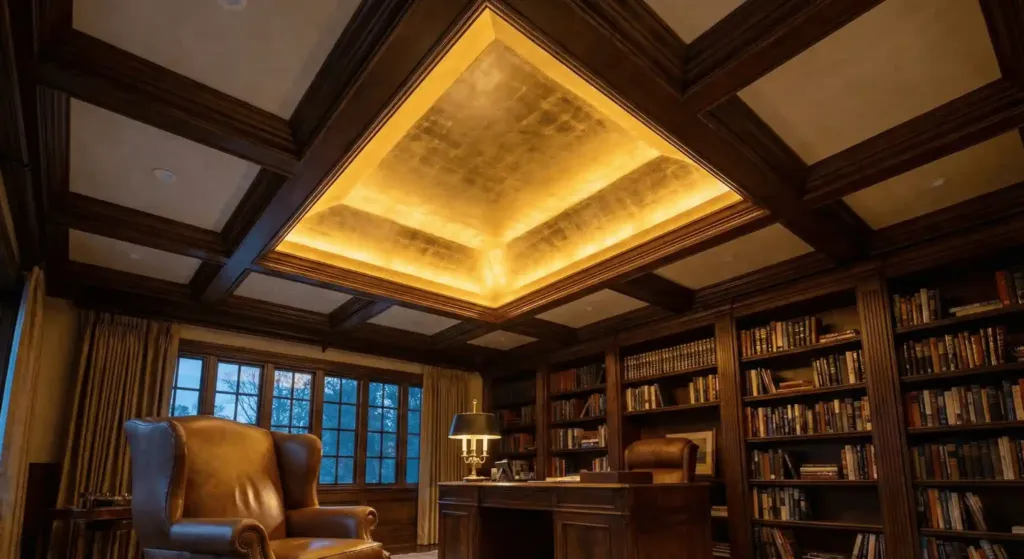
The ceiling is often called the fifth wall. In luxury homes, it is never left plain. I love using coffered ceilings or hand-applied plaster finishes. A Venetian plaster ceiling reflects light in a beautiful, subtle way.
You can also use wood slats or metallic leafing to add drama. I once spent two weeks with a team of artists applying gold leaf to a ceiling cove in a library. It was a tedious process but the glow it created at night was magical. Ceiling treatments add three thousand to fifteen thousand dollars to a room budget.
11. Curated Bar and Lounge Zones
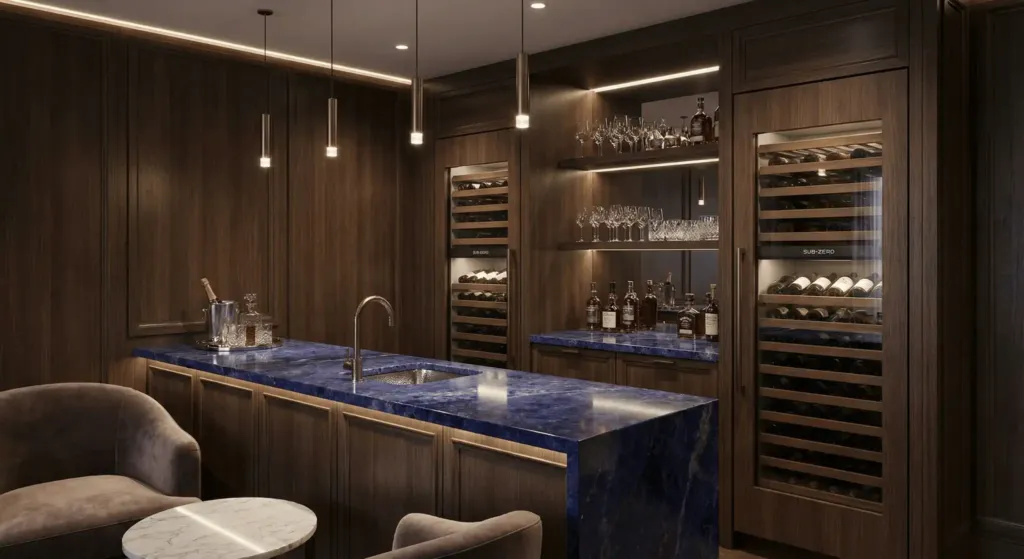
A luxury living room should be a place for entertaining. Instead of a small bar cart, build a dedicated beverage station. Use semi-precious stone for the countertop and include a small sink.
I prefer integrated wine fridges from Sub-Zero that match the cabinetry perfectly. This makes the room feel like a private club. It also keeps guests from wandering into the kitchen during a party. A custom bar setup usually adds twenty thousand dollars to the project cost.
12. Double Height Window Treatments
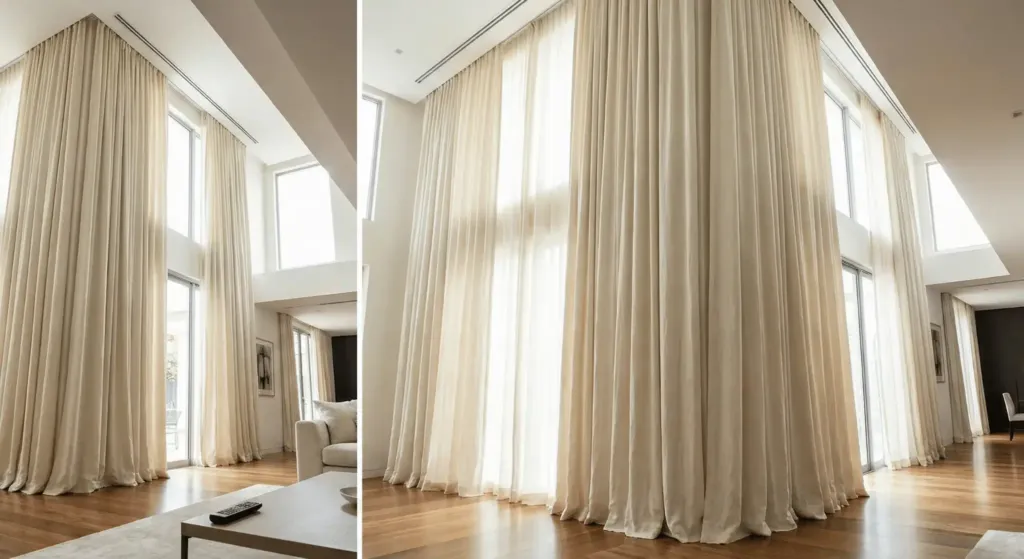
If you have high ceilings, you must emphasize them. Use curtains that start at the very top of the wall and touch the floor. I use double-width linen or heavy silk for a full, draped look.
Avoid flimsy rods. Use recessed tracks hidden in the ceiling for a modern look. Motorization is essential for large windows as the fabric can be very heavy. Expect to pay ten thousand dollars or more for custom drapery in a large room.
13. Statement Area Rugs
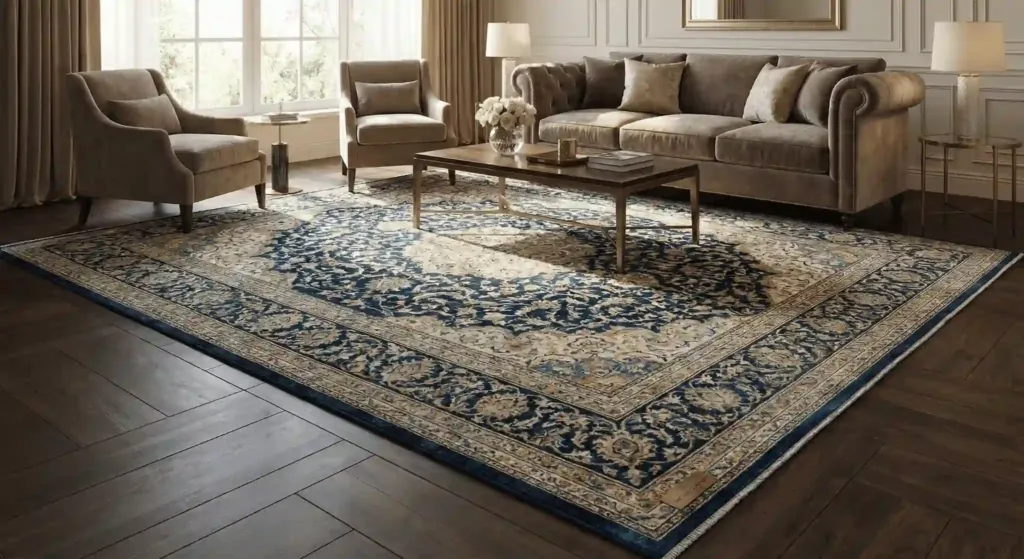
The rug is the anchor of the room. In a luxury space, the rug should be large enough for all furniture legs to sit on it. I prefer hand-knotted wool or silk rugs over machine-made options.
Brands like The Rug Company or Stark Carpet offer pieces that are essentially art for your floor. A high-quality ten by fourteen rug will cost between eight thousand and twenty-five thousand dollars. It is the one item you should never compromise on because it defines the scale of the room.
14. Mixed Metallic Accents
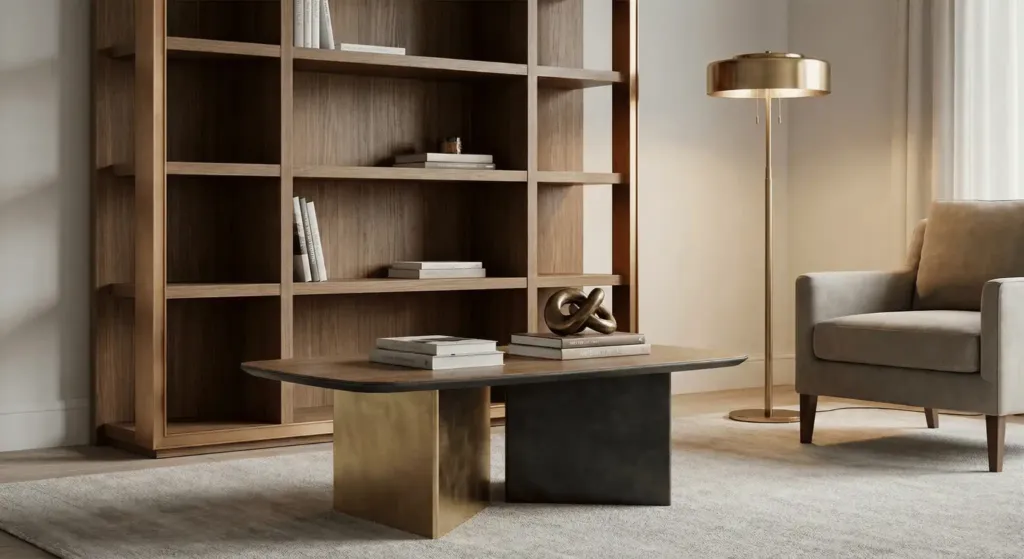
Forget the old rule about matching all your metals. Mixing brass, bronze, and blackened steel adds a layered and curated feel. I like using unlacquered brass because it develops a natural patina over time.
Use metal in unexpected places like the base of a coffee table or the trim of a bookshelf. This adds a subtle shimmer that makes the room feel expensive. Avoid shiny chrome as it can look dated or cold in a residential setting.
15. Sculptural Furniture Pieces
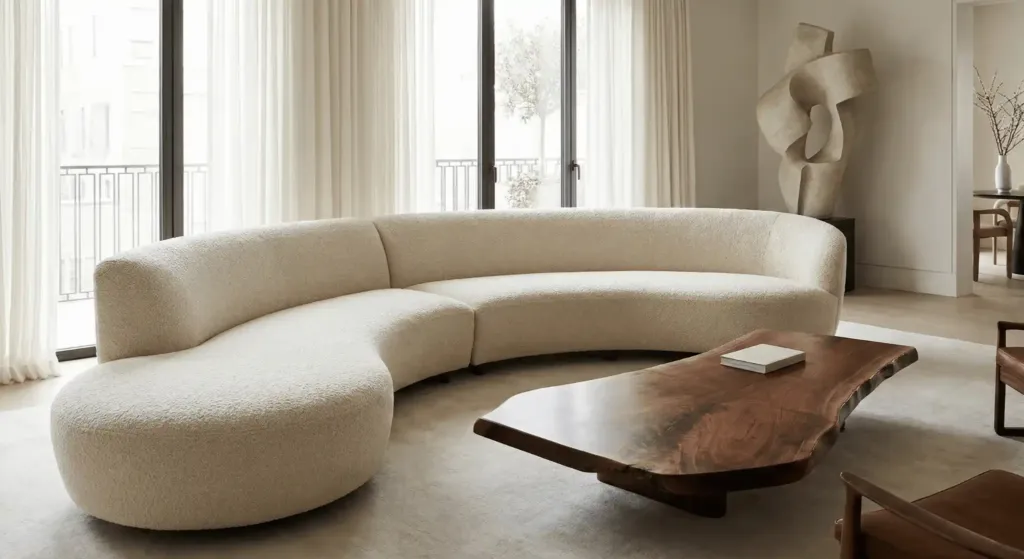
A luxury room needs at least one piece of furniture that looks like a sculpture. This could be a curved sofa or a coffee table made from a single piece of wood. I often source vintage pieces from 1stdibs to find items with history and character.
The Serpentine sofa by Vladimir Kagan is a classic example of sculptural design. These pieces act as conversation starters. They break up the straight lines of the walls and make the space feel more organic.
16. Scent and Sound Branding
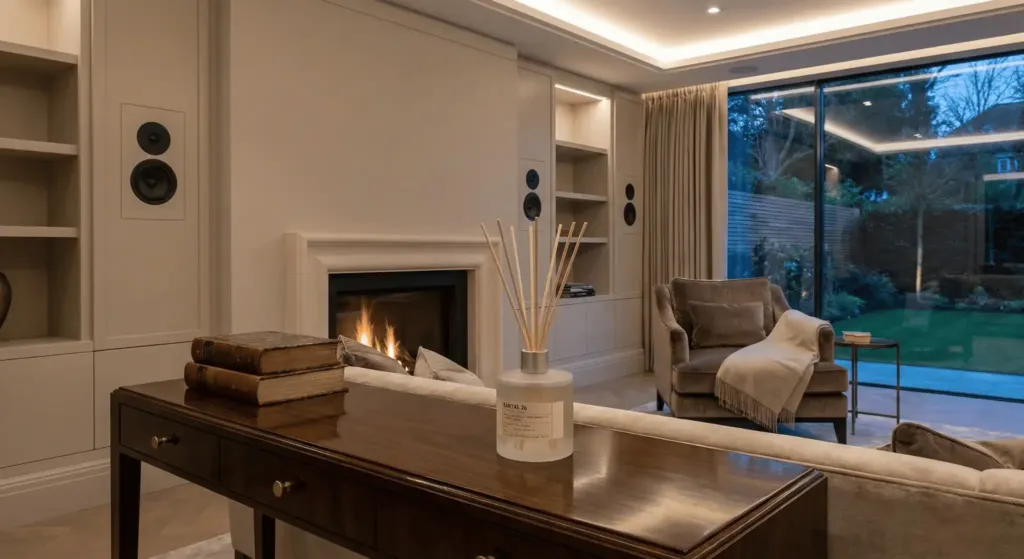
Luxury is a multi-sensory experience. I work with clients to choose a signature scent for their home using high-end diffusers. Brands like Le Labo or Diptyque offer scents that linger without being overwhelming.
Sound is also critical. A hidden surround sound system should play low-frequency music that fills the room evenly. You should not be able to tell where the music is coming from. This creates an atmosphere that feels like a luxury hotel lobby.
17. Indoor Outdoor Fluidity
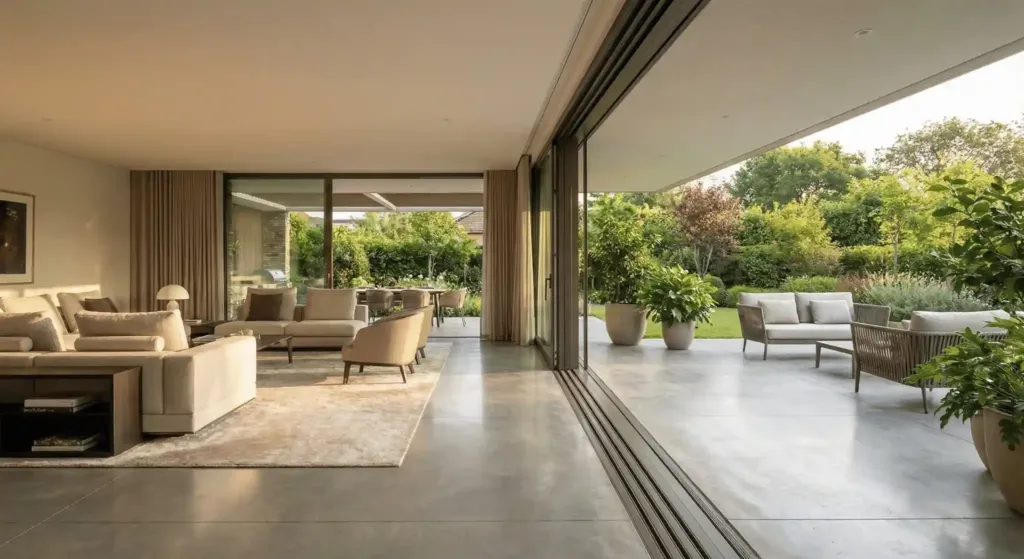
If your living room faces a garden or a view, use glass walls that slide completely away. This doubles your living space and connects you to the environment. I use the same flooring material inside and outside to blur the lines.
This requires high-end systems like Fleetwood or Sky-Frame. These windows are expensive but they offer the ultimate luxury of space and light. The cost for a large sliding glass wall system starts at thirty thousand dollars.
18. Heritage and Modern Mix
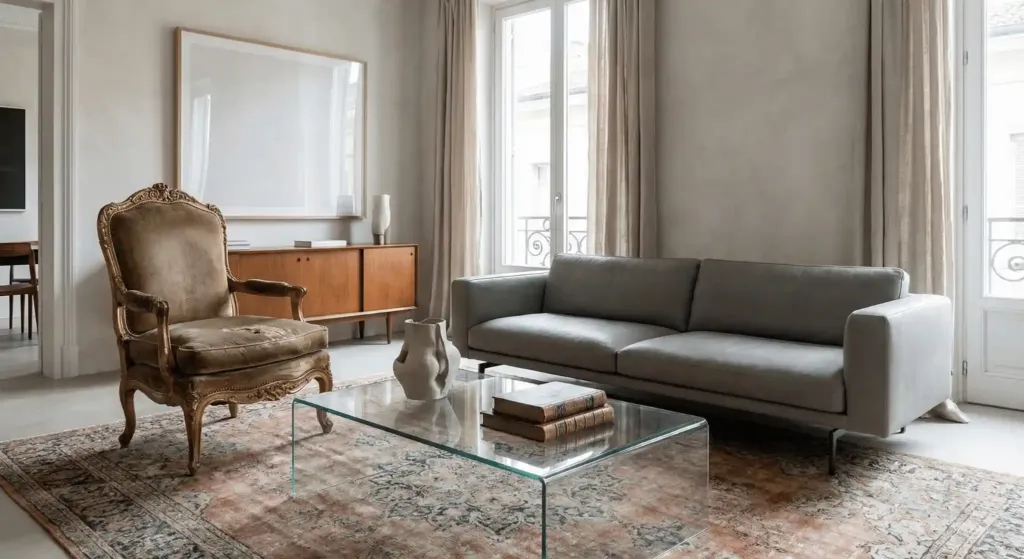
A room filled with only new furniture lacks character. I always include one or two antique pieces in a modern room. A French Louis XIV chair looks incredible next to a sleek Italian sofa.
This mix makes the room feel like it was collected over time rather than bought in a weekend. It shows that the owner has a sophisticated eye for quality across different eras. Search local estate sales or high-end antique dealers for these one-of-a-kind treasures.
19. Quiet Luxury Neutral Tones
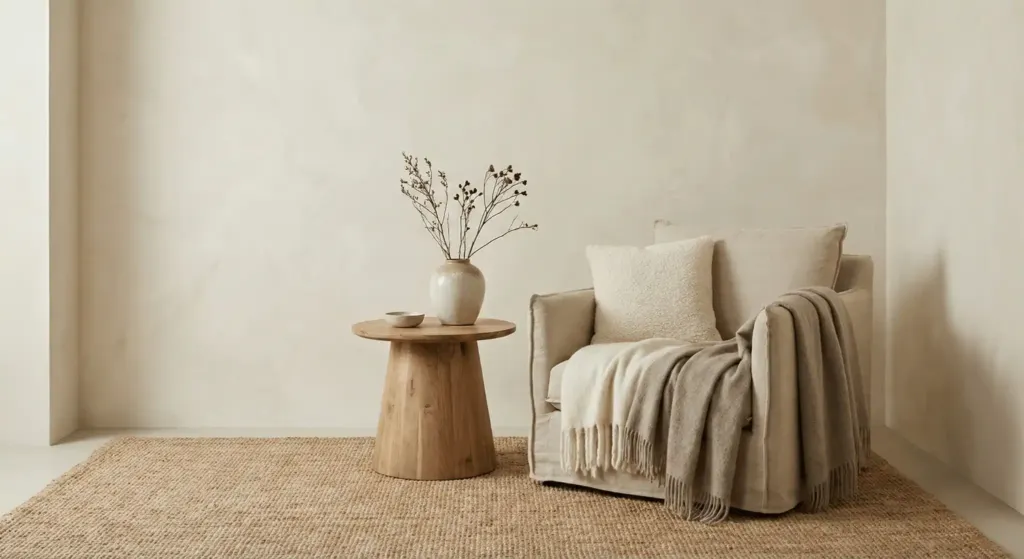
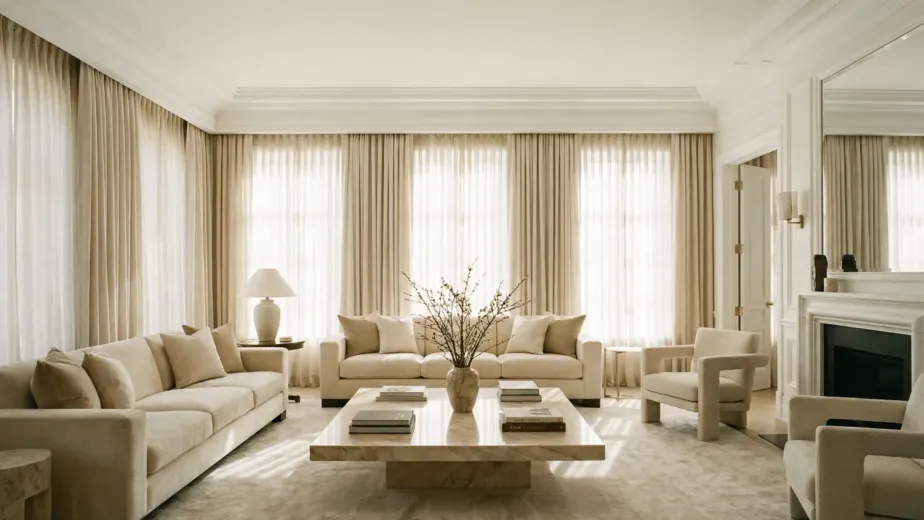
The “Quiet Luxury” trend is about subtle textures and high-quality materials rather than loud logos or bright colors. I use a palette of beige, cream, and taupe with varying textures.
This style relies on the quality of the finish. A lime wash paint from Bauwerk adds a soft, chalky texture to walls that standard flat paint cannot match. It creates a serene and expensive environment that never goes out of style.
20. Personal Gallery Walls
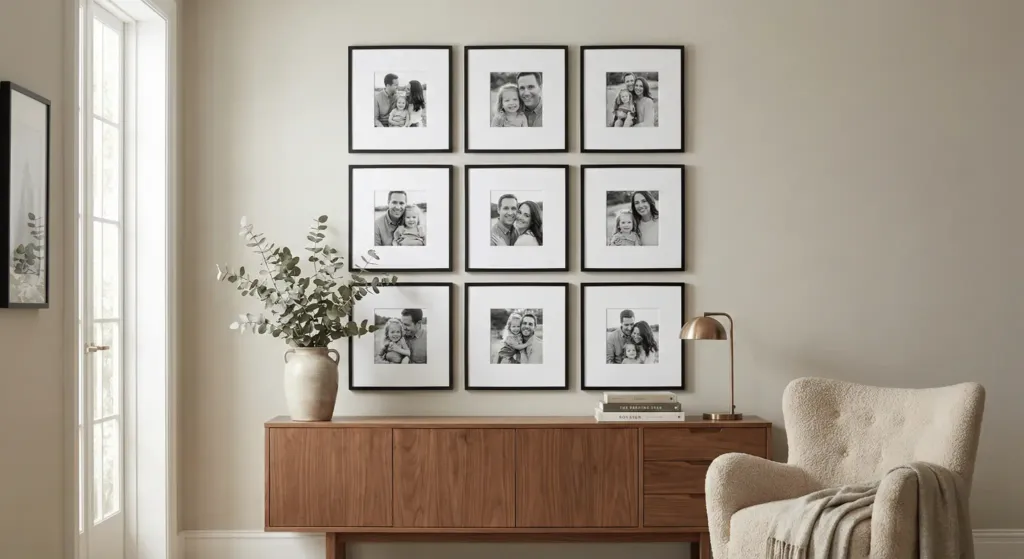
The final touch of luxury is personalization. I design gallery walls that feature black and white family photos framed in identical museum-grade frames. This makes personal memories look like a curated art collection.
Use wide mats and thin black frames for a clean look. This adds a human element to the room and makes it feel like a home. It is the most affordable way to add a high-end feel while keeping the space meaningful to you.
Common Luxury Living Room Mistakes
I have seen many people spend a fortune and still end up with a room that feels “off.” The most frequent error is improper scale. People buy furniture that is too small for the room. This makes a large space feel cluttered rather than grand.
Another mistake is lighting that is too bright or has the wrong color temperature. Always use dimmers on every single switch. This allows you to change the mood instantly. Lastly, do not forget the “touch” test. If a fabric feels scratchy or cheap, it does not belong in a luxury room regardless of the brand name.
Case Study: The Tribeca Loft
Last year, I worked on a loft in Tribeca with a five hundred thousand dollar budget. The client wanted luxury but had no idea where to start. We focused on three main pillars: a massive stone fireplace, custom walnut joinery, and a layered lighting plan.
We avoided bright colors and focused on textures like bouclé and silk. We spent eighty thousand dollars on a single rug from a workshop in Nepal. When the project was finished, the client said the room felt like a warm hug. That is the ultimate goal of luxury design. It should be comfortable, functional, and breathtakingly beautiful.
Add Image Here
Tool Recommendations for Luxury Design
- Farrow & Ball Paint: Their pigments are deeper and richer than standard paint.
- 1stdibs: The best marketplace for finding unique, high-end vintage furniture.
- Lutron Caseta: A reliable system for controlling luxury lighting and shades.
- Houzz Pro: I use this for mood boards and tracking project costs.
- SketchUp: Essential for visualizing custom joinery before you build it.
- Roche Bobois: My go-to for iconic, sculptural seating.
- Visual Comfort: The best source for designer lighting fixtures.
- Sub-Zero: The gold standard for integrated wine storage.
Frequently Asked Questions
What is the average cost of a luxury living room renovation?
A full luxury renovation usually starts at fifty thousand dollars and can exceed five hundred thousand. This includes structural changes, high-end furniture, custom millwork, and professional lighting. Material choices like rare marble or silk rugs drive these costs higher.
How can I make my living room look expensive on a budget?
Focus on scale and lighting. Paint your walls a sophisticated neutral like “Skimming Stone” by Farrow & Ball. Replace small art with one large, dramatic piece. Add a large area rug that fits all your furniture. These three changes create a high-end feel without a six-figure price tag.
Which furniture brands are considered the most luxurious?
Brands like Minotti, B&B Italia, Roche Bobois, and Holly Hunt are world leaders in luxury furniture. They use superior materials and hand-finished techniques. These pieces often hold their value and are seen as investments for the home.
What is biophilic design in luxury homes?
Biophilic design focuses on the human connection to nature. In a luxury living room, this means using natural materials like stone and wood. It also involves large windows for natural light and indoor greenery like living walls or large trees. It promotes wellness and tranquility.
How do I choose the right rug size for a large room?
The rug should be the largest item in the room. In a luxury layout, all pieces of furniture should sit entirely on the rug. If the rug is too small, the room looks disjointed. For most large living rooms, a ten by fourteen or twelve by fifteen rug is the standard.
What is the best lighting color for an expensive look?
I always recommend 2700K warm white bulbs. This mimics the glow of candlelight and makes skin tones and fabrics look their best. Avoid “daylight” or cool white bulbs which can make a luxury space look cold and sterile.
Are open plan living rooms still popular in luxury design?
Open plans are still popular but they now feature “zones.” Designers use area rugs, lighting, and furniture placement to create distinct areas for lounging, dining, and working. This maintains the sense of space while adding the needed structure for high-end living.
What are the best materials for a luxury fireplace?
Natural stone slabs are the top choice. Calacatta marble, Nero Marquina, and Travertine are classic options. Some modern designs use hot-rolled steel or hand-applied plaster for a more industrial luxury feel. The key is using large formats with minimal seams.
How do I hide a television in a luxury living room?
The Samsung Frame TV is a popular choice because it displays art. You can also use motorized lifts that hide the TV inside a cabinet or the ceiling. Some designers use “mirror TVs” that look like a standard mirror until you turn them on.
What is the quiet luxury interior design style?
Quiet luxury is about understated elegance. It avoids loud patterns and obvious brand names. It focuses on the quality of materials like cashmere, solid oak, and natural stone. The colors are usually muted neutrals that create a calm and timeless atmosphere.
How often should I update a luxury living room?
A well-designed luxury room should be timeless. High-quality pieces like a mohair sofa or marble fireplace will last for decades. You can refresh the look every five to seven years by changing pillows, art, or wall colors. The foundation should remain the same.
What is the role of a professional lighting designer?
A lighting designer ensures that every corner of the room is perfectly lit. They create a “circuit” plan so you can dim different areas independently. They also help hide fixtures so the light seems to come from nowhere. This level of detail is a hallmark of luxury homes.
Can I mix modern and traditional styles in one room?
Yes, this is often called transitional or eclectic luxury. Mixing a modern Italian sofa with an antique French console creates a sophisticated look. It shows a deeper level of design knowledge and makes the room feel more personal and unique.
Why is custom joinery so expensive?
Custom joinery involves high-end materials and skilled labor. A cabinet maker must measure the space exactly and build the piece by hand in a workshop. It also includes integrated features like hidden lighting and soft-close hardware. The result is a perfect fit that mass-produced furniture cannot match.
What is the best way to choose an interior designer?
Look for a designer whose past work resonates with your personal style. Ask for a detailed breakdown of their fees and how they handle purchasing. A good designer will have connections to exclusive showrooms and skilled tradespeople that you cannot access on your own.
Conclusion
Creating a luxury living room is a journey of choosing quality over quantity. It requires a balance of bold architectural statements and soft, human touches. Whether you are installing a forty-thousand-dollar fireplace or simply upgrading your lighting, the goal is the same. You want a space that feels like the best version of your life.
I have seen that the most successful rooms are those that tell a story. Do not be afraid to mix your grandmother’s antique mirror with a brand-new velvet sofa. These contrasts create the depth that true luxury requires. Focus on how you want to live in the space. The rest of the design will follow naturally.