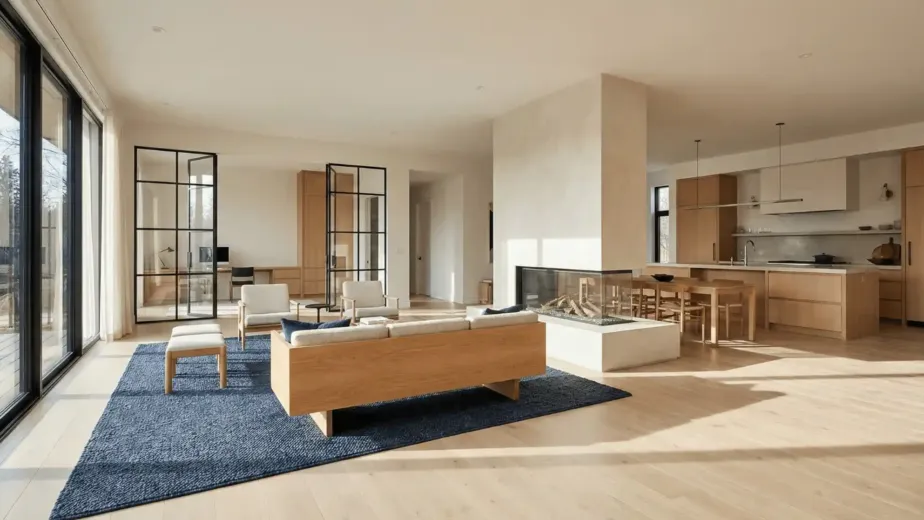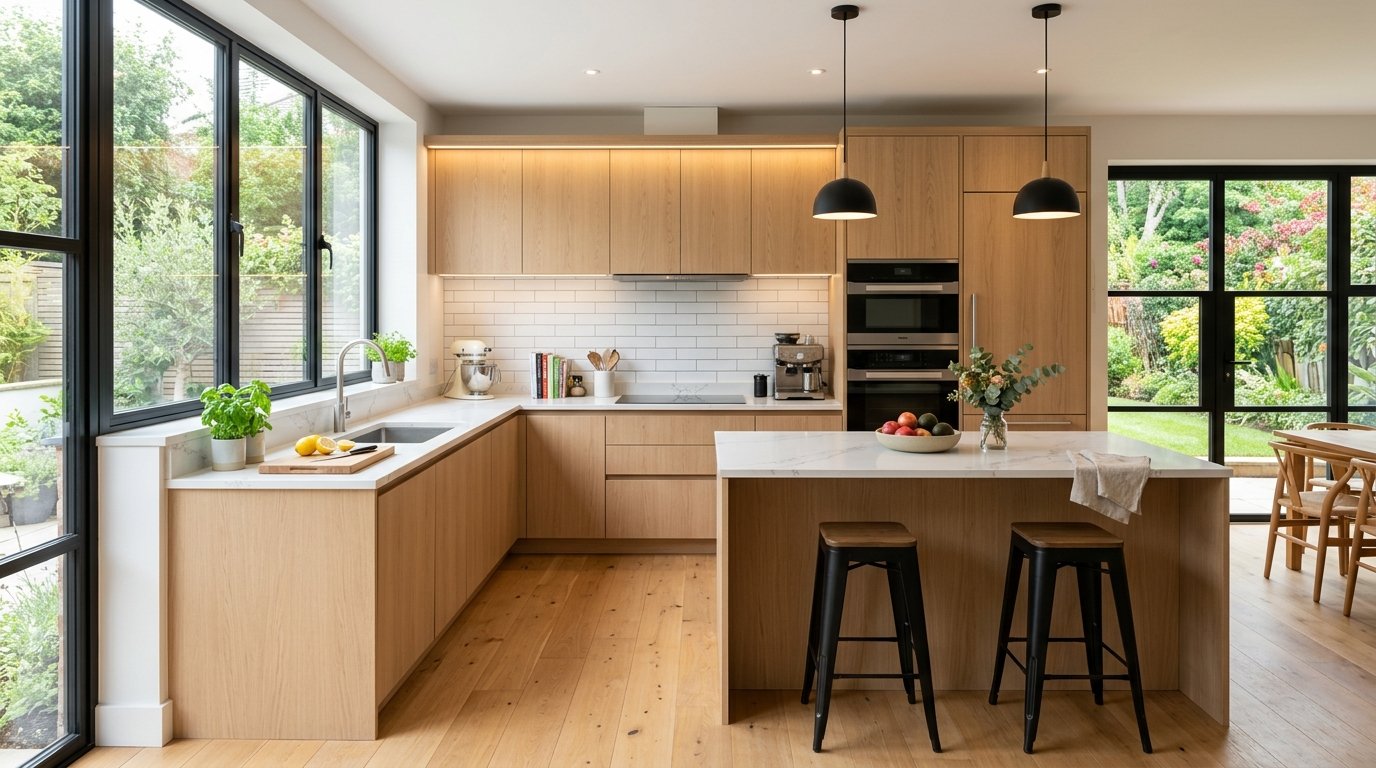
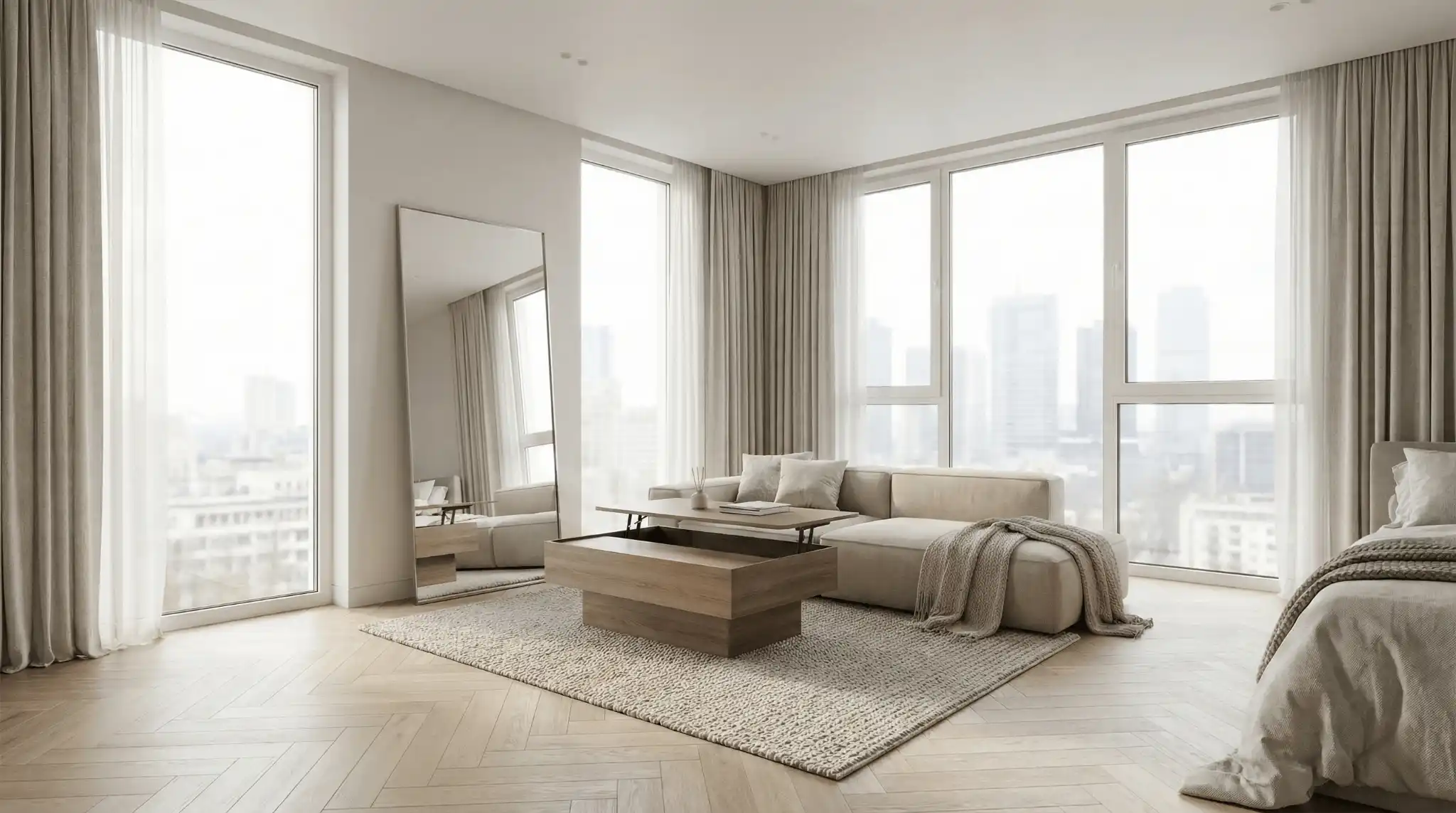
22 MI moved into a 340-square-foot studio in the middle of a rainy March three years ago. My friends called it a shoebox. To me, it felt like a puzzle. I spent the first month bumping my shins on a coffee table that was way too big. I tried to follow standard advice. I bought a heavy velvet sofa. I used dark rugs. The room felt like it was closing in. I had to rethink everything. That experience taught me that small space living is not about sacrifice. It is about precision.
Modern interior design for small homes requires a change in your perspective. You stop looking at floor space. You start looking at cubic volume. Most people leave the top four feet of their rooms empty. That is a waste of prime real estate. I learned to use the walls. I learned to choose pieces that serve three purposes. After years of testing layouts for myself and clients, I found what actually works. These are the lessons from the front lines of tiny living.
1. Modular Seating Systems
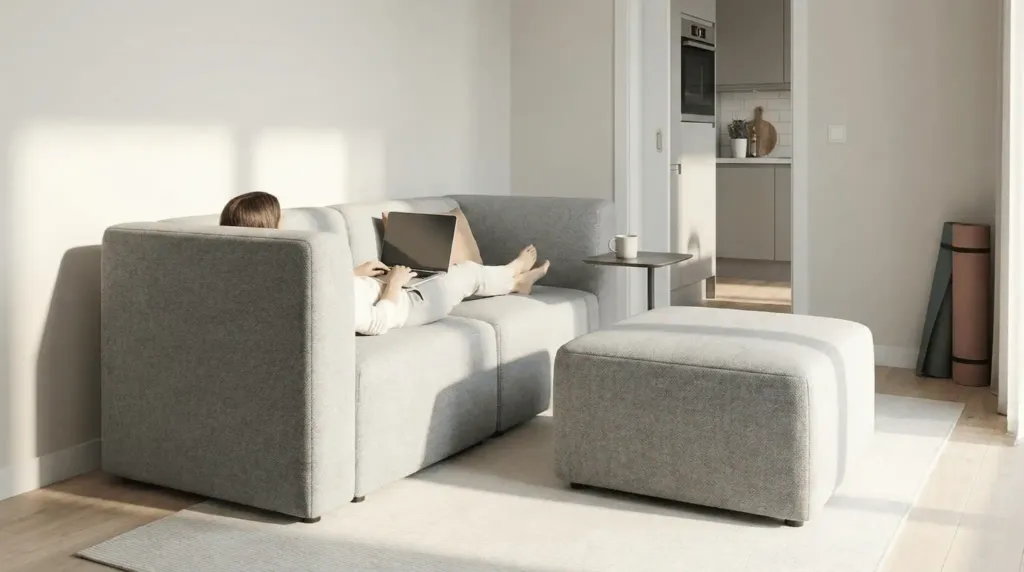
I once bought a massive L-shaped sectional. It looked great in the showroom. In my living room, it blocked the path to the kitchen. It was a disaster. Now, I tell everyone to go modular. Brands like Burrow or Lovesac offer pieces that click together. You can start with a two-seater. If you move to a larger place, you add a middle piece. In a small home, you can split the pieces up. Put two chairs together for a movie night. Move one to the corner when you need more floor space for a workout.
Modular furniture adapts to your life. Most traditional furniture expects you to adapt to it. In a modern interior design for small homes, flexibility is the highest currency. I prefer firm cushions for modular sets. They hold their shape better when you move them around frequently. Look for fabrics that are easy to clean. You will likely use these pieces for eating, working, and loungin
2. Lucite and Acrylic Furniture
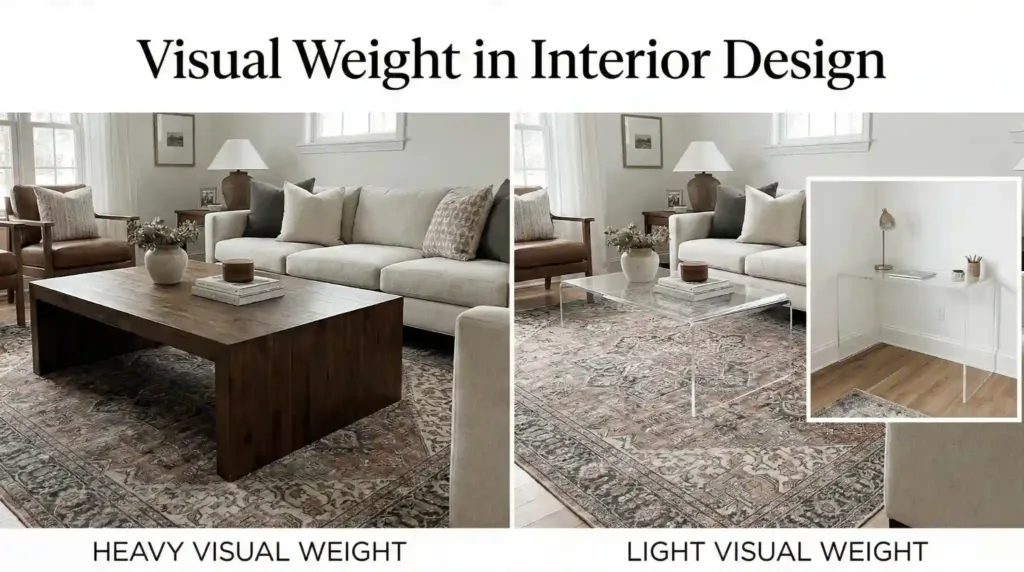
Visual weight is a concept many people ignore. A heavy wooden coffee table takes up physical space and visual space. It stops the eye. This makes a room feel cramped. When I switched to a Lucite coffee table, the room felt twice as large. The eye travels right through the clear material to the rug underneath.
I used a clear acrylic desk in my home office corner. It disappeared against the white wall. I could see the floor. I could see the baseboards. This trick creates the illusion of an open floor plan even when the room is packed. You can find high-quality acrylic pieces at stores like West Elm or CB2. They are durable and easy to wipe down. Just avoid cheap versions that scratch easily. High-quality acrylic stays clear for years.
3. Floor to Ceiling Shelving
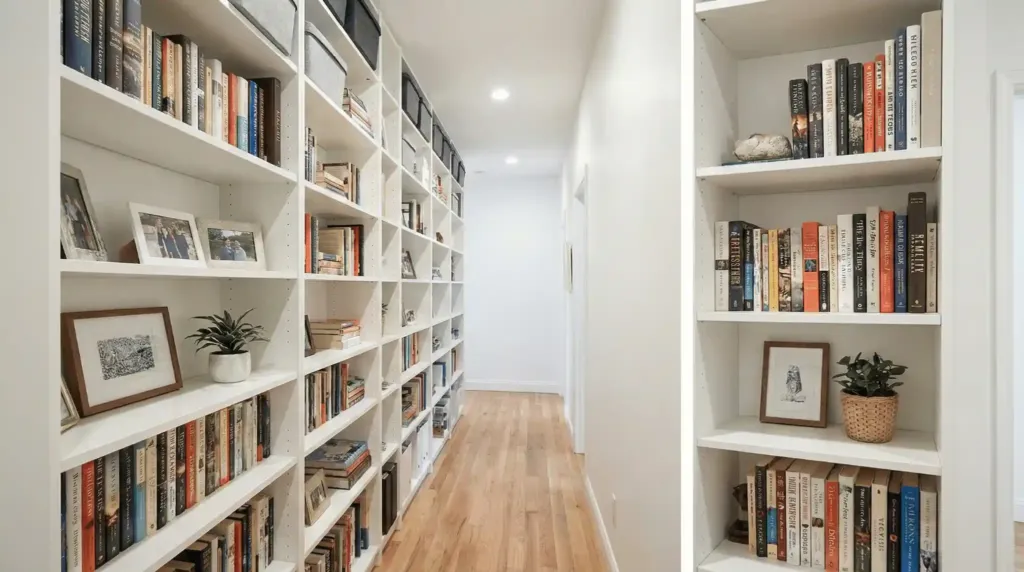
Stop buying waist-high bookshelves. They cut your walls in half. This makes your ceilings look lower than they are. In my narrow hallway, I installed shelving that went from the floor all the way to the ceiling. I used the IKEA Billy system with height extensions. It created a library feel in a space that was otherwise useless.
Store the items you use daily at eye level. Put your seasonal items or rare books at the very top. This draws the eye upward. It emphasizes the height of the room. This is a core pillar of modern interior design for small homes. It turns storage into a design feature. Use white shelves on white walls to make them blend in. If you want a bold look, paint the shelves the same color as the wall.
4. Oversized Wall Mirrors
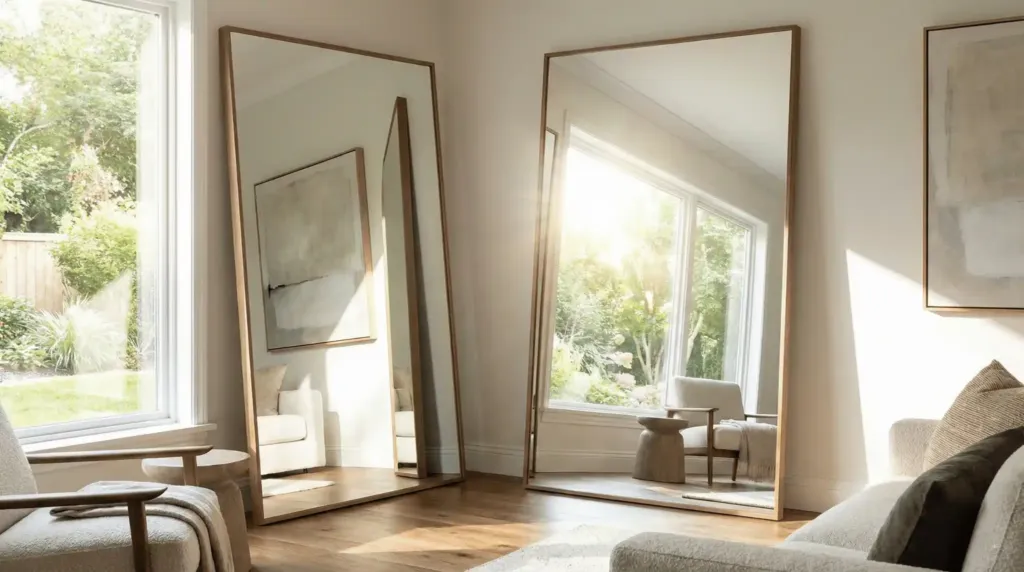
Small mirrors look like portholes. They don’t do much for the light. I suggest finding the largest mirror your wall can handle. I lean a seven-foot mirror against the wall opposite my main window. It acts like a second window. It bounces natural light into the darkest corners of the room.
The reflection also creates a sense of depth. Your brain perceives the room as continuing into the mirror. This is a classic trick, but people often go too small. Go big. I found an affordable oversized mirror at Home Depot and framed it myself. It changed the entire energy of my living area. Place it where it will reflect something pleasant, like a piece of art or a view, rather than a cluttered closet.
5. Pocket and Sliding Barn Doors
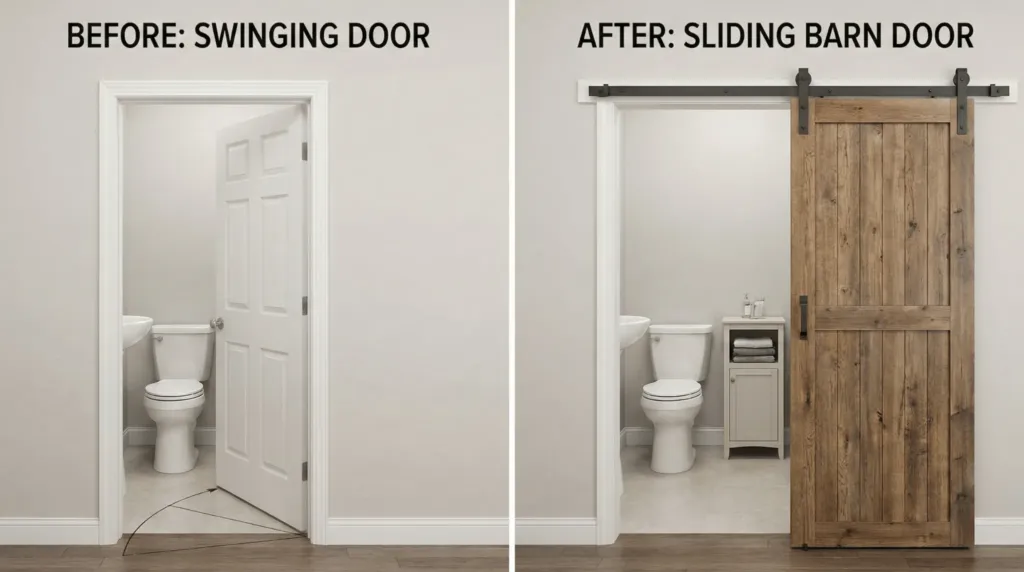
Swinging doors are the enemies of small homes. A standard door needs about nine square feet of clearance to open. In a tiny bathroom or bedroom, that is a huge loss. I replaced my bathroom swing door with a sliding barn door. It saved enough space for me to add a small linen cabinet.
If you are renovating, look into pocket doors. They disappear into the wall entirely. This allows you to use the wall space on both sides of the opening. Modern interior design for small homes often uses these to create “flex rooms.” You can open the doors to have one large space or close them for privacy. Use high-quality tracks to avoid noise and sticking.
6. Murphy Beds with Integrated Desks
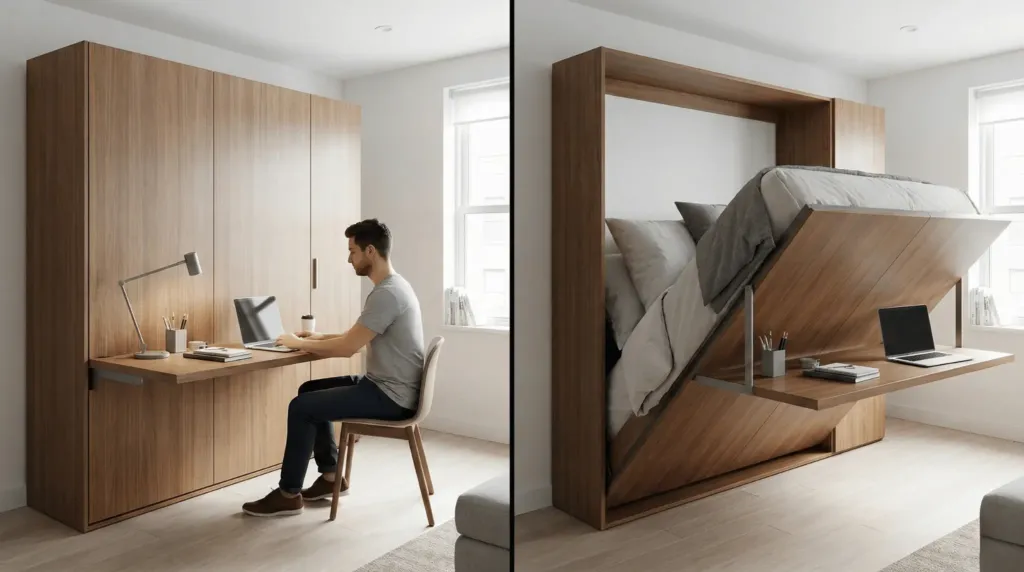
The bed is usually the biggest item in a home. If you live in a studio, it takes up 40% of your living space all day. I worked with a client who lived in a 250-square-foot micro-apartment. We installed a Murphy bed from Resource Furniture. It had a desk attached to the front.
When the bed was up, he had a full office. When he pulled the bed down, the desk stayed level. He didn’t even have to move his laptop. This kind of engineering is worth the investment. It turns one room into two distinct functional areas. Modern Murphy beds are comfortable and don’t look like the clunky versions from old movies. They look like sleek cabinetry.
7. Wall Mounted Desks and Tables
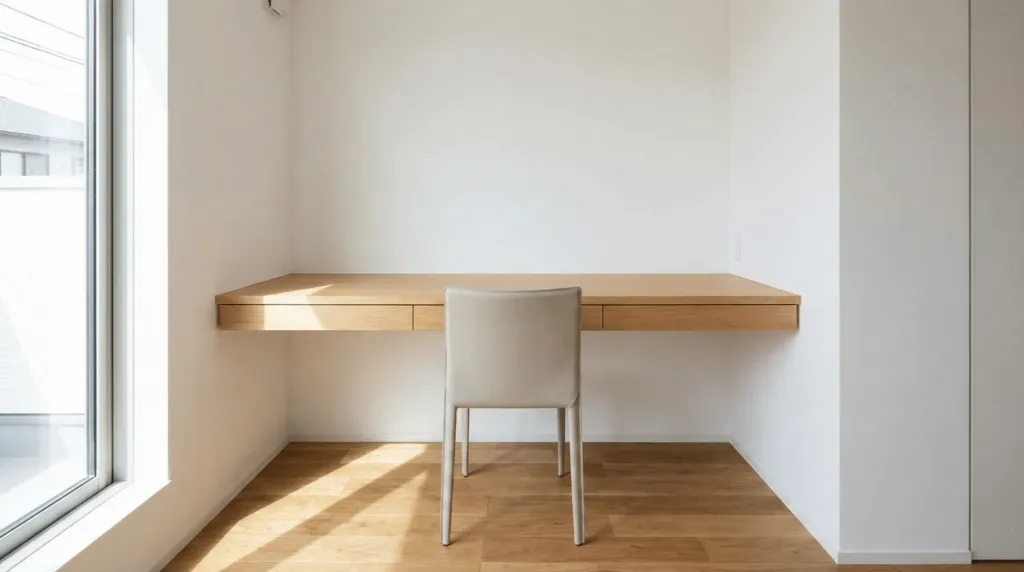
Legs take up floor space. When you have a desk with four legs, a chair with four legs, and a table with four legs, the floor looks like a forest. It feels cluttered. I prefer wall-mounted furniture. A floating desk creates a clean line underneath.
I installed a fold-down table in my kitchen. When I am not eating, it folds flat against the wall. This keeps the walkway clear. In a modern interior design for small homes, every piece of furniture should have a “parked” position. This ensures you always have room to move. Look for sturdy brackets that can handle the weight of a laptop or a heavy dinner plate.
8. Area Rug Zoning
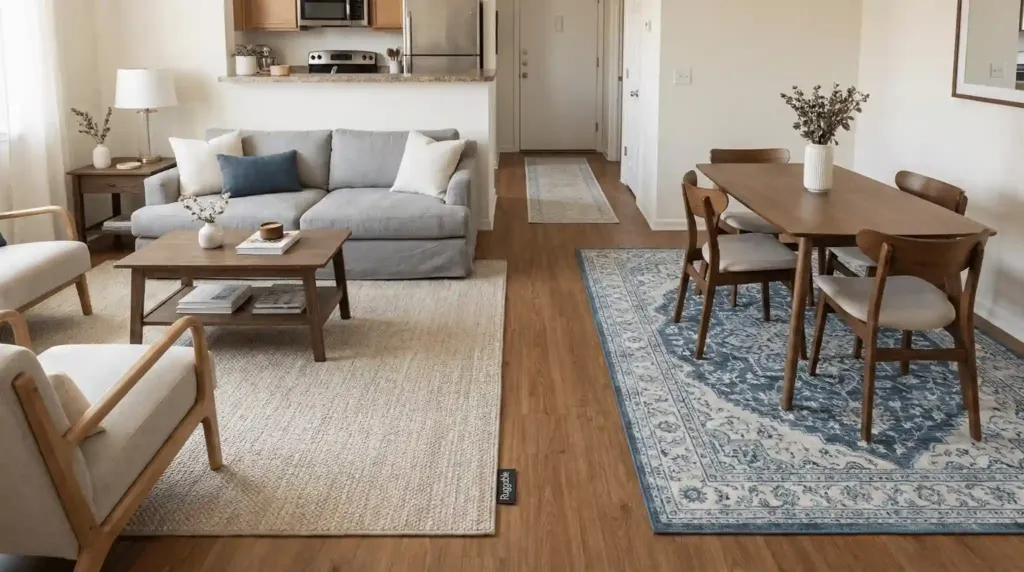
In an open-concept small home, the space can feel like a furniture showroom. There is no clear definition. I use area rugs to create “rooms” without using walls. A rug under the sofa defines the living room. A different rug under the table defines the dining area.
Make sure the rugs are the right size. A rug that is too small makes the furniture look like it is floating in the middle of the sea. All furniture legs should ideally sit on the rug. I use Ruggable for my small spaces. They are thin enough to fit under doors and you can wash them in a standard machine. This is vital when your living room is also your kitchen and your hallway.
9. Strategic Lighting Layers
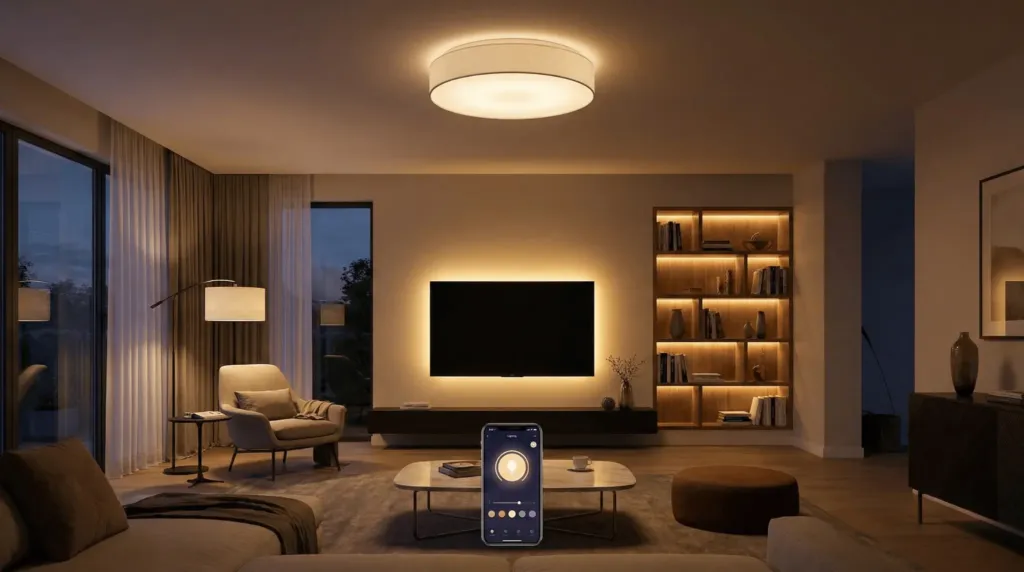
One single overhead light makes a room feel flat and small. It creates harsh shadows in the corners. I use at least three sources of light in every room. I start with an overhead fixture for general light. Then I add task lighting, like a desk lamp or under-cabinet lights.
Finally, I add accent lighting. This could be a floor lamp or a small LED strip behind a TV. I love the Philips Hue system. I can dim the lights or change the color temperature from my phone. Warm light makes a space feel cozy and expansive at night. Cooler light is better for morning focus. Layering your light makes the boundaries of the room feel soft and distant.
10. Painted Ceilings
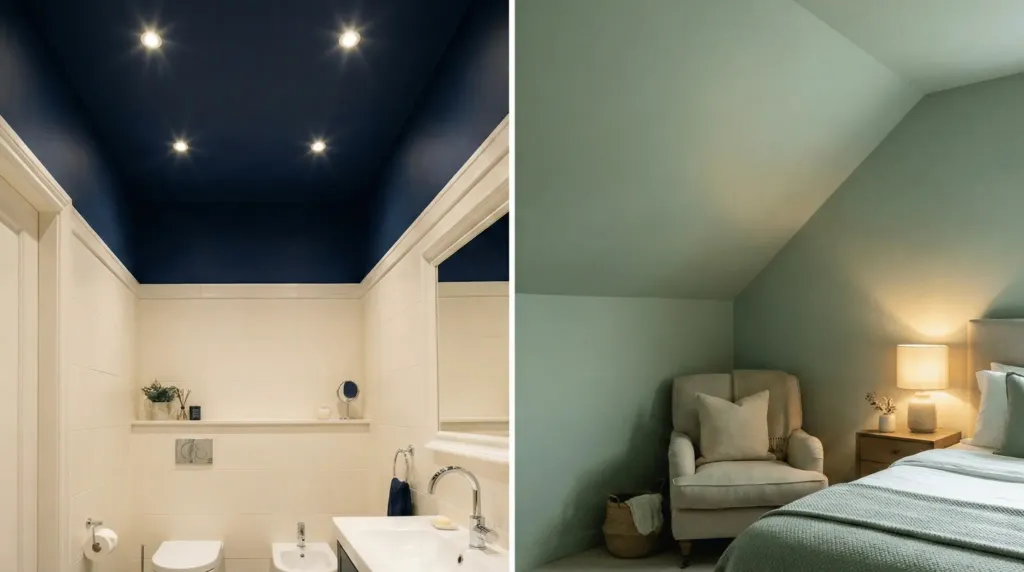
Most people paint their ceilings white and forget about them. I think that is a mistake. I once painted a small bathroom ceiling a deep navy blue. People thought it would make the room feel like a cave. The opposite happened. The dark color made the ceiling seem to recede. It felt like the night sky.
If you aren’t that bold, try painting the ceiling the same color as the walls. This removes the hard line where the wall ends. It confuses the eye in a good way. The room feels more cohesive. This technique works best in bedrooms or cozy nooks. Use a flat finish to hide any imperfections in the plaster.
11. Hidden Storage Ottomans
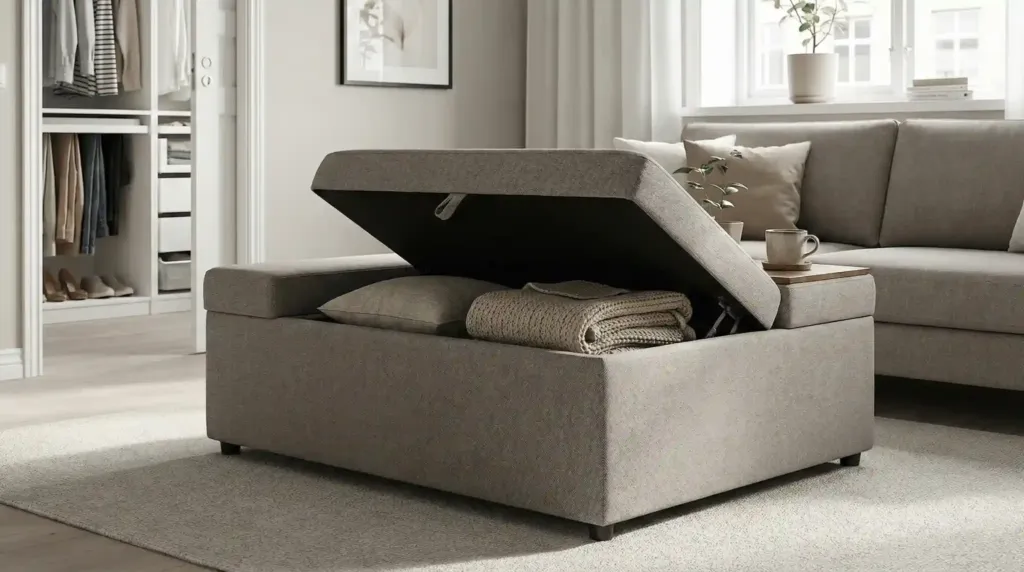
I don’t buy furniture that doesn’t hide things. My coffee table is actually a large storage ottoman. Inside, I keep extra blankets and pillows for guests. This keeps my closet clear for clothes and shoes.
In a modern interior design for small homes, you must hide the “visual noise.” Clutter is the fastest way to make a space feel tiny. An ottoman is a footrest, extra seating, and a closet all in one. I suggest choosing one with a lid that flips over to become a hard tray. This gives you a stable surface for drinks.
12. Floating Vanities
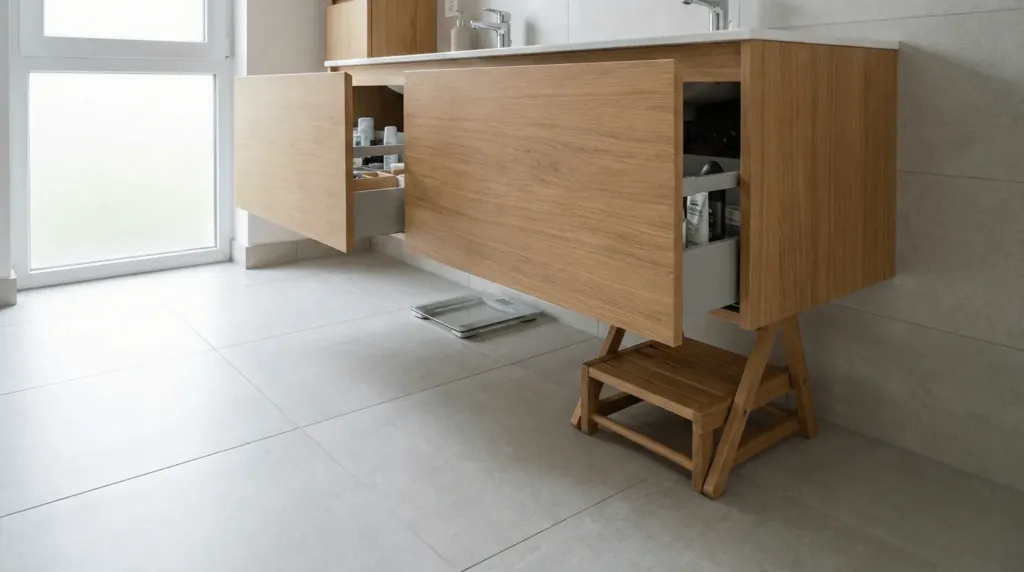
Traditional bathroom cabinets go all the way to the floor. They block your view of the floor tile. This makes the bathroom feel smaller. I replaced my old vanity with a floating model. Seeing the floor continue all the way to the wall under the sink made the room feel much wider.
It also makes cleaning much easier. You can slide a small step stool or a scale underneath it. I found a great floating vanity at IKEA that has deep drawers. Drawers are much better than cabinets in small spaces. You can pull them out to see everything at the back. No more digging through dark cupboards.
13. Clear Shower Curtains or Glass
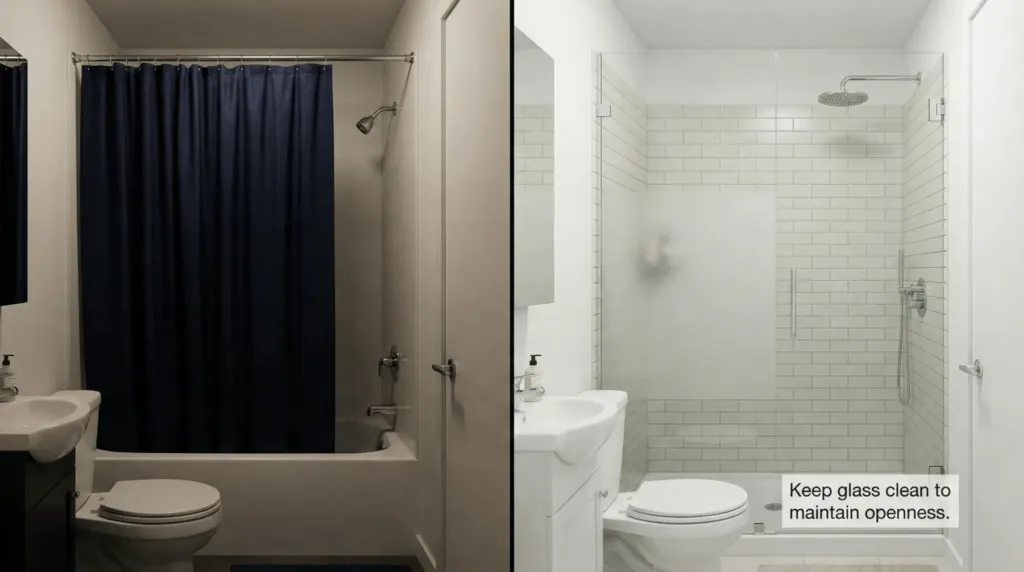
A dark shower curtain is a wall. It cuts off a third of your bathroom. When I switched to a clear curtain, the bathroom felt like it grew by three feet instantly. If you can afford it, install a glass pane instead.
Frameless glass is the gold standard for modern interior design for small homes. It provides a barrier for water without creating a visual barrier for the eye. If you need privacy, use frosted glass. It still allows light to pass through but keeps things hidden. Keep the glass clean to maintain the effect. Water spots will break the illusion of openness.
14. Leggy Furniture
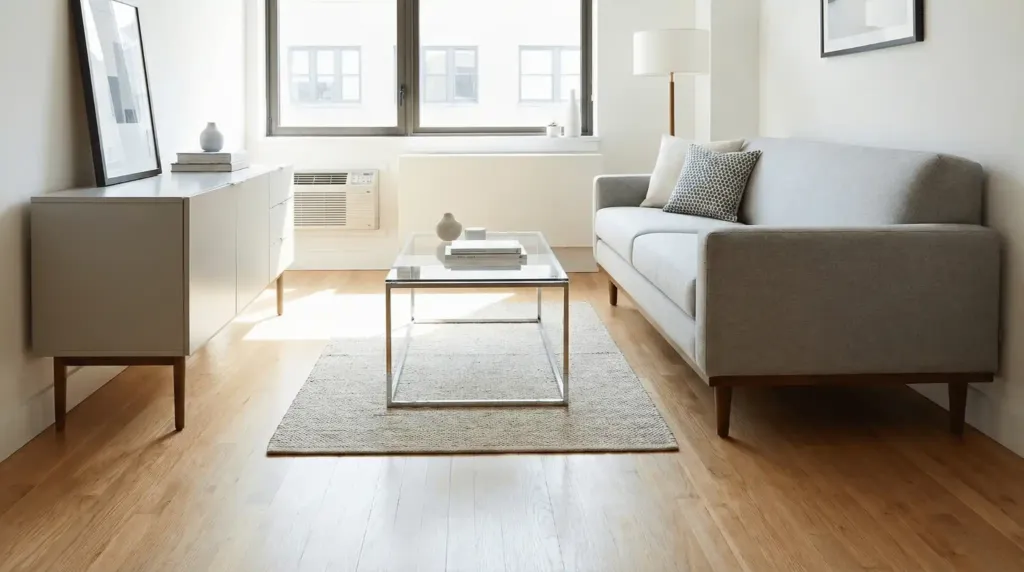
Avoid “chunky” furniture that sits flat on the floor. Pieces with tall, thin legs allow you to see under the furniture. This creates a sense of airiness. I chose a sofa with tapered wooden legs for my current living room.
When you can see the floor under your bed, your sofa, and your dressers, the room feels less crowded. It feels like the furniture is hovering rather than weighing the room down. This is a hallmark of Mid-Century Modern design, which is perfect for small homes. Brands like Article have many options that fit this style perfectly.
15. Sliding Glass Partitions
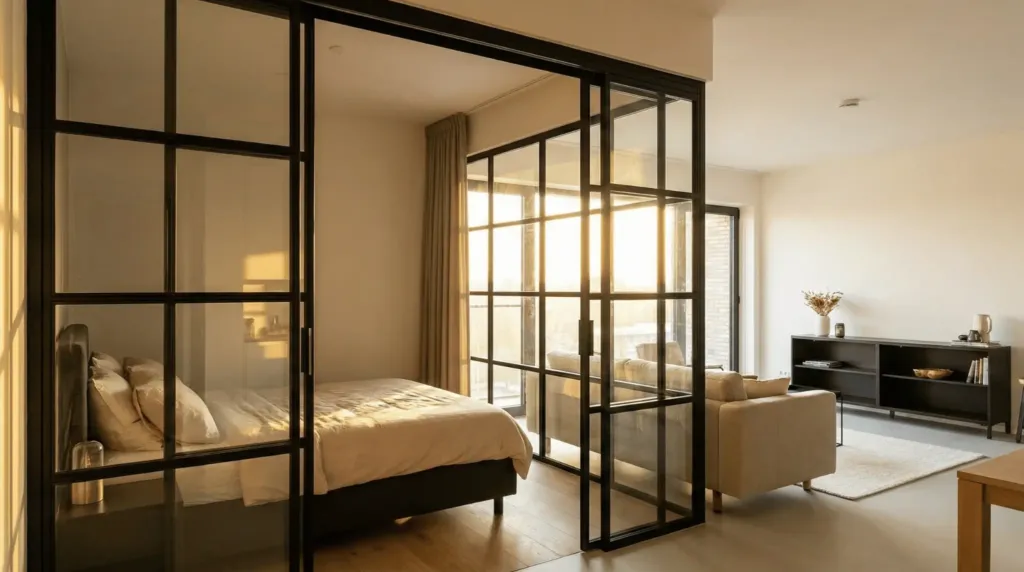
Sometimes you need a wall, but you don’t want the darkness a wall brings. I used a sliding glass partition to separate a bedroom nook from a living area. It blocked the sound of the dishwasher but let the morning sun reach the bed.
You can use metal-framed glass for an industrial look. Or use simple frameless panels for a minimalist feel. These partitions are expensive but they add massive value to a studio apartment. They create a “one-bedroom” feel without the permit headaches of building a permanent wall.
16. Under-Stair Closets
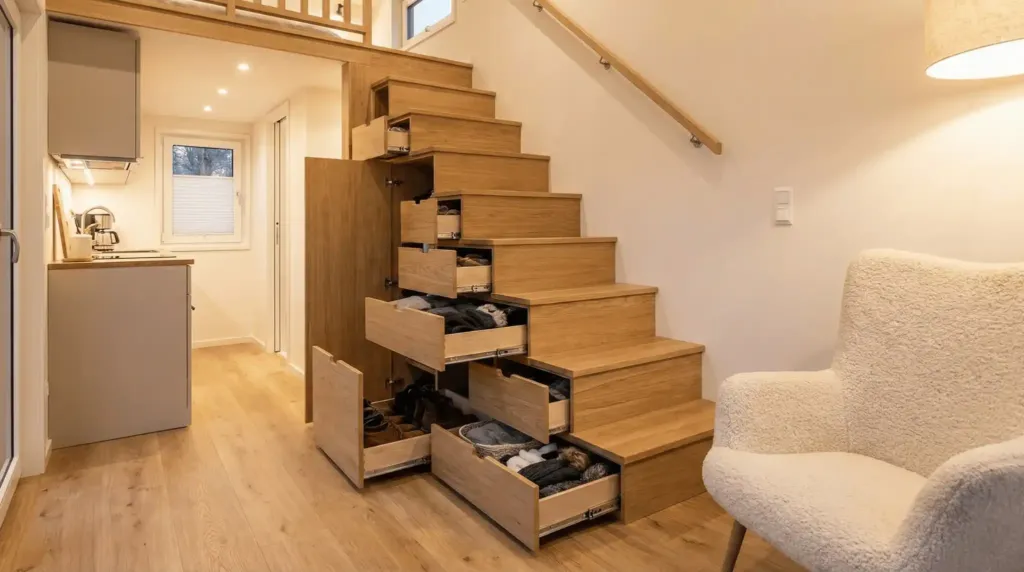
If you live in a small two-story home, the space under the stairs is a gold mine. I have seen people turn this into a pantry, a home office, or even a tiny powder room. Most builders just wall it off.
I suggest installing custom pull-out drawers. Each step can house a drawer for shoes or seasonal gear. This uses every inch of the home’s footprint. It is a high-level modern interior design for small homes move. It requires a bit of carpentry, but the storage gain is worth every penny.
17. Fold-Down Dining Tables
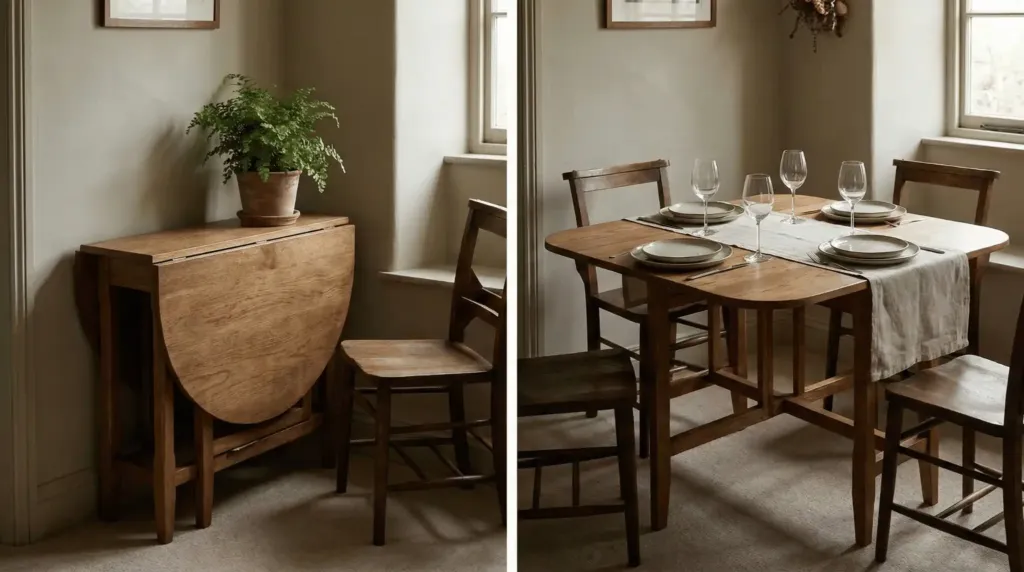
I rarely host dinner parties for six people. Most of the time, it is just me. A large dining table would be a waste of space. I use a gate-leg table that stays folded most of the time. It sits against the wall and holds a plant.
When I have friends over, I pull it out and open the leaves. It becomes a full-sized table. This kind of “on-demand” furniture is essential. Don’t furnish your home for the two times a year you host a party. Furnish it for the 363 days you live there alone or with a partner.
18. High-Gloss Finishes
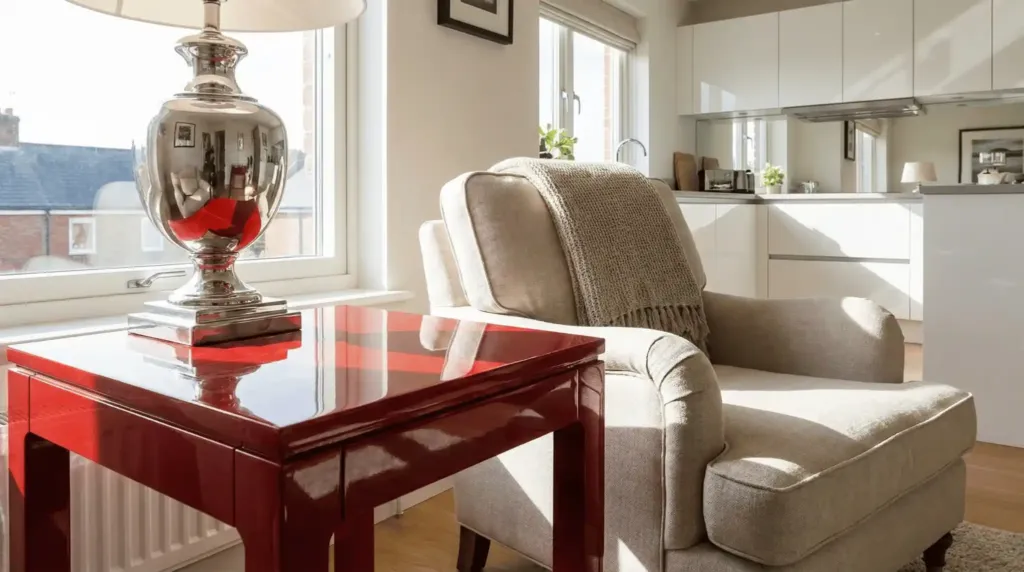
Matte finishes absorb light. Glossy finishes reflect it. I used a high-gloss white paint on my kitchen cabinets. The cabinets acted like mirrors. They bounced light from the window back into the room.
You can also use high-gloss lacquered furniture. A shiny red side table or a polished metal chair adds texture and brightness. Just be careful not to overdo it. Too much shine can feel cold. Balance glossy surfaces with soft textiles like wool or linen.
19. Vertical Gardens
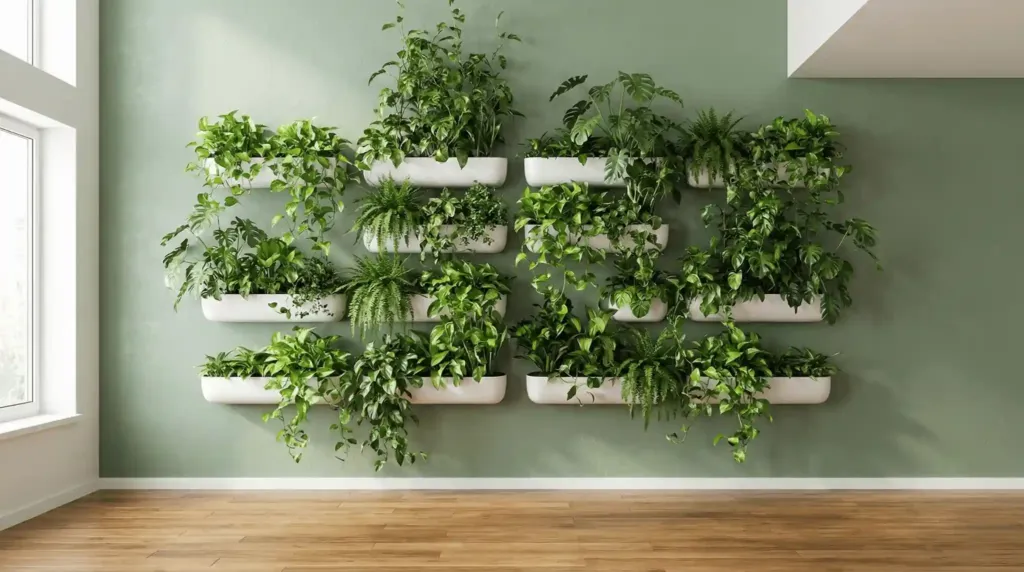
Floor space for plants is a luxury. I don’t like trip hazards. Instead, I use wall-mounted planters. A “living wall” adds life and color without taking up a single square inch of floor.
I use the WallyGro system. It is easy to install and has a built-in reservoir for watering. Putting plants near the ceiling also draws the eye upward. It makes the air feel fresher in a cramped space. Just make sure you choose plants that match the light levels of your walls.
20. Recessed Niches
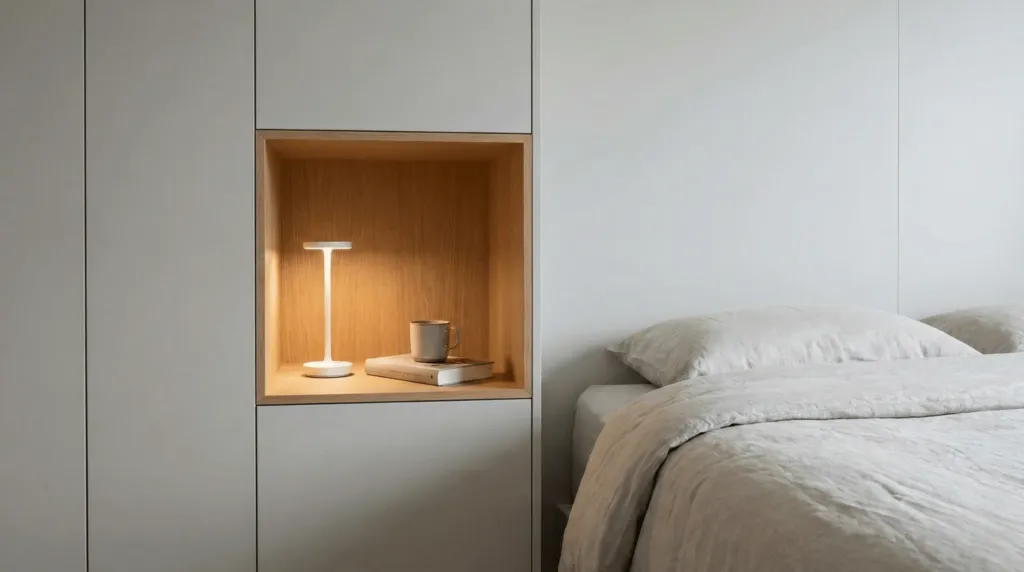
If you are opening up walls, look for space between the studs. You can create small recessed niches for books, spices, or toiletries. This is “free” space that exists inside your walls.
I added a niche in my shower for shampoo bottles. This removed the need for a messy hanging rack. I added another one by my bed to act as a nightstand. Because the shelf is inside the wall, it doesn’t bump into me when I move around. It is a sleek, modern solution for tight quarters.
21. Over-the-Door Organizers
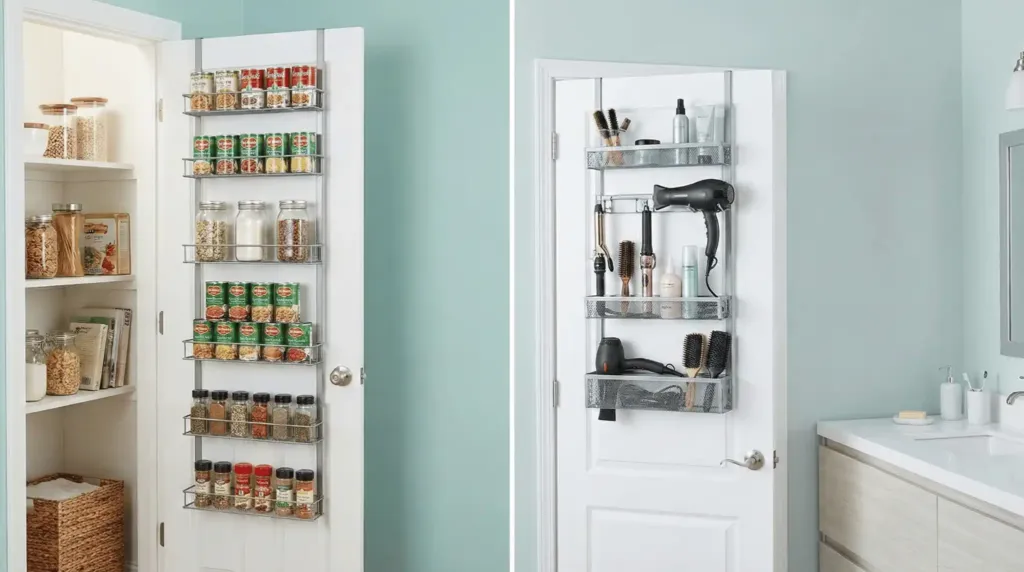
The back of a door is a hidden storage unit. I don’t mean those cheap plastic shoe bags. I use heavy-duty metal racks that hook over the top. I have one in my pantry for canned goods and one in my bathroom for hair tools.
This keeps the counters clear. In modern interior design for small homes, clear counters are a sign of success. When the flat surfaces are empty, the room feels calm. When they are covered in “stuff,” the room feels like it is shrinking.
22. Monochromatic Color Schemes
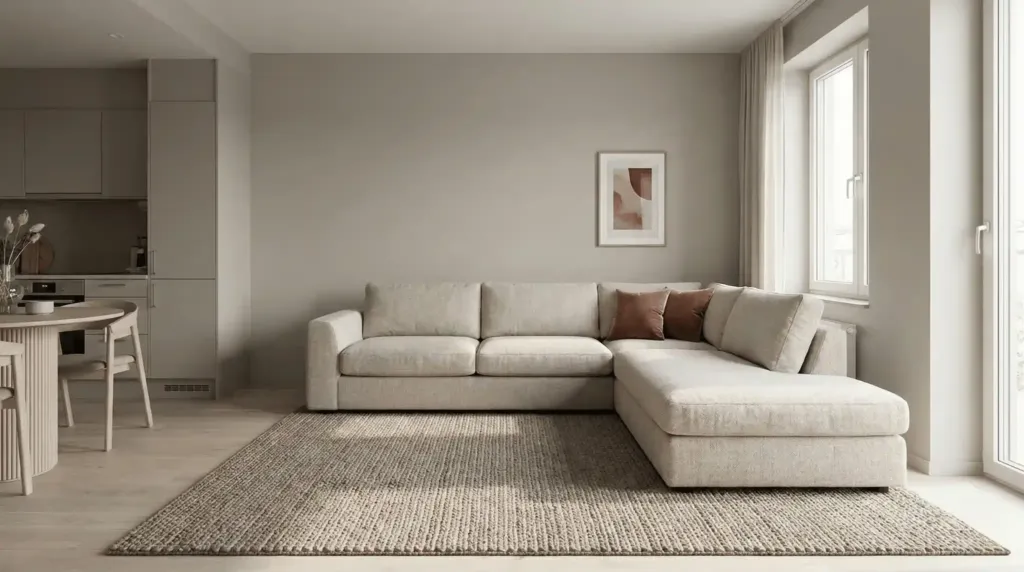
Using too many colors in a small space creates visual “choppiness.” Your eye stops at every color change. I prefer a monochromatic palette. I use different shades of the same color throughout the home.
In my last apartment, I used various shades of grey and beige. The walls, the sofa, and the rugs all shared the same undertones. This created a seamless flow. It made the studio feel like one continuous space. If you want color, add it through small accents like pillows or art. Keep the large pieces neutral and similar in tone.
Frequently Asked Questions
1. Why is modular furniture recommended for small homes?
Modular furniture, such as seating from brands like Burrow or Lovesac, offers flexibility. Unlike traditional heavy pieces, modular systems can be rearranged, split apart, or expanded to fit different activities—like movie nights or workouts—without blocking walkways.
2. What is “visual weight,” and why does it matter?
Visual weight refers to how much space an object appears to take up. A heavy wooden table “stops the eye,” making a room feel cramped. Clear materials like Lucite or acrylic allow the eye to travel through the furniture to the floor, creating the illusion of a larger, more open space.
3. How can I make my ceilings appear higher?
The best way to emphasize height is to use floor-to-ceiling shelving. Low bookshelves “cut” the wall in half visually, while tall units (like the IKEA Billy system) draw the eye upward, making the room feel more expansive.
4. Where is the best place to put an oversized mirror?
Ideally, lean or hang a large mirror opposite a window. This allows it to act as a second window, bouncing natural light into dark corners and reflecting pleasant views or art to create a sense of depth.
5. How much space do sliding doors actually save?
A standard swinging door requires roughly nine square feet of clearance to open. By switching to a sliding barn door or a pocket door that disappears into the wall, you reclaim that floor space for furniture or storage.
6. What is the benefit of “leggy” furniture?
Furniture with tall, tapered legs (common in Mid-Century Modern styles) allows you to see the floor underneath. When the floor is visible under sofas and beds, the furniture feels like it is hovering, which adds airiness to a room.
7. How do I define different “rooms” in an open-concept studio?
Use Area Rug Zoning. Placing a specific rug under the sofa and a different one under the dining table creates “visual boundaries” that define functional areas without the need for light-blocking walls.
8. Why should I use more than one light source?
A single overhead light creates harsh shadows and makes a room feel flat. By layering three sources—ambient (overhead), task (desk lamps), and accent (LED strips)—you soften the room’s boundaries and make the space feel more cozy and expansive.
9. Can I use dark colors in a small room?
Yes, specifically on the ceiling. Painting a ceiling a dark color (like navy) or the same color as the walls can make the hard lines of the room disappear, causing the ceiling to “recede” like the night sky rather than “closing in.”
10. What is the most effective way to clear counter clutter?
Utilize hidden storage and vertical space. Storage ottomans can hide blankets, while over-the-door organizers and recessed wall niches (built between wall studs) keep daily items off flat surfaces, reducing “visual noise.”
Conclusion
Living in a small home is not about sacrificing comfort; it is about the precision of design. As Elena Hayes illustrates, the transition from feeling “boxed in” to feeling “at home” requires a shift in perspective—moving from looking at floor square footage to maximizing cubic volume.
By prioritizing multi-functional furniture, reducing visual weight through clear materials, and utilizing “hidden” spaces like the backs of doors and the areas between wall studs, any small dwelling can feel spacious. The goal of modern interior design for small homes is to create a seamless flow where every piece of furniture has a “parked” position and every design choice serves to draw the eye upward and outward.