The most expensive mistake you can make is following a trend that dies in two years. I saw this happen to a close friend in 2021. She spent eighty thousand dollars on a kitchen with navy blue cabinets and rose gold hardware. By 2023 she hated it. The look felt dated. It felt tired. She wanted a classic look but fell for a Pinterest fad instead. Real classic design does not care about what is popular on social media today. It relies on balance and quality. It relies on history.
Classic design survived the Victorian era. It survived the mid century modern craze. It will survive the current obsession with grey floors and white walls. This guide gives you the exact steps to build a home that looks better as it ages. You will find specific paint codes and furniture styles. You will find mistakes I made so you can avoid them.
1. Focus on Architectural Symmetry
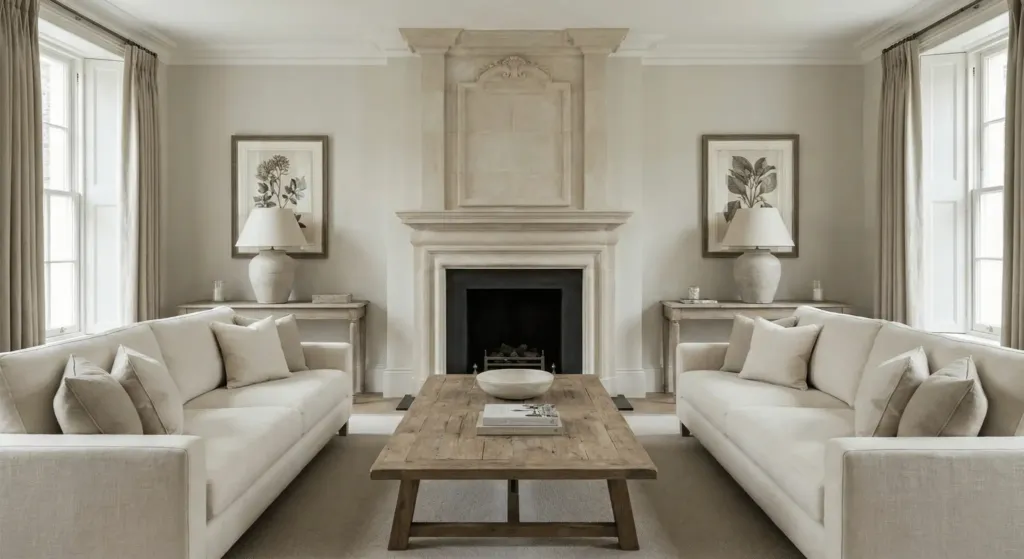
Symmetry is the foundation of every room that feels calm. The human brain loves order. When you walk into a room and see two matching chairs flanking a fireplace you feel at peace. This is not an accident. I once tried to style a living room with an asymmetrical layout. I put a large sofa on one side and a tiny chair on the other. The room felt heavy. It felt like it was leaning.
I fixed it by mirrored the seating. Buy two identical sofas. Place them facing each other. Put a large coffee table in the middle. This creates a central axis. Every grand home in history uses this trick. Think of the entryways in historic London townhomes. They use matching lamps on a console table. They use matching art pieces. Symmetry signals that the room was planned. [Internal Link: How to measure furniture for perfect room symmetry]
2. Install Deep Crown Molding and Baseboards
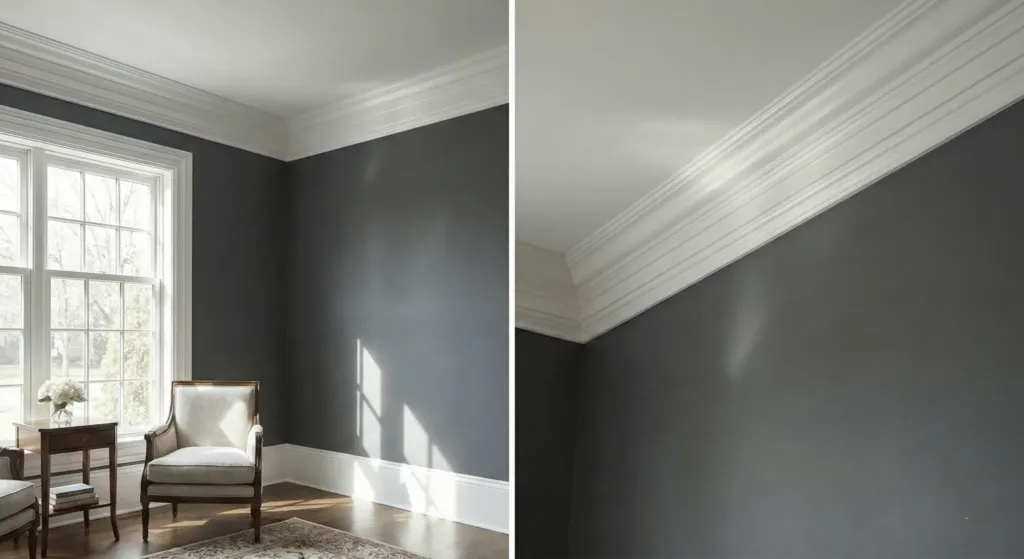
Thin baseboards make a house look cheap. Most builders use three inch baseboards to save money. This is a mistake. Classic homes require scale. You need baseboards that are at least seven inches tall. You need crown molding that connects the wall to the ceiling with a smooth curve.
I renovated a 1990s ranch house last year. The walls were flat and boring. We added double layered crown molding. The room instantly felt like a custom estate. Do not just nail a piece of wood to the wall. Use a “cove” profile for a softer look. Use a “dentil” profile if you want a formal look. Paint the trim the same color as the wall but use a semi gloss finish. This adds depth without breaking the visual line of the room.
3. Choose Natural Flooring Materials
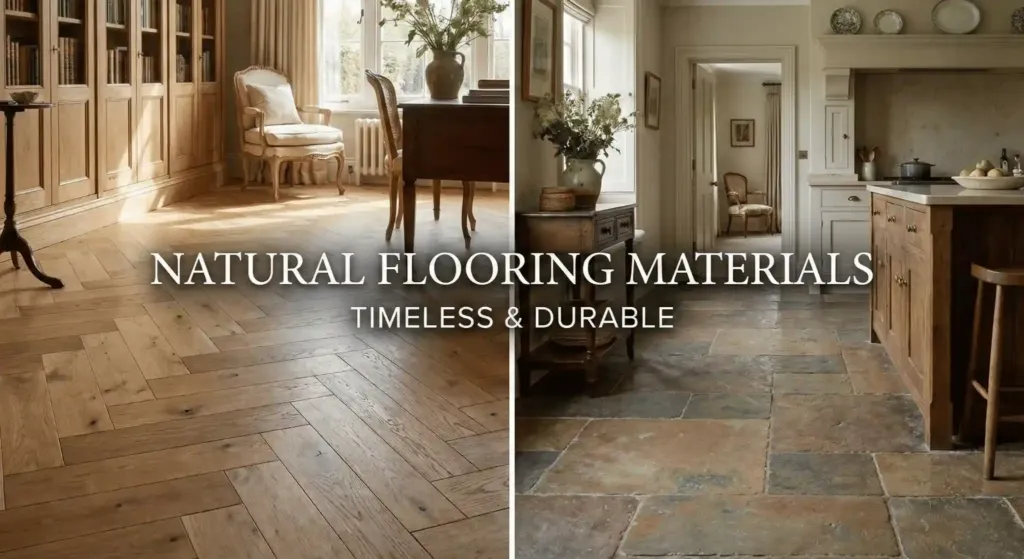
Avoid luxury vinyl plank or laminate flooring. These materials are plastic. They do not age well. They cannot be refinished. A classic home needs real hardwood or natural stone. I prefer white oak in a character grade. It shows small knots and grain patterns.
If you want a truly high end look go with a herringbone pattern. I installed a French oak herringbone floor in a library project in 2022. The cost was twenty percent higher than straight planks. The value it added was triple that. It provides a permanent sense of luxury. For kitchens use unpolished marble or slate. These stones develop a patina. A patina is the sign of a home that is lived in and loved. [Internal Link: Guide to choosing natural stone for high traffic areas]
4. Use a Palette of Historical Neutrals
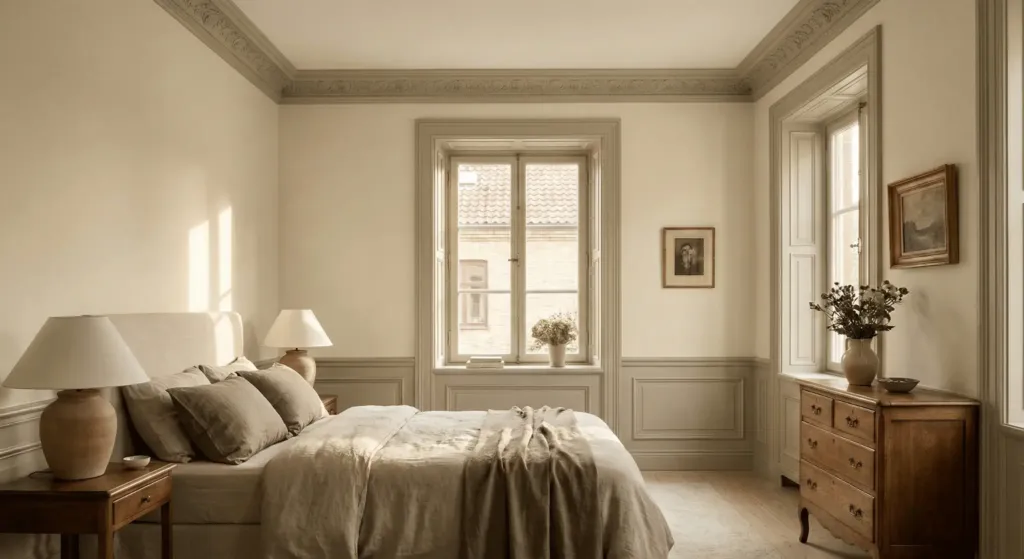
Bright white can feel like a hospital. True classic homes use “dirty” neutrals. These are colors with grey or beige undertones. Look at the Farrow and Ball color palette. Colors like Stony Ground or Pointing feel like they have been there for a century.
I once painted a bedroom a stark “Pure White.” It felt cold. I repainted it in Benjamin Moore Revere Pewter. The room transformed. It felt warm. It felt expensive. Use cream on the walls and a slightly darker tan on the trim. This is called reverse painting. It highlights the architecture. Avoid any color that feels too “neon” or “saturated.” Classic colors look like they were made from natural pigments like clay or stone.
5. Invest in Genuine Antique Furniture
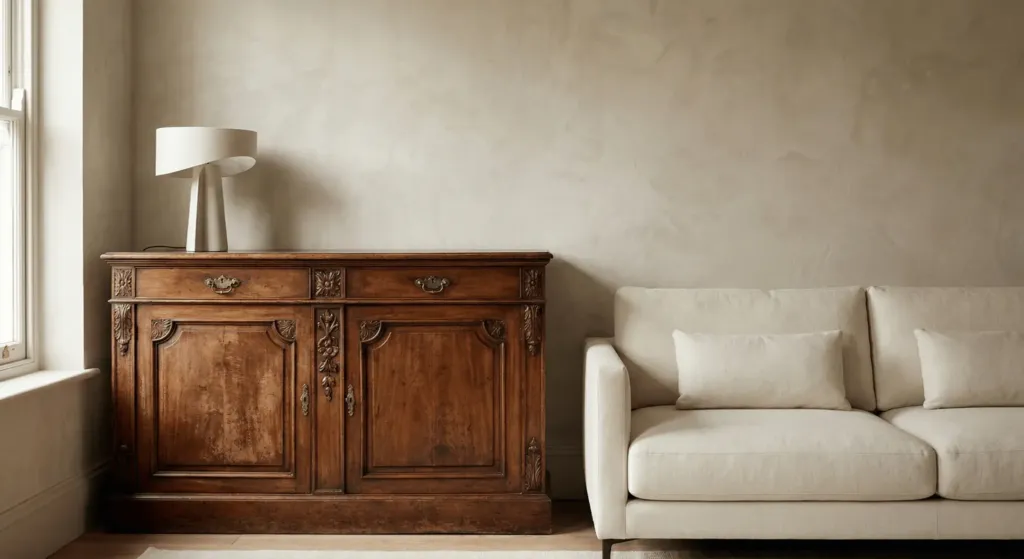
A room full of new furniture feels like a showroom. It lacks soul. You need at least one piece that is over one hundred years old. I always look for English mahogany sideboards or French walnut tables. These pieces have hand carved details that machines cannot replicate.
I found an 18th century chest at a local estate sale for four hundred dollars. It had some scratches. I did not fix them. Those marks tell a story. Mix these old pieces with modern sofas. This prevents the room from looking like a museum. Check sites like Chairish or 1stDibs for authentic pieces. Avoid “distressed” furniture from big box stores. Real age cannot be faked with a sandpaper block and grey paint.
6. Layer Lighting with Sconces and Lamps
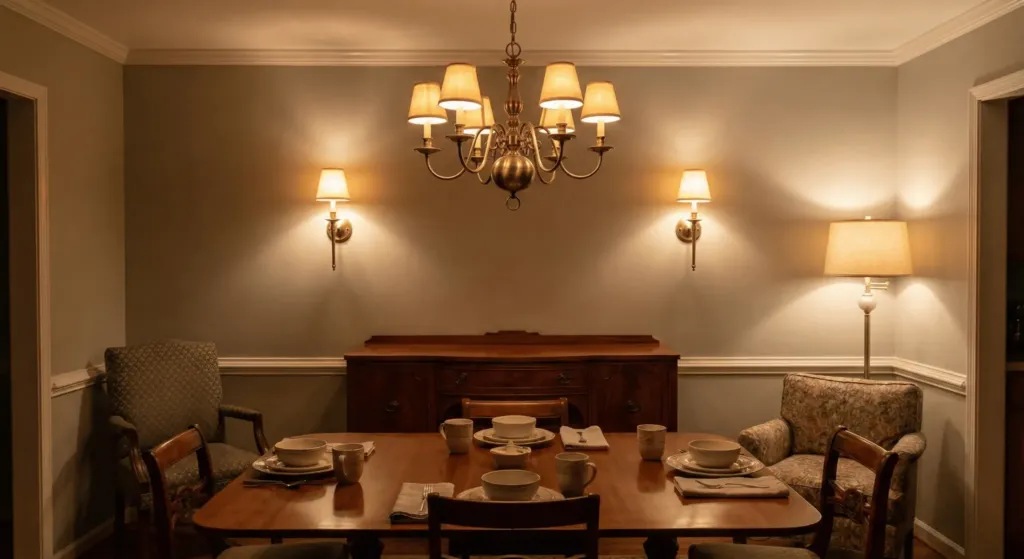
Overhead recessed lighting is the enemy of classic design. It creates harsh shadows. It makes people look tired. A timeless home uses layers. Start with a central chandelier. Add wall sconces at eye level. Finish with floor lamps and table lamps.
Use warm white bulbs. Aim for 2700 Kelvin. I once worked with a client who used “Daylight” bulbs in their dining room. The room looked like a gas station. We swapped them for dimmable warm bulbs. We added two brass sconces above the buffet. The atmosphere changed immediately. Lighting should glow. It should not glare. Brands like Visual Comfort offer many traditional styles that work in any space. [Internal Link: Best placement for wall sconces in a hallway]
7. Hang High Quality Drapery
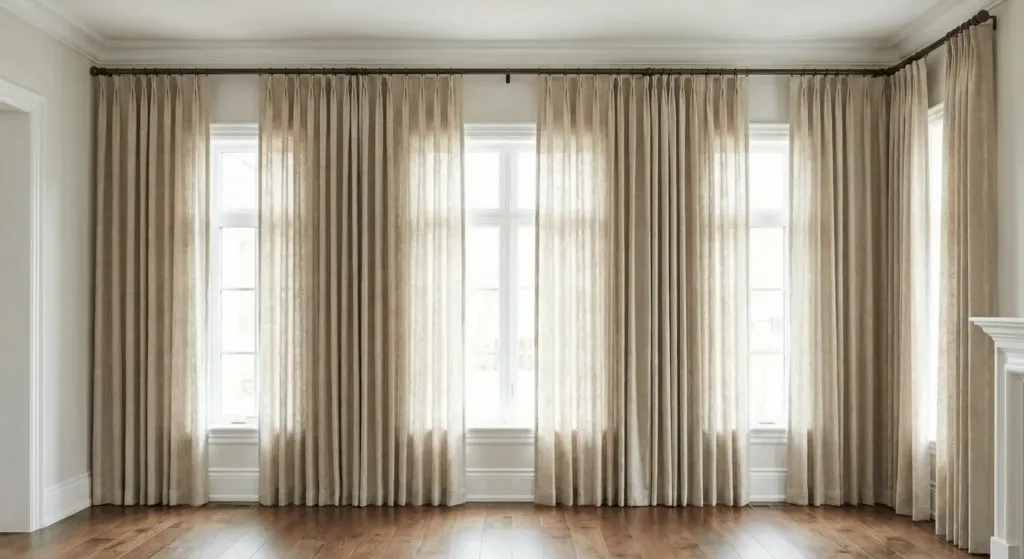
Blinds are functional but they are not classic. Every window needs fabric. Use linen or velvet. Hang the rod as high as possible. This is a secret designers use to make ceilings look taller. I see people hang rods right above the window frame. This makes the room feel small.
Go all the way to the ceiling. Let the fabric “kiss” the floor. Do not let it puddle too much or it collects dust. Use a French return rod. This allows the fabric to curve back to the wall. It blocks light and looks custom. I prefer solid colors or very small patterns like a pinstripe. Bold prints on curtains often go out of style quickly. Stick to neutrals or deep blues.
8. Build a Library Wall
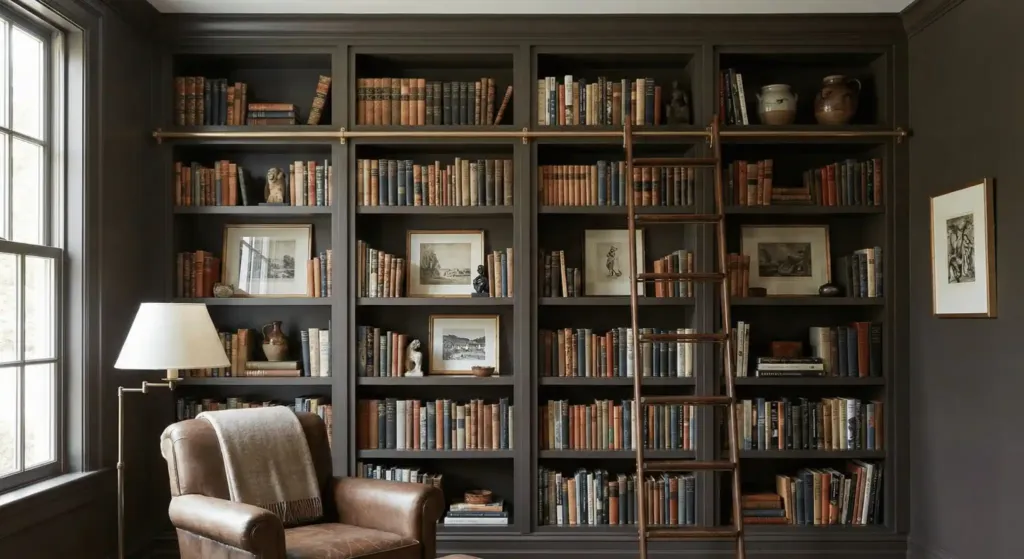
Books are the best decor. A wall of built in bookshelves adds instant authority to a room. I built a library for a client in a small condo. We used floor to ceiling shelving. We painted the shelves the same color as the walls.
It made the room feel larger. It provided a place to display art and collections. Do not organize your books by color. That is a trend that looks cheap. Organize them by subject or author. Let the spines show their natural wear. A library should look like you actually read. Add a rolling ladder if you have the height. It is a functional piece of art.
9. Install a Stone Fireplace Mantel
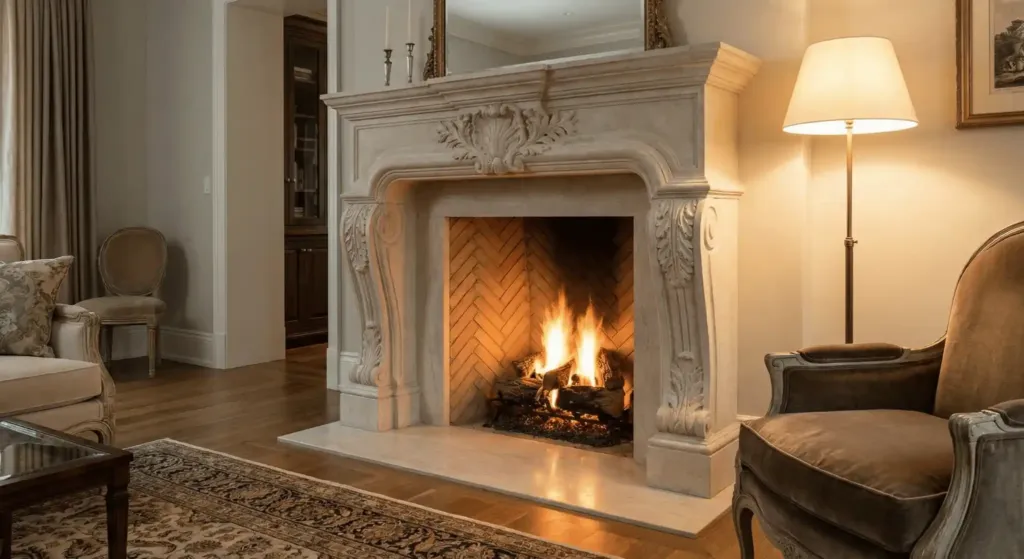
The fireplace is the heart of a classic living room. Many modern homes have a simple wooden beam or no mantel at all. Replace a plain mantel with a carved limestone or marble surround.
I once replaced a drywall fireplace with a salvaged marble mantel from the 1920s. It became the only thing people talked about when they entered the house. If stone is too expensive use a high quality cast stone. It looks and feels like real masonry. Keep the hearth flush with the floor for a seamless look. Avoid stacked stone or “ledger” stone. Those look dated very fast. Go for large slabs or traditional brick patterns. [Internal Link: How to choose the right fireplace scale for your room]
10. Use Large Scale Area Rugs
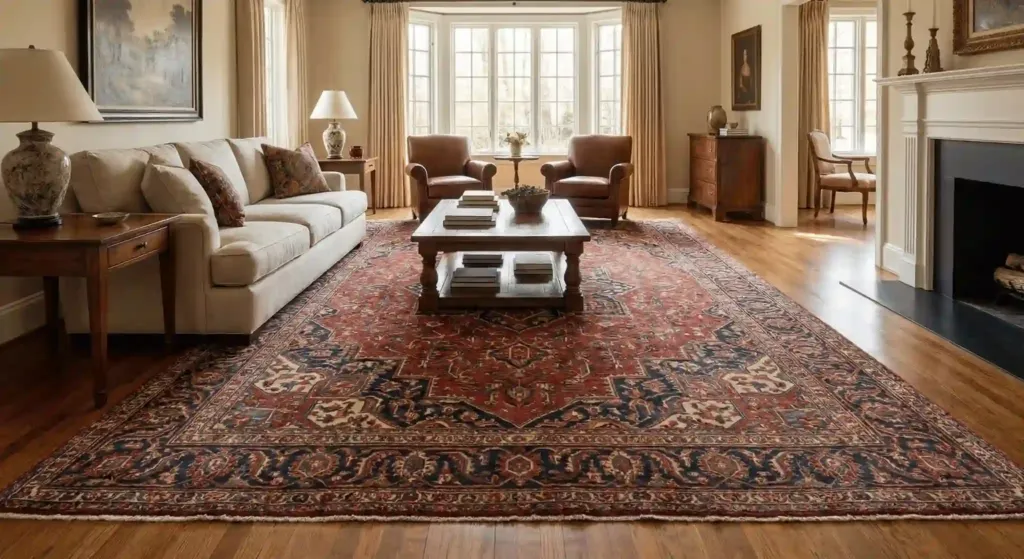
Small rugs ruin a room. I see people put a five by seven rug in a large living room. All the furniture sits off the rug. This makes the room look fragmented. A classic home uses rugs that cover almost the entire floor.
Leave about twelve inches of wood showing around the edges. I recommend hand knotted wool rugs. They last for decades. They hide stains. I have a Persian rug that is forty years old. I have spilled wine on it. My dog has run across it. It still looks new. Synthetic rugs flatten out and look dirty after two years. Buy a rug with a timeless pattern like an Oushak or a Tabriz. These patterns have been around for centuries for a reason.
11. Select Classic Hardware Finishes
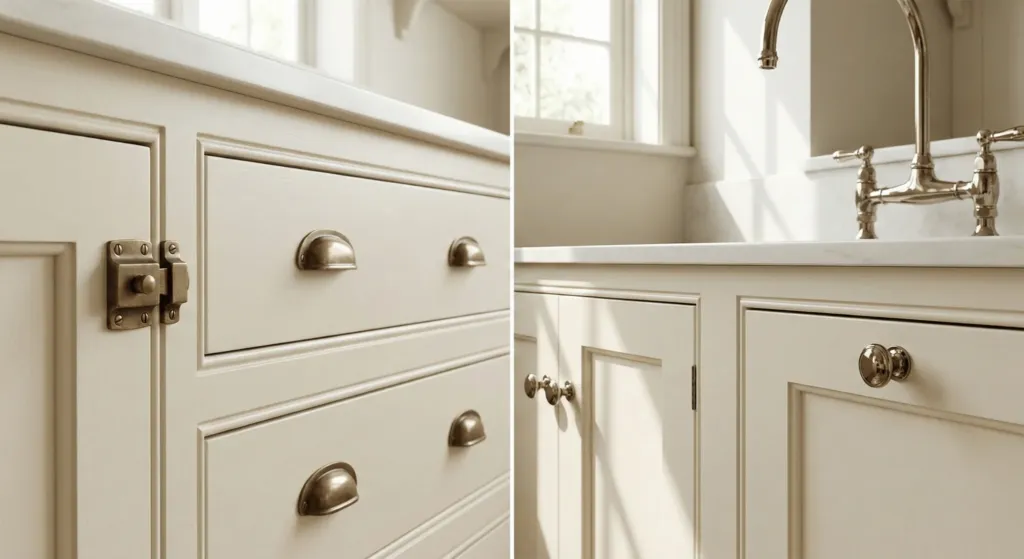
Avoid matte black or rose gold. These finishes are too tied to the 2020s. For a timeless home use unlacquered brass or polished nickel. Unlacquered brass is a living finish. It will darken and age over time. It develops a beautiful brown gold tone.
I used unlacquered brass in a kitchen remodel five years ago. The handles now have a soft glow that looks like an old English pub. Polished nickel has a warmer tone than chrome. It looks deeper and more expensive. Use the same finish throughout the room. Mix metals only if you are an expert. For most people sticking to one high quality finish is the safest bet. Brands like Rejuvenation or House of Antique Hardware offer great options.
12. Incorporate Toile and Floral Prints
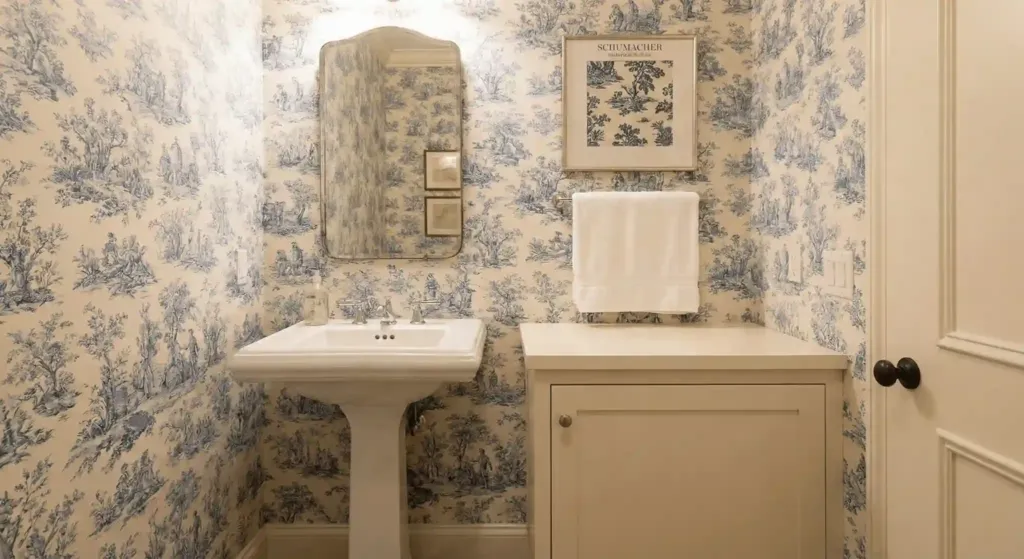
Pattern adds life to a neutral room. Toile de Jouy is a classic French pattern. It usually shows pastoral scenes in one color. It works perfectly on a single accent chair or as wallpaper in a powder room.
I once used a blue and white toile wallpaper in a small bathroom. It felt like a jewelry box. Balance these busy patterns with solid colors. If the walls are patterned keep the furniture simple. If the sofa is floral keep the walls a solid cream. This prevents the “grandma’s house” look. Stick to historical patterns from brands like Schumacher or Morris and Co. They have archives that date back hundreds of years. [Internal Link: Mixing patterns without clashing]
13. Focus on Quality Over Quantity
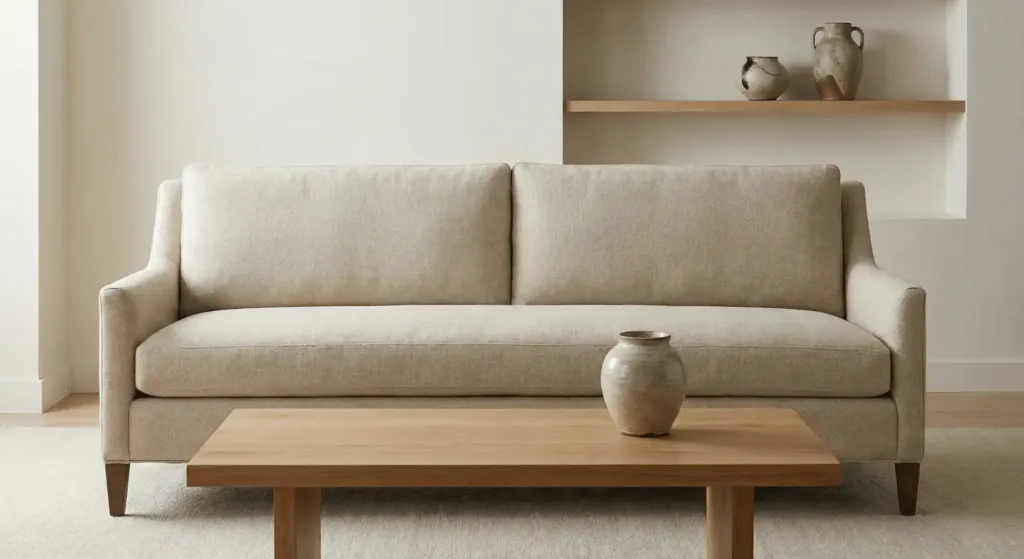
Classic design is about editing. A cluttered room feels cheap. Buy the best sofa you can afford. It should have a kiln dried hardwood frame and eight way hand tied springs. This sofa will last twenty years. A cheap sofa from a fast furniture store will break in three.
I learned this the hard way. I bought a cheap sectional in my twenties. It was lumpy in a year. I replaced it with a traditional tight back sofa. Ten years later it is still firm. Do not fill your shelves with random objects from a discount store. Wait until you find a piece of pottery or a vase you truly love. A few high quality items carry more weight than a hundred plastic ones.
14. Create Traditional Conversation Circles
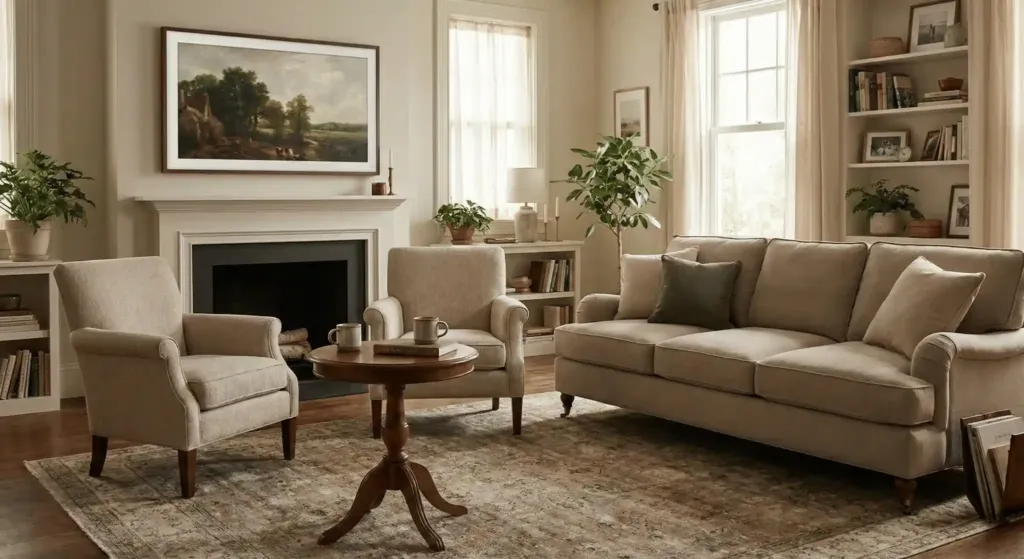
Modern homes often point all furniture at a television. This is not a classic layout. A timeless room focuses on people. Arrange your chairs so people can talk easily.
I like to place two chairs across from a sofa. I add a small drink table between the chairs. This creates a circle. Even if you have a TV hide it inside a cabinet or use a “Frame” style TV that looks like art. The goal is to make the room feel like a place for connection. I did this in my own den. We find ourselves talking more and watching screens less. It changed the way we use the house.
15. Add Ceiling Details Like Coffers or Medallions
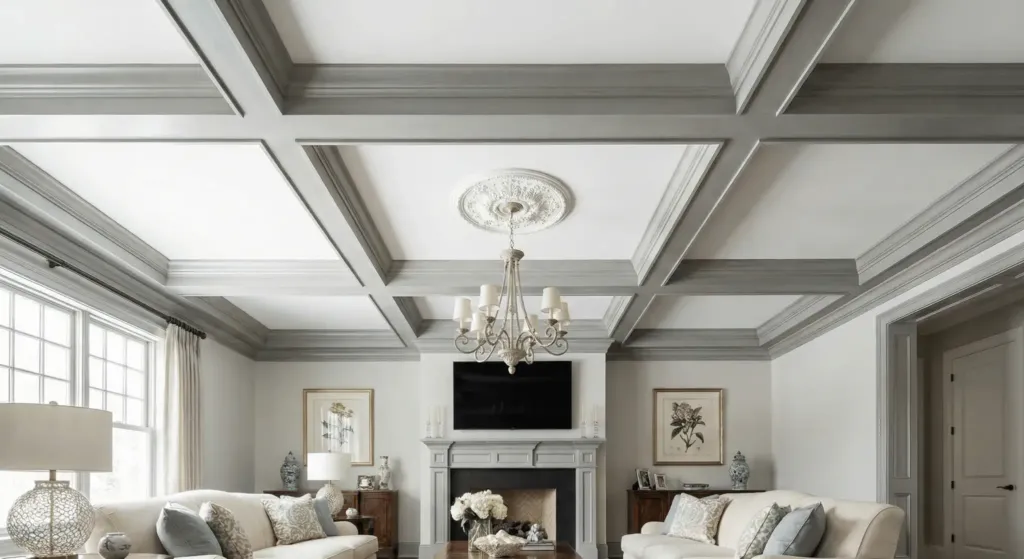
The “fifth wall” is often ignored. A plain white ceiling is a missed opportunity. Add a plaster medallion around your chandelier. It costs fifty dollars but makes the light fixture look intentional.
For a larger budget install a coffered ceiling. These are wooden beams that create a grid pattern. I saw this in a colonial revival home last summer. The beams were painted a soft grey against a white ceiling. It added a level of detail that felt like a luxury hotel. If your ceilings are low use a simple beadboard or a high gloss paint. High gloss reflects light and makes the ceiling feel further away.
16. Use Real Art Instead of Mass Produced Prints
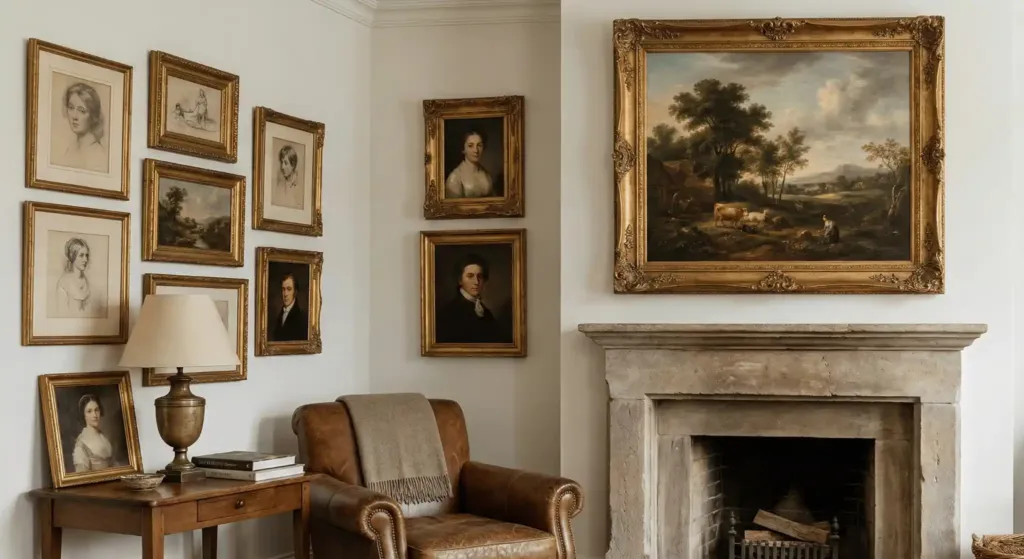
Stop buying “word art” or generic canvas prints from big stores. A classic home needs real art. It does not have to be expensive. I find beautiful oil paintings at thrift stores and flea markets.
Look for landscapes or portraits. A real painting has texture. You can see the brushstrokes. I have a collection of small sketches I framed in gold frames. They look much more sophisticated than a giant plastic print. Group small pieces together to create a gallery wall. Use consistent framing to keep it looking neat. One large oil painting over a mantel is the ultimate classic statement. [Internal Link: How to frame art for a professional look]
17. Integrate Indoor Greenery Strategically
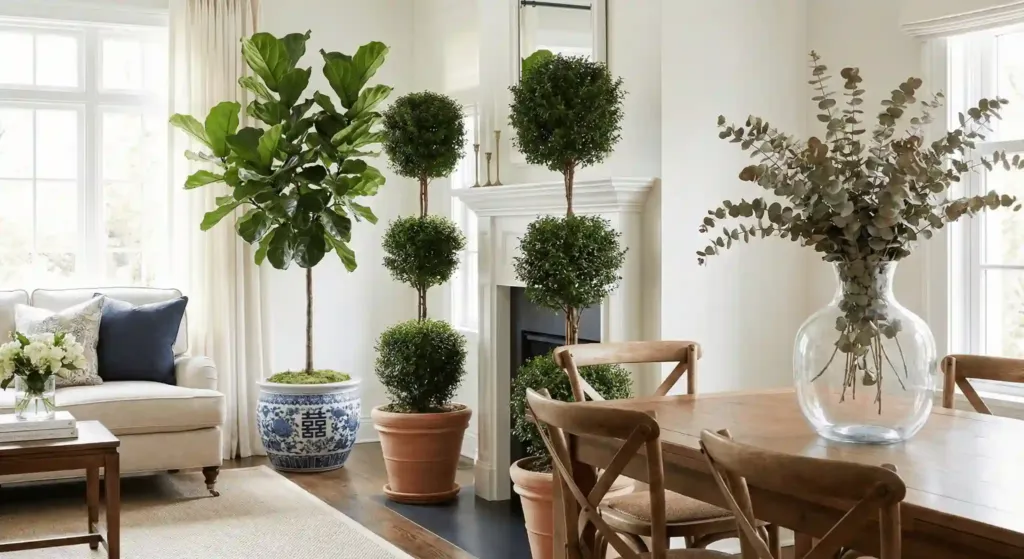
Plants bring a home to life. But do not just scatter plastic pots everywhere. Use classic containers like terracotta or blue and white porcelain.
I love a pair of tall topiaries by a front door or a fireplace. They provide height and structure. Use a large fiddle leaf fig in a corner to soften the lines of a room. Avoid “fake” plants if possible. Real plants improve air quality and look better. If you lack a green thumb use dried branches in a large vase. This looks elegant and requires zero work. I keep a large vase of eucalyptus on my dining table. It smells great and lasts for weeks.
18. Opt for Inset Cabinetry in Kitchens
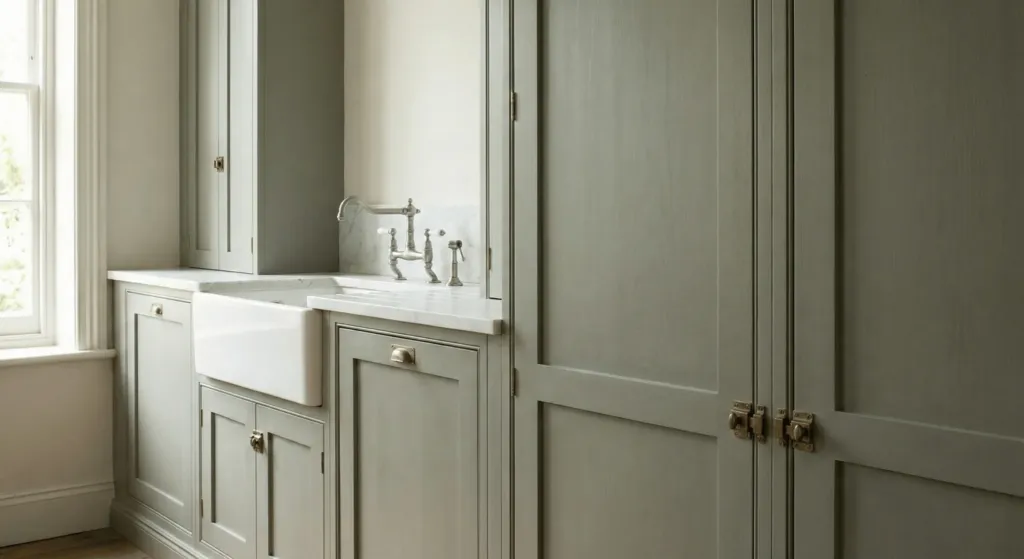
Most modern kitchens use “overlay” cabinets. The doors sit on top of the frame. Classic kitchens use “inset” cabinetry. The doors sit flush inside the frame. This is how cabinets were made before mass production.
It looks like furniture. When I remodeled my kitchen I chose inset doors with a simple shaker profile. The lines are clean. The look is permanent. It does cost about fifteen to twenty percent more. However the resale value of a kitchen with inset cabinets is much higher. Use “latches” instead of standard pulls for a more historical feel. Brands like DeVOL or Plain English are the gold standard for this look.
19. Prioritize Symmetrical Entryways

The entryway sets the tone for the whole house. A classic entry should be grand and balanced. If you have the space use a round center table.
I saw this in a farmhouse in Virginia. A large wooden table sat under a lantern. A big bowl of flowers was the centerpiece. It felt welcoming. If your hall is narrow use a long console table. Place a large mirror above it. Put a lamp on each end. This creates that symmetry we talked about earlier. Use a durable floor like checkerboard marble. It is a pattern that has worked for five hundred years. [Internal Link: Designing a functional and beautiful mudroom]
20. Embrace the “Lived-In” Look
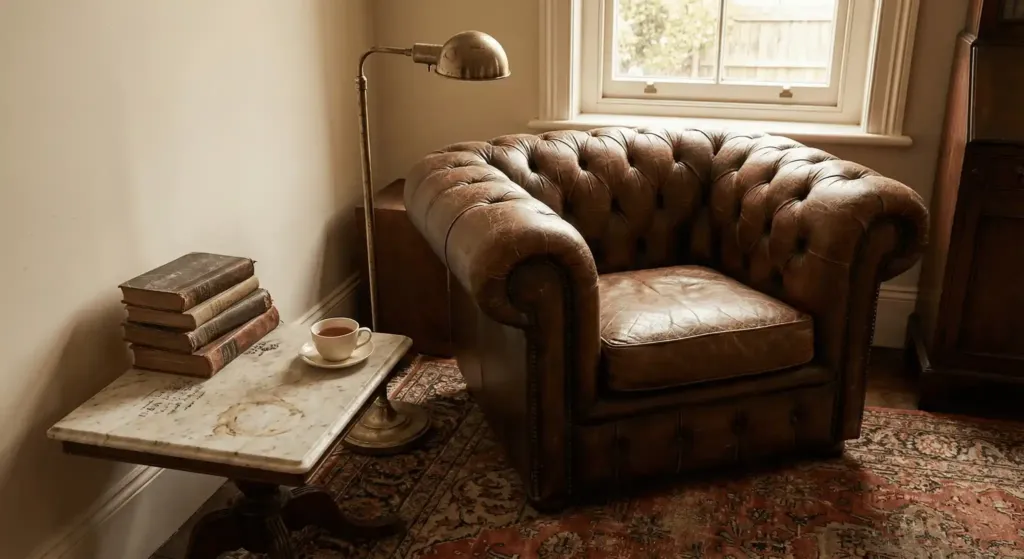
The biggest secret of classic design is that it should not be perfect. A home that is too stiff feels uncomfortable. Allow your brass to tarnish. Allow your marble to stain. Let your leather chairs develop wrinkles.
I visited a home in England that had not been decorated since the 1970s. Everything was high quality. The rugs were faded. The books were dusty. It was the most beautiful home I had ever seen. It felt like a home, not a stage set. Invest in things that get better with age. That is the true definition of timeless.
Comparison of Design Elements
| Element | Modern/Trend | Classic/Timeless |
| Flooring | Grey Laminate | White Oak / Stone |
| Hardware | Matte Black | Unlacquered Brass |
| Furniture | Particle Board | Solid Wood Antiques |
| Lighting | LED Strips | Brass Sconces / Lamps |
| Kitchen | Slab Overlay | Inset Shaker |
Frequently Asked Questions
Is classic interior design boring?
No. Classic design is a foundation. You can add personality with art, books, and textiles. It is about creating a space that feels permanent. You can change small things like pillows or flowers to keep it fresh. The “bones” of the house remain elegant.
How do I make a new house feel old?
Add architectural interest. Install crown molding. Change the hollow core doors for solid wood doors. Replace basic lighting with vintage style fixtures. These changes add the “soul” that new builds often lack.
What is the best color for a timeless living room?
Look for whites with a touch of yellow or grey. Benjamin Moore White Dove or Swiss Coffee are favorites. They look good in any light. They provide a soft background for art and furniture.
Can I mix classic design with modern technology?
Yes. Hide your television. Use smart switches that look like traditional buttons. Brands like Forbes and Lomax make beautiful brass toggles. You can have a smart home that looks like a 19th century manor.
Is classic design more expensive?
The initial cost is higher because you are buying real materials. However you save money over time. You do not have to renovate every five years to keep up with trends. A marble floor lasts forever. A plastic floor ends up in a landfill.
How do I start if I have a small budget?
Start with paint and hardware. Painting your walls a historical neutral costs very little. Swapping cheap plastic knobs for solid brass ones makes a huge difference. Buy one antique chair instead of a whole set of cheap ones. [Internal Link: Budget friendly ways to elevate a room]
The path to a timeless home is slow. Do not try to decorate the whole house in a weekend. Take your time. Find the right pieces. Look at old books for inspiration. Avoid the “explore” page on social media. Focus on what has worked for generations. If you follow these twenty steps your home will be a sanctuary. It will look as good in twenty years as it does today.