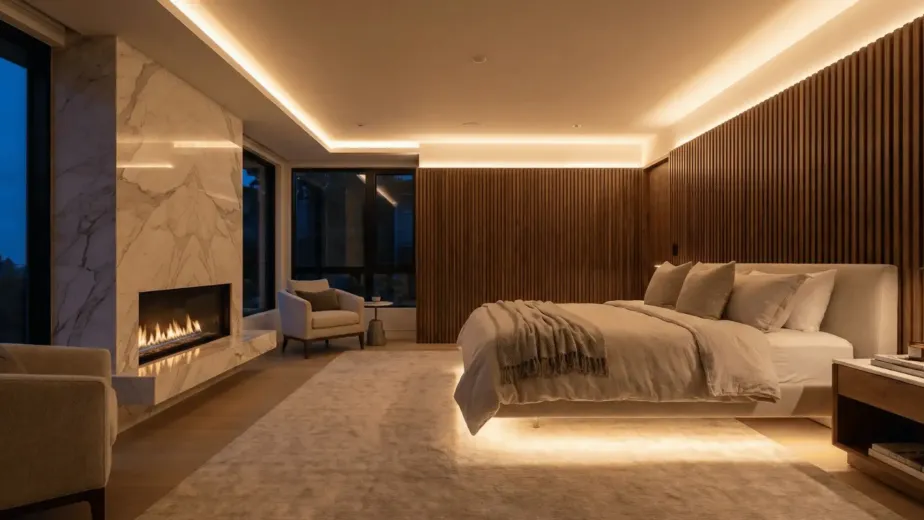
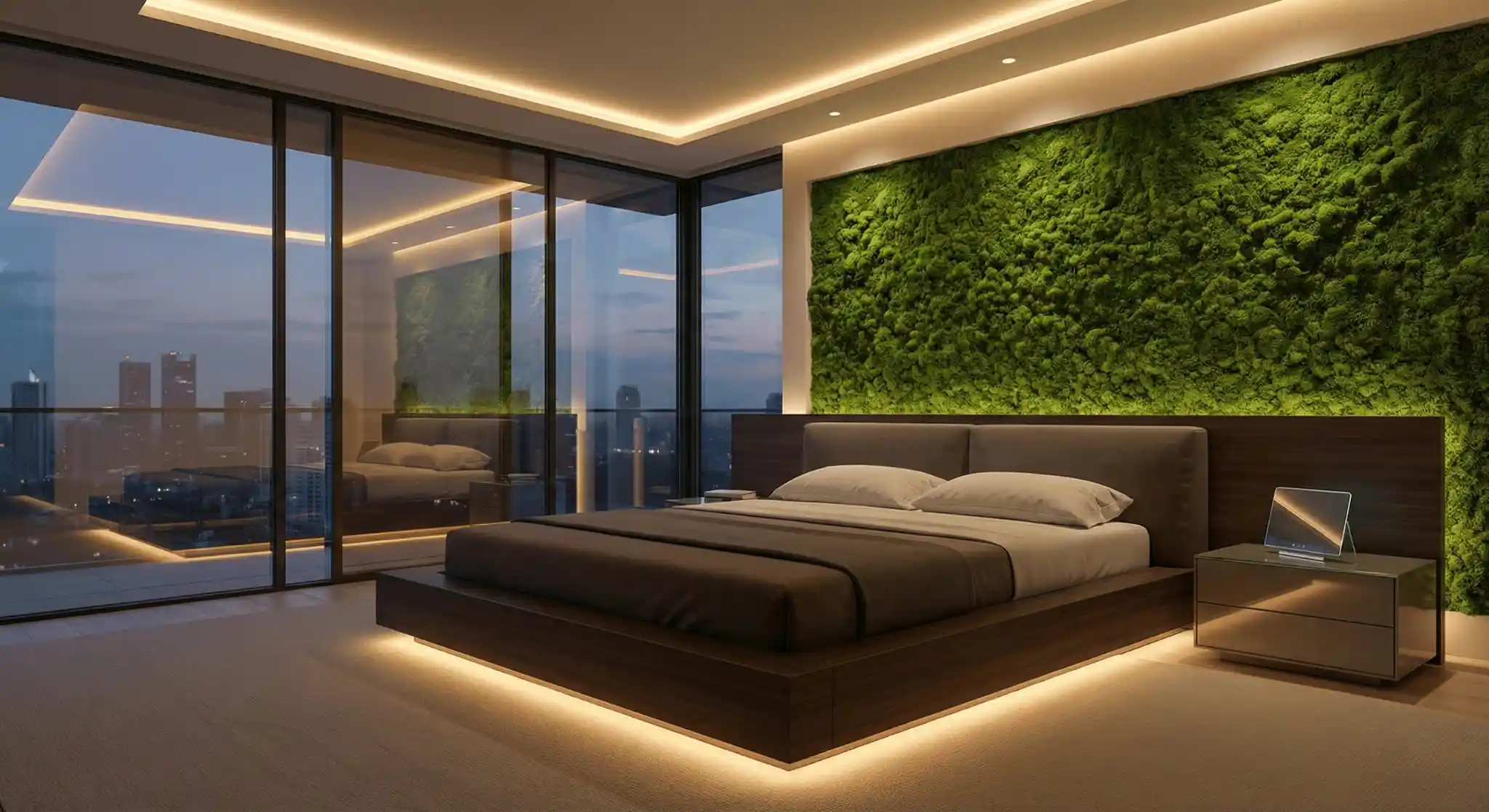
Two years ago, I visited a client in Seattle who could not sleep. Her bedroom was a graveyard of 2010-era design. Cold gray walls. Heavy curtains. A massive, clunky desk shoved into the corner. She felt anxious the moment she stepped inside. We stripped everything. We replaced the clutter with breathable linen, smart lighting, and a hidden workstation. Within three weeks, her sleep tracking data showed a thirty percent improvement in deep sleep.
Modern bedroom design is no longer just about looking good for social media. In 2026, it is about biological optimization and mental clarity. Your room must function as a recovery pod. If your space feels like a storage unit rather than a sanctuary, you are losing cognitive performance. This guide provides twenty-one actionable concepts to turn any bedroom into a high-performance modern retreat.
Executive Summary
Modern homes require a shift from purely aesthetic choices to functional wellness. You will find twenty-one distinct strategies ranging from biophilic integration to advanced smart home setups. We cover specific brands like Philips Hue for lighting and West Elm for sustainable furniture. Expect to see a focus on tactile materials, hidden technology, and space-saving layouts. These ideas help you maximize every square foot while maintaining a minimalist footprint. You will learn how to select VOC-free paints, choose the right acoustic panels, and implement circadian rhythms into your decor. This deep dive ensures your bedroom evolves with the trends of 2026 and beyond.
1. Integrated Biophilic Moss Walls
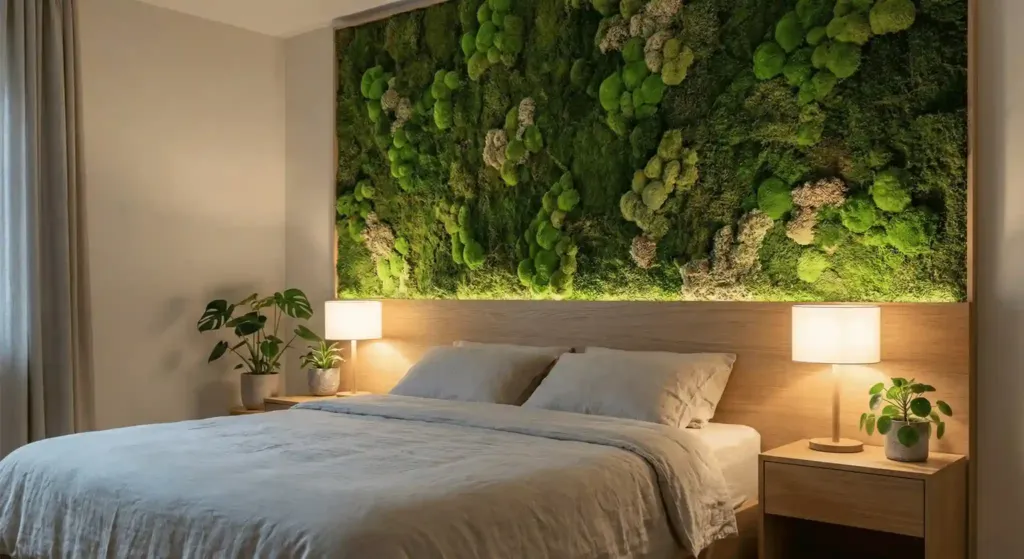
Nature belongs in the modern bedroom. I started seeing moss walls in high-end hotels around 2024. Now, they are a staple for residential spaces. These walls use preserved reindeer moss that requires zero water or sunlight. They act as natural sound absorbers. A client of mine installed a four-by-six-foot panel behind her headboard. The green texture instantly lowered the room’s visual temperature. It provides a focal point that feels alive without the maintenance of traditional plants. You can find high-quality panels from brands like Artisan Moss or Northgarden. These pieces cost roughly sixty dollars per square foot. They last for a decade.
2. Smart Circadian Lighting Systems
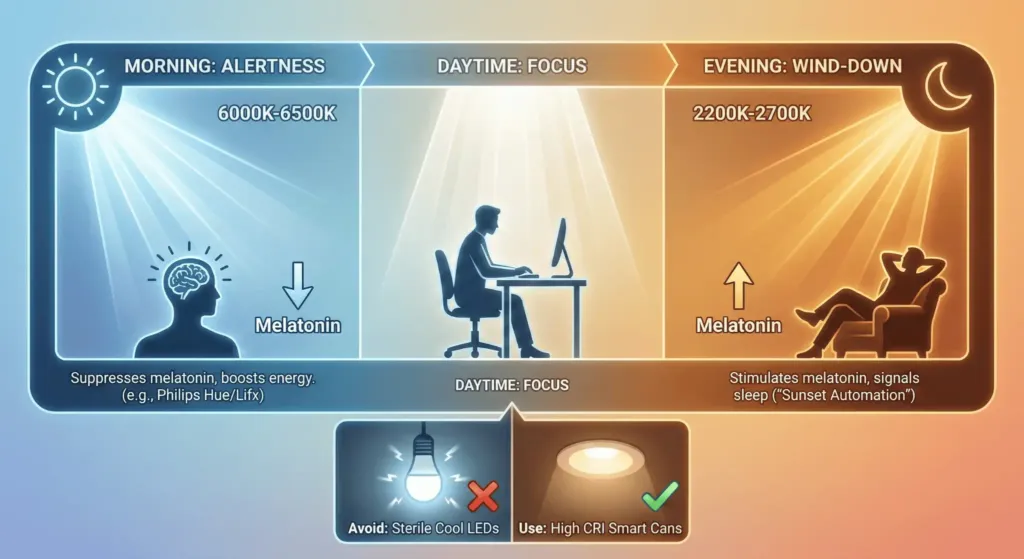
Standard light bulbs ruin your sleep. Modern homes now use systems that mimic the sun. In 2026, the Philips Hue Bridge 2.0 and Lifx bulbs are the industry standards. These lights transition from bright blue-toned white in the morning to warm amber in the evening. This shift regulates your melatonin production. I personally use the “Sunset” automation thirty minutes before bed. It signals my brain to wind down. Avoid the mistake of using cool white LEDs in the ceiling. They flicker and create a sterile, hospital-like atmosphere. Instead, install recessed smart cans with a high color rendering index.
3. Low-Profile Platform Beds with Hidden Storage
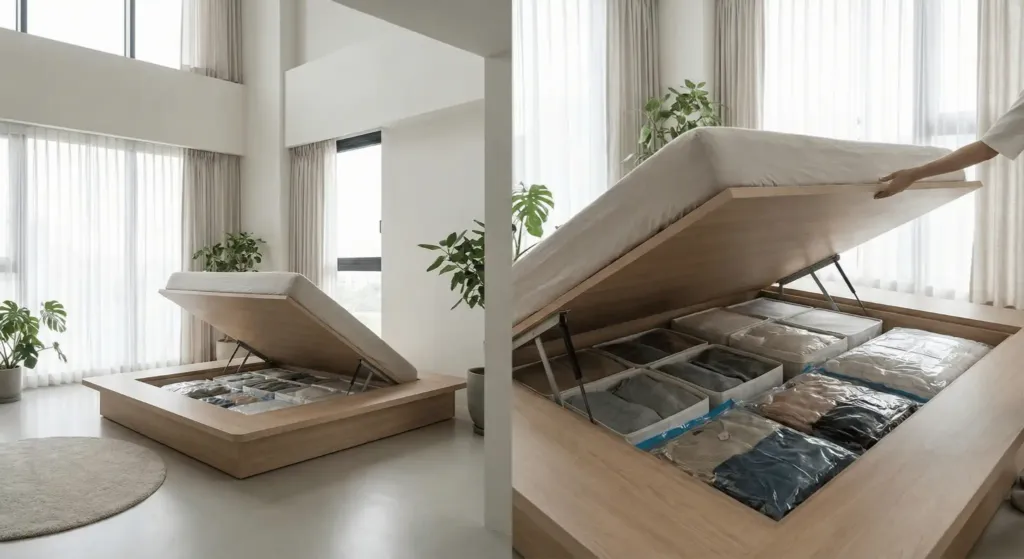
Vertical space is often wasted in modern apartments. A low-profile platform bed creates the illusion of higher ceilings. I recommend the Avery Bed from Joybird or the Malm series for a budget-friendly start. Look for models with integrated hydraulic lifts. These allow you to store off-season clothing or extra bedding under the mattress. Last summer, I helped a friend in a four-hundred-square-foot studio. We swapped his traditional frame for a storage platform. He gained twelve cubic feet of storage. It kept his floor clear. Clear floors lead to a clear mind.
4. Acoustic Slatted Wood Panels
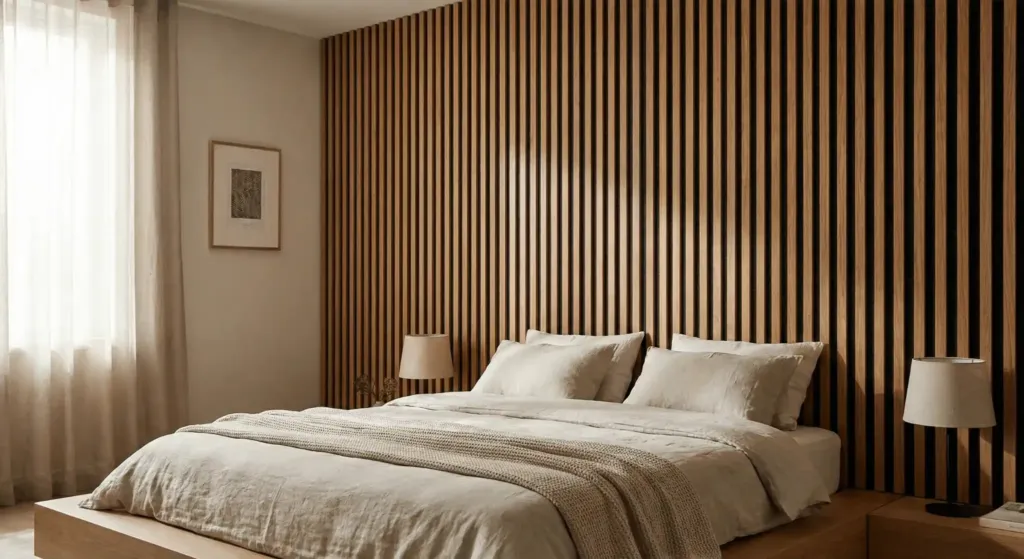
Hard surfaces in modern homes create Echo. This makes a bedroom feel cold and uninviting. Slatted wood panels solve this problem. Use oak or walnut slats over a black felt backing. Brands like Acupanel offer these in easy-to-install sections. I prefer placing them on the wall behind the bed. This adds depth and absorbs noise from neighboring rooms. One case study showed a five-decibel reduction in ambient noise after installing these panels in a city condo. They bridge the gap between industrial modernism and organic warmth.
5. Smart Glass Privacy Windows
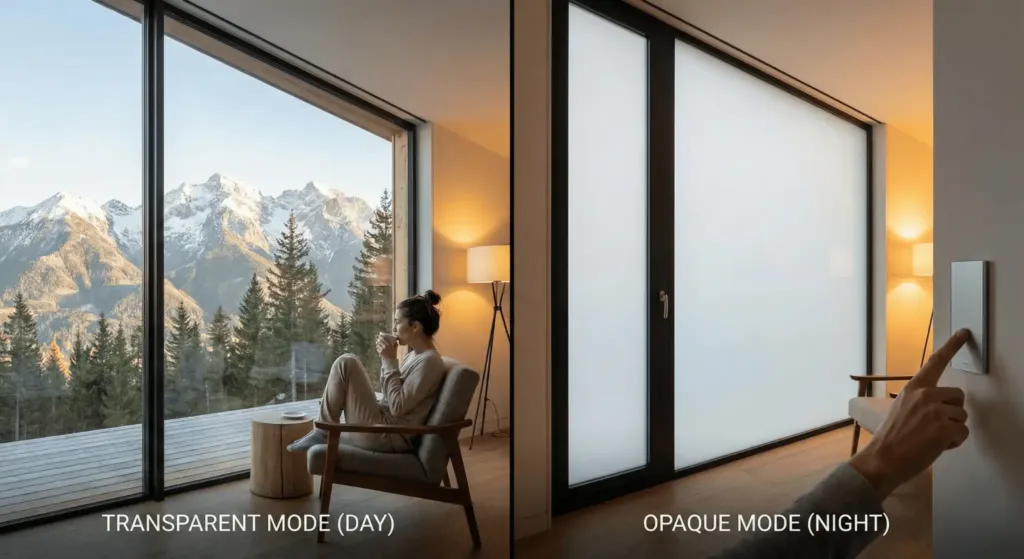
Curtains are often dust magnets. Modern design is moving toward smart glass. This technology uses a liquid crystal film that turns opaque at the flip of a switch. It allows natural light to enter while maintaining total privacy. While the initial cost is high—often eighty dollars per square foot—the look is unmatched. I saw this implemented in a mountain cabin project last year. The owners wanted the view during the day but total seclusion at night. Smart glass removed the need for bulky rods or fabric. It keeps the architectural lines of the window clean.
6. Monochromatic Layering of Textures
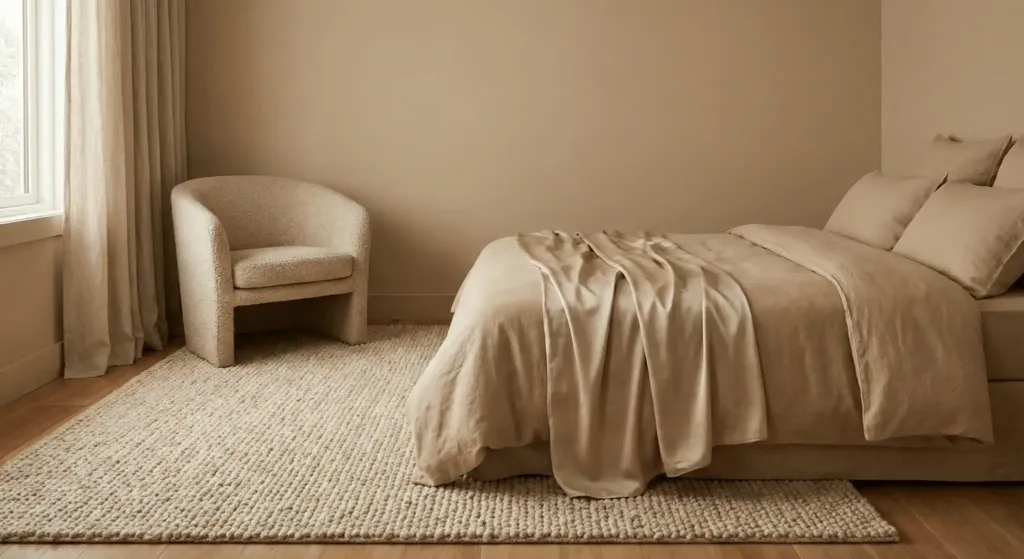
Grey is dead. In 2026, we use “Warm Minimalist” palettes. Pick one color, like sand or terracotta. Apply it in different textures. Use a matte paint on the walls. Add a chunky wool rug. Use a silk duvet cover. This creates depth without visual noise. I once designed a room using only shades of oatmeal. We used bouclé chairs and linen curtains. The room felt incredibly rich and expensive. It did not need a single “pop” of color. Stick to high-quality natural fibers to make this look work.
7. Floating Nightstands with Integrated Charging
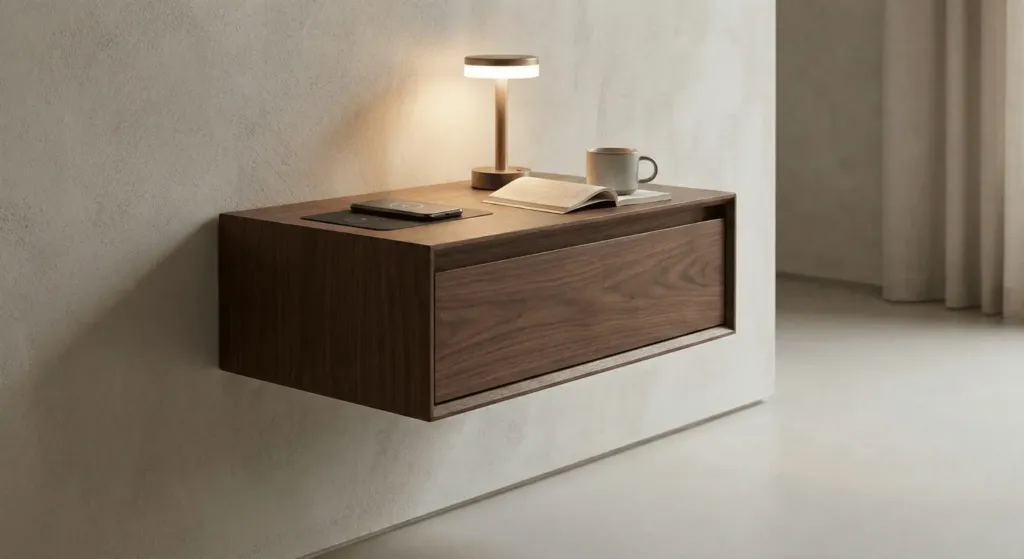
Cluttered nightstands are the enemy of peace. Floating units mount directly to the wall. This leaves the floor visible and makes cleaning easier. Choose models with built-in Qi wireless charging pads. This eliminates the “rat’s nest” of cables. I suggest looking at the integrated options from Resource Furniture. They offer sleek wooden boxes that look like they are hovering. This small change makes a room feel five years newer. It forces you to keep only the essentials within reach.
8. Zoned Lighting with Pendant Drops
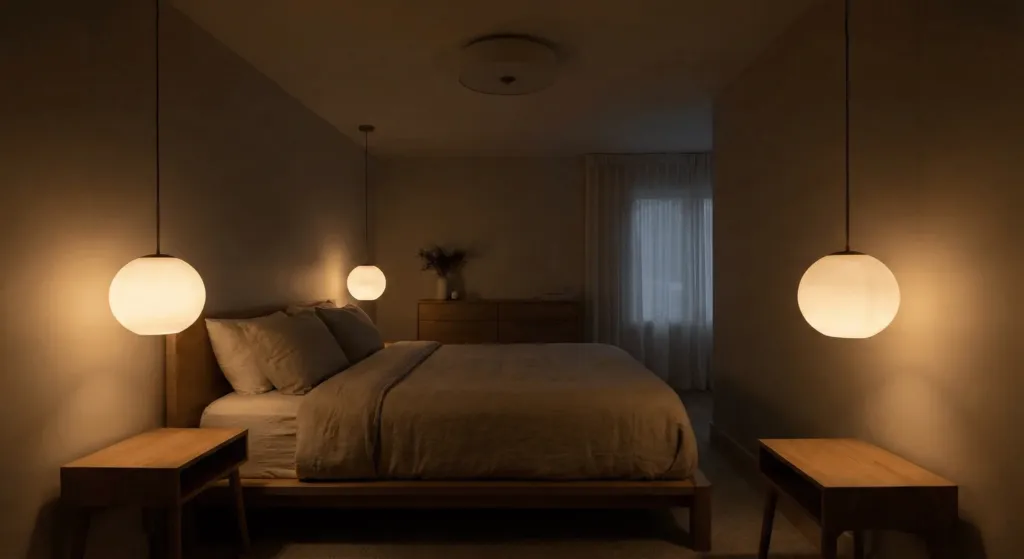
Stop using the “big light” in the center of the ceiling. It flattens the room. Modern bedrooms use zoned lighting. Install low-hanging pendants on either side of the bed. This replaces traditional lamps and saves table space. Use warm-toned bulbs. I recommend the Glo-Ball series by Jasper Morrison for a timeless look. This setup creates a cozy “bubble” of light around the bed. It makes the sleeping area feel distinct from the rest of the room. It is a simple electrical change that yields massive atmospheric results.
9. Sustainable Cork Flooring
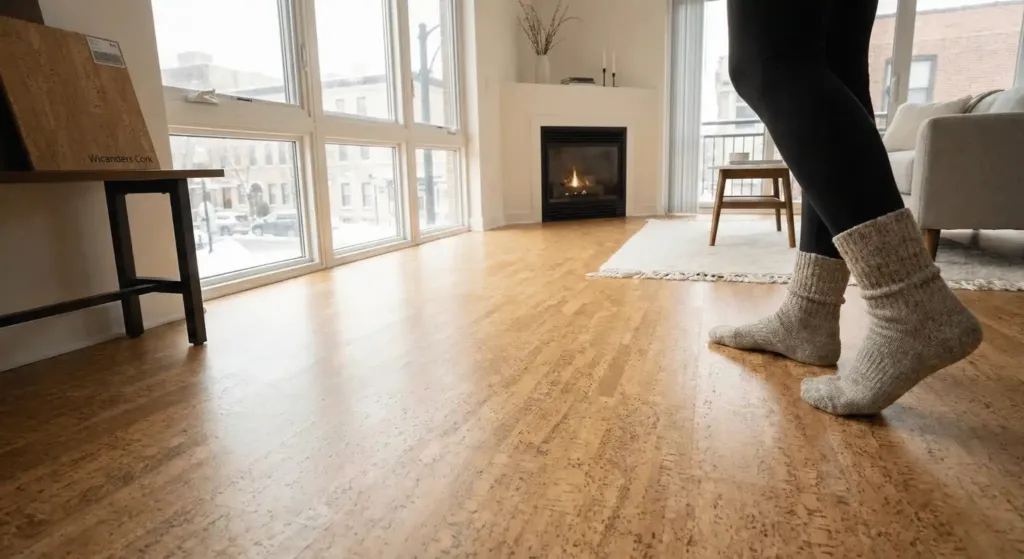
Most people choose hardwood or carpet. Cork is the superior modern choice for 2026. It is naturally antimicrobial and soft underfoot. It stays warm in the winter. A client in Chicago replaced his cold laminate with cork tiles from Wicanders. He noticed a significant drop in his heating bill. Cork is also a renewable resource. It comes from the bark of trees that are not cut down. It provides a unique, speckled pattern that fits perfectly with a minimalist aesthetic.
10. Hidden Home Office Nooks
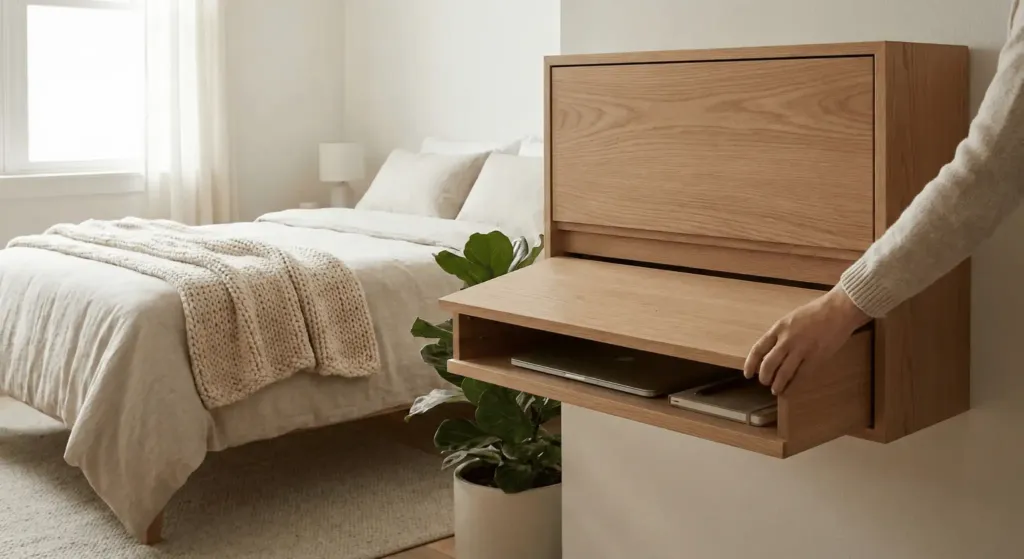
The work-from-home era changed the bedroom. But you should never see your desk from your bed. Use a “cloffice” or a fold-away desk. I use a wall-mounted drop-front desk in my guest room. When closed, it looks like a piece of art. When open, it provides a stable workspace. This separation is vital for mental health. You must be able to “shut down” your office at night. If you lack a closet, use a freestanding room divider. Brands like RoomDividersNow offer sleek, modern tension tracks that look built-in.
11. Curved Architectural Elements
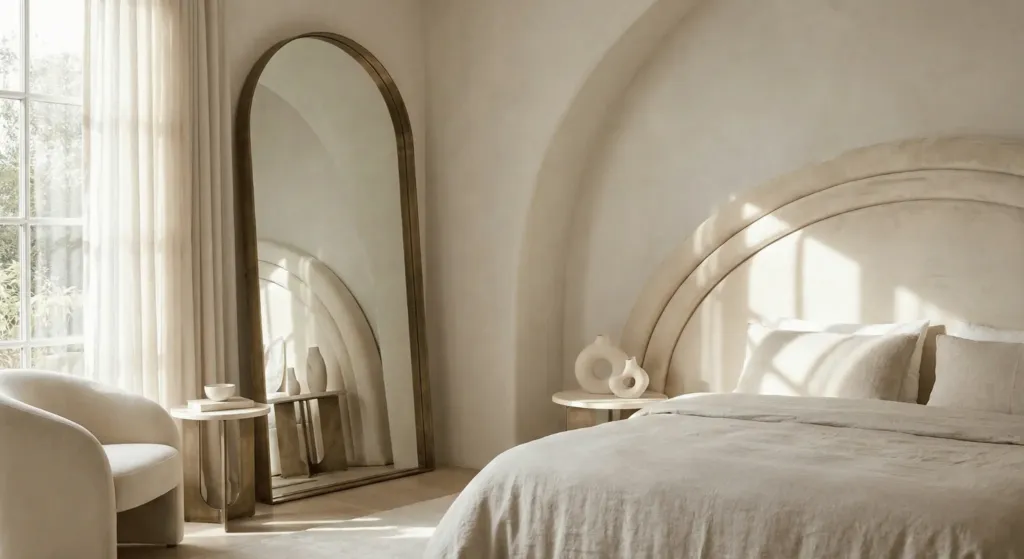
Sharp corners are out. Soft curves are in. This applies to bed frames, mirrors, and even wall corners. Use a large arched floor mirror to bounce light. I recommend the Selene Mirror from Anthropologie. Curves mimic natural shapes. They make a room feel more fluid and less rigid. In a recent project, we added a curved velvet headboard to a very “boxy” room. It immediately softened the space. It felt more like a cocoon.
12. Organic Cotton and Hemp Bedding
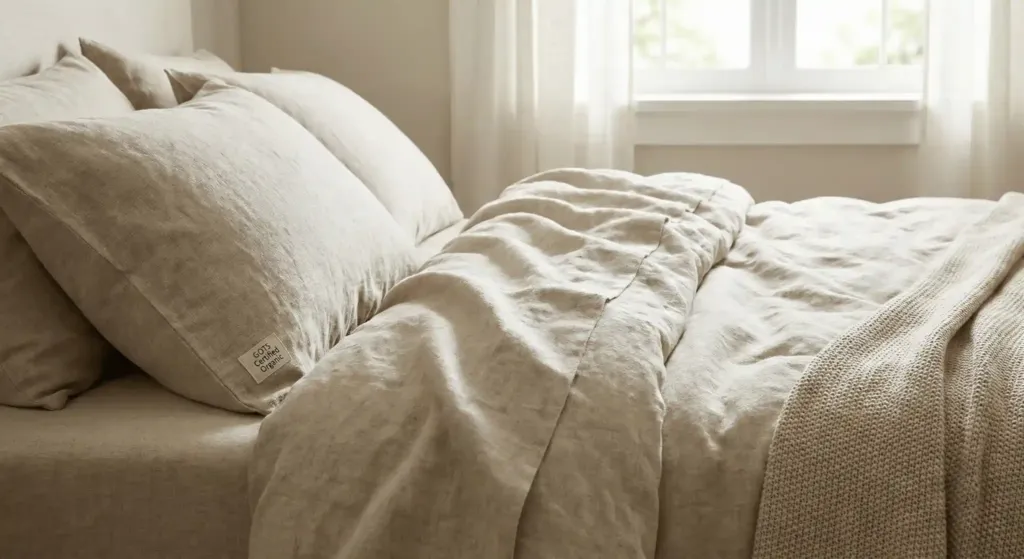
Your skin is your largest organ. Stop sleeping on polyester. Modern luxury is defined by material purity. Use GOTS-certified organic cotton or Belgian flax linen. Hemp is also gaining popularity in 2026 for its durability. I tested the Parachute Home linen set against a standard cotton set. The linen stayed ten degrees cooler during the summer. High-quality bedding lasts longer and improves sleep quality. It has a relaxed, rumpled look that defines modern comfort.
13. Metallic Accent Hardware
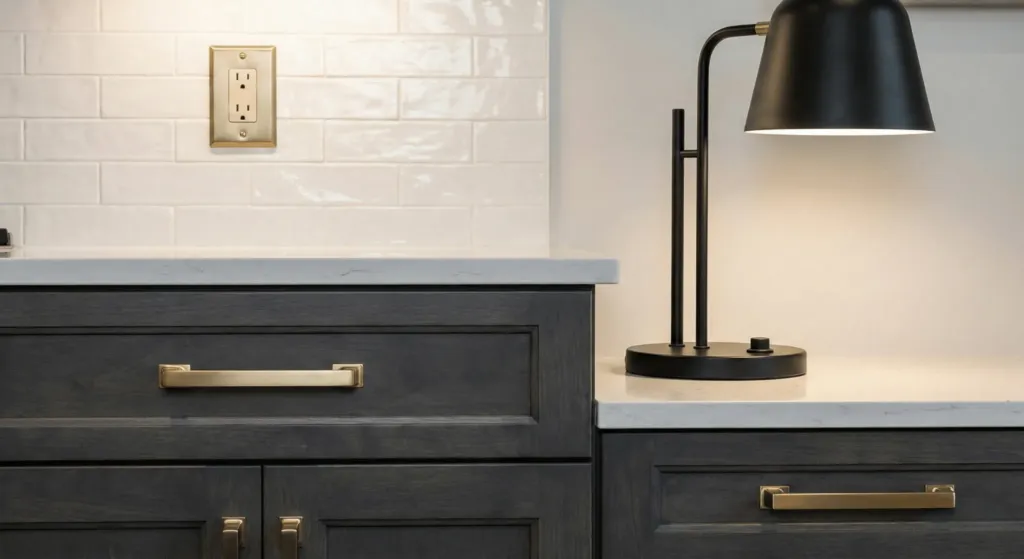
Small details matter. Swap your standard plastic outlet covers and door handles for brushed brass or matte black steel. Look at brands like Schoolhouse or Rejuvenation. These “touchpoints” provide a tactile sense of quality. I recommend matching all hardware in the room. If your lamps are black, your drawer pulls should be black. This creates a cohesive, professional look. It is an afternoon project that costs less than two hundred dollars but elevates the entire space.
14. Integrated Scent Systems
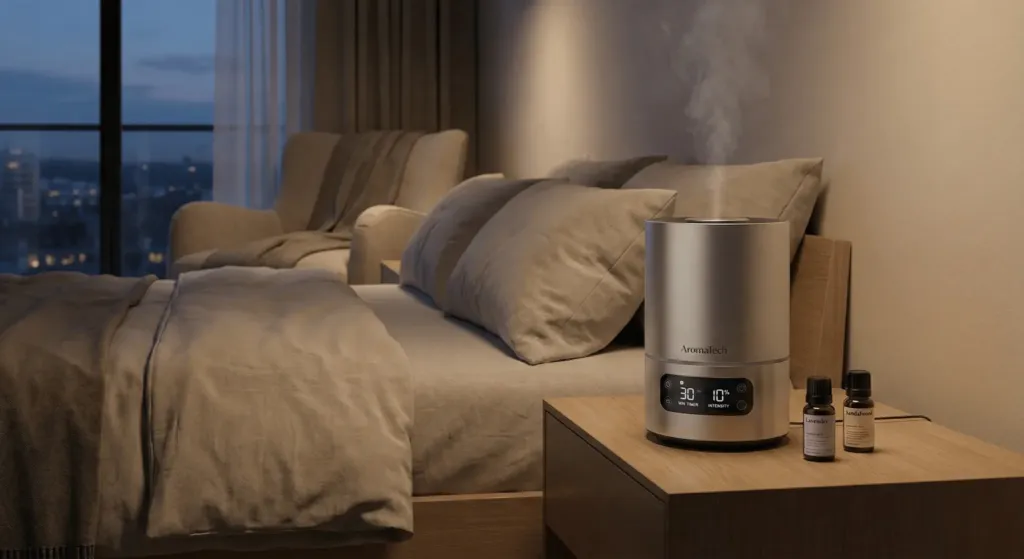
Modern design involves all five senses. Professional scenting is a major trend for 2026. Use a cold-air nebulizing diffuser like those from AromaTech. Unlike traditional diffusers, these do not use water. They turn essential oils into a dry mist. Program it to release lavender or sandalwood thirty minutes before your bedtime. I set mine to ten percent intensity. It creates a signature “house smell” that guests always notice. It transforms the bedroom into a spa-like environment.
15. Minimalist Gallery Walls with Uniform Frames
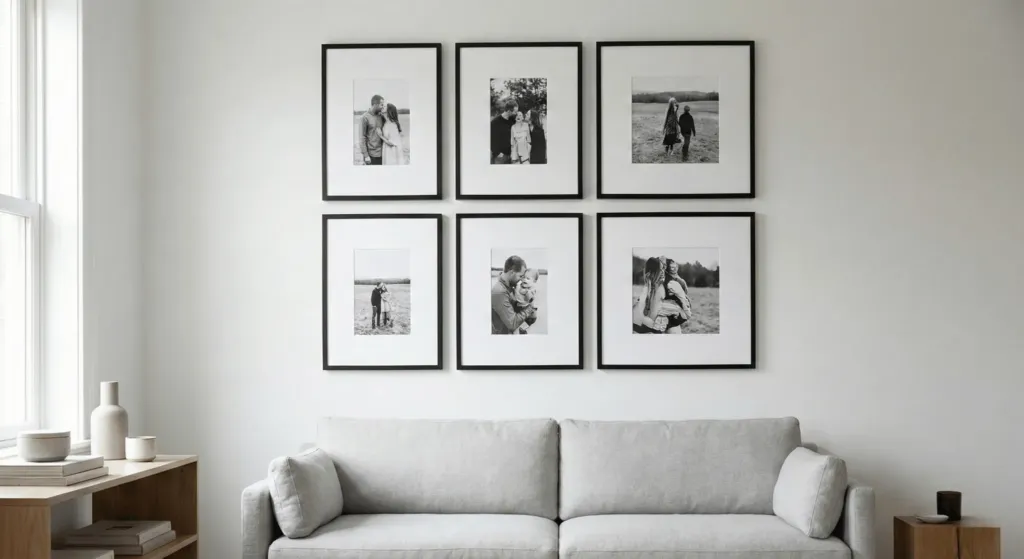
Personal art adds soul. But a messy wall adds stress. Use a grid layout for your photos. Use identical frames with wide white matting. This keeps the look modern and organized. I prefer black thin-profile frames from Framebridge. Limit the gallery to four or six pieces. Use black and white photography for a timeless feel. This allows you to display memories without cluttering the visual field. It acts as a sophisticated focal point.
16. Floor-to-Ceiling Sheer Drapery
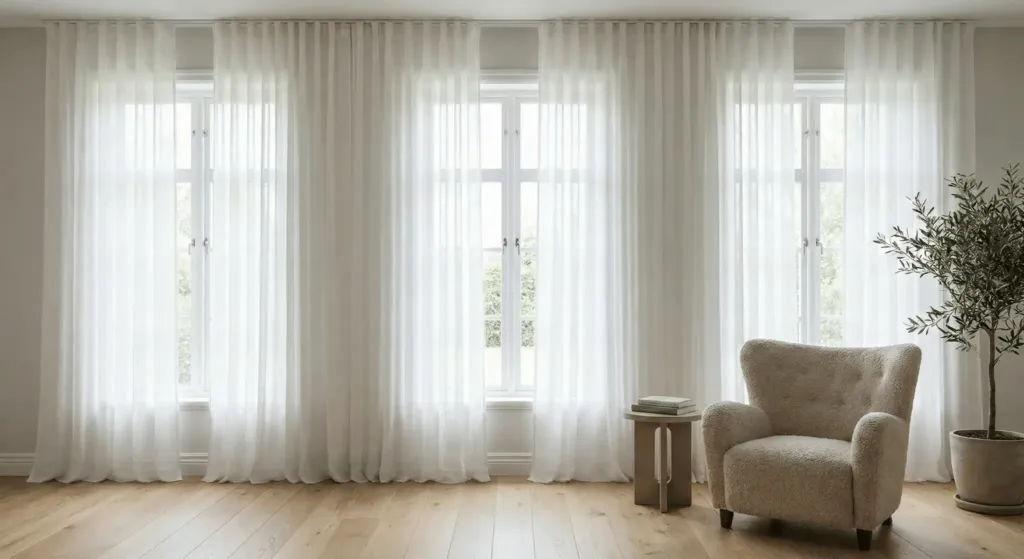
If you have windows, maximize them. Use sheer linen curtains that start at the very top of the wall. Let them “puddle” slightly on the floor. This adds height to the room. It filters sunlight into a soft glow. I recommend the Sanda sheer panels from IKEA for a budget-friendly option. For a premium look, use motorized tracks from Lutron. These can open automatically at sunrise. This helps wake you up naturally with light rather than a loud alarm.
17. Multi-Functional Bench Seating
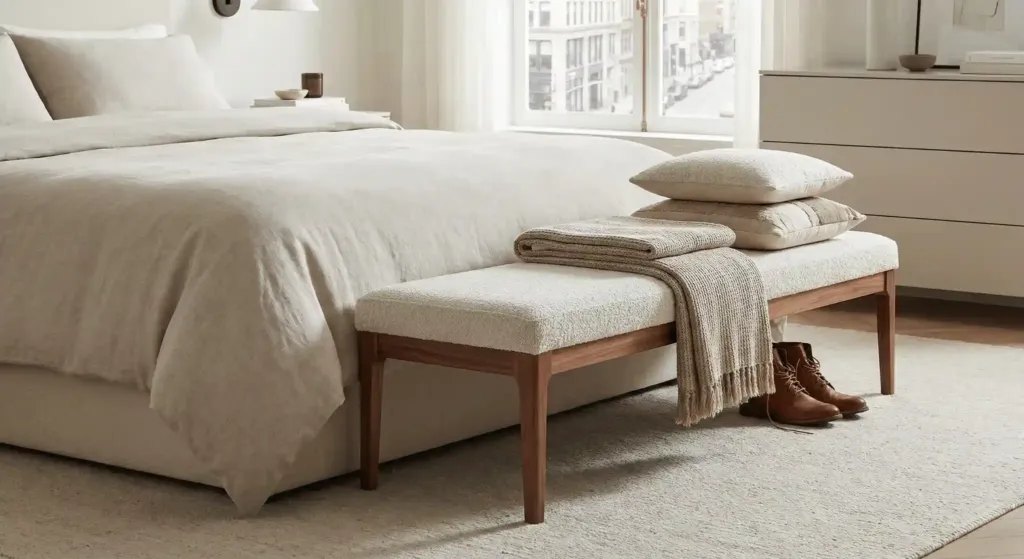
The end of the bed often feels empty. Add a slim, upholstered bench. This provides a place to put on shoes or lay out clothes. Look for models with a wood frame and a textured fabric top. I recently used a bouclé bench in a San Francisco remodel. It served as extra seating and a storage spot for decorative pillows at night. It grounds the bed and makes the room feel “finished.”
18. Zero-VOC Paint in Earth Tones
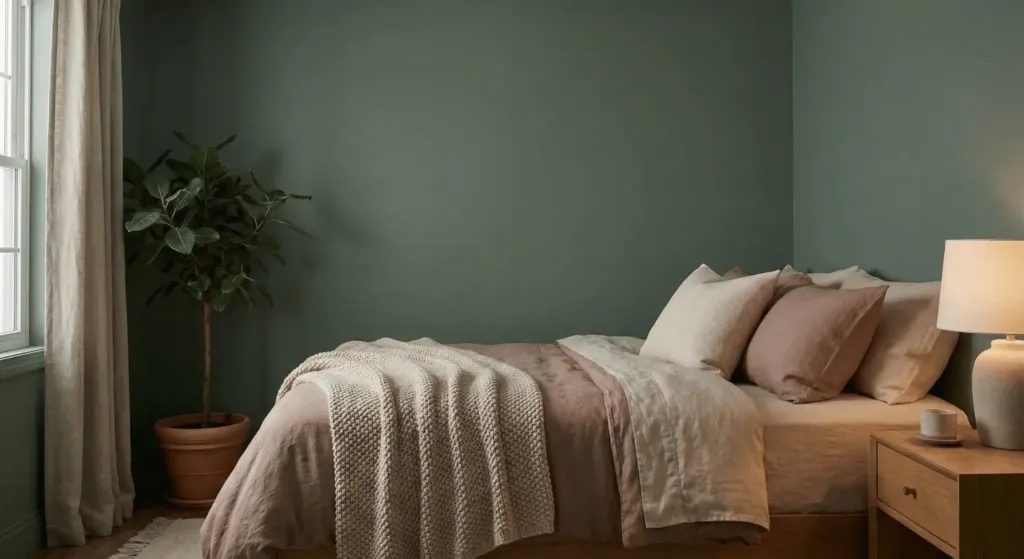
Air quality is a pillar of modern design. Traditional paints off-gas chemicals for years. Use zero-VOC brands like Clare or Farrow & Ball. For 2026, we are moving away from stark white. Choose “muted” tones like sage green, dusty rose, or deep navy. I painted a bedroom in Clare’s “Dirty Greens” last month. The dark color made the walls recede. It created a sense of immense depth and security. Dark colors in a bedroom actually make it easier to sleep.
19. Statement Ceilings

The ceiling is the “fifth wall.” Most people leave it white. Modern homes use it for impact. You can paint it a shade darker than the walls. You can also use a subtle textured wallpaper. I saw a project in Austin that used a light wood grain wallpaper on the ceiling. It felt like being in a high-end cabin. It draws the eye upward and adds an unexpected layer of luxury. Just ensure your lighting is adequate so the room does not feel like a cave.
20. Oversized Statement Mirrors
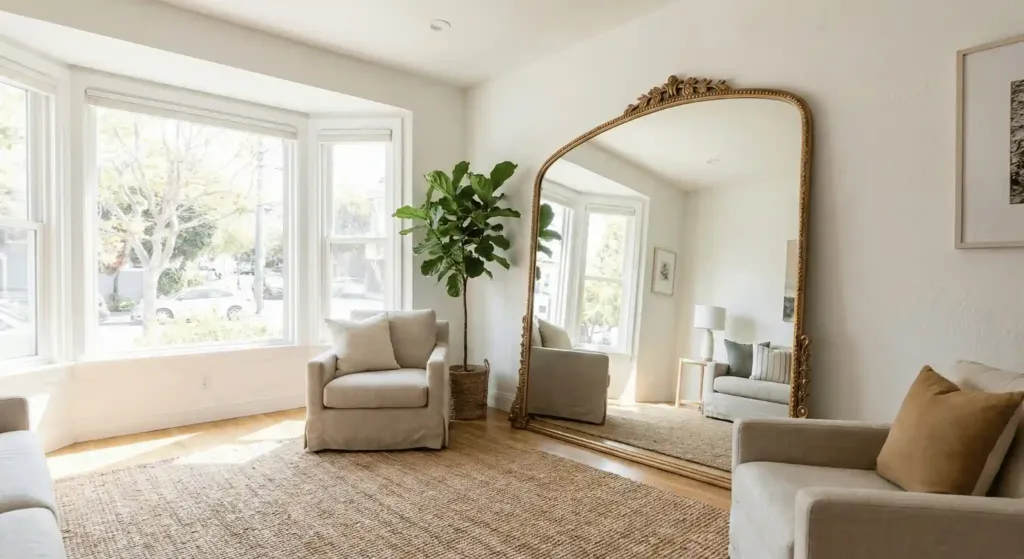
A large mirror is a cheat code for small rooms. Lean a seven-foot mirror against a wall opposite the window. This doubles the amount of natural light. It also creates a “portal” effect that makes the room feel twice as large. I suggest the Gleaming Primrose mirror for a classic-modern mix. Keep the frame simple if the rest of your decor is busy. It serves as both a functional tool and a piece of sculpture.
21. Integrated Bookshelf Headboards
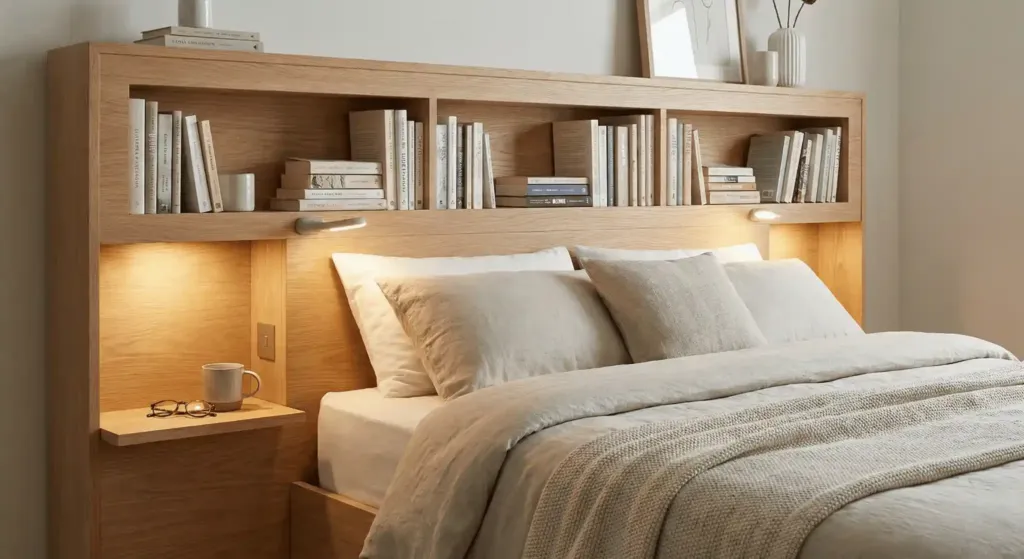
If you love to read, make your books part of the architecture. Custom-built headboards with recessed shelving are very popular in 2026. They replace the need for bulky bookcases elsewhere. I designed a unit for a client using light oak. We included dimmable reading lights built directly into the wood. It kept her favorite titles within reach but kept the room looking organized. It turns the bed into a dedicated “reading zone.”
Comparison Table: Modern Bedroom Materials
| Material | Pros | Cons | Best Use Case |
| Cork | Warm, quiet, eco-friendly | Can be dented by heavy furniture | High-traffic city apartments |
| Linen | Breathable, luxurious feel | Wrinkles easily | Bedding and window treatments |
| Slatted Wood | Excellent acoustics, organic look | Harder to clean dust | Accent walls behind the bed |
| Smart Glass | Total privacy, no dust | Expensive installation | Large floor-to-ceiling windows |
| Zero-VOC Paint | Healthy air, no odor | Slightly higher price per gallon | All walls and ceilings |
Troubleshooting Common Design Failures
The Room Feels “Cold” or “Sterile”
This usually happens when there is too much white and not enough texture. Add a high-pile rug or a wooden element. Use warm-toned bulbs instead of daylight bulbs.
The Space Is Too Small for a Queen Bed
Use a “floating” bed frame. Seeing the floor under the bed makes the room feel larger. Eliminate bulky nightstands and use wall-mounted shelves.
Lighting Is Either Too Bright or Too Dark
Install a dimmer switch on your main light. Layer your lighting. You need a bright light for cleaning, a medium light for dressing, and a soft light for sleeping.
FAQ: Modern Bedroom Design
What is the biggest bedroom trend for 2026?
Biological optimization. This means using tech and materials that improve sleep and air quality. Think circadian lighting and air-purifying plants.
How do I make a modern bedroom feel cozy?
Use “Warm Minimalism.” Stick to a neutral palette but use many different textures like wool, linen, and wood. Avoid sharp, industrial metals.
Are rugs necessary in a modern bedroom?
Yes. Rugs ground the bed and provide acoustic dampening. A rug should extend at least 24 inches beyond the sides of the bed.
What color is best for sleep?
Muted, dark tones like navy, sage, or charcoal are best. They reduce light bounce and signal the brain that it is time for rest.
How much does a modern bedroom remodel cost?
A basic refresh with paint and bedding costs $500 to $1,000. A full remodel with smart tech and new furniture usually ranges from $5,000 to $15,000.
Can I mix different wood tones?
Yes. In 2026, “perfectly matched” sets are considered dated. Keep the undertones similar. Do not mix a “yellow” oak with a “red” cherry.
What is the best way to hide TV cables?
Run them through the wall or use a sleek cable management box. Better yet, use a “Frame TV” that looks like art when it is off.
Should I have a desk in the bedroom?
Only if it can be hidden. Seeing work tasks from your bed increases cortisol levels. Use a closet conversion or a folding desk.
Conclusion
Creating a modern bedroom in 2026 is about more than just furniture. It is an investment in your daily recovery. By using these twenty-one ideas, you can build a space that looks like a high-end gallery but feels like a warm sanctuary. Start with the lighting and the bed. Those are your highest ROI areas. Then, layer in textures and smart technology. Your bedroom should be the place where the world’s noise stops.