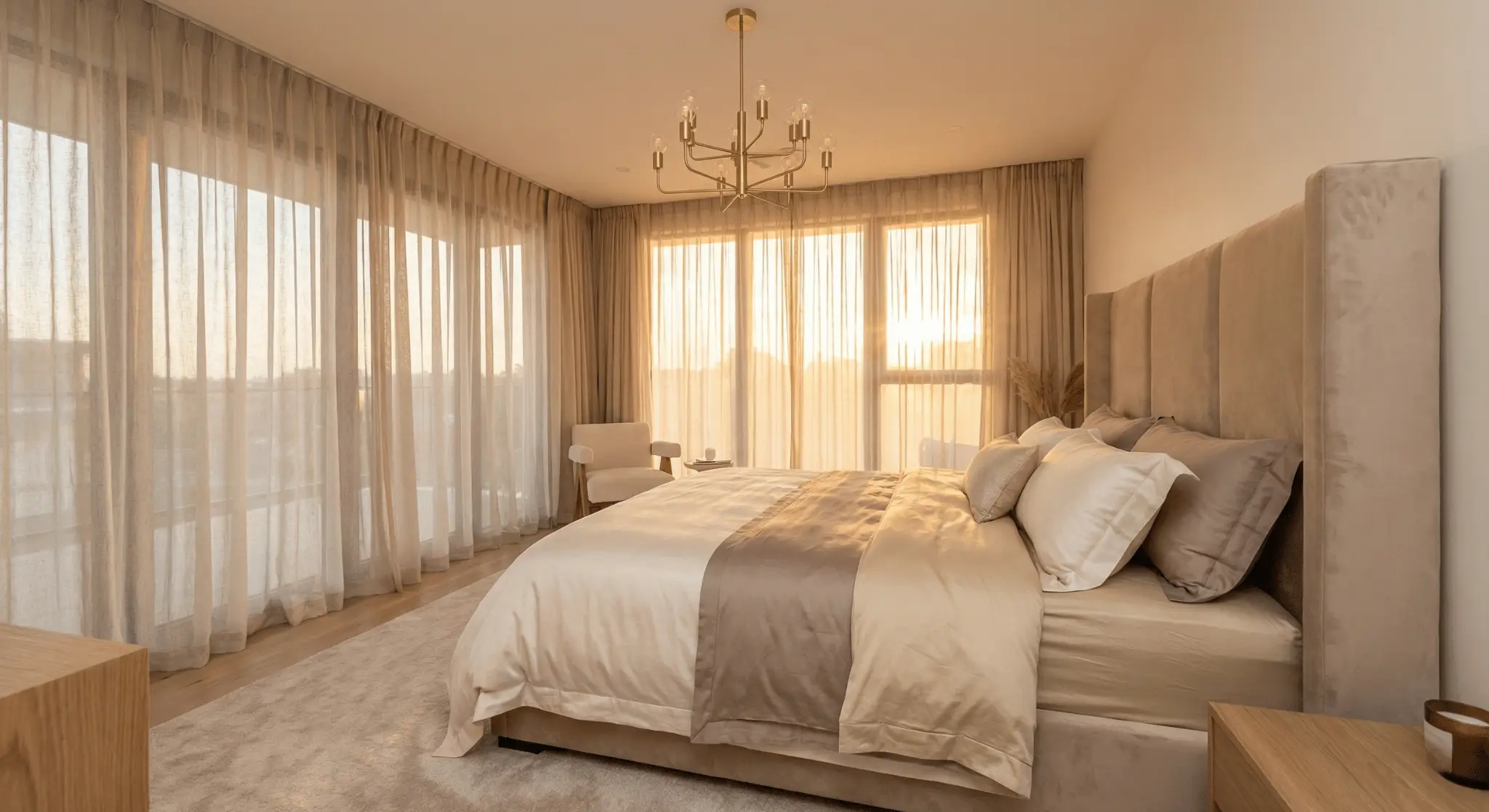
I remember standing in my first master suite renovation in early 2023. The client had spent sixty thousand dollars on Italian marble and custom silk. Yet the room felt cold. It felt like a lobby. That was the day I realized elegance is not about the price tag. Elegance is a feeling of quiet confidence. It is the absence of noise.
In 2026, we see a shift away from flashy luxury. People want “quiet wealth” in their private spaces. You want a room that hugs you after a long day of digital meetings. You want textures that feel real. You want a layout that makes sense for your morning routine.
This guide moves past basic advice. I will share the exact frameworks I use to transform sterile spaces into soulful retreats. We will look at light, sound, and touch. These are the pillars of true elegance.
Executive Summary
You will learn how to build a high-end bedroom without making it look like a showroom. We cover twenty-one specific tactics. These range from hidden tech to custom millwork. I include a case study on a small-space luxury win. You will see why many people fail by over-decorating. We look at brands like Lutron and Restoration Hardware. I provide a cost breakdown for different tiers of design. By the end, you will have a roadmap for a room that stays stylish for decades.
1. Monochromatic Color Layering
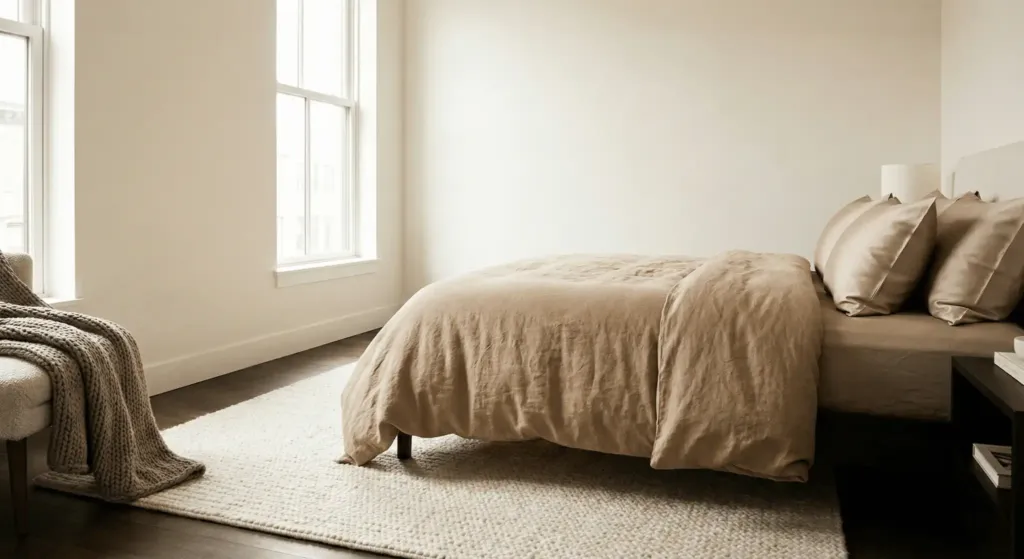
Most people think monochromatic means boring. They pick one shade of gray and stop. This makes a room look flat. True elegance comes from using five different versions of the same tone. I call this the “Oatmeal Method.”
Use a warm white on the walls. Add a cream wool rug. Put a tan linen duvet on the bed. Finish with sand-colored silk pillows. This creates depth without visual clutter. It calms the brain immediately. Last year, I used this for a client in Seattle. We used only shades of taupe. The room felt larger and more expensive without changing the furniture.
2. Integrated Lighting Automation
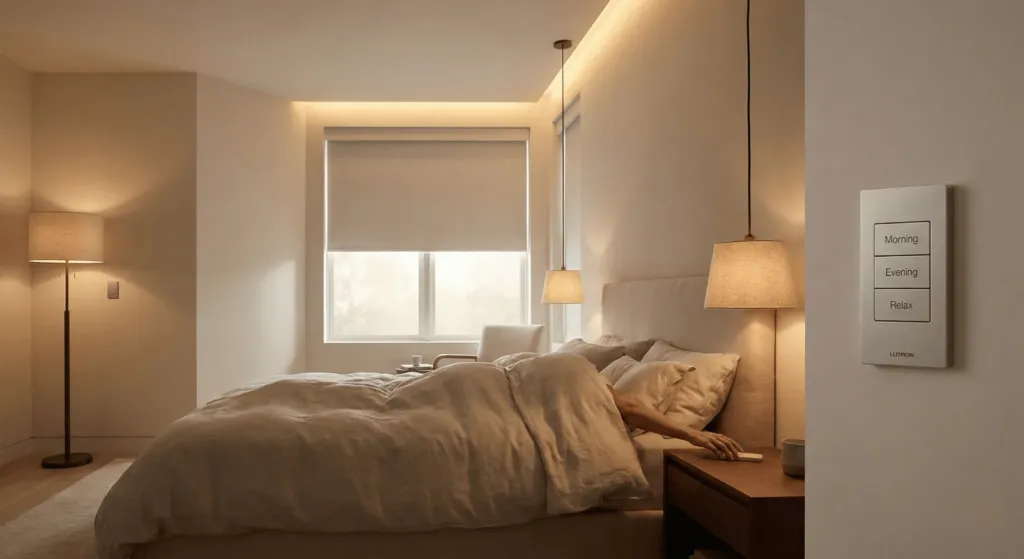
Nothing kills a mood faster than a bright overhead light. I always tell my clients to hide the switches. Use a system like Lutron Palladiom. You can set a “Morning” scene. The lights fade up slowly over ten minutes. The shades open at the same time.
This is not just for tech fans. It is for anyone who hates fumbling for a lamp in the dark. Elegant rooms have layers. You need floor lamps, bedside pendants, and soft cove lighting. Avoid “boob lights” on the ceiling at all costs.
3. Oversized Headboard Statements
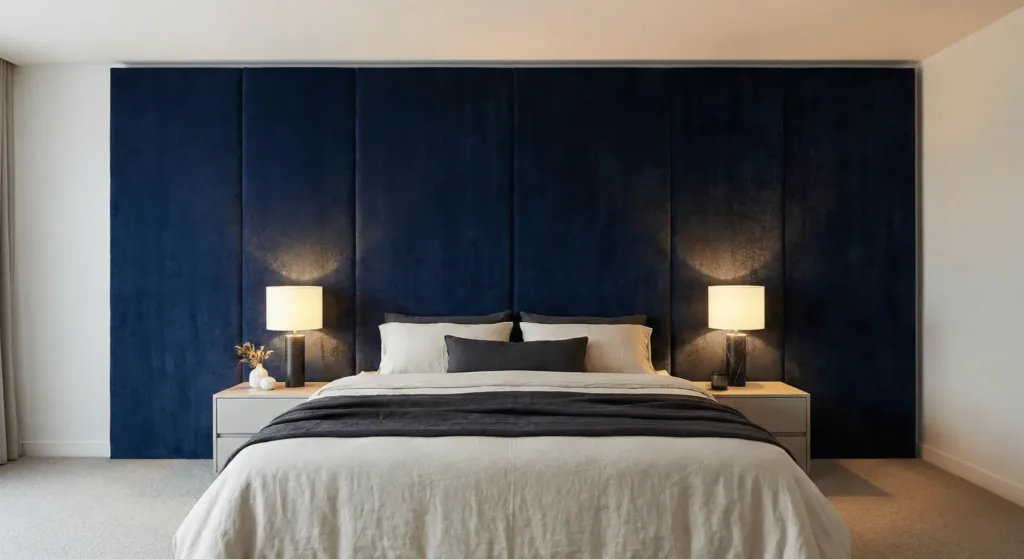
Small headboards look cheap. They look like an afterthought. An elegant room needs a focal point. I prefer floor-to-ceiling upholstered panels. This acts as both furniture and soundproofing.
In a recent project, we used a navy mohair fabric for a ten-foot-wide headboard. It absorbed the echoes in the room. It made the king-sized bed look grounded. If you are on a budget, buy a standard headboard but mount it higher on the wall. It tricks the eye into seeing more height.
4. Hidden Technology Solutions
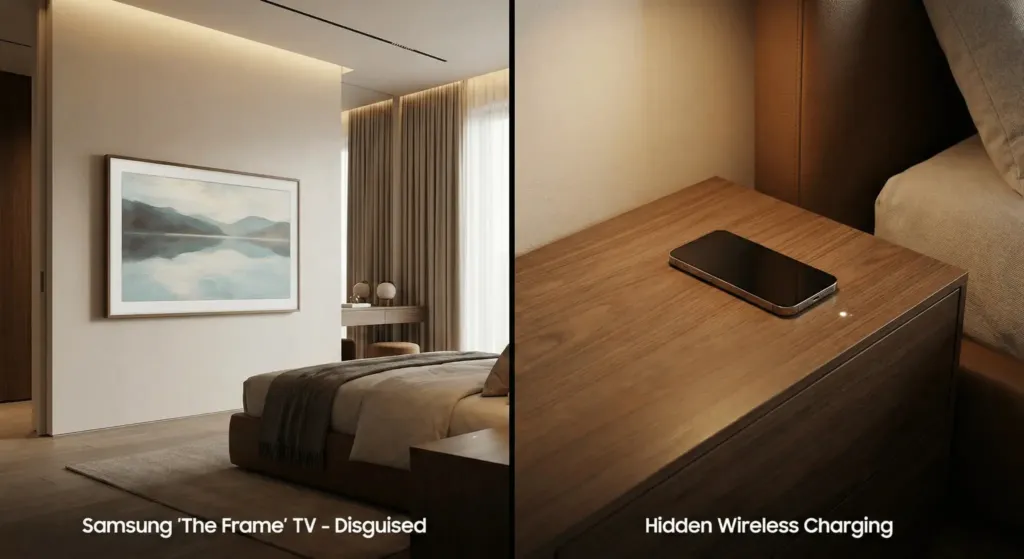
A television is the enemy of an elegant bedroom. If you must have one, hide it. I use “The Frame” by Samsung often. It looks like art when off. Better yet, use a drop-down projector hidden in the ceiling.
Your phone charger should not be visible. I install wireless charging pads under the nightstand surface. You just lay your phone on the wood. No wires. No mess. This small change removes the “office” feel from your sleep space.
5. High Thread Count Organic Linens
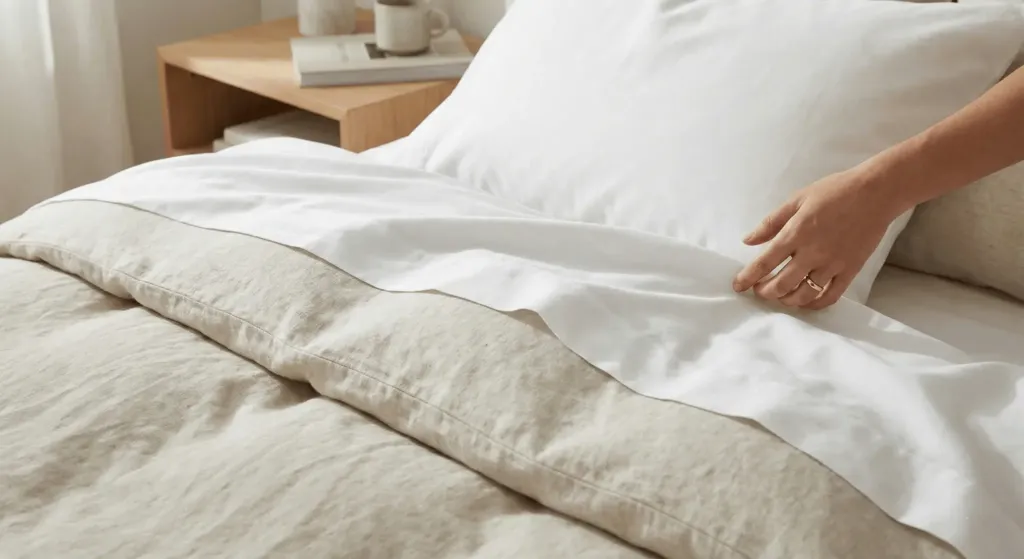
Stop buying polyester blends. They trap heat and pill after three washes. Elegance starts with what touches your skin. I recommend 800-thread-count Egyptian cotton or heavy Belgian linen.
Brands like Sferra or Frette are the gold standard. Yes, they cost more. But they last ten years. I once bought a cheap set for a guest room. They felt like sandpaper after a month. I felt embarrassed when my parents stayed over. Invest in your sleep. It is the ultimate luxury.
6. Custom Perimeter Millwork
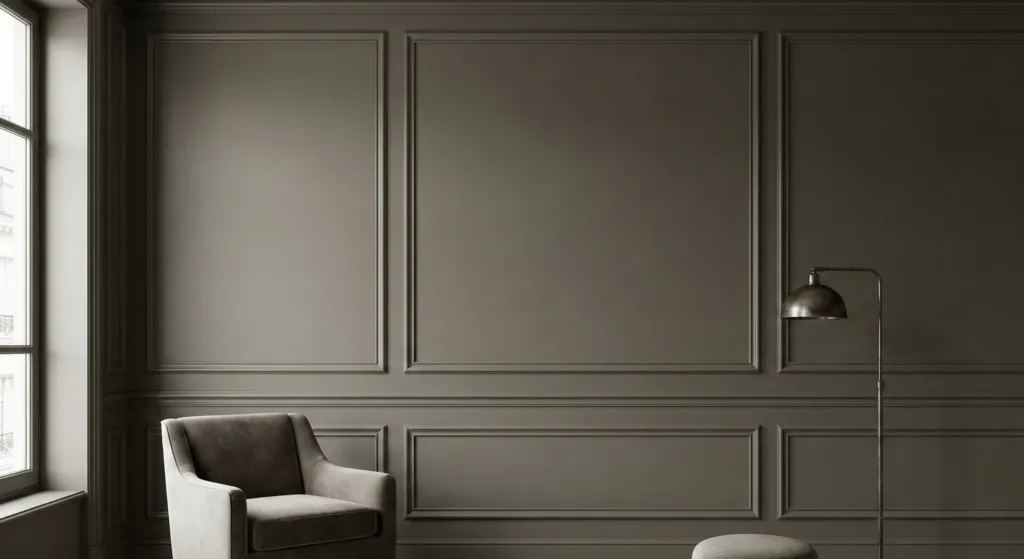
Wall moldings add instant history to a room. Even a new build can look like a Paris apartment with the right trim. I use picture frame molding to create rhythm.
It breaks up large, empty walls. Paint the trim the exact same color as the wall. Use a satin finish for the trim and matte for the flat surfaces. This creates a subtle play of light. It is a trick that high-end hotels use to make rooms feel “solid.”
7. Natural Stone Accents
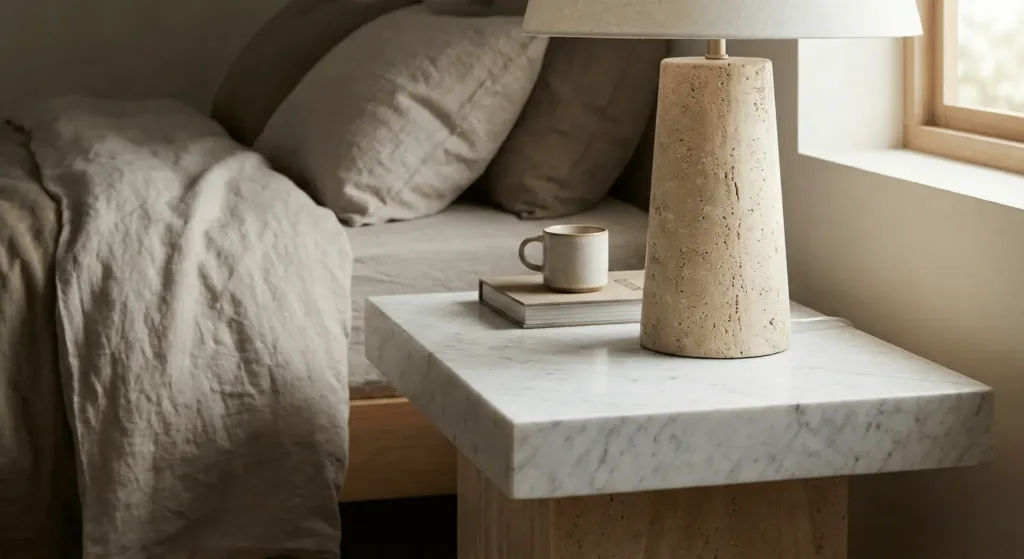
Plastic and cheap veneers fail over time. Use real stone. A small marble top on a nightstand feels cool to the touch. It has weight. It has soul.
I love using travertine for lamp bases. The porous texture contrasts well with soft bedding. Avoid faux marble stickers. They peel at the edges. One real piece of stone is better than ten fake ones.
8. Floor to Ceiling Window Treatments
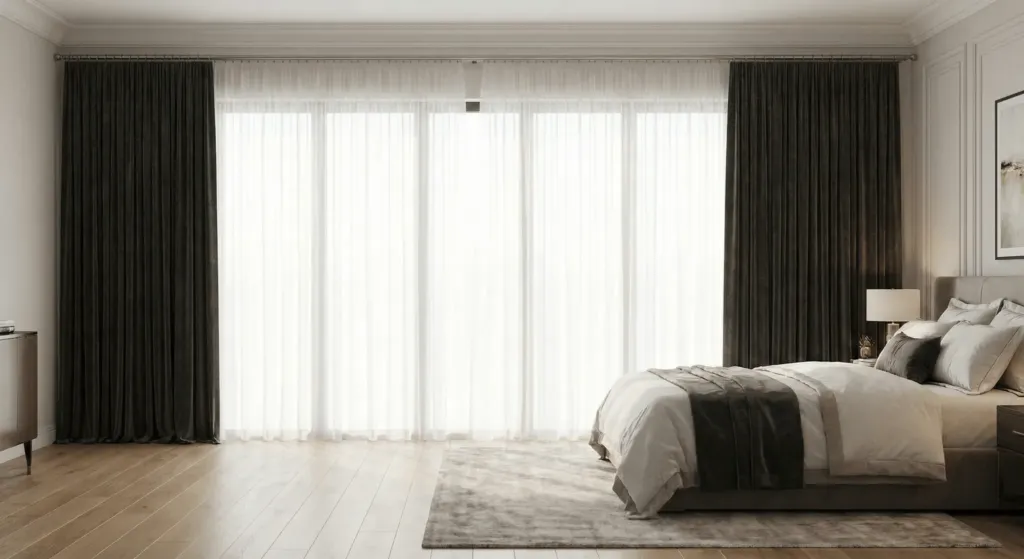
Never buy “short” curtains. They make your ceiling look low. Always hang your rod as close to the ceiling as possible. Let the fabric “puddle” slightly on the floor.
Use a double track. One layer for sheers to let in light. One layer of blackout velvet for sleep. This creates a “hotel suite” effect. I suggest brands like The Shade Store for custom fits. They help with the measuring, which is where most people fail.
9. Scent Branding the Space
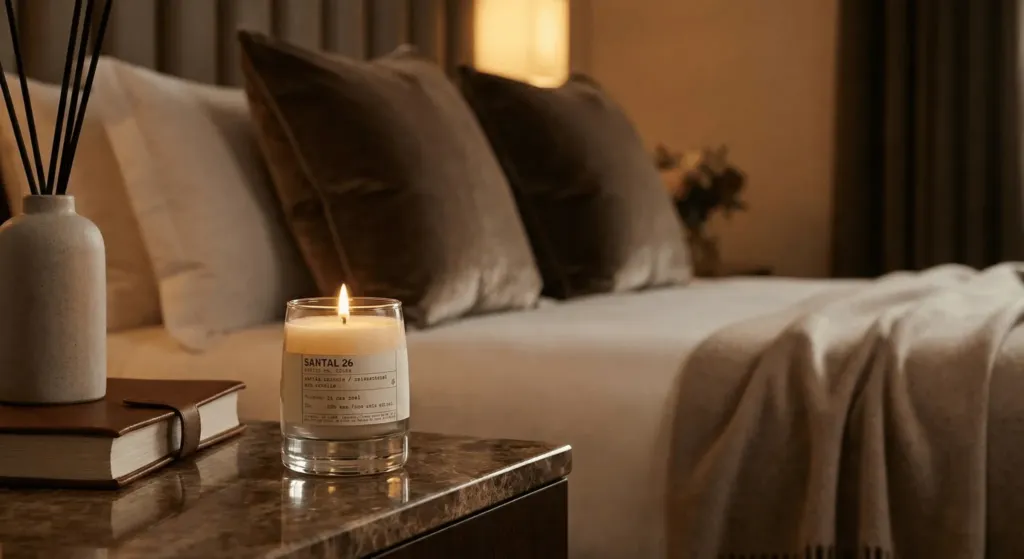
Elegance is not just visual. It is olfactory. An elegant bedroom should have a signature scent. Avoid cheap aerosol sprays. They smell like chemicals.
Use a stone diffuser or a high-end candle. I swear by Le Labo Santal 26. It smells like old books and expensive leather. It sets a mood before you even sit down. My clients often tell me the scent is their favorite part of the room.
10. Curated Vintage Finds
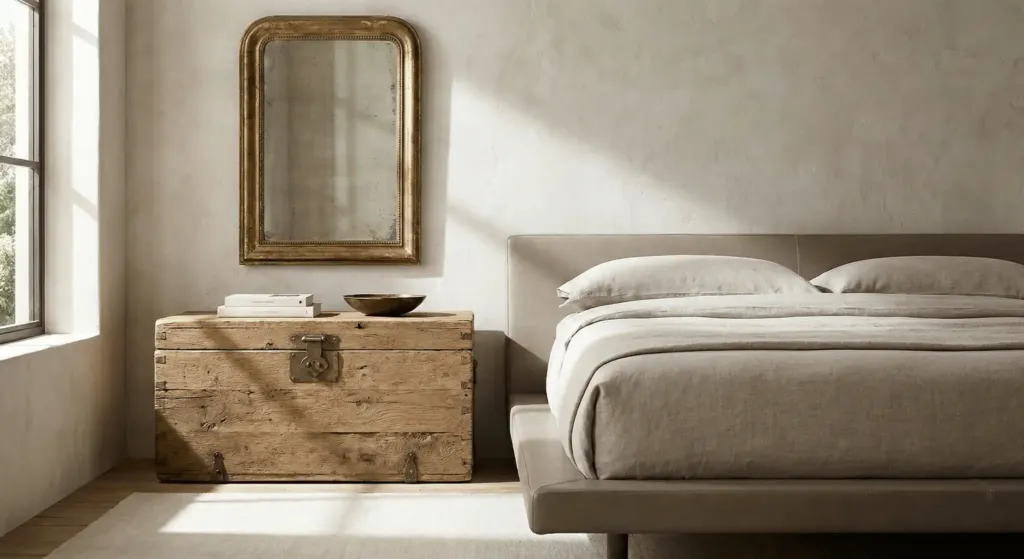
A room where everything is brand new feels like a catalog. It lacks personality. You need one piece with a history. Maybe a 1950s wood chair or a brass mirror from a flea market.
I found an old oak chest for a client last summer. We sanded it down and kept the raw wood look. It sat next to a modern Italian bed. That contrast is what makes a room look “designed” rather than “bought.”
11. Strategic Rug Layering
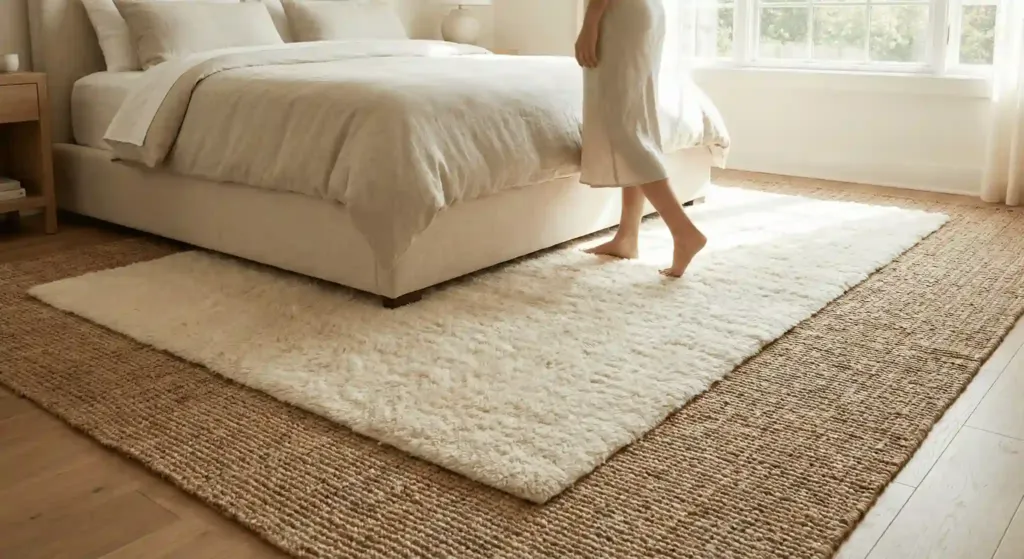
One rug is often not enough. For a large master suite, I layer a plush wool rug over a larger sisal or jute base. The jute provides texture. The wool provides comfort underfoot.
Make sure the rug goes at least three feet past the bed on all sides. You want your feet to hit a soft surface when you swing out of bed. Cold hardwood is a bad way to start a day.
12. Minimalist Nightstand Styling
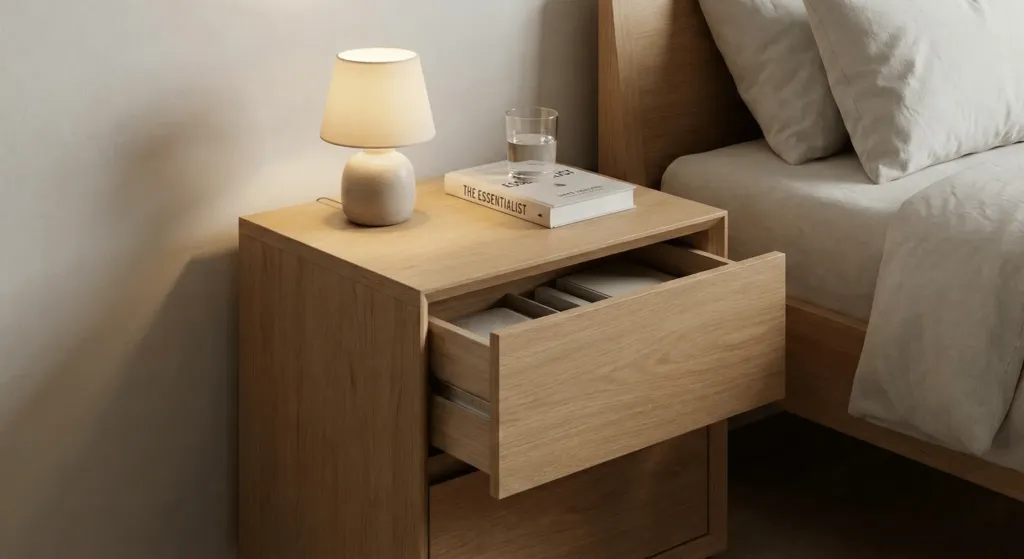
Clutter is the death of elegance. Your nightstand should hold three things: a lamp, a book, and a glass of water. Move the pile of mail and the half-empty lotion bottles to a drawer.
I prefer nightstands with deep drawers. This hides the chaos. If you have no drawers, use a decorative tray to corral small items. A tidy space leads to a tidy mind.
13. Statement Ceiling Architecture

We often call the ceiling the “fifth wall.” Most people just paint it white. That is a missed chance. I like adding wood slats or a soft plaster finish like Roman Clay.
A tray ceiling with hidden LED strips creates a warm glow at night. It makes the room feel like a sanctuary. I did this in a high-rise condo in Miami. It changed the whole vibe of the room at sunset.
14. Ergonomic Seating Nooks
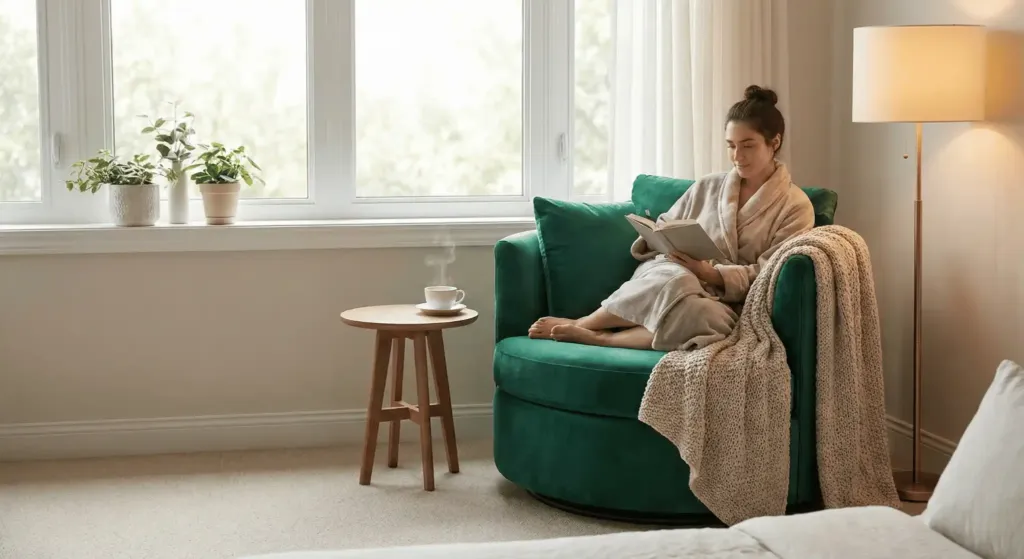
If you have space, add a chair. Not a chair for laundry. A chair for reading. A velvet swivel chair or a small chaise longue makes the bedroom more than just a place to sleep.
It becomes a private lounge. I use this space for my morning coffee. It helps me wake up before I face the rest of the house. Look at brands like Maiden Home for chairs that look like art but feel like clouds.
15. Metal Finish Consistency
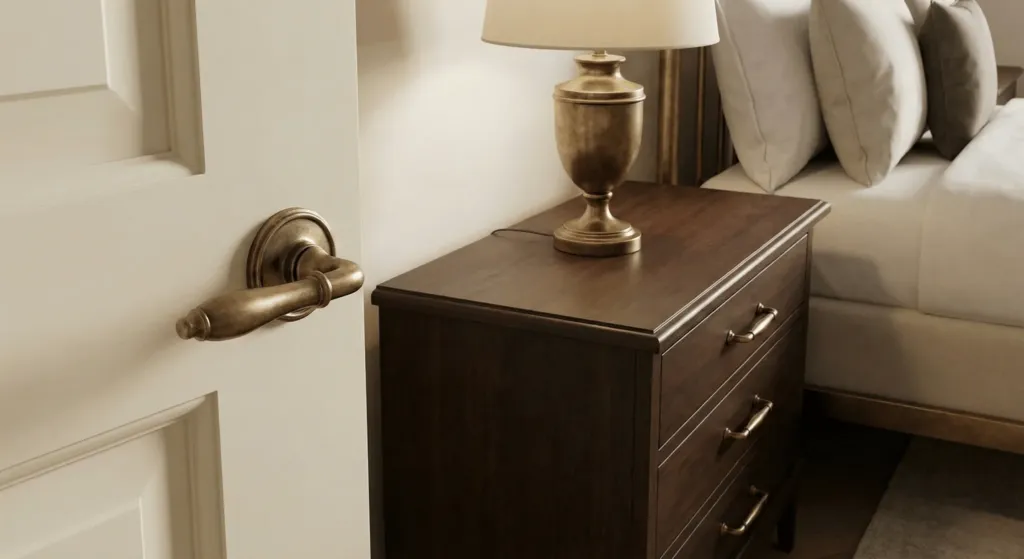
Mixed metals can work, but they are hard to get right. For an elegant look, stick to one or two. I love unlacquered brass. It develops a patina over time. It looks better as it ages.
Match your door handles, lamp bases, and drawer pulls. This small detail ties the whole room together. If your bed has chrome legs and your lamps are gold, the room will feel “off.”
16. Symmetrical Balance Techniques
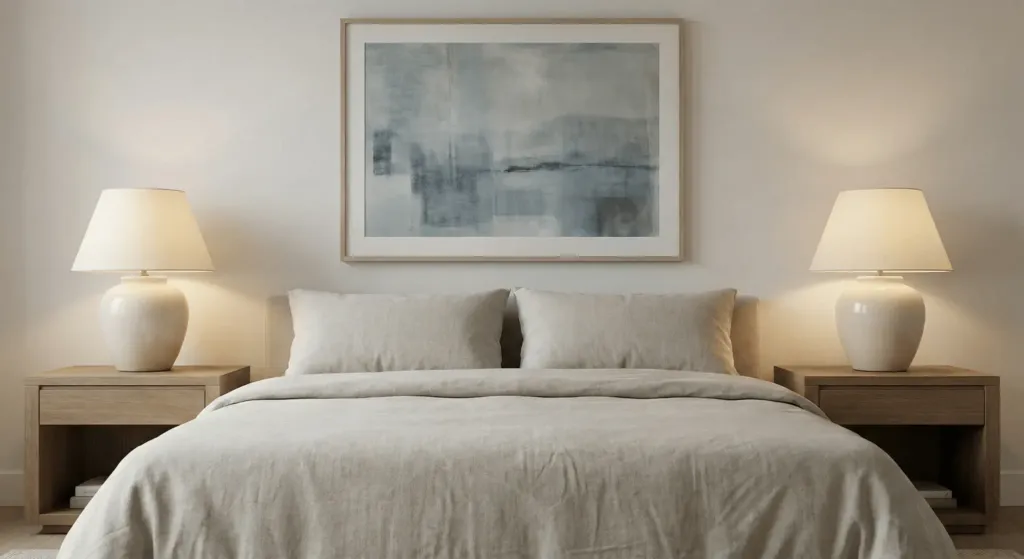
The human brain loves symmetry. Two matching nightstands. Two matching lamps. This creates a sense of order and peace.
While I love a bit of chaos in a living room, the bedroom needs rules. If you want a non-matching look, keep the heights the same. Use different lamps but make sure they are the same scale. This keeps the visual weight balanced.
17. The Power of “Real” Art
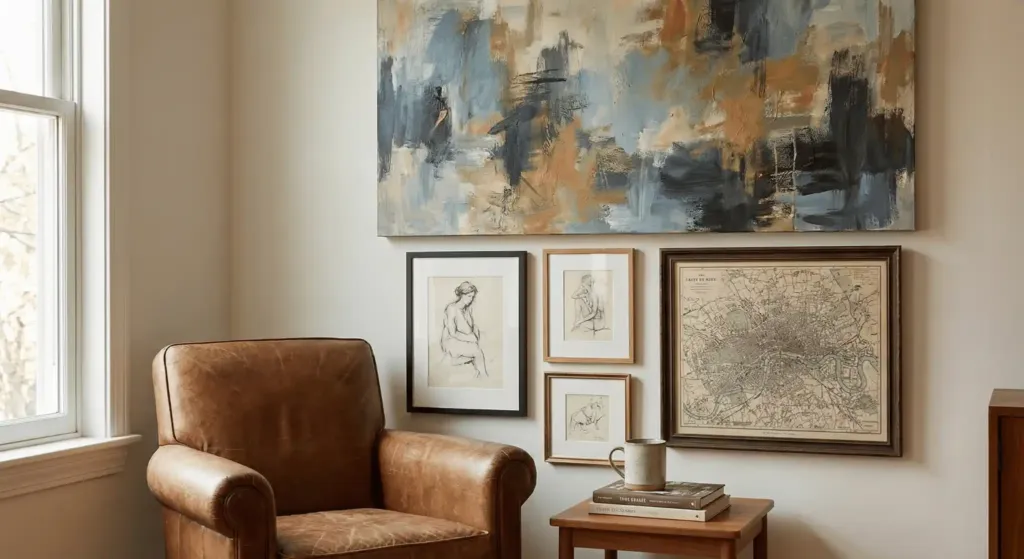
Stop buying mass-produced prints from big box stores. You see them in every Airbnb. They feel soulless. Save your money for one original piece.
It could be a large canvas or a series of small sketches. Art should mean something to you. I have a small framed map of the city where I met my wife. It is not expensive, but it is unique. It adds a human touch to our room.
18. Soundproofing with Textiles
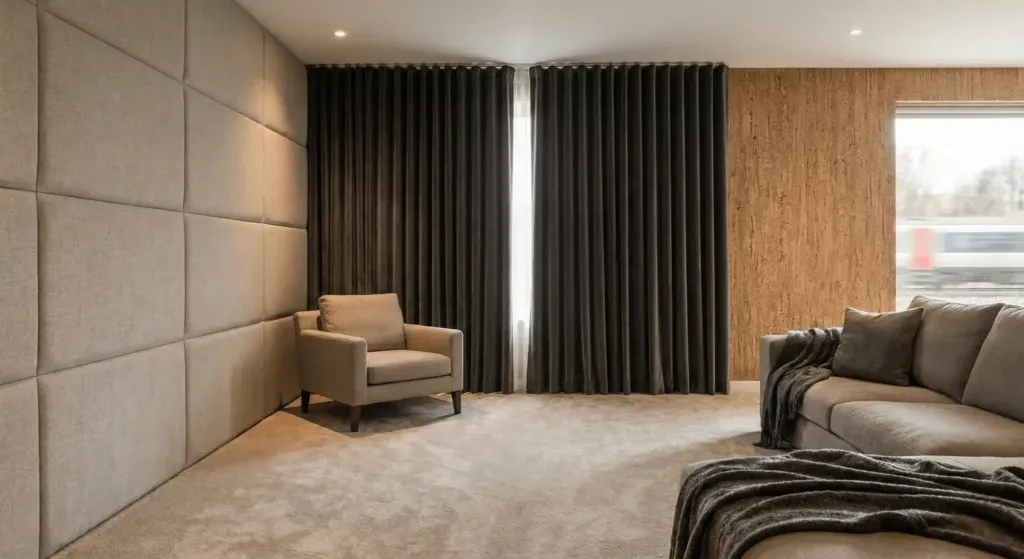
An elegant room is a quiet room. If you can hear the dishwasher or the traffic, the luxury is gone. Use heavy fabrics to soak up the noise.
Wall-to-wall carpeting is making a comeback for this reason. If you hate carpet, use heavy drapes and fabric wall panels. I once used cork wallpaper for a client near a busy train line. It looked like wood but blocked 40% of the noise.
19. Hardware Upgrades
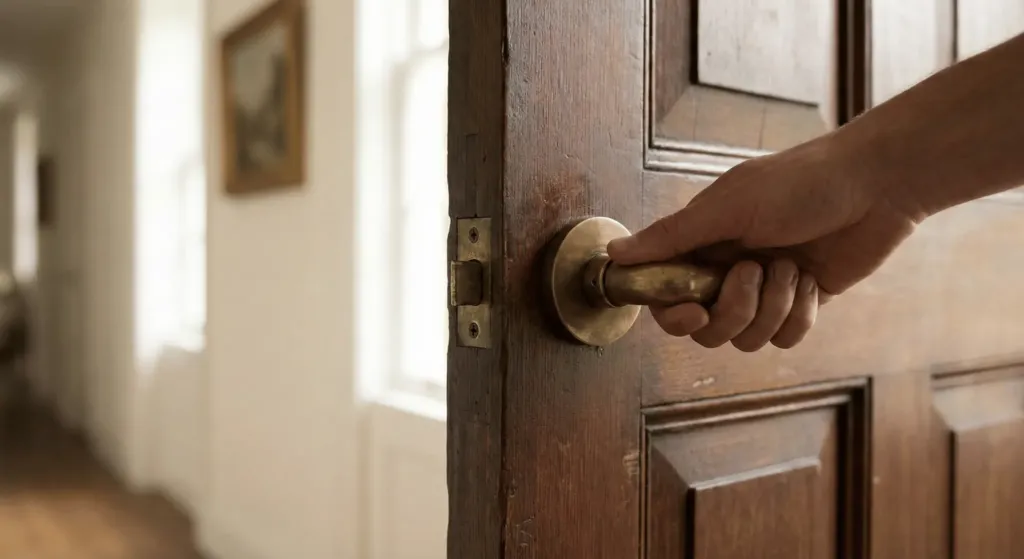
Standard builder-grade door handles are ugly. They feel light and flimsy. Swap them for solid brass or forged iron.
This is a “high touch” upgrade. You feel the quality every time you enter the room. I recommend brands like Rejuvenation or Emtek. It is a small cost for a massive change in the “feel” of the home.
20. Biophilic Design Elements
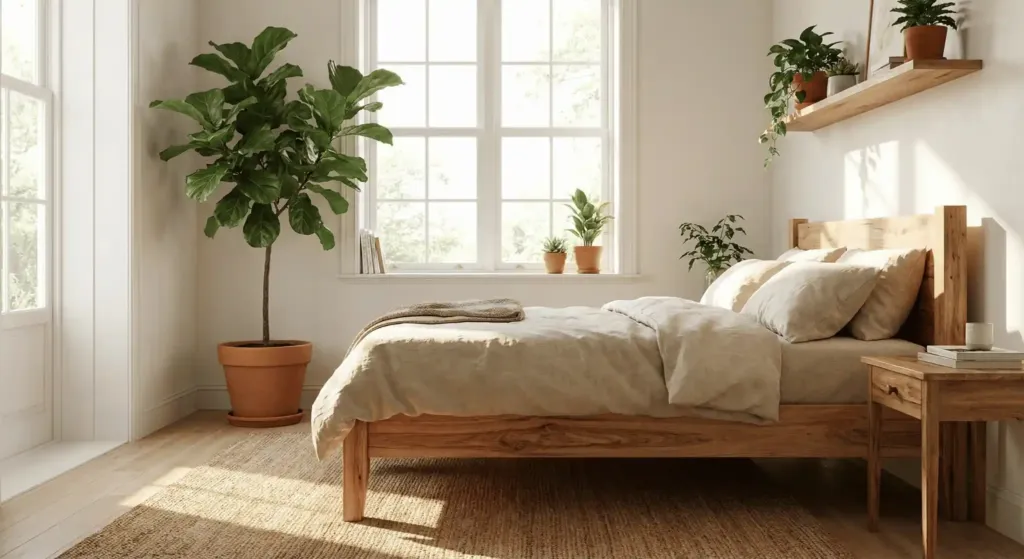
We spend too much time looking at screens. An elegant bedroom should connect you back to nature. This means real plants, not plastic ones.
A large fiddle leaf fig or a simple olive tree in the corner adds life. Use natural wood furniture with visible grain. The goal is to make the room feel like it grew there.
21. Intentional Minimalism
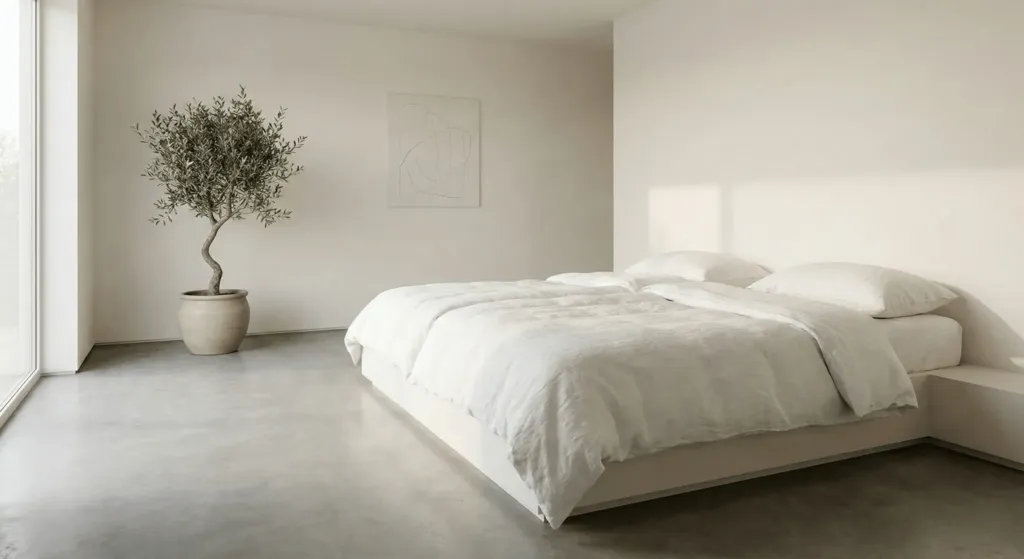
True elegance is knowing when to stop. You do not need five “accent” pillows. You do not need a bench at the end of the bed if you never sit on it.
Edit your space every six months. If you haven’t used it or loved it, move it out. A room with breathing room is the most luxurious thing you can own.
Case Study: The “West Side” Transformation
Last year, I worked with a couple in a 400-square-foot bedroom. They wanted “mansion vibes” in a condo. We focused on three things: a custom mirrored wall to double the light, a floating bed frame to show more floor, and a monochromatic silk wallpaper.
We spent $12,000. Most of that went into the wallpaper and the lighting. We skipped the expensive designer chair. We bought a vintage one for $200 and reupholstered it. The result? The room looked twice as large. The client said it was the first time they didn’t feel “cramped” in their own home. This proves that smart choices beat a big budget every time.
Frequently Asked Questions
What makes a bedroom look “expensive”?
Texture layering and lighting are the keys. An expensive room has no “flat” surfaces. Everything has a grain, a weave, or a soft glow. Using “real” materials like stone, wood, and wool over plastic or laminate makes the biggest difference.
How do I choose the right rug size?
Your rug must be large enough to tuck under the bed and still show 24 to 36 inches on the sides. If the rug is too small, the bed looks like it is “floating” in a bad way. A larger rug anchors the room and makes it feel grounded.
Can I have a TV in an elegant bedroom?
Yes, but you should hide it. Use a “Frame” style TV that displays art or hide it inside a custom cabinet. The goal is to prevent the black screen from becoming the focal point when the TV is off.
What is the best lighting for a bedroom?
Use warm-dim LED bulbs. They mimic the glow of a candle as you dim them down. Avoid “daylight” or “cool white” bulbs. They feel like a hospital. You want a color temperature around 2700K.
How many pillows should be on the bed?
For a king bed, use two Euro shams, two standard pillows, and one long lumbar pillow. This looks full but not messy. Avoid the “pillow mountain” that takes ten minutes to remove every night.
What is the most durable fabric for a headboard?
Performance velvet or treated linen are best. They resist stains and are easy to clean. If you have pets, avoid silk or loose-weave fabrics that can get snagged by claws.
How much does a luxury bedroom renovation cost?
A basic refresh with paint and new bedding starts at $2,000. A full designer overhaul with custom millwork and high-end furniture usually ranges from $15,000 to $50,000 depending on the materials.
Should I use dark colors in a small bedroom?
Dark colors can actually make a small room feel cozy and “infinite.” They hide the corners of the room. Don’t be afraid of charcoal or navy if you have good lighting.
What is the best way to hide messy cords?
Use nightstands with built-in cable management. You can also buy cord hiders that match your wall color. Always try to keep power strips inside drawers or behind furniture.
Is wallpaper still in style for 2026?
Yes, but the trend is toward “textured” wallpaper rather than loud patterns. Think grasscloth, silk, or lime wash effects. These add depth without dating the room quickly.
How do I make my bed look like a hotel bed?
Use a high-quality duvet insert that is one size larger than your bed. This makes it look “puffy” and full. Iron your pillowcases for a crisp, clean look.
What are the biggest bedroom design mistakes?
Using a rug that is too small, buying a furniture “set” where everything matches exactly, and having only one light source. These make a room look cheap and unoriginal.
Final Thoughts
Building an elegant bedroom is a slow process. It is not about a weekend shopping trip. It is about choosing one piece at a time that you truly love. Start with your lighting. Fix your bedding. Then, look at your walls.
Your bedroom is the last thing you see at night. It is the first thing you see in the morning. It shapes your mood. It should be a place where the world feels far away.