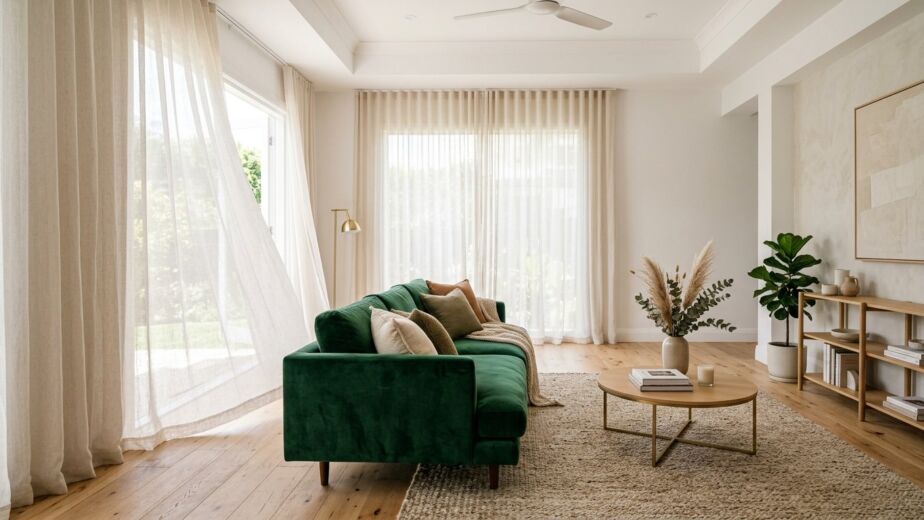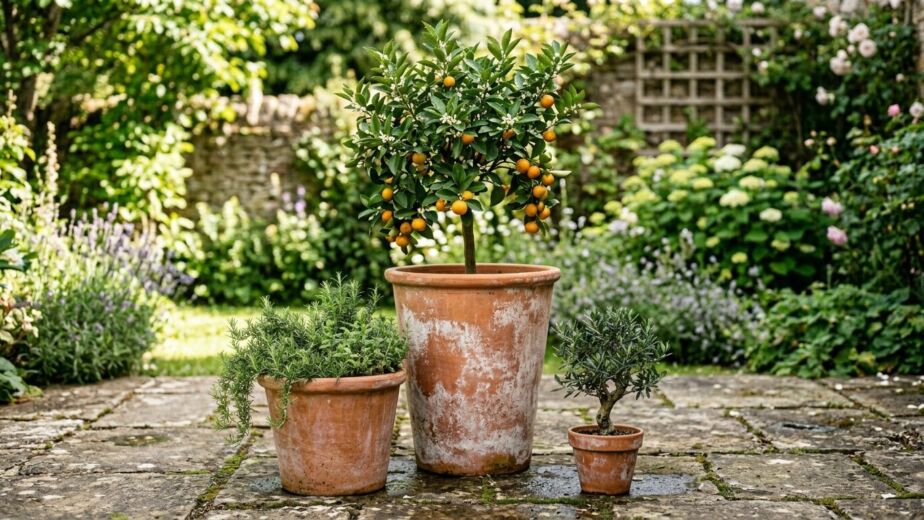
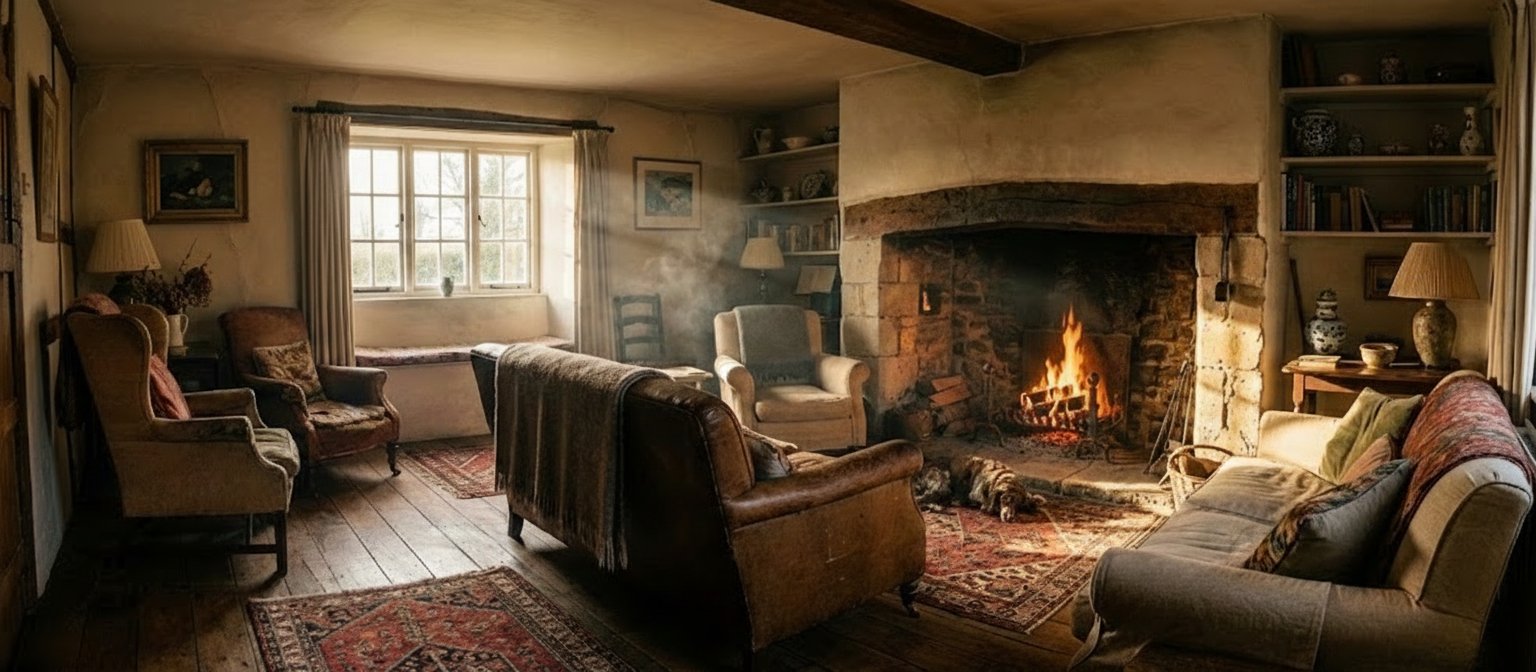
I remember the first time I stepped into a true English cottage in the Cotswolds. The floorboards creaked under my boots. The scent of dried lavender and woodsmoke filled the air. It was not perfect. The walls were slightly crooked and the kitchen table had deep scratches from decades of family meals. That was the moment I realized cottage interiors are not about perfection. They are about soul. Most modern homes feel like sterile showrooms. Cottage design is the antidote. It prioritizes comfort over status and history over trends.
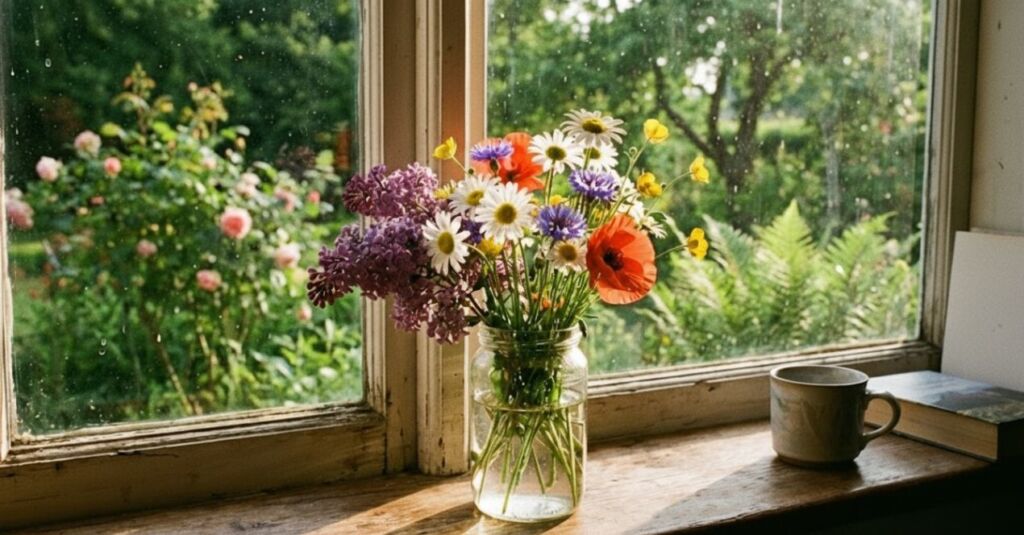
Many people think cottage style requires a 200 year old house. I spent three years trying to force this look into a 1990s suburban condo. I failed at first because I bought mass produced “shabby chic” items that lacked weight. My mistake was buying things that looked old but felt fake. True cottage interiors rely on authenticity. You need 15 specific pillars to make this work. This guide will show you how to build a space that feels like it has been there forever.
1. Embrace Reclaimed Wood Elements
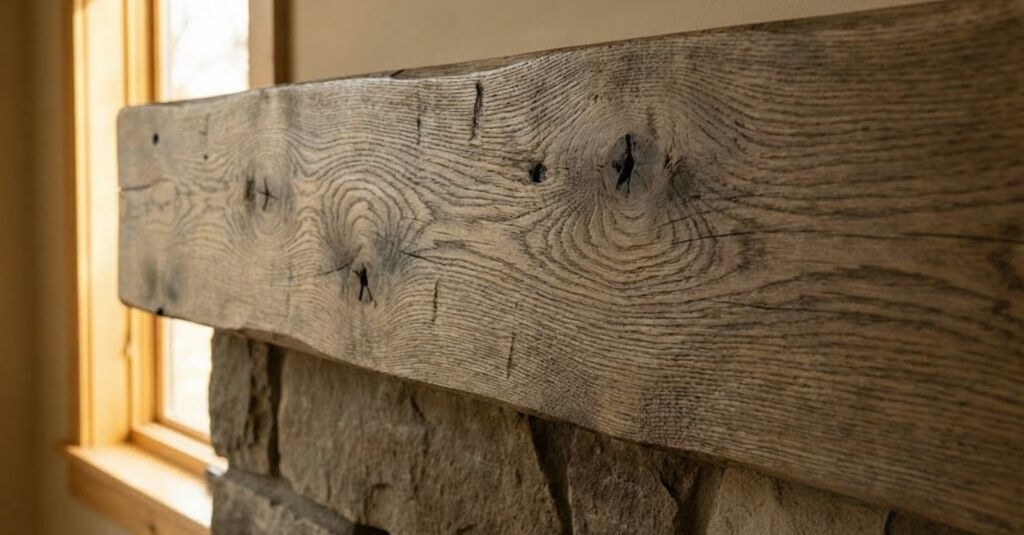
Wood is the heartbeat of any cottage. I once tried to use cheap laminate floors in a renovation project. It looked flat and cold. Now I only suggest reclaimed timber. High quality cottage interiors use wood that shows its age. Think wide plank oak or pine with visible knots and grain.
- Install faux wooden beams to add height and character to flat ceilings.
- Use chunky wooden mantels over fireplaces to create a focal point.
- Choose matte finishes rather than high gloss oils to keep the look natural.
In a recent project for a client in Vermont, we sourced 100 year old barn wood for a kitchen island. The result was a piece that felt anchored. It cost $1,200 but added ten times that in perceived value. If you are on a budget, sand down second hand pine furniture and apply a dark wax. Avoid orange stains at all costs.
2. Use a Muted Color Palette
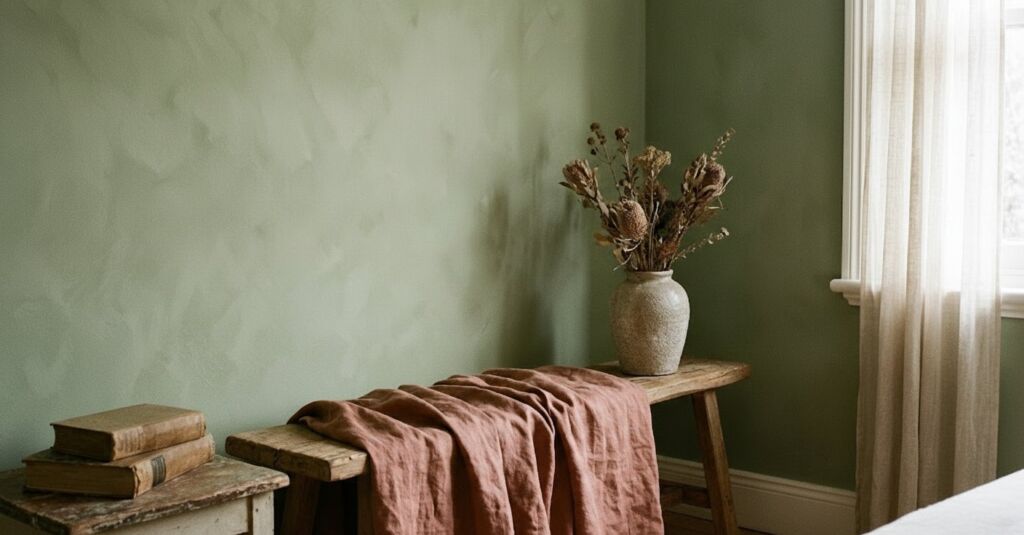
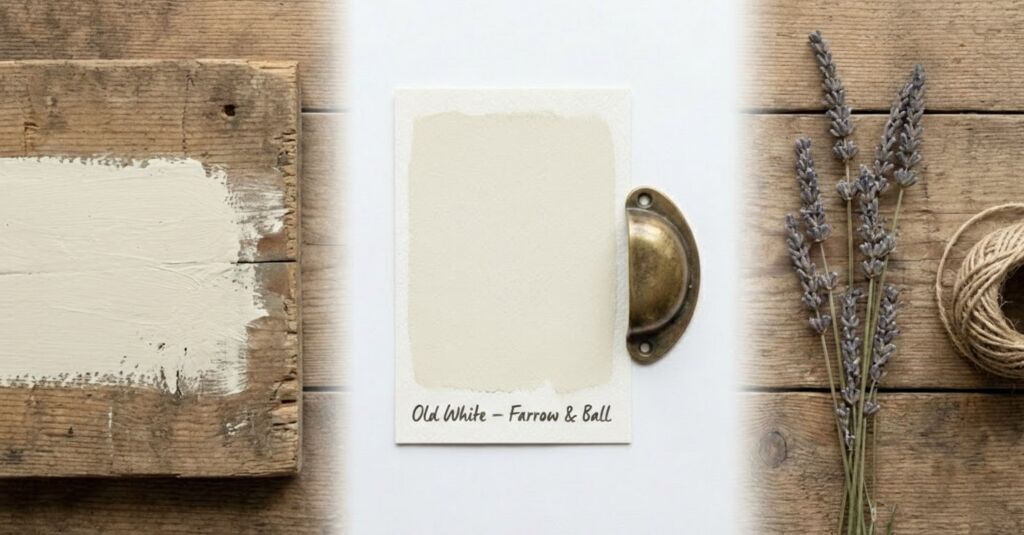
Neon colors and harsh primaries have no place here. Cottage interiors thrive on shades found in a misty garden. I prefer Farrow & Ball’s “Old White” or “French Gray” for walls. These colors change with the light throughout the day. They create a soft backdrop for your furniture.
Stick to these tones:
- Sage green for kitchens and mudrooms.
- Dusty rose or terracotta for textiles.
- Cream and oatmeal for large upholstered pieces.
A common failure is choosing a white that is too blue. This makes a room feel like a hospital. Always test your paint in a 2 foot square on every wall. Look at it at 8 AM and 4 PM. If it looks cold, add more yellow pigment. Warmth is your primary goal.
3. Layer Natural Textiles
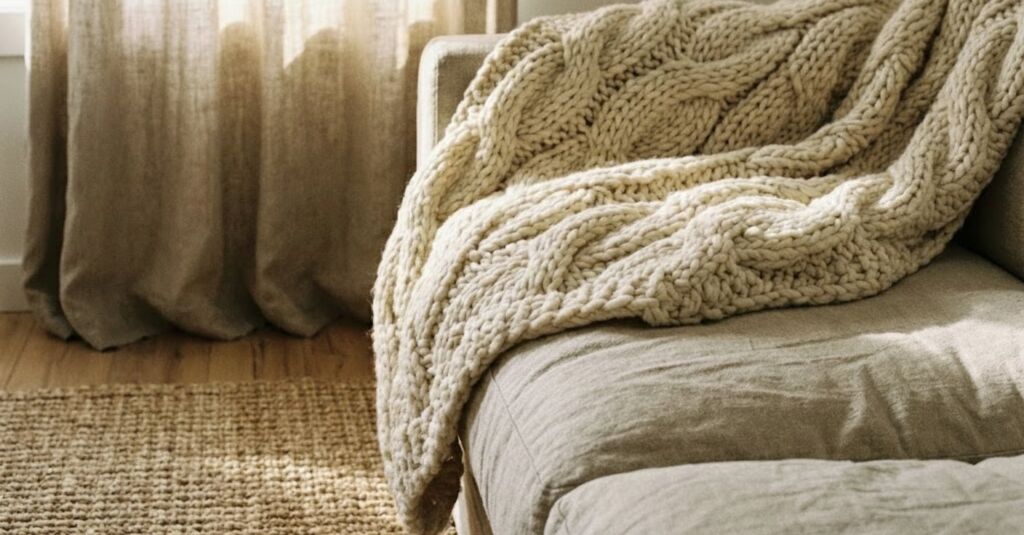
Texture replaces the need for loud decor. I tell my clients to think in layers. Start with a jute or sisal rug. Add a wool throw over a linen sofa. This creates visual depth. Cotton and linen are the gold standard for cottage interiors because they breathe and age well.
I once worked with a homeowner who insisted on polyester curtains. Within six months, they looked cheap and stiff. We replaced them with heavy, unlined linen drapes. The way the light filtered through the fabric transformed the room into a sanctuary. Expect to spend $200 to $400 per window for quality linen, but it lasts a lifetime.
4. Incorporate Vintage Furniture
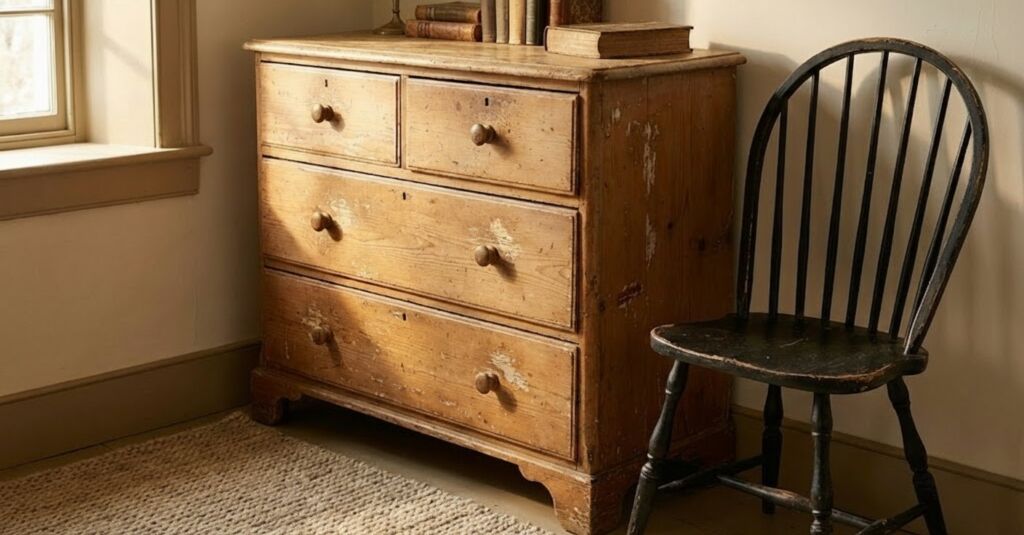
Stop shopping at big box stores for every piece. A home filled with flat pack furniture feels soulless. Cottage interiors need “brown furniture.” This means antique chests, mismatched chairs, and weathered wardrobes. These pieces tell a story. I found my favorite dining table at a garage sale for $50. It was covered in paint, but after a weekend of sanding, it became the centerpiece of my home.
“The best cottage homes look like they were decorated over forty years, not forty minutes.”
Look for these items at flea markets:
- Windsor chairs for the dining room.
- Pine dressers for the kitchen.
- Iron bed frames for bedrooms.
5. Install Open Shelving
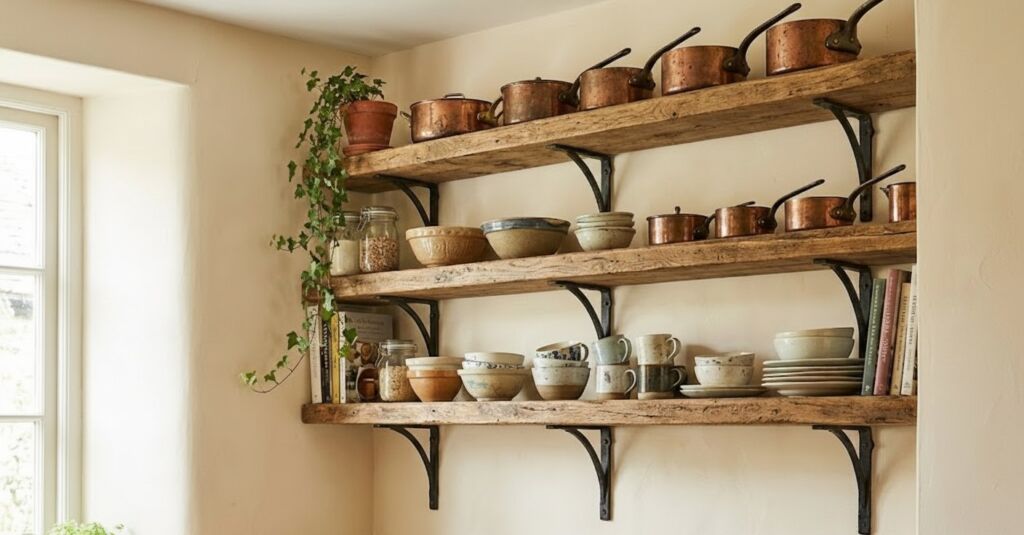
Cottage kitchens should be functional and lived in. I hate hiding everything behind closed cabinet doors. Open shelving allows you to display mismatched mugs, copper pots, and ceramic bowls. It creates a sense of openness. Use thick wooden planks supported by iron brackets.
The trick is to only display things you actually use. Dust is the enemy of open shelving. If you use your plates daily, they stay clean. I recommend mixing in some greenery, like a potted ivy, to break up the lines of the dishes. It makes the kitchen feel like a garden room.
6. Focus on Floral Patterns
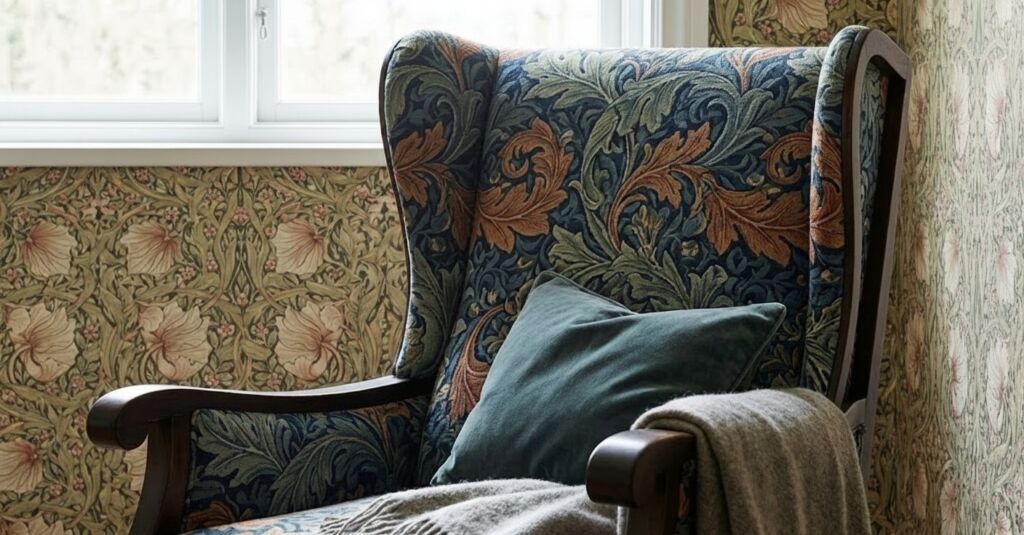
Florals are non negotiable in cottage interiors. However, there is a fine line between “charming” and “your grandmother’s attic.” The secret is scale. Mix large scale botanical prints with small ditsy florals. Use them on pillows, wallpapers, or a single statement chair.
Brands like William Morris or Sandersons offer timeless patterns that never feel dated. I once did a feature wall in a bedroom using a dark green floral wallpaper. It made the room feel cozy and expensive. If you are nervous about patterns, start with small accessories like napkins or lampshades.
7. Create a Gallery Wall of Art
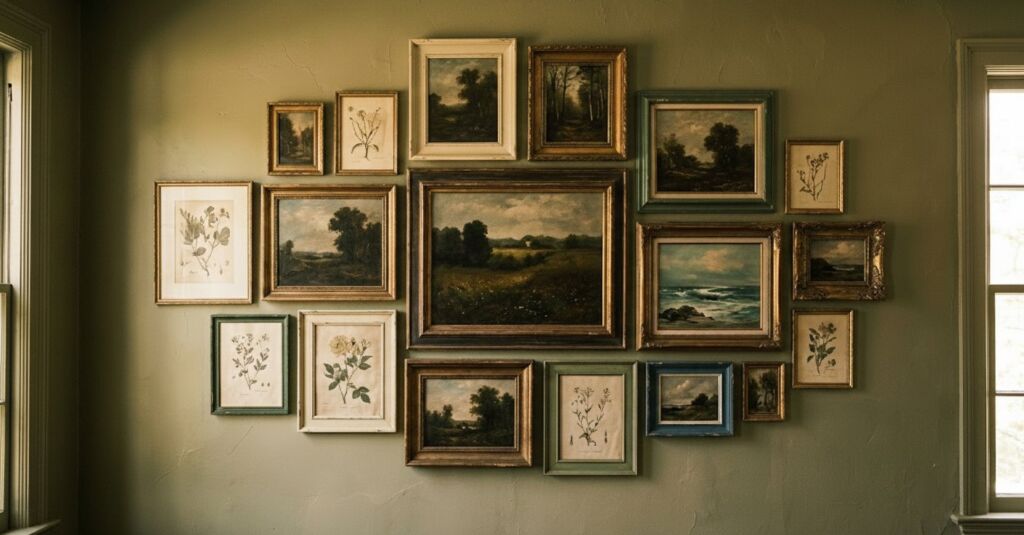
Blank walls are rare in cottage interiors. You want your walls to feel curated. I collect vintage oil paintings of landscapes and botanical sketches. Don’t worry about matching frames. A mix of gilt, wood, and painted frames adds to the charm.
When hanging art, keep the gaps between frames small. This creates a cohesive “cloud” of images rather than scattered pieces. I spent $150 on various thrifted prints for a hallway project last year. It looks more impressive than a single $1,000 modern print. Art should feel personal, not like an afterthought.
8. Use Stone and Brick Accents
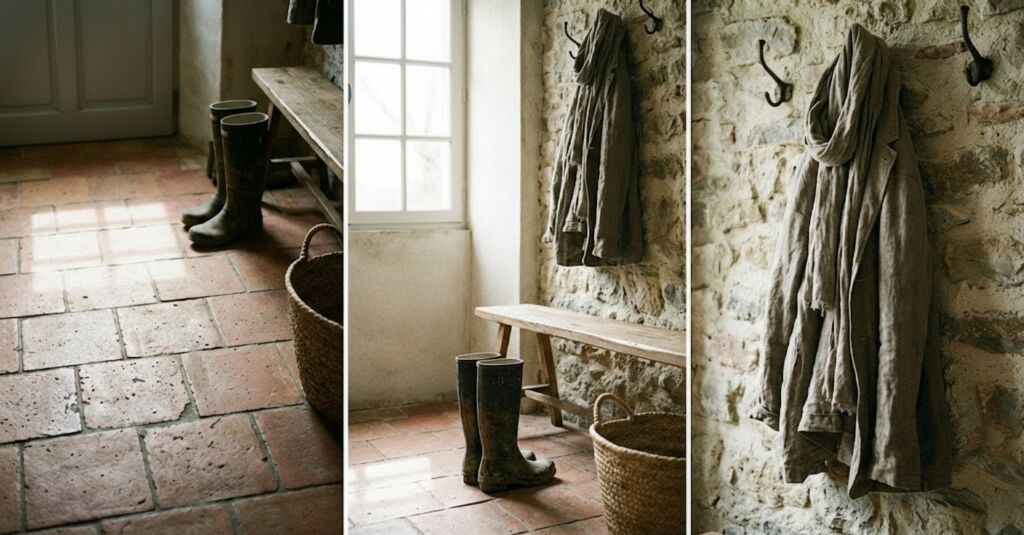
Natural stone brings an earthy grounding to a room. If you don’t have a stone fireplace, you can add stone flooring in the entryway. Flagstone or terracotta tiles are perfect. They are durable and handle mud and water with ease. I installed brick pavers in a client’s mudroom in 2024, and it completely changed the vibe of the entrance.
Stone stays cool in the summer and holds heat in the winter. It provides a tactile contrast to soft fabrics. If a full renovation is too expensive, consider a stone backsplash in the kitchen. It adds a rugged texture that balances out smooth cabinetry.
9. Maximize Natural Light
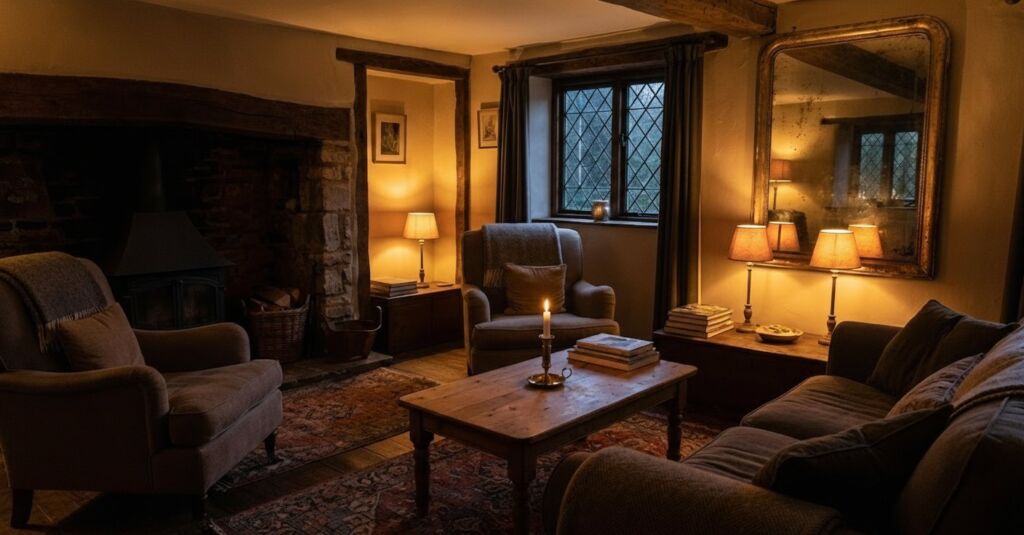
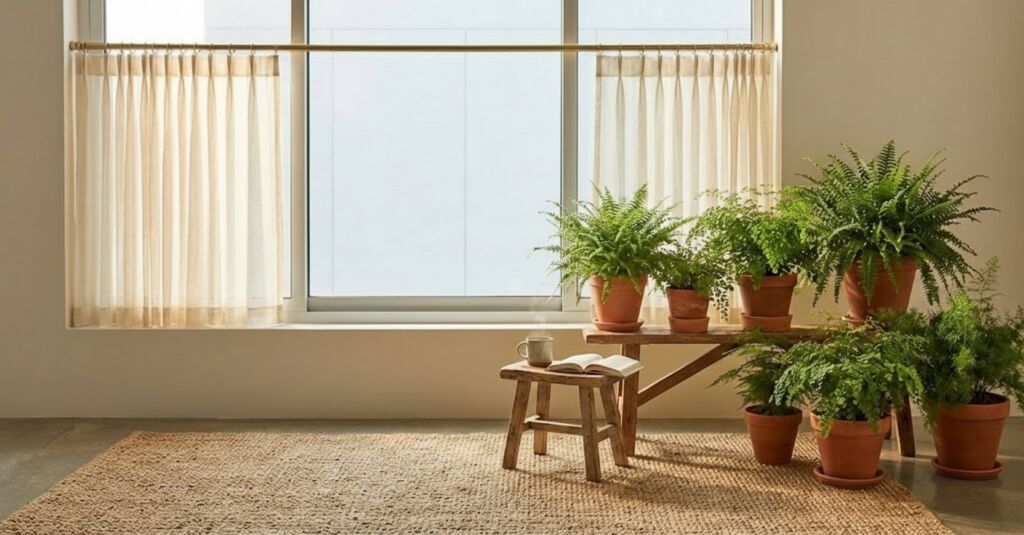
Cottage interiors can sometimes feel dark due to low ceilings or small windows. You must maximize every drop of light. Use sheer cafe curtains instead of heavy blinds. Mirrors are your best friend. Place a large mirror opposite a window to bounce light into dark corners.
I advise against using cool white LED bulbs. They make a cottage feel like a grocery store. Use “warm white” or “soft white” bulbs (2700K). This mimics the glow of a candle. In the evening, rely on lamps rather than overhead lights. A room with five lamps feels much more inviting than a room with one bright ceiling fixture.
10. Add Woven Baskets for Storage
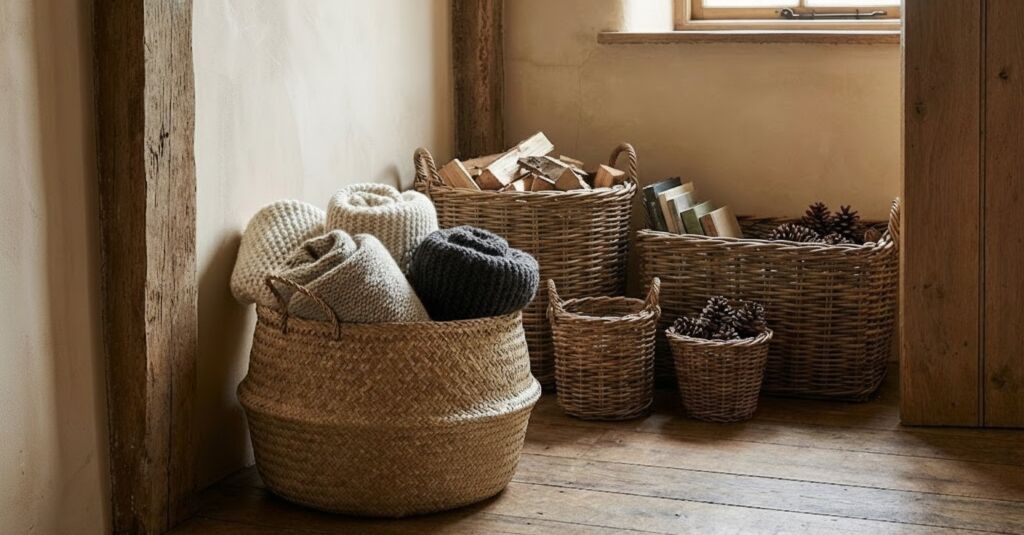
Storage is often a challenge in older homes. Plastic bins are a crime against cottage interiors. Use woven seagrass, wicker, or willow baskets instead. They provide a place to hide blankets, toys, or firewood while adding a rustic texture.
I have a large wicker basket in every room of my house. In the living room, it holds extra pillows. In the bathroom, it holds towels. It is a cheap way to add “organic” elements to your space. You can find high quality baskets at most craft stores or antique malls for under $30.
11. Choose Slipcovered Seating
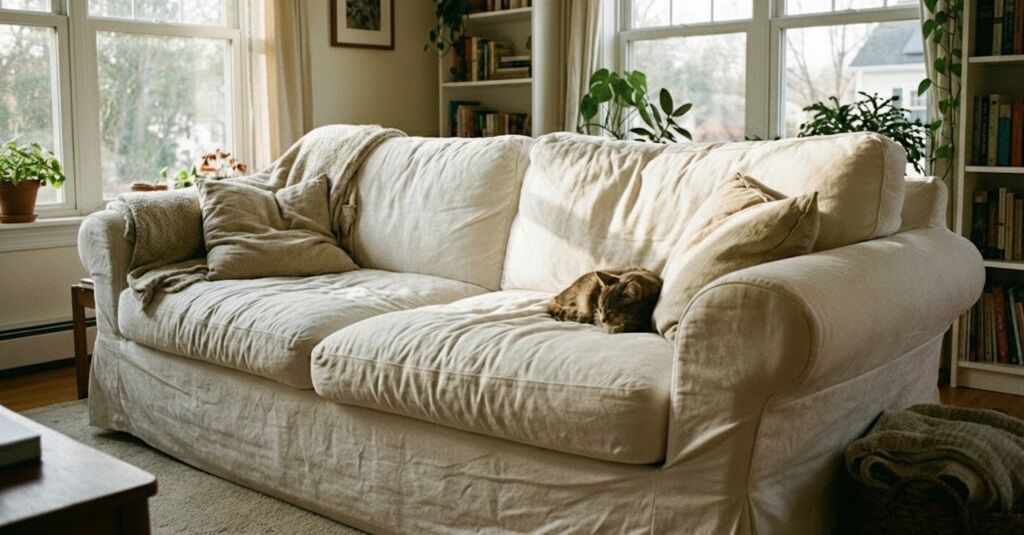
The ultimate cottage sofa is slipcovered. It looks relaxed and inviting. More importantly, it is practical. If you spill red wine or your dog jumps up with muddy paws, you just throw the cover in the wash. I bought a white slipcovered sofa five years ago. People thought I was crazy, but it still looks new because I wash it every three months.
Avoid tight back, modern sofas with metal legs. You want something with deep cushions and soft arms. Brands like IKEA offer the EKTORP or UPPLAND series which are affordable entries into this style. For a more high end look, check out Sixpenny. They use heavy linens that drape beautifully.
12. Style with Fresh and Dried Flowers
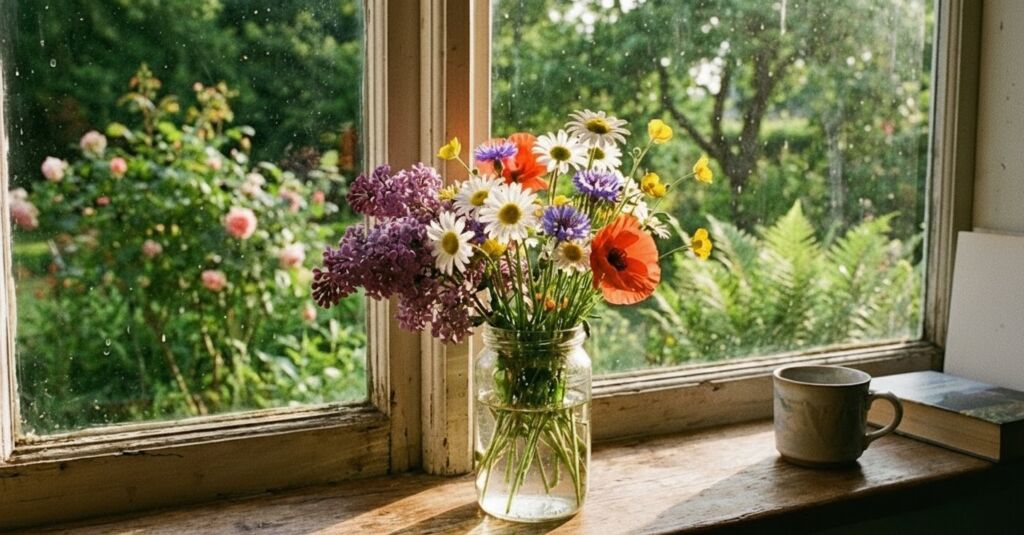
A cottage without flowers is just a house. I try to have something green in every room. In the spring, I cut lilacs from the garden. In the winter, I use dried eucalyptus or hydrangea heads. It connects the indoors with the outdoors.
Don’t use formal arrangements. A simple bunch of wildflowers in a jam jar looks better than a stiff florist bouquet. Place them on bedside tables, windowsills, and even in the bathroom. It adds life and a natural scent to your home for almost zero cost.
13. Prioritize Cozy Nooks
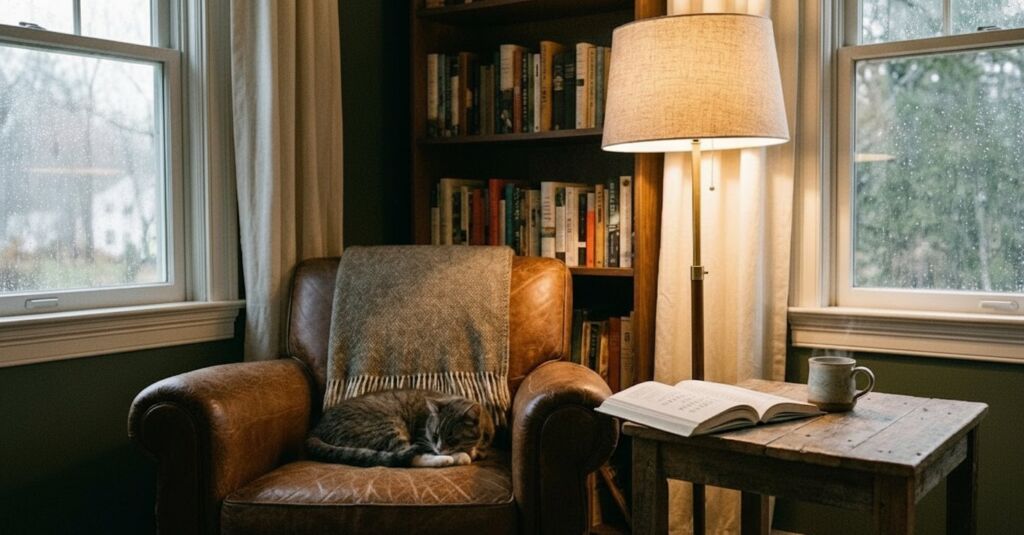
Cottage interiors are about intimacy. Every room should have a “nook.” This could be a window seat, a reading chair in a corner, or a small breakfast table by a sunny window. I created a reading nook in my landing by adding a small armchair and a floor lamp. It turned a wasted space into my favorite spot in the house.
To make a nook work, you need three things:
- Comfortable seating.
- Good lighting.
- A surface to put a cup of tea.
It sounds simple, but most people forget the small table. Without it, the space isn’t functional.
14. Integrate Vintage Hardware
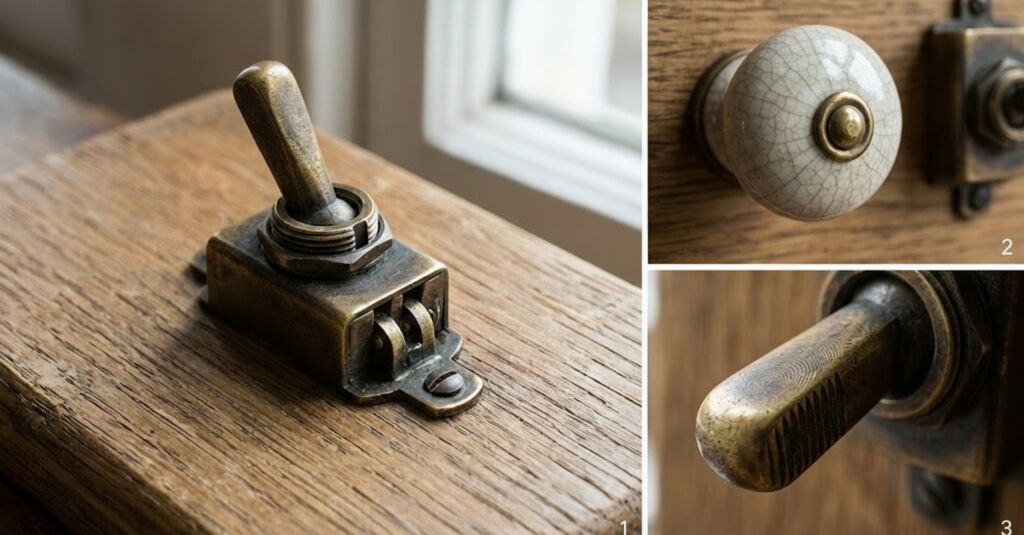
Hardware is the jewelry of the home. Standard chrome handles from a hardware store will ruin the cottage aesthetic. Switch them out for unlacquered brass, oiled bronze, or ceramic knobs. These materials develop a patina over time.
I recently swapped the plastic switches in my kitchen for brass toggle switches. It cost about $150, but the tactile experience of turning on the lights now feels special. Look for “cup pulls” for kitchen drawers and “rim locks” for interior doors to add instant age to a newer home.
15. Display Personal Collections
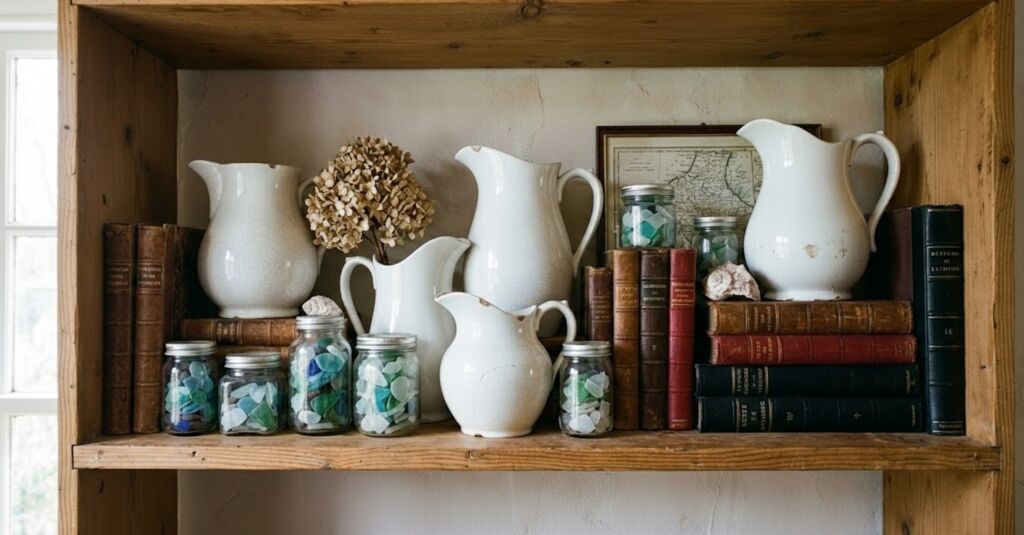
The final layer of cottage interiors is you. This style celebrates the collector. Display your ironstone pitchers, your vintage books, or your collection of sea glass. A home should be a map of your life. I have a shelf dedicated to stones I have picked up on various hikes. They have no monetary value, but they make the room feel like mine.
Grouping items together makes them look like a collection rather than clutter. Use the “rule of three.” Group objects in odd numbers and varying heights. This is pleasing to the eye and prevents the surfaces from looking messy.
Comparison of Cottage Style Tools and Brands
| Brand/Tool | Best For | Price Range | My Assessment |
|---|---|---|---|
| Farrow & Ball | Authentic Paint Colors | High ($110/gal) | Best depth of color but requires two coats. |
| IKEA (Uppland) | Budget Slipcovered Sofas | Low ($500-$900) | Great value, covers are easy to replace. |
| Annie Sloan | Chalk Paint for Furniture | Mid ($40/qt) | No sanding needed. Perfect for DIY projects. |
| Rejuvenation | Period Hardware/Lighting | High ($50-$500) | Excellent quality. Very authentic designs. |
| Thrift Stores | One-of-a-kind Decor | Very Low | The most essential “tool” for this style. |
Frequently Asked Questions
Can I do cottage style in a modern apartment?
Yes. Focus on movable elements. Use large area rugs to cover modern flooring. Add slipcovered furniture and plenty of textiles. Wall moldings or peel and stick wallpaper can add architectural interest without permanent changes. I have seen 20th floor city apartments feel like rural retreats through smart styling.
Is cottage style the same as farmhouse?
No. Farmhouse style is often more minimalist with more black and white. Cottage interiors are more colorful, cluttered, and soft. Farmhouse is about the “work” of the farm, while cottage is about the “comfort” of the garden. Cottage style uses more florals and vintage patterns.
How do I prevent the house from looking messy?
The key is intentionality. Every “cluttered” shelf should be balanced by “quiet” spaces. If you have a busy gallery wall, keep the furniture below it simple. Use baskets to hide the ugly daily items like remote controls and chargers. A cottage should feel full but not dirty.
What are the best plants for cottage interiors?
Geraniums, ivy, and ferns are classics. They have been used in cottages for centuries. Herbs like rosemary or lavender on a kitchen windowsill also add a wonderful scent. Avoid tropical plants like monsteras if you want to keep the look traditional.
Conclusion
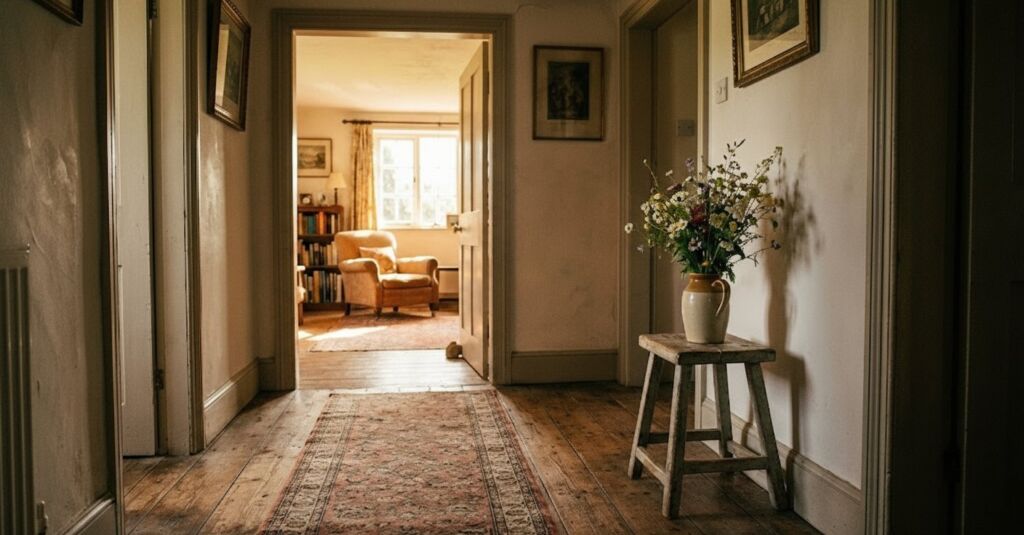
Designing cottage interiors is a journey, not a weekend project. It requires patience to find the right vintage pieces and the courage to embrace imperfection. I have spent years refining my own home, and it still evolves. Start by removing one piece of plastic furniture and replacing it with something wood or wicker. Add a soft throw and a vase of flowers. You will feel the shift in energy immediately. Your home should be your favorite place on earth. Cottage style makes that possible by focusing on what truly matters: comfort, history, and heart.
What is the one thing in your home that feels too “modern” or “cold” right now? Could you replace it with something second hand this weekend?