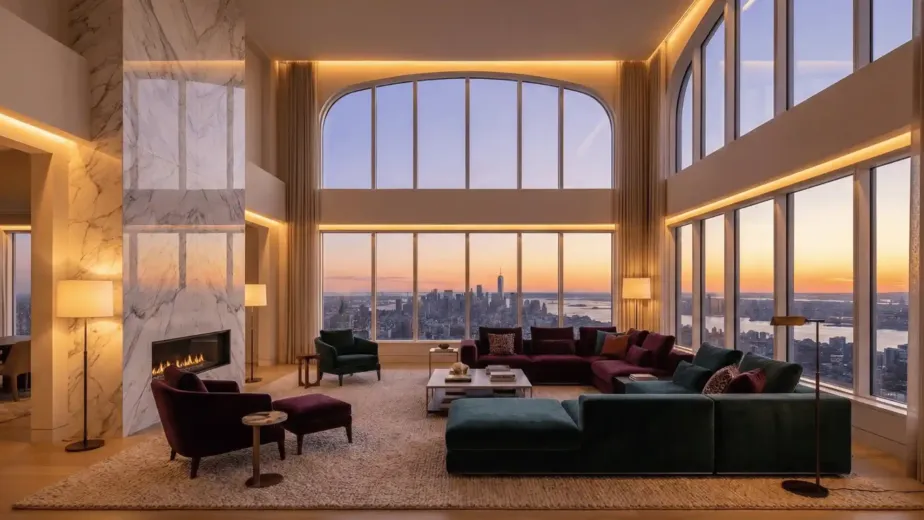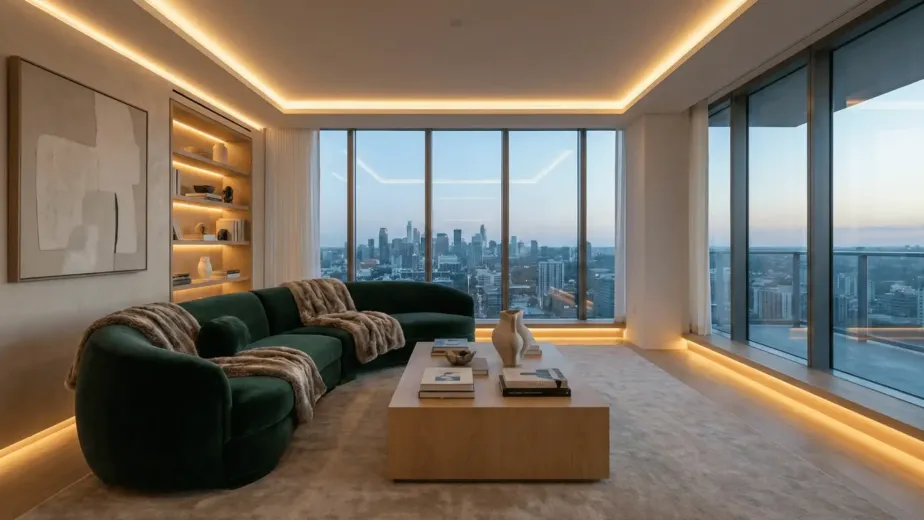
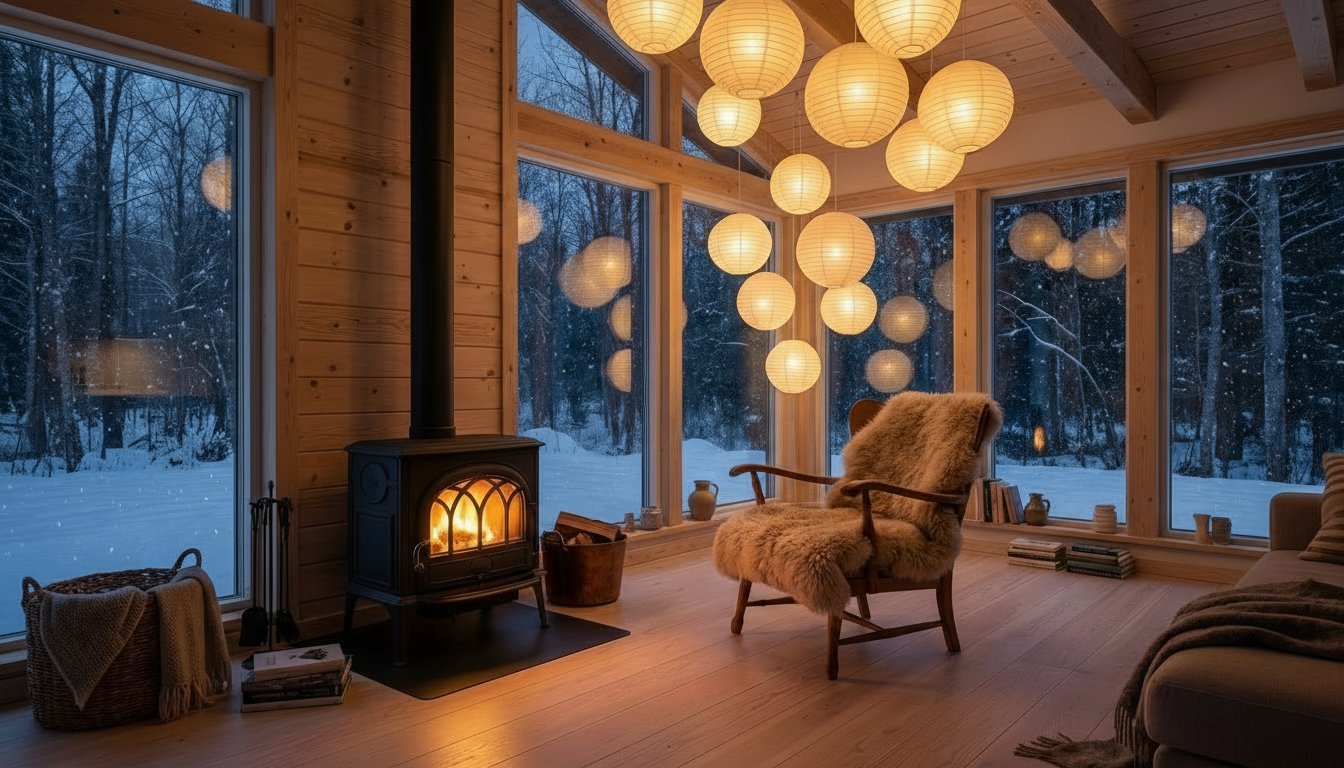
Last winter, I stayed in a tiny wooden cabin in Dalarna, Sweden. The space measured barely 400 square feet. Outside, the temperature dropped to minus twenty. Inside, the world felt warm and vast. This happened because of the design. Many people think Nordic Aesthetic Interior Design requires a massive budget or a glass mansion. They are wrong. Real Small Scandinavian House Interiors rely on honesty and light.
I once helped a friend, Sarah, renovate her guest house. She wanted that magazine look. She bought every white item in the store. The result felt like a cold hospital wing. We had to fix it. We added raw pine and old wool rugs. We swapped her bright LED bulbs for warm tones. This shift turned a sterile box into a sanctuary. This guide shares 17 specific ways to get that feeling without the mistakes.
The world of Home Interior Scandinavian styles changes fast. In 2026, we see a move away from “perfect” minimalism. People want soul. They want Retro Scandinavian pieces that tell stories. They want rooms that work hard. Every square inch must serve a goal. If you struggle with a cramped home, these ideas will change your life. You will see how to use Swedish Minimalism to create breathing room.
1. Raw Pine Plank Walls
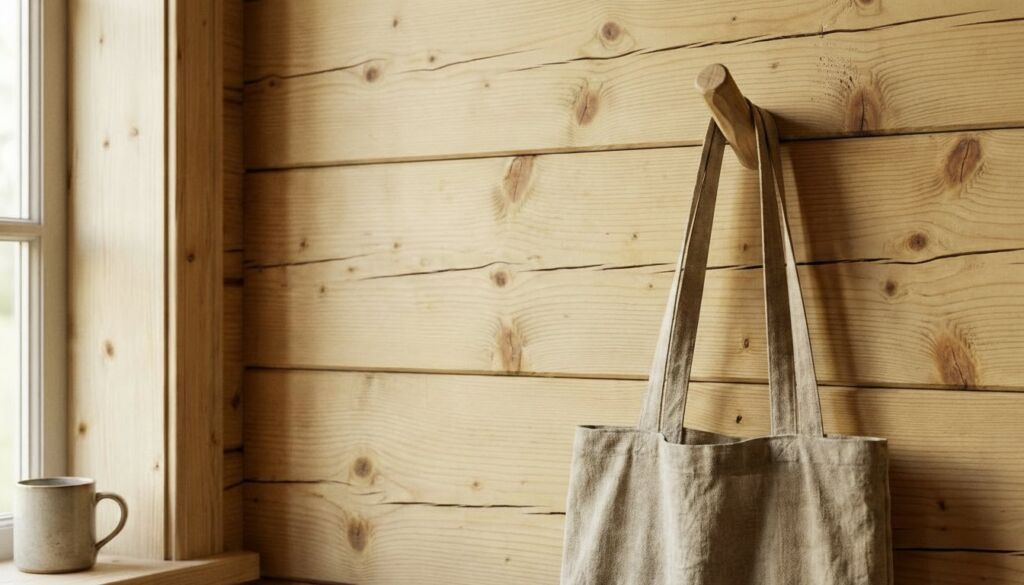
Raw wood is the backbone of any Swedish Style Home Scandinavian Living space. In the Dalarna cabin, the walls were untreated pine. They smelled like a forest. You do not need expensive oak for this. Pine is affordable and gains a yellow patina over time. This aging process creates a sense of history.
I recommend leaving the wood bare. If you must protect it, use a matte clear coat. Avoid glossy finishes. Gloss reflects light in a way that feels cheap. Bare wood absorbs sound. This makes your small cottage feel quiet and private. It acts as natural insulation. You can find pine planks at any local lumber yard. Install them horizontally to make a narrow room look wider.
2. Oversized Windows Without Drapes
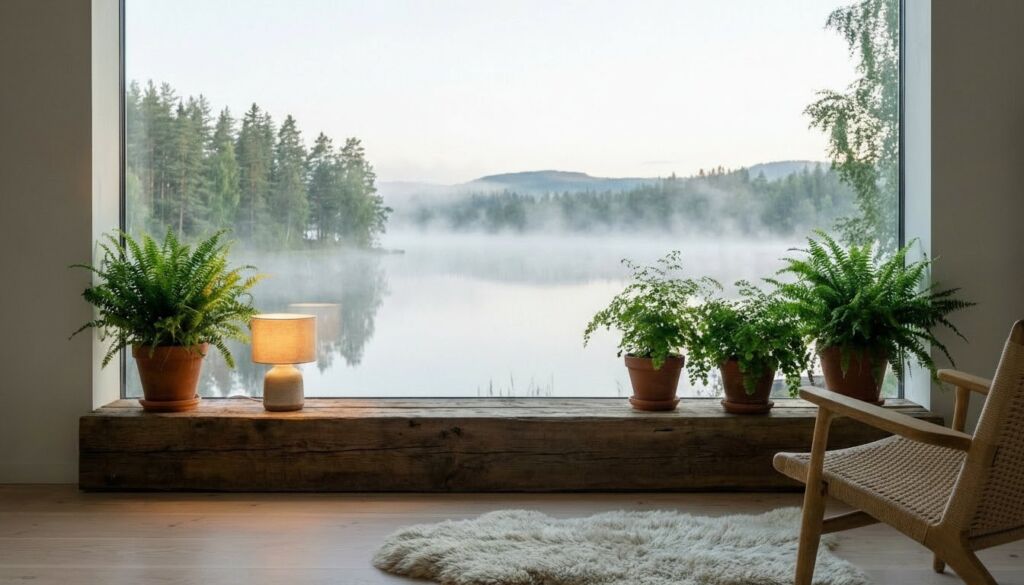
Light is a survival tool in the north. If you want a true Minimalistic Scandinavian Interior, you must lose the heavy curtains. Swedes often leave windows completely bare. This invites every bit of sun inside. It blurs the line between your living room and the trees outside.
If you need privacy, use thin linen rollers. Linen allows filtered light to pass through even when closed. I saw this in a small home in Bergen. The owners used no blinds at all. Instead, they placed tall plants on the sill. The leaves created a natural screen. This kept the room bright but private. It cost nothing but the price of a few ferns.
3. The Functional Fika Corner
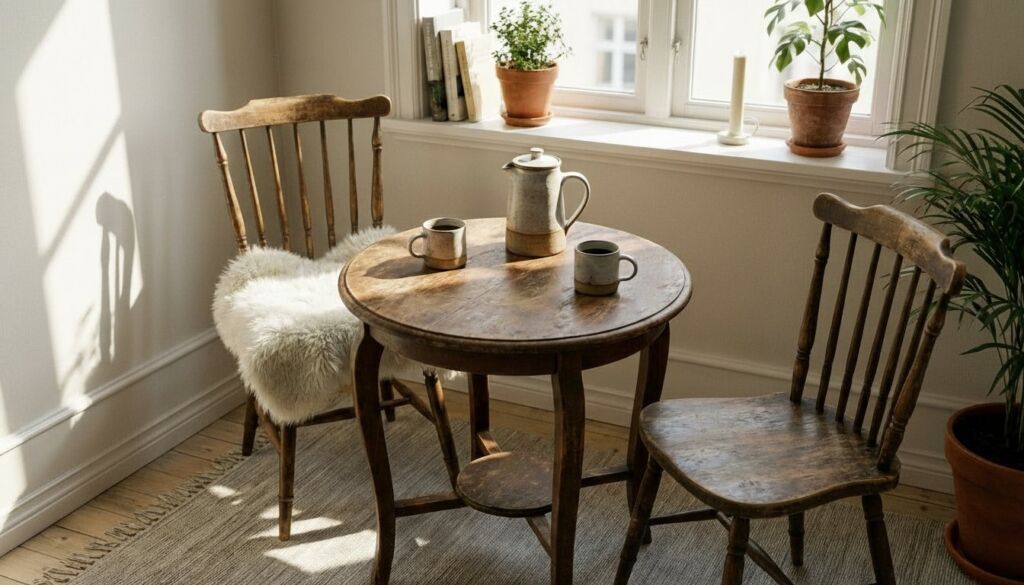
Every cottage needs a spot for coffee and reflection. This is the fika corner. It usually consists of a small round table and two mismatched chairs. In small homes, this often sits in a sunny corner of the kitchen. It is not just for eating. It is a mental reset point.
Use a table with a pedestal base. Four legs take up too much floor space in a tight cottage. I prefer the vintage wooden styles from the 1960s. These Retro Scandinavian pieces have slim profiles. They make the room feel airy. A small sheepskin thrown over a chair adds the needed warmth.
4. Light Toned Wide Plank Flooring
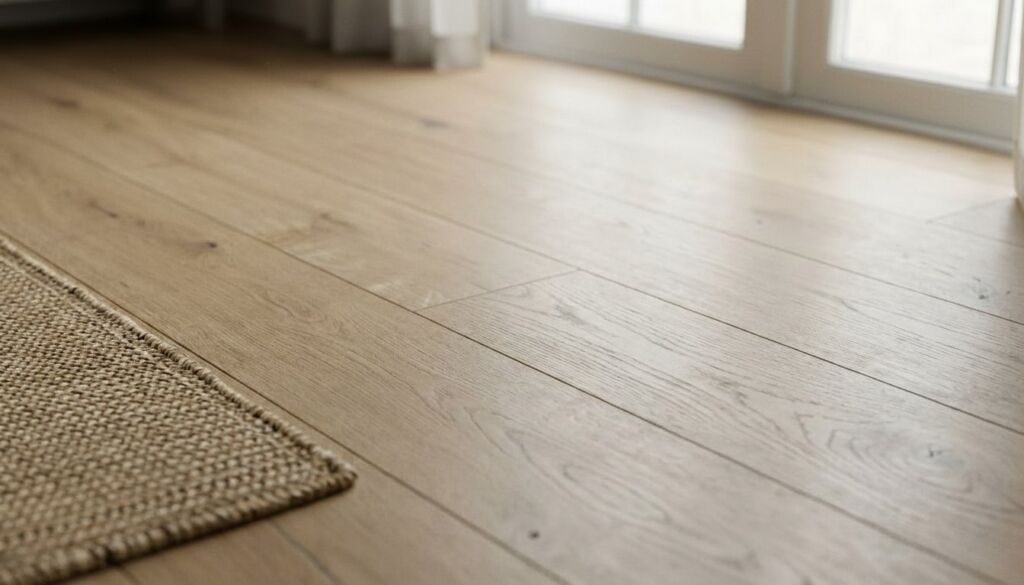
Dark floors kill small spaces. They soak up light and show every speck of dust. For a Nordic Aesthetic Interior Design, go for light ash or bleached oak. Wide planks are better than narrow ones. They create fewer visual lines. This tricks the eye into seeing more floor.
I once worked on a studio apartment where the owner insisted on dark walnut. The room felt like a cave. We sanded it down and applied a white oil finish. The transformation was instant. The room felt twice as large. Use a matte oil rather than a plastic-like polyurethane. You want to feel the grain under your feet.
5. Built-In Bench Seating With Storage
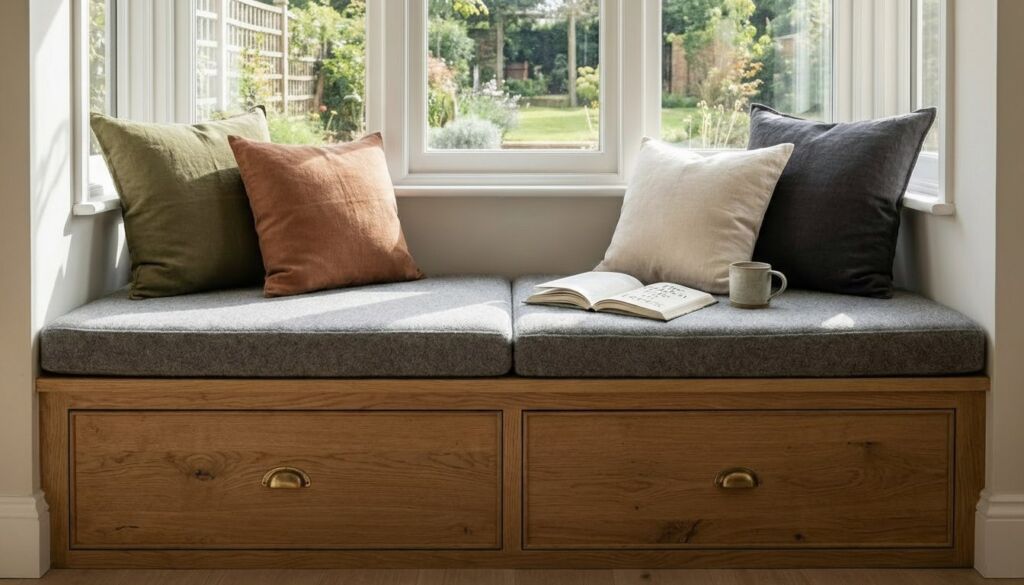
Space is a luxury. In Small Scandinavian House Interiors, furniture must do two jobs. A built-in bench under a window provides a reading nook. It also hides your winter coats or bulky blankets. This keeps the main floor clear of clutter.
Build your bench from the same wood as your walls. This creates a seamless look. I saw this used in a tiny house in Denmark. The bench ran the entire length of the living room. It replaced a bulky sofa. By keeping the furniture low, the ceilings felt higher. Add thick gray cushions for comfort.
6. Muted Earthy Color Palettes
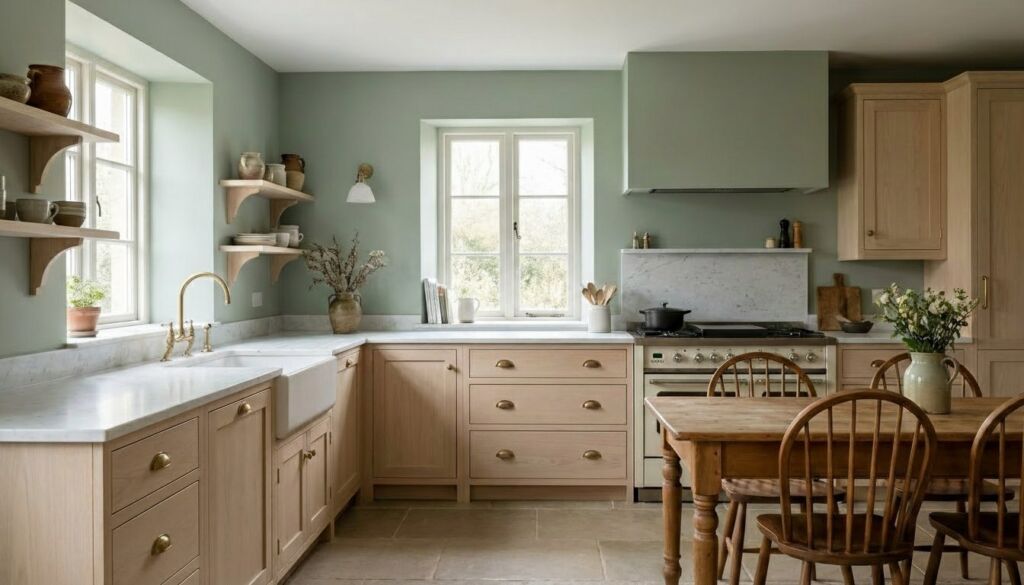
White is the base, but it needs friends. Move beyond stark white. Use “greige,” sage green, or dusty terracotta. These colors mirror the Nordic landscape. They feel grounded and calm. In my own office, I used a pale clay color. It changes throughout the day as the sun moves.
Avoid bright primary colors. They clash with the natural wood tones. Stick to a 60-30-10 rule. Use white for 60% of the space. Use natural wood for 30%. Use one muted accent color for the last 10%. This balance prevents the room from feeling busy.
7. Open Shelving for Utility
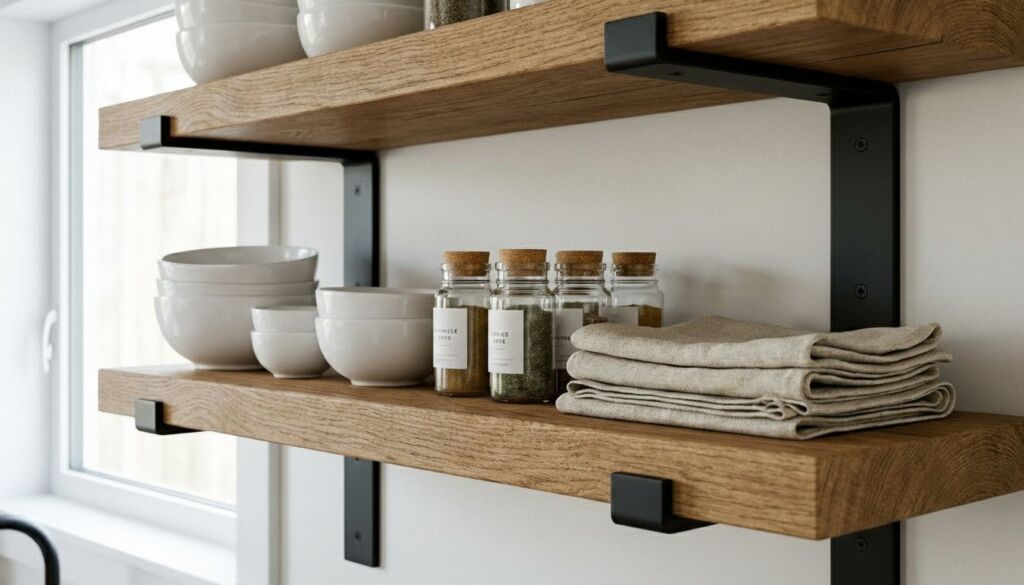
Closed cabinets can make a small kitchen feel heavy. Open shelves made of thick wood planks look lighter. They also force you to keep only what you use. Display your Scandinavian Things like ceramic mugs and glass jars.
I recommend using black metal brackets for a slight industrial touch. This adds contrast to the light wood. Keep your most beautiful items at eye level. Store the ugly plastic containers in lower drawers. This keeps the “visual noise” low. It turns your daily dishes into part of the decor.
8. Layered Natural Textiles
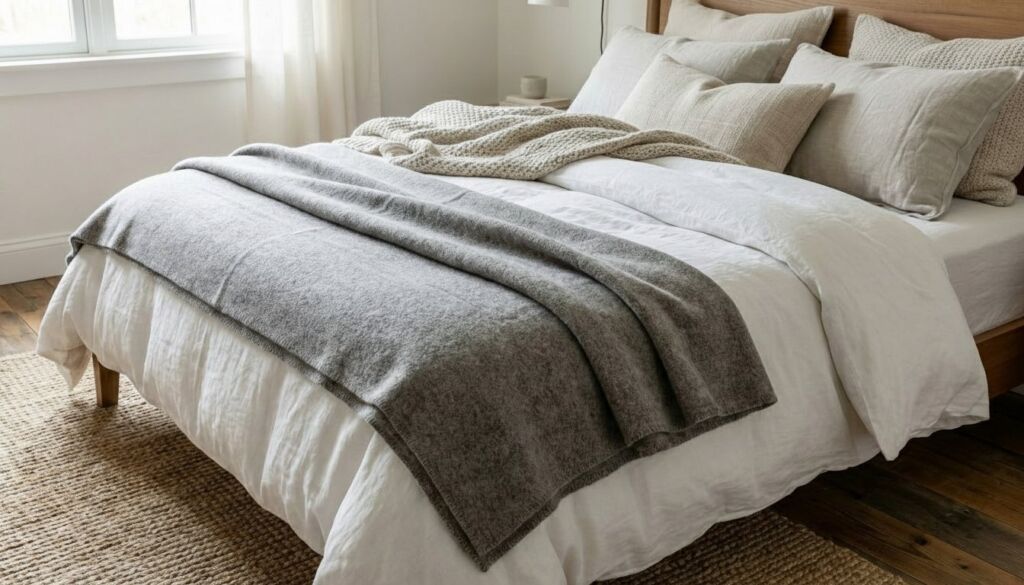
A cottage without rugs and blankets is just a box. Layering is the secret to “hygge.” Start with a large jute rug. Place a smaller wool rug on top. This adds depth and softness. Use materials like linen, hemp, and wool.
I made the mistake of buying synthetic blankets once. They looked okay but felt static and hot. True Swedish Minimalism values quality materials. A single high-quality wool throw is better than five acrylic ones. It breathes better and lasts for decades. Look for brands like Røros Tweed or Klippan.
9. Statement Wood Burning Stove
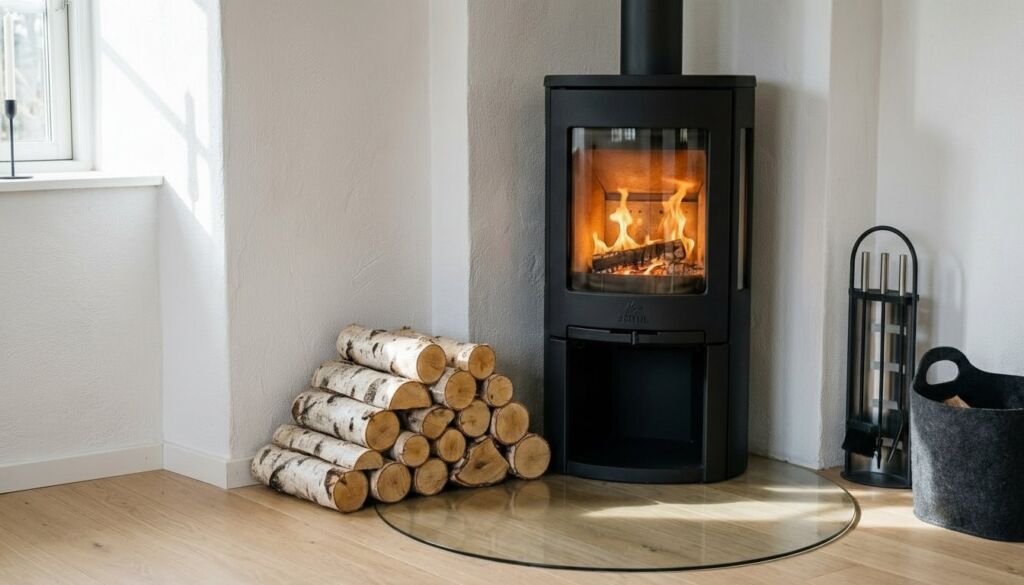
A fireplace is the heart of a Nordic home. In a small cottage, a massive stone hearth is too big. Look for a sleek, black cast-iron stove. These take up very little space. They radiate heat for hours after the fire goes out.
Position the stove in a corner to save floor space. Use a glass floor plate instead of heavy brick. This keeps the floor visible and the room feeling open. There is something primal about watching flames on a cold night. It provides a focal point that no television can match.
10. Paper Lantern Lighting
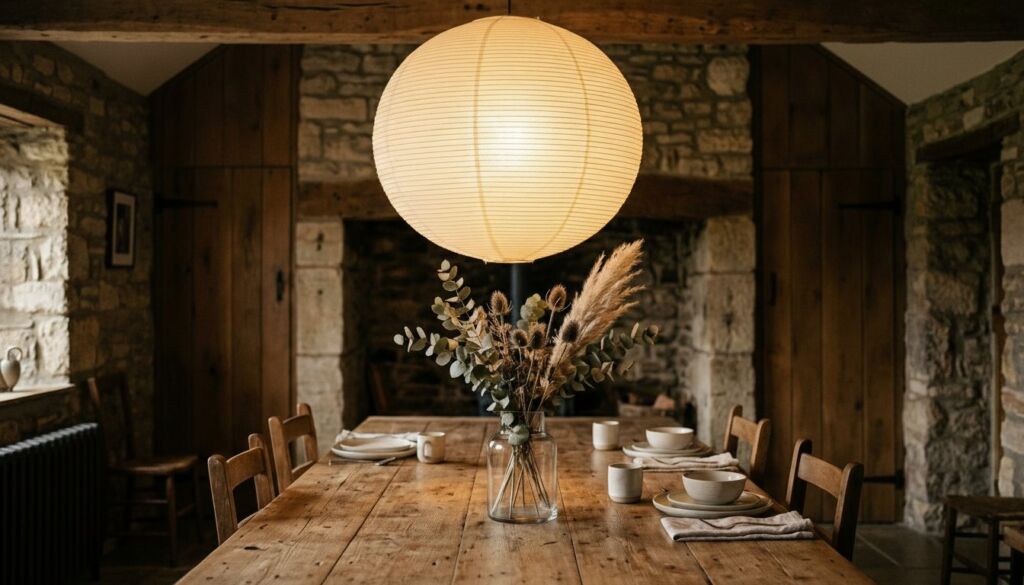
Harsh overhead lights ruin the cottage mood. Use paper lanterns. They provide a soft, diffused glow. This mimics the look of a cloudy day. I prefer the large, round styles that hang low over a table.
Mix your light sources. Use a floor lamp for reading and small candles for the evening. In Sweden, people place small lamps in their windows. This welcomes people home. It creates a warm glow that signals safety. Always use bulbs with a warm color temperature around 2700K.
11. Indoor Greenery as Decor
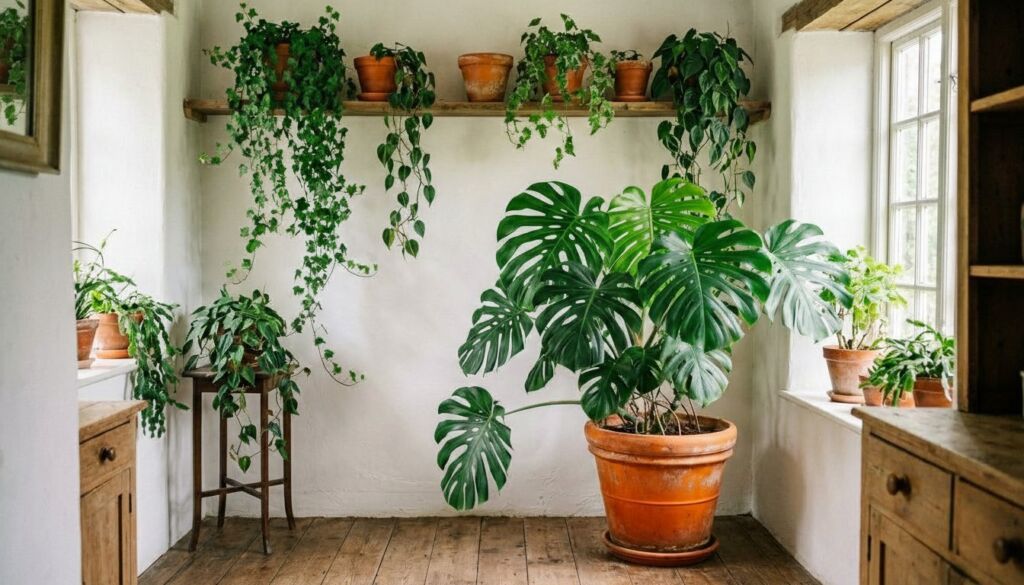
Plants are the best way to add life to Minimalistic Scandinavian Interior spaces. They provide color without the need for paint. In small cottages, use vertical space. Hang trailing plants like Pothos from the ceiling.
I once visited a cottage in Finland where the owner grew a vine around the entire door frame. It felt like living in a greenhouse. Plants also improve air quality. This is vital in small, well-insulated homes. Choose simple terracotta pots. The orange clay looks beautiful against light wood and white walls.
12. Vintage Mid-Century Furniture
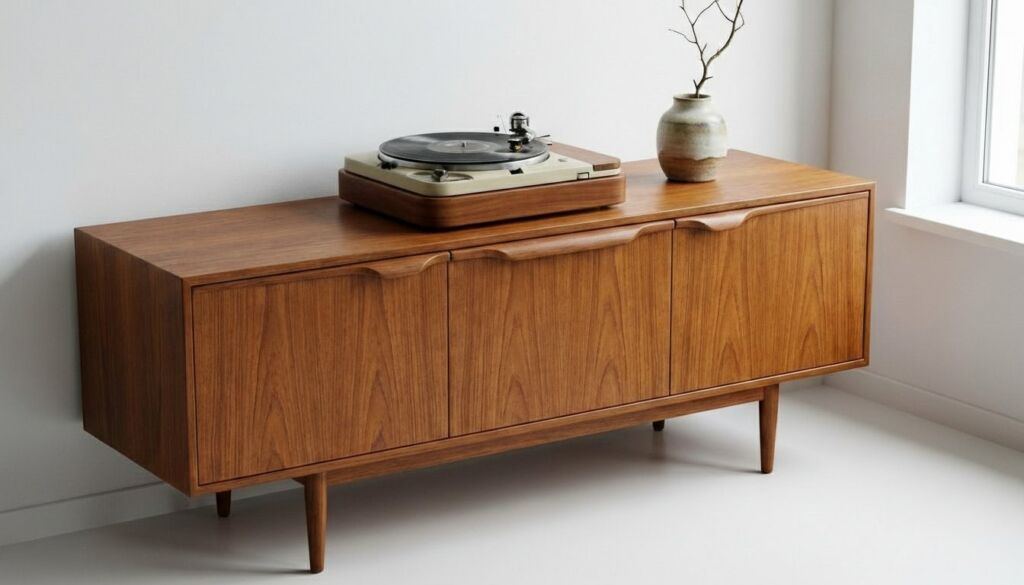
Retro Scandinavian furniture from the 50s and 60s is perfect for cottages. These pieces were designed for small apartments. They have tapered legs that show the floor. This makes the furniture look like it is floating.
Search for a vintage sideboard or a teak armchair. These items add character to a new build. They prevent the home from looking like a furniture catalog. I found an old Hans Wegner chair at a flea market for fifty dollars. It needed new cord, but it became the centerpiece of my room. It adds a sense of craft that modern flat-pack furniture lacks.
13. Minimalist Gallery Wall
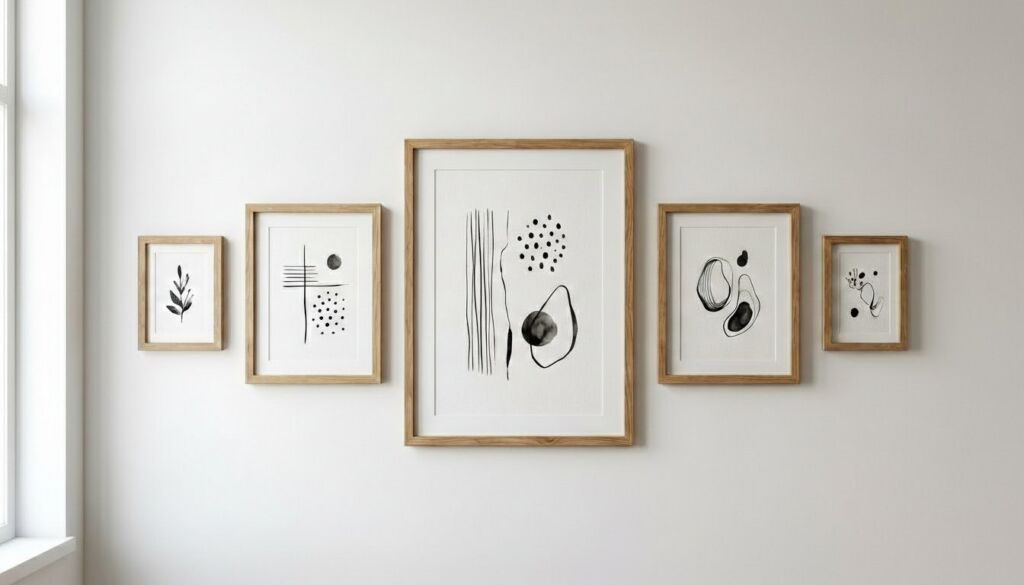
Do not cover every wall with art. Choose one wall for a focused collection. Use thin black or wood frames. The art should be simple. Line drawings or black and white photography work best.
Leave plenty of “white space” around each frame. This prevents the wall from feeling cluttered. I like to mix personal photos with abstract prints. It makes the space feel like a home, not a gallery. Ensure the center of the gallery is at eye level. This grounds the room and draws people in.
14. Hidden Entryway Storage
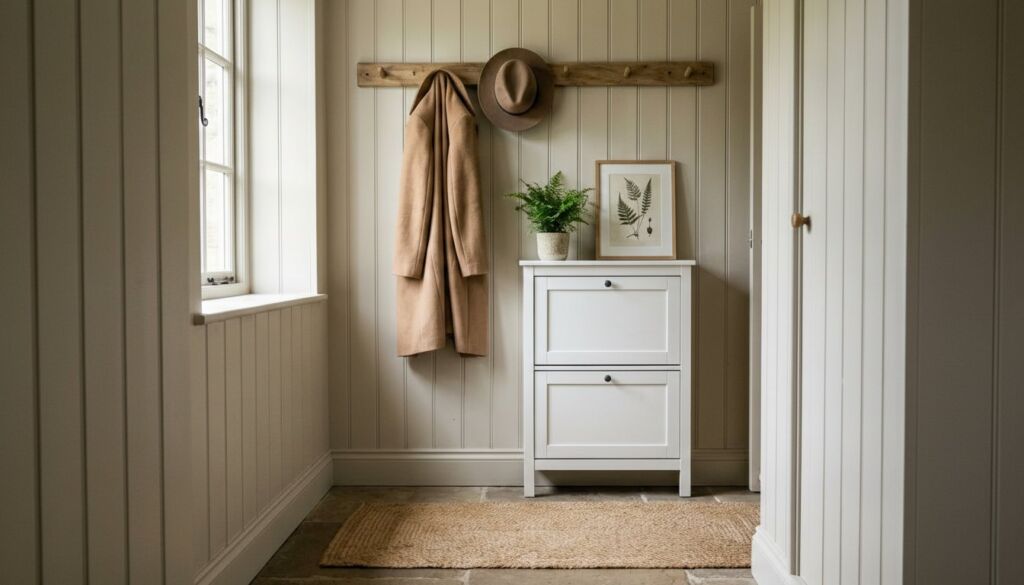
Small cottages often lack a formal foyer. You enter directly into the living space. This leads to piles of shoes and coats. Use a slim shoe cabinet. These are only about six inches deep. They lean against the wall and hold a dozen pairs of shoes.
Add a simple row of wooden pegs above the cabinet. Use them for your daily jacket and a linen tote bag. Keeping the floor clear near the door is the first step to a calm home. I saw this in a 300 square foot flat in Stockholm. It turned a chaotic entrance into a functional transit point.
15. The Use of Mirrors to Double Space
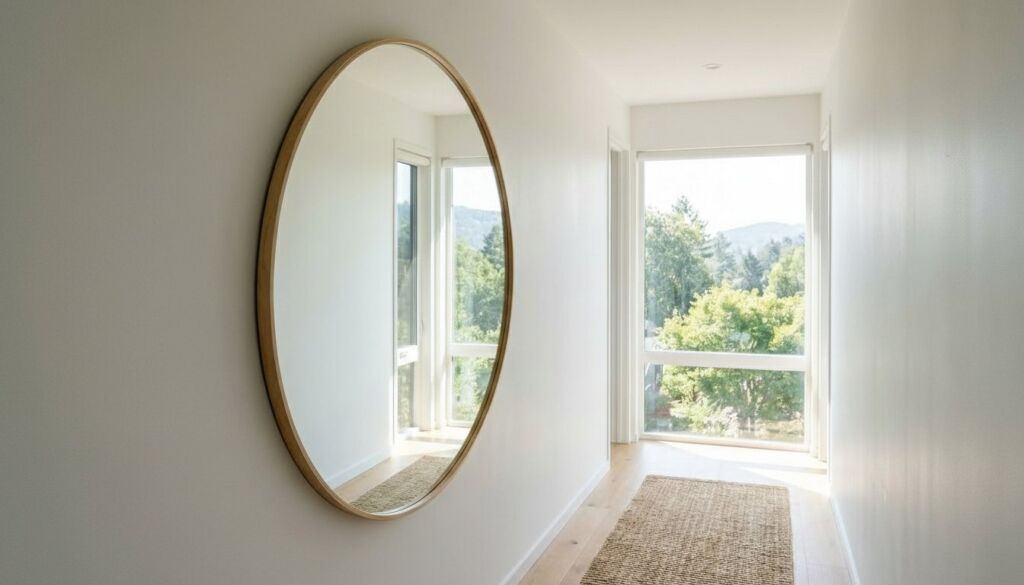
Mirrors are a classic trick for Small Scandinavian House Interiors. Place a large mirror opposite your biggest window. This bounces the light into the dark corners of the room. It also creates a “window” where there isn’t one.
I prefer mirrors with thin wooden frames or no frames at all. A round mirror breaks up the straight lines of the walls and furniture. It adds a softness to the room. In my own small hallway, a floor-to-ceiling mirror made the passage feel twice as wide. It is a cheap fix with a massive result.
16. Functional Kitchen Islands on Wheels
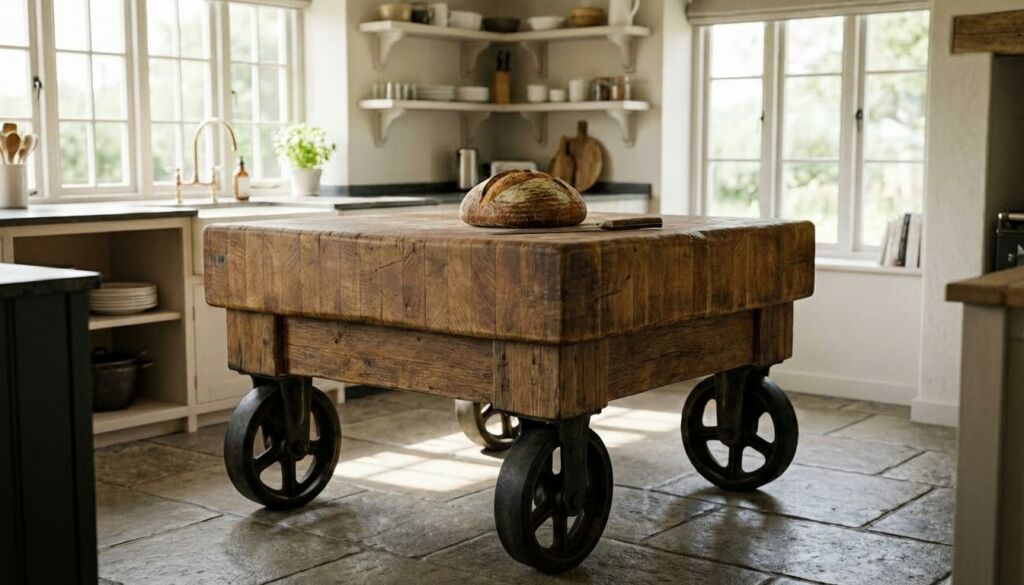
In a tiny cottage, you might need extra counter space one minute and floor space the next. A kitchen island on wheels is the answer. Use one with a thick butcher block top. It serves as a prep station, a dining table, or a craft desk.
When you have guests, roll it to the side. Look for models with shelves underneath. This provides extra storage for heavy pots or cookbooks. I use a small wooden cart in my kitchen. It holds my coffee gear and rolls away when I need to mop the floor. It gives me the utility of a big kitchen in a tiny footprint.
17. Handcrafted Ceramic Accents
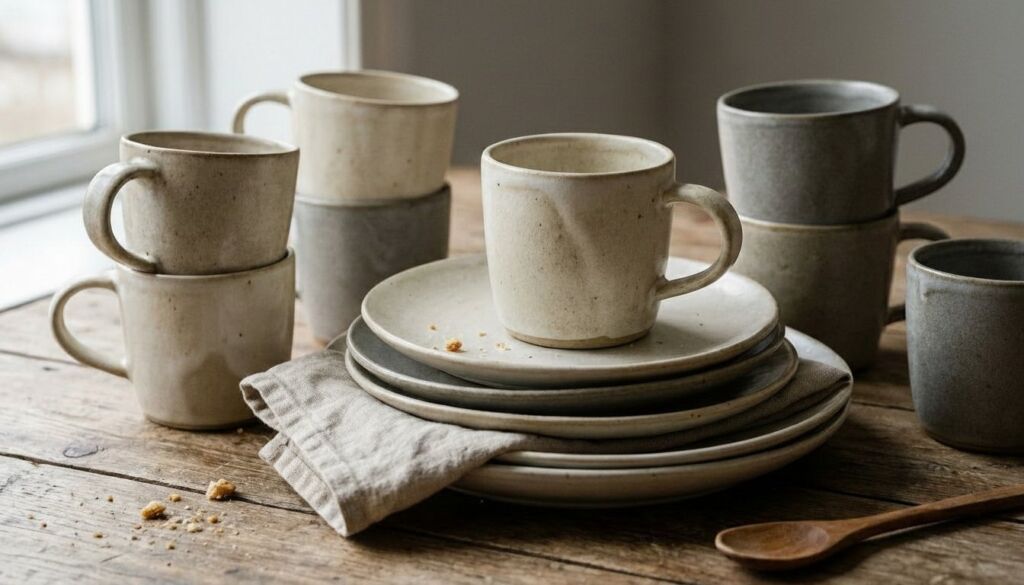
Details matter. Swap your mass-produced plates for handmade ceramics. Irregular shapes and matte glazes add a human touch. These are the Scandinavian Things that people notice. They feel good in your hands.
Display a few ceramic vases on a shelf. You do not need many. One or two well-chosen pieces are enough. I collect small bowls from local potters whenever I travel. Each piece reminds me of a place. This adds a layer of memory to the decor. It makes the minimalism feel personal rather than cold.
Frequently Asked Questions
Many people fear that minimalism feels icy. This happens only if you ignore texture. A room with white walls and a leather sofa will feel cold. A room with white walls, a wool rug, and a wood-burning stove feels incredibly warm. The key is “hygge.” This means creating an atmosphere of warmth and togetherness. Use soft lighting and natural materials to balance the clean lines.
How do I make a small cottage look bigger without moving walls?
Use the floor-to-ceiling trick. Hang your curtains high above the window frame. Use tall, slim shelving units. Keep the floor as clear as possible. Choose furniture with legs rather than pieces that sit flat on the ground. Seeing the floor under a sofa makes a room feel more open. Mirrors and light colors are your best tools for reflecting light and creating depth.
What are the best wood types for Nordic interiors?
Pine, fir, and spruce are traditional cottage choices. They are softwoods and very common in the North. For furniture, ash and oak are preferred for their durability. Birch is another great option. It has a very light color and a fine grain. Avoid dark, tropical woods like mahogany or teak unless they are vintage pieces. The goal is to keep the palette light and airy.
Yes. In fact, you should. A home filled only with new items feels like a showroom. A home with only old items can feel like a museum. Mixing a modern gray sofa with a 1970s wooden coffee table creates balance. It shows that the home has evolved over time. This is a core part of the Retro Scandinavian aesthetic. It values quality and longevity over temporary trends.
Why is lighting so important in this style?
In many parts of Scandinavia, the sun sets at 3:00 PM in the winter. Good lighting is a health requirement. You need layers. Functional light for cooking. Soft light for relaxing. Accent light for art. Using only one bright light in the center of the ceiling creates harsh shadows. Multiple low-wattage lamps create a cozy, safe feeling. It changes how you experience the space.
The most important thing I learned in Sweden was that a home should be a refuge. It is not about showing off. It is about how the space supports your life. A small cottage allows you to focus on what matters. You spend less time cleaning and more time living. Use these 17 ideas to build a space that breathes. Start with the light. Add the wood. Finish with the textiles. Your home will feel like that Dalarna cabin in no time.