
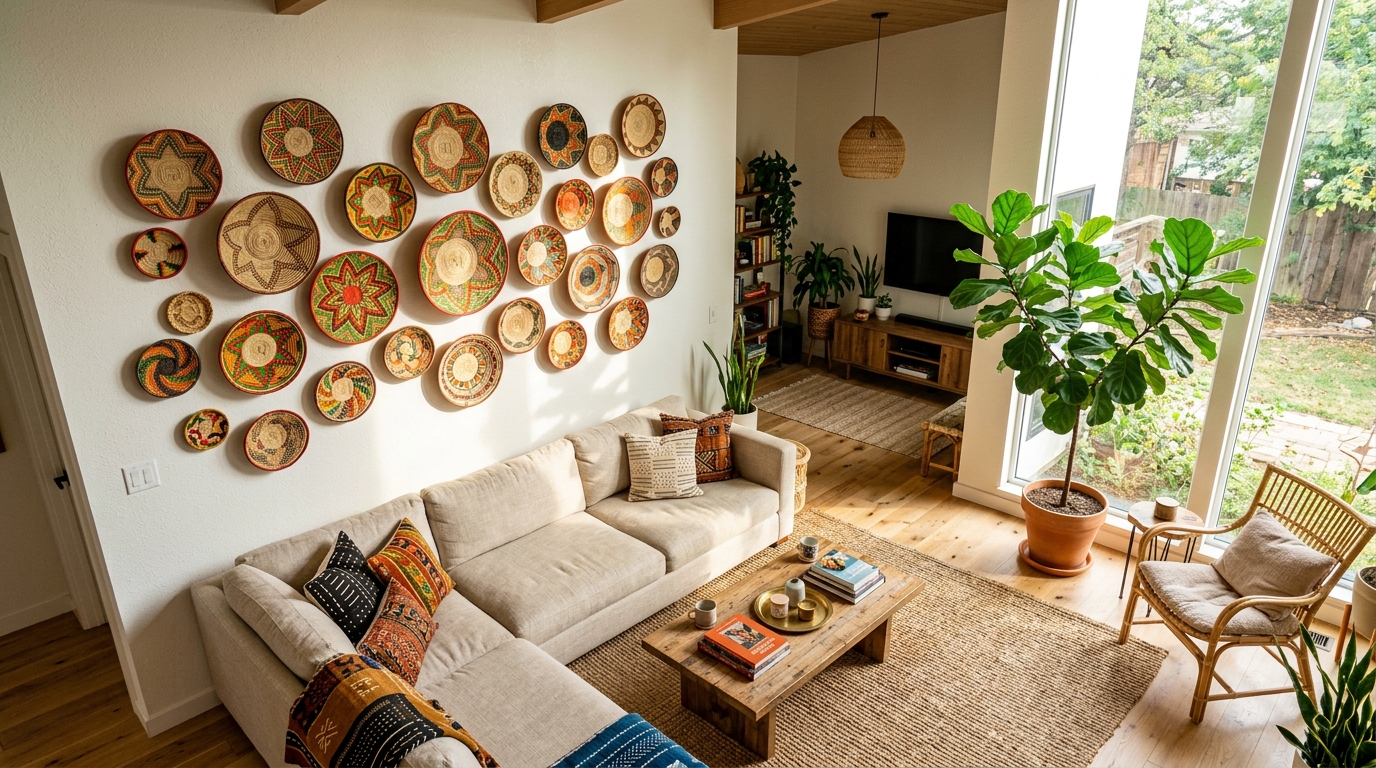
I remember the first time I held a Vintage Ethiopian Basket in a small market outside Addis Ababa. The texture was rough yet intentional. The colors were faded but told a story of decades spent in a family kitchen. That single piece changed how I viewed interior design. It wasn’t just an object. It was a piece of history.
Afrohemian decor is more than a trend. It is a movement that values heritage over mass production. When you incorporate an Ethiopian Basket Bowl into your living space, you are not just hanging art. You are preserving a craft that has survived for centuries. These pieces bring a warmth that modern minimalist furniture simply cannot replicate.
Many people struggle to make their homes feel lived in. They buy generic prints from big box stores. The result is a house that looks like a catalog. Adding Ethiopian Basketry breaks that mold. The organic shapes and geometric Ethiopian Pattern details create a focal point that sparks conversation. It feels human. It feels real.
1. Understanding The Art Of Ethiopian Basketry
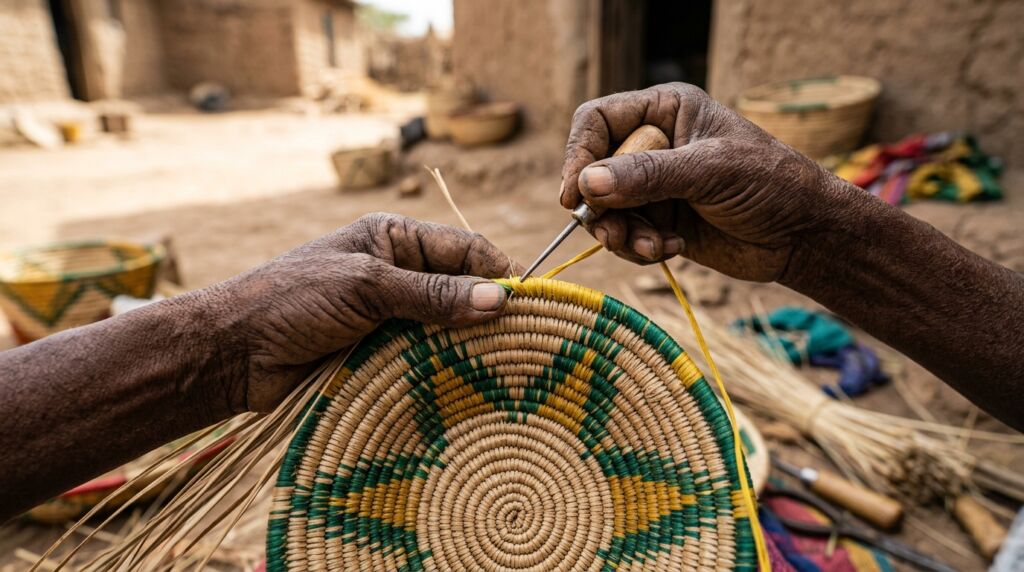
Ethiopian Basketry is a labor of love. Most people assume these are made by machines. They are wrong. Every Traditional Ethiopian Basket Round Backdrop Cover is coiled by hand. The process starts with dried grass and palm leaves.
Artisans use a technique called coiling. They wrap dyed fibers around a core of stiff grass. This makes the baskets incredibly durable. I have seen baskets that are fifty years old still holding their shape.
The complexity of Ethiopian Basket Weaving Patterns is mind blowing. Each region has its own signature. Some use bold primary colors. Others prefer earthy tones. When you buy one, you are seeing the specific fingerprint of the weaver.
2. The Cultural Significance Of The Ethiopian Basket Bowl
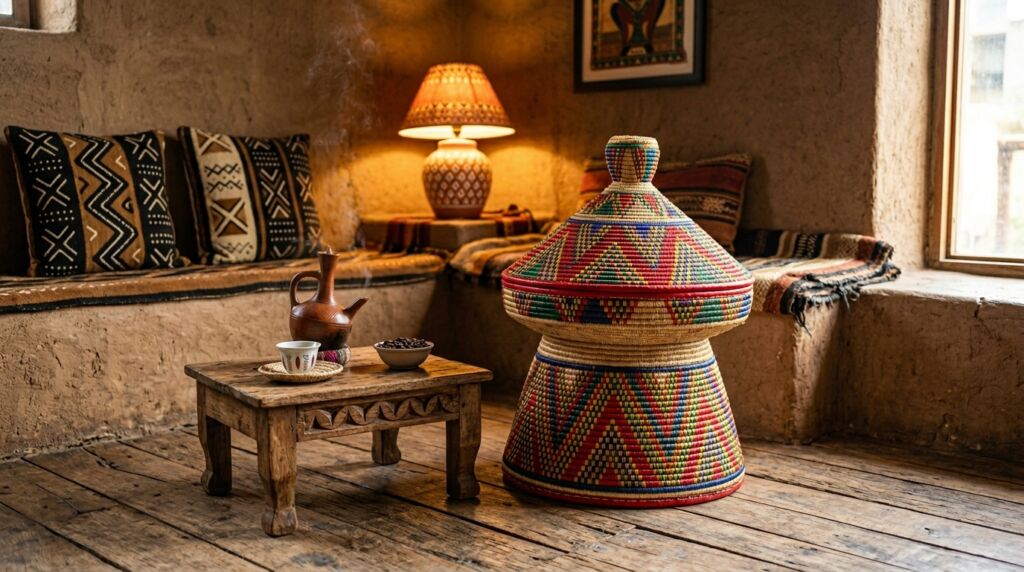
In Ethiopia, these baskets are called Agelgil or Mesob. They are not just for show. They serve a purpose. The Mesob is a large, colorful basket used to serve Injera, the national bread.
Using an Ethiopian Basket Bowl as wall art honors this communal dining tradition. It represents hospitality. In my own home, I keep a shallow basket on the entry table. It reminds me every day that a home should be a place of welcome.
The colors often represent specific meanings. Green symbolizes the land. Yellow represents hope and the church. Red stands for sacrifice and strength. When you choose Ethiopian Baskets With Colorful Patterns, you are choosing a mood for your room.
3. How To Identify A Genuine Vintage Ethiopian Basket
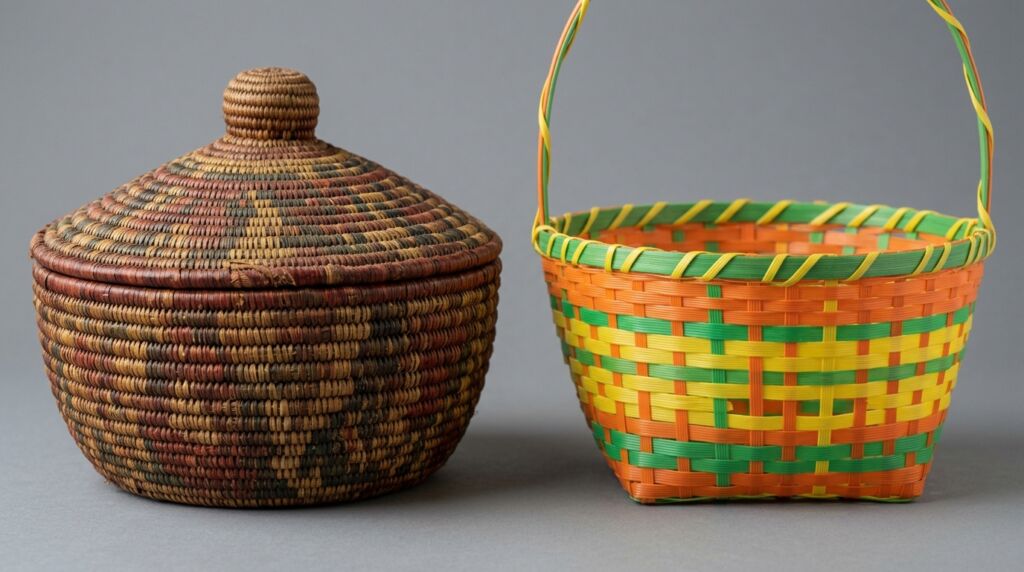
The market is flooded with fakes. I once bought what I thought was an antique piece online, only to find it was made of plastic fibers. It was a hard lesson. Genuine Vintage Ethiopian Basket pieces have weight. They smell like dried grass, not chemicals.
Look for signs of use. A real vintage piece might have slight fading on one side from the sun. The bottom might show wear from being placed on a table. These imperfections are what make it valuable.
Check the tightness of the weave. Authentic Ethiopian Pattern work is tight. You should not be able to pull the coils apart easily. If the weave feels loose or flimsy, it is likely a mass produced souvenir.
4. Designing A Gallery Wall With African Plates Wall Art
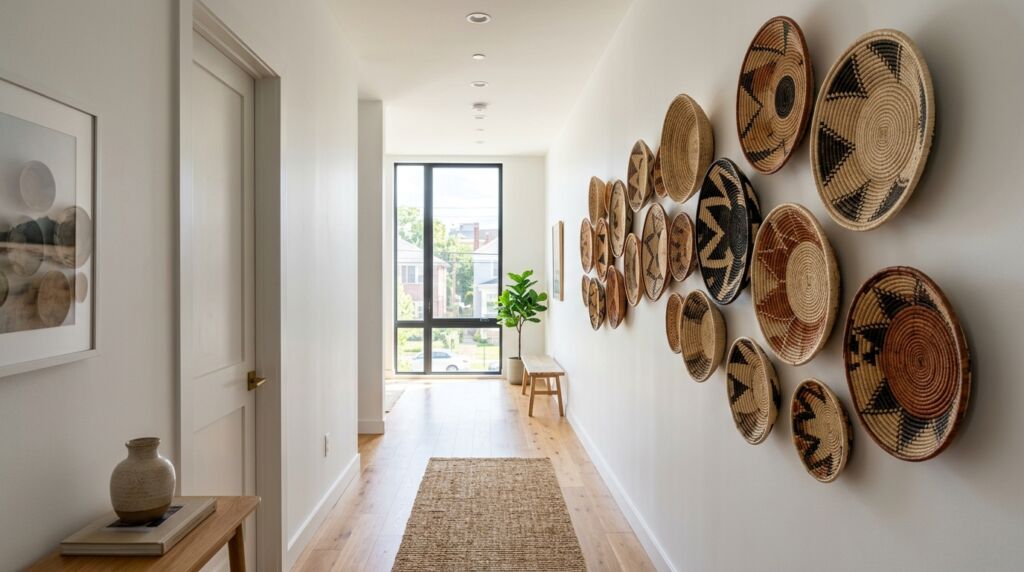
Creating a gallery wall is intimidating. Most people hang things too high or too far apart. With African Plates Wall Art, the goal is a tight, organic cluster.
Start with your largest piece in the center. This is usually a Traditional Ethiopian Basket Round Backdrop Cover. Build outwards from there. Mix different sizes and depths. Some baskets should sit flat against the wall. Others should protrude slightly.
I recommend using 3M command strips for hanging. They don’t damage the fibers. Arrange the pieces on the floor first. Take a photo. Then move them to the wall. This saves you from making unnecessary holes.
5. Master The Mix Of Ethiopian Pattern And Modern Textures
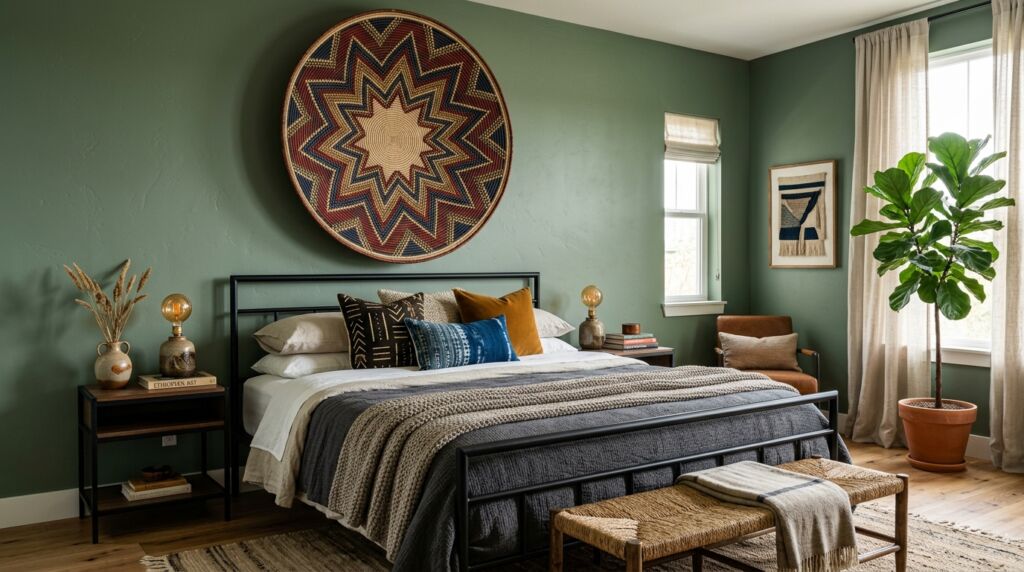
A common mistake is going “too themed.” You don’t want your living room to look like a museum exhibit. The key to Afrohemian style is contrast.
Pair a bold Ethiopian Pattern with a neutral linen sofa. Place an Ethiopian Basket Bowl next to a sleek glass lamp. The juxtaposition makes both items pop.
I love mixing the matte finish of the grass with metallic accents. A brass tray sitting near a group of Ethiopian Baskets With Colorful Patterns creates a high end look. It balances the “earthy” with the “elegant.”
6. The Science Behind Ethiopian Basket Weaving Patterns
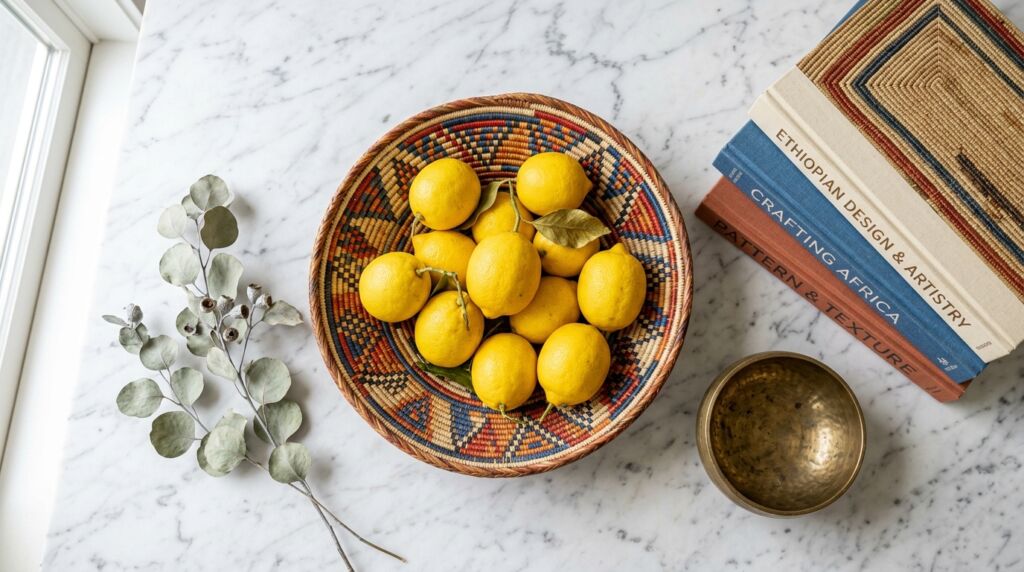
The geometry in these baskets is sophisticated. Weavers don’t use blueprints. They memorize the patterns. The Ethiopian Basket Weaving Patterns often follow mathematical symmetry.
Some patterns represent the “Eye of God.” Others represent the sun or agricultural rows. There is a logic to the repetition. It provides a sense of visual order that calms the brain.
Research shows that looking at fractals and repeating natural patterns reduces stress. This is why a wall covered in Ethiopian Decor feels so soothing. It connects us to natural rhythms.
7. Using A Traditional Ethiopian Basket Round Backdrop Cover
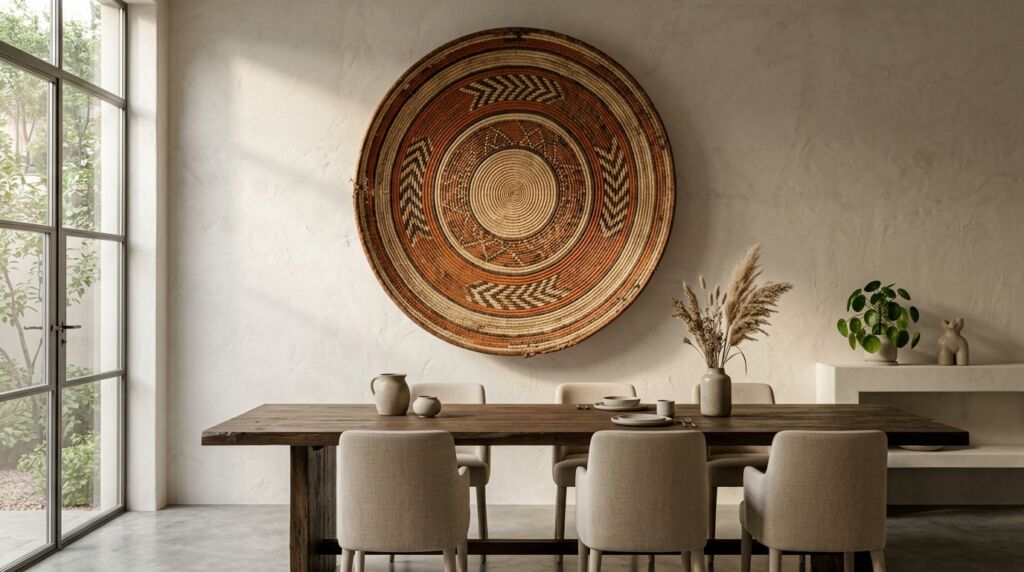
These large, flat discs are the “power players” of Ethiopian Decor. They were traditionally used to cover food or as winnowing trays. On a wall, they act as architectural elements.
If you have a large empty wall over a bed, one massive round cover is better than five small ones. It creates a “halo” effect. It draws the eye upward and makes the ceiling feel higher.
I once used three of these in a row behind a dining table. The transformation was instant. The room went from “boring rental” to “designer loft” in twenty minutes.
8. Sourcing Ethical Ethiopian Decor
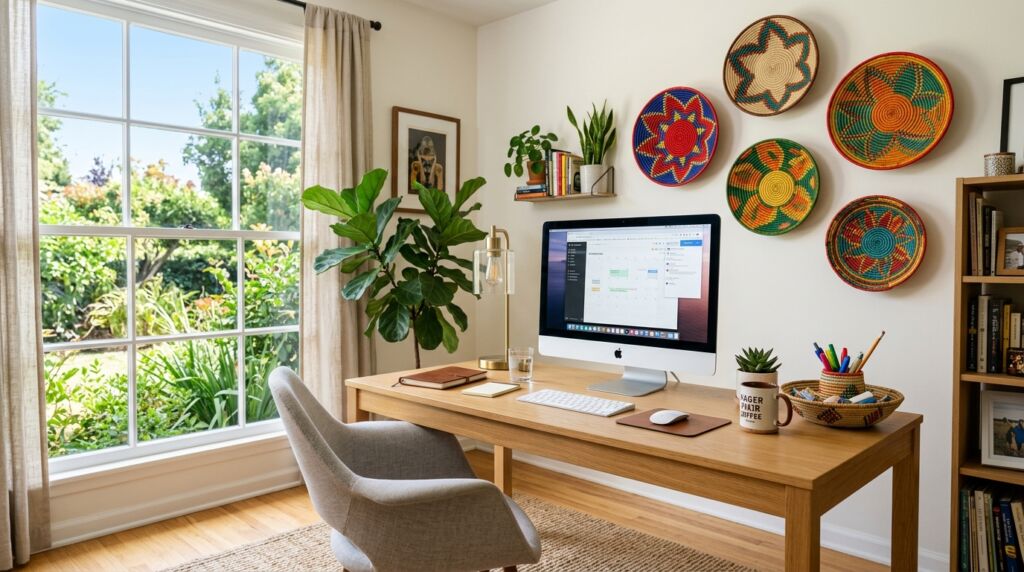
Where you buy matters. I always suggest buying directly from fair trade organizations. This ensures the weaver gets a fair price.
Avoid sites that offer “Ethiopian style” baskets for five dollars. Those are usually made in factories with poor working conditions. A real Ethiopian Basket Bowl takes days or weeks to make. The price should reflect that labor.
Brands like Bolé Road Textiles or local Etsy sellers who source directly from Addis Ababa are great options. I have personally chatted with sellers who can tell me exactly which village a basket came from. That connection is priceless.
9. Cleaning And Preserving Your Ethiopian Basketry
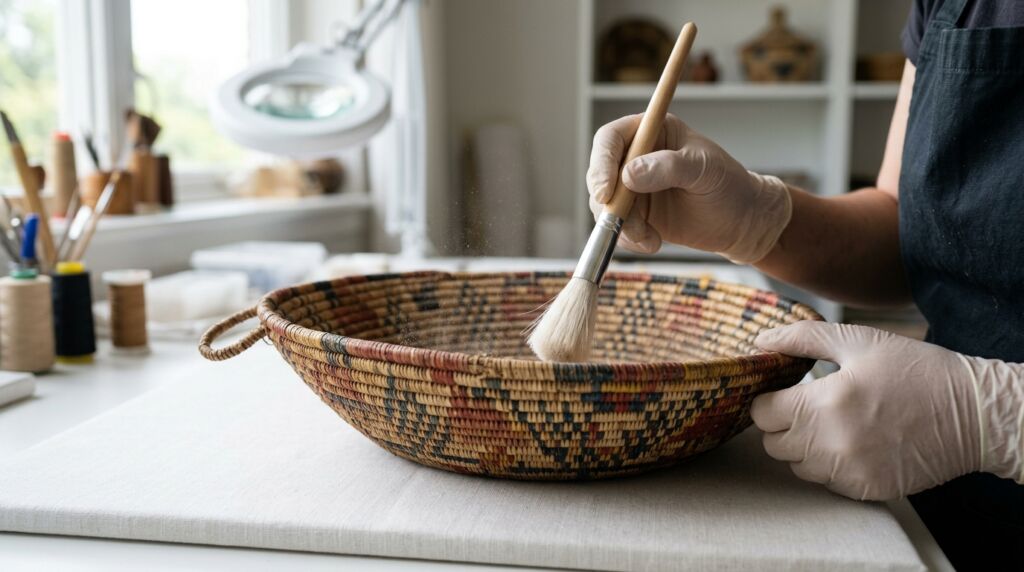
Dust is the enemy of natural fibers. Do not use water to clean your baskets. It can cause the grass to swell and the dyes to bleed.
Use a soft brush or a vacuum with a brush attachment once a month. If a basket gets a stain, use a slightly damp cloth and dab gently. Never rub.
Keep your Vintage Ethiopian Basket out of direct, harsh sunlight. While a little fading adds character, too much sun makes the fibers brittle. Treat them like the heirlooms they are.
10. Styling Ethiopian Baskets With Colorful Patterns
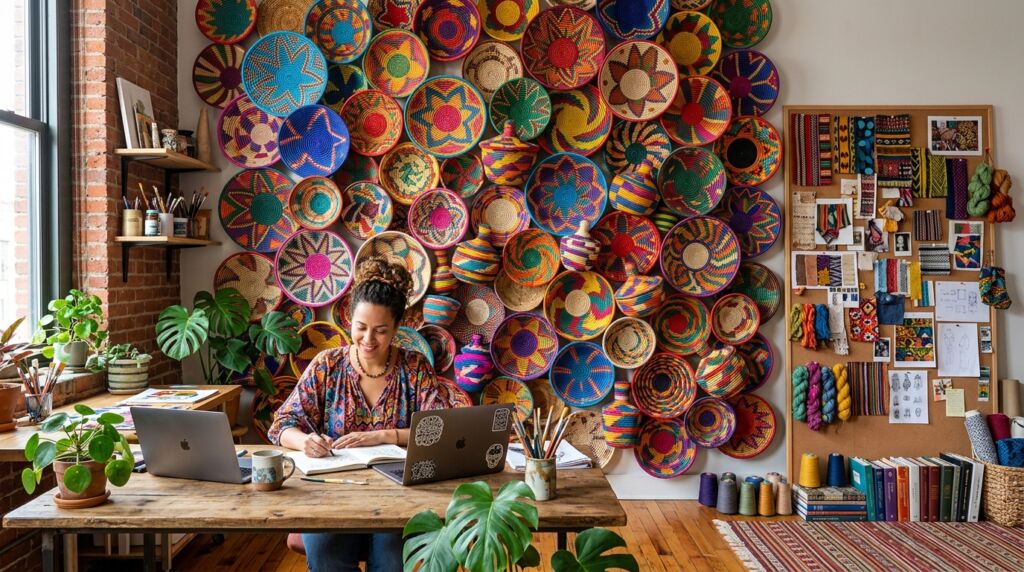
Color coordination is where most people get stuck. If your baskets have bright reds and oranges, pull those colors into your room through pillows or throws.
Don’t be afraid to clash. In Ethiopian culture, color is celebrated. A mix of Ethiopian Baskets With Colorful Patterns in various shades creates a “collected” look.
I find that these baskets look best against white or olive green walls. The colors sing against a clean background. If your walls are dark, choose baskets with a lot of natural, undyed straw to provide contrast.
11. Troubleshooting Common Decor Mistakes
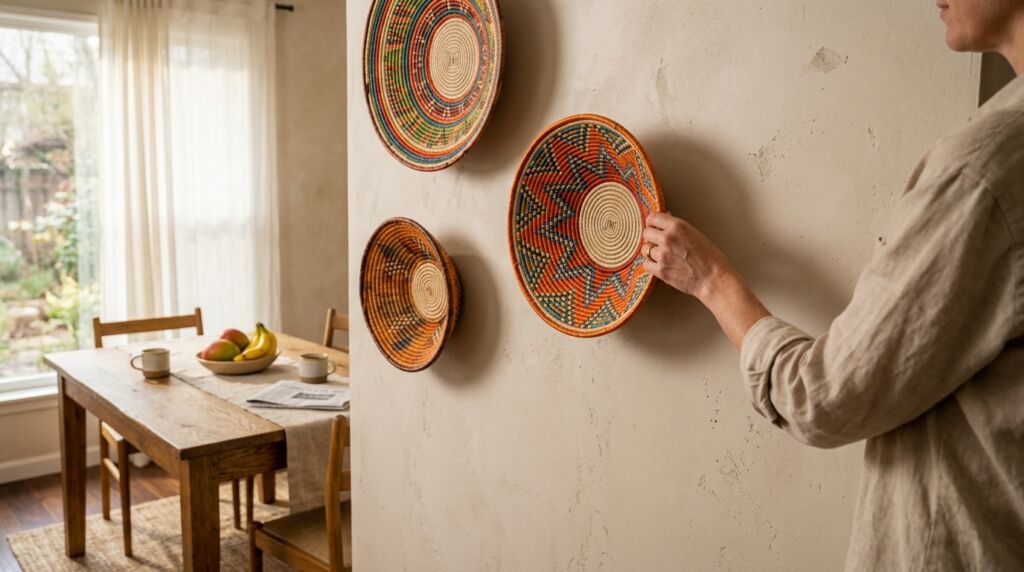
One major mistake is hanging baskets in a straight line. This looks stiff. Nature isn’t linear. Your wall shouldn’t be either.
Another issue is scale. People often buy baskets that are too small for their space. If you have a 10 foot wall, a 12 inch basket will look lost. Cluster small items together to create the illusion of a larger piece.
Lastly, don’t forget the kitchen. An Ethiopian Basket Bowl is perfect for holding fruit or onions. It brings the Afrohemian vibe into a functional space.
12. The Future Of Afrohemian Design

The world is moving toward “slow decor.” We want items that have a soul. Ethiopian Decor fits this perfectly.
I predict we will see more integration of Ethiopian Pattern work in high end hotels and commercial spaces. It provides a warmth that cold modernism lacks.
By investing in these pieces now, you are ahead of the curve. You are building a home that reflects a global perspective. It shows you care about craft, culture, and community.
Comparison Table: Authentic vs. Mass Produced Baskets
| Feature | Authentic Ethiopian Basketry | Mass Produced “Style” Baskets |
| Material | Real dried grass and palm | Plastic, synthetic raffia, or paper |
| Smell | Earthy, hay-like scent | Chemical or odorless |
| Weight | Solid and slightly heavy | Very light, feels hollow |
| Pattern | Slight variations (hand-made) | Perfectly identical (machine-made) |
| Durability | Lasts decades | Fraying within months |
| Price | $40 – $300+ | $5 – $15 |
Tools For Perfect Installation
- Measuring Tape: To ensure equal spacing between clusters.
- 3M Command Hooks: The best way to hang without damaging walls.
- Fishing Line: Useful for hanging baskets from the ceiling or at odd angles.
- Level: Essential for large backdrop covers.
- Spirit Level App: A quick way to check your work using your phone.
Frequently Asked Questions
What is the best way to hang an Ethiopian Basket Bowl?
Use a small nail or a Command hook. Most baskets have a small loop on the back. If they don’t, you can thread a piece of fishing line through the weave to create a hidden hanger.
Are the dyes used in Ethiopian Pattern work safe?
Traditional weavers use natural dyes from plants and minerals. However, some modern pieces use commercial dyes for brighter colors. Always buy from reputable sources if you have chemical sensitivities.
Can I use these baskets in a bathroom?
I would avoid high moisture areas. Steam can soften the fibers and lead to mold over time. Keep them in dry rooms like the living room, bedroom, or hallway.
Why are Vintage Ethiopian Basket prices so high?
You are paying for age, rarity, and the fact that the artisan who made it might no longer be active. These are collectors’ items, not just home goods.
How do I tell if a pattern is truly Ethiopian?
Look for the specific “star” or “diamond” Ethiopian Basket Weaving Patterns. These are culturally specific. Compare them to museum archives online to see authentic examples.
Is Afrohemian decor just a trend?
While the term is newer, the practice of mixing African heritage with bohemian lifestyle is timeless. It focuses on global travel and artisan support, which never goes out of style.
Summary of Next Steps
Your home should be a reflection of your values. If you value art, history, and warmth, start your collection today.
Start small. Buy one Ethiopian Basket Bowl for your coffee table. See how the texture changes the room. Then, look for a Traditional Ethiopian Basket Round Backdrop Cover to anchor a wall.
Afrohemian design is a journey. It is about collecting pieces over time, not buying a room in a box. Each basket you add tells a story. What will your home say about you?


