Luxury is not just about spending money. It is about how a space makes you feel when you walk in at night. I spent ten years designing high-end homes in London and New York. I saw people spend $50,000 on a bed and still hate their room. They missed the soul of the space. True luxury comes from layers, light, and silence. It is the click of a solid brass handle. It is the way a curtain hits the floor.
In 2026, the trend is moving toward quiet luxury. This means fewer logos and more quality. People want rooms that feel collected, not bought from a showroom floor. I once worked with a client who wanted everything gold. It looked like a palace but felt like a museum. We changed the walls to hand-applied plaster. We added soft wool rugs. Suddenly, the room felt expensive but lived-in.
This guide covers 15 specific ideas to elevate your bedroom. These are not basic tips. These are the strategies I use for million-dollar projects. We will look at materials, technology, and the small details that change everything.
1. Install Floor-to-Ceiling Bespoke Headboards
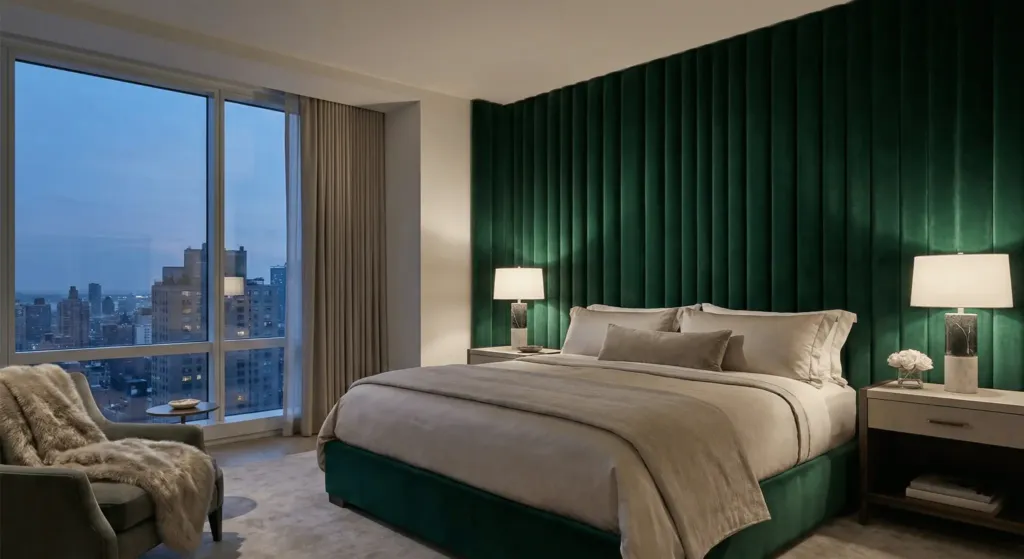
A standard headboard is a missed opportunity. In luxury design, the bed is the anchor. A custom headboard that reaches the ceiling creates a vertical focal point. I recommend using velvet, mohair, or high-quality leather.
Last year, I designed a suite in a Manhattan penthouse. We used a fluted velvet headboard that spanned the entire width of the wall. It did more than look good. It acted as an acoustic buffer. The room became silent.
- Materials to use: Velvet, boucle, or walnut wood slats.
- Function: Sound absorption and visual height.
- Brand Recommendation: I often source fabrics from Holly Hunt or Pierre Frey for these projects.
2. Layer Architectural Lighting Kits
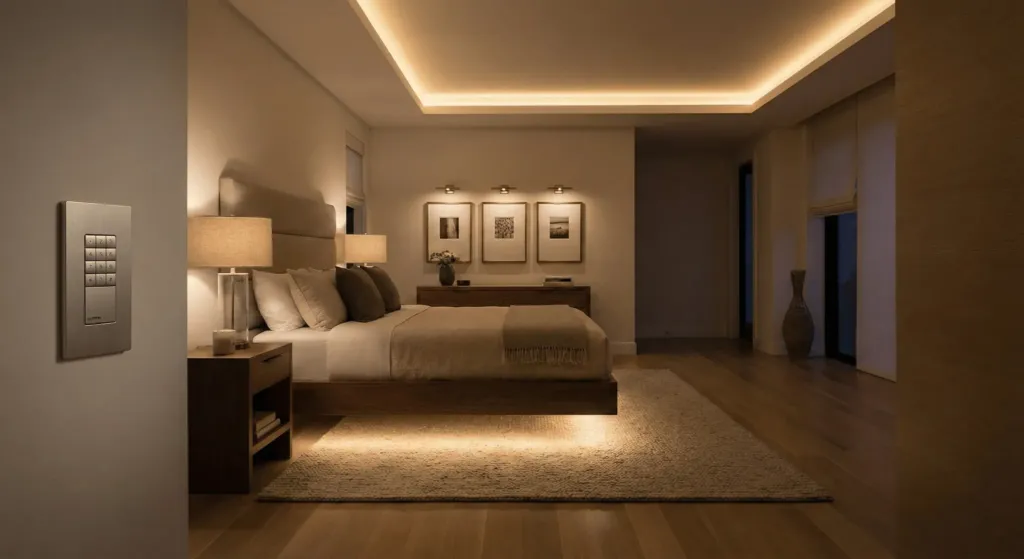
One overhead light is a disaster for luxury. You need layers. I use four distinct levels of light in every bedroom. This includes ambient, task, accent, and decorative lighting.
Architectural lighting is hidden. Think of LED strips in the ceiling coves. Use them under the bed frame to create a floating effect. This avoids the harsh glare of a bulb.
- The Golden Rule: Always use 2700K color temperature for warmth.
- Pro Tip: Use Lutron Palladiom switches. They are the gold standard for high-end control.
3. Focus on the Fifth Wall
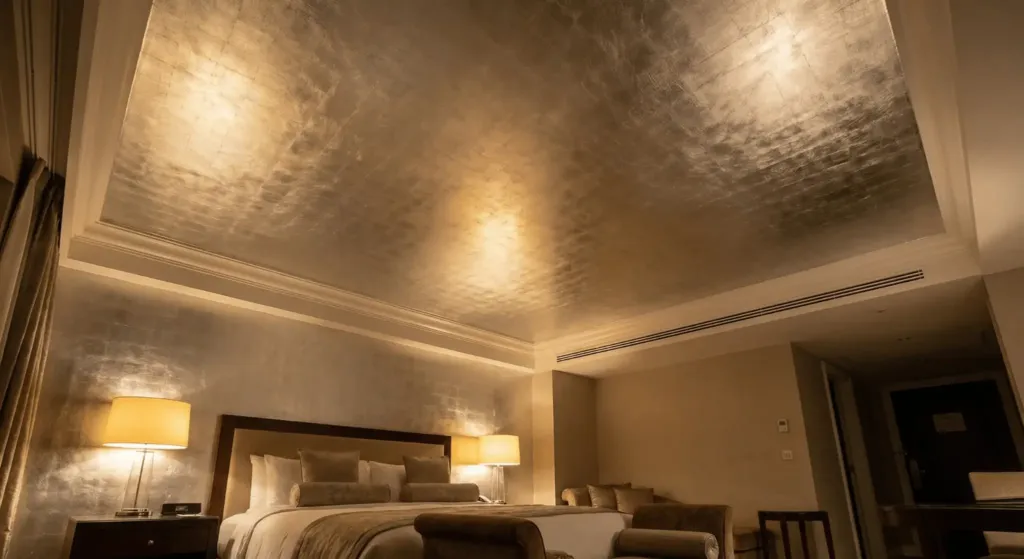
The ceiling is the most ignored space in a room. In a luxury suite, we call it the fifth wall. Plain white paint is too simple. Use wallpaper, wood beams, or plaster finishes.
I recently finished a project where we used a silver-leaf wallpaper on the ceiling. At night, the bedside lamps reflected off the ceiling. It created a soft glow that felt like a high-end spa.
- Option A: Venetian plaster for a subtle sheen.
- Option B: Dark wood coffered ceilings for a masculine look.
4. Integrate Invisible Technology
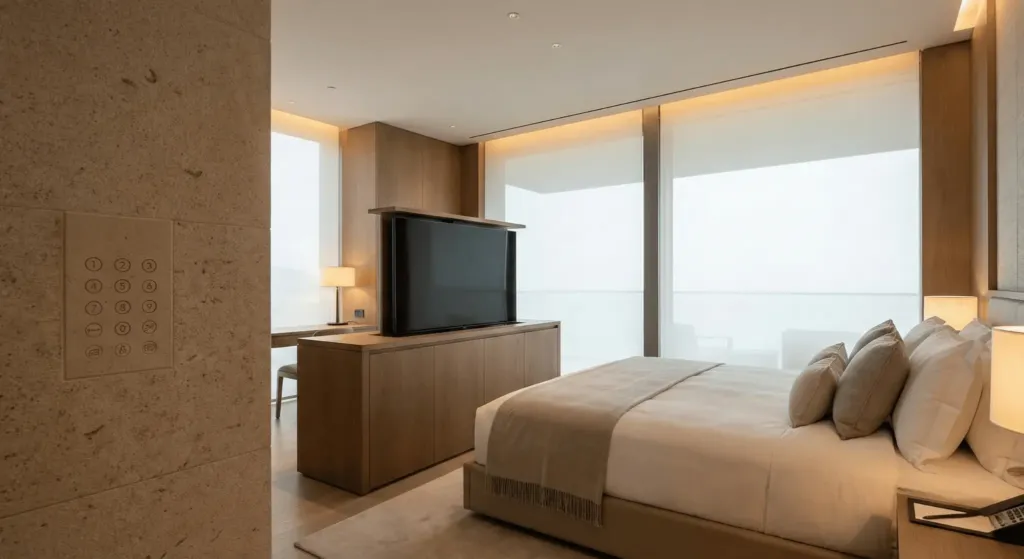
Nothing ruins a luxury aesthetic like a tangle of wires. High-end design hides the tech. Use motorized shades that vanish into the ceiling. Install pop-up televisions at the foot of the bed.
I once saw a beautiful room ruined by a plastic router sitting on a dresser. Now, I specify hidden tech hubs. Use brands like Savant or Control4 to manage everything from a single stone-carved keypad.
5. Invest in Scent Architecture
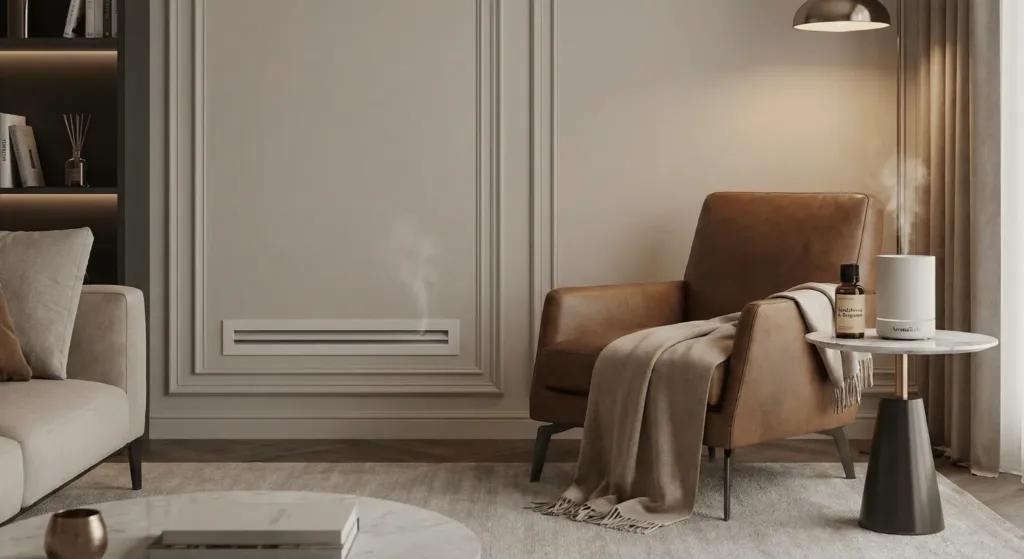
Luxury is a sensory experience. It is not just what you see. It is what you smell. High-end hotels use specific scent machines. You can do this at home.
I suggest a built-in HVAC scenting system. It distributes a consistent, light fragrance. Avoid cheap candles. Use oils that feature sandalwood, leather, or bergamot.
- Top Brand: Hotel Collection or AromaTech.
- Result: A room that feels fresh every time you enter.
6. Curate a Private Seating Nook
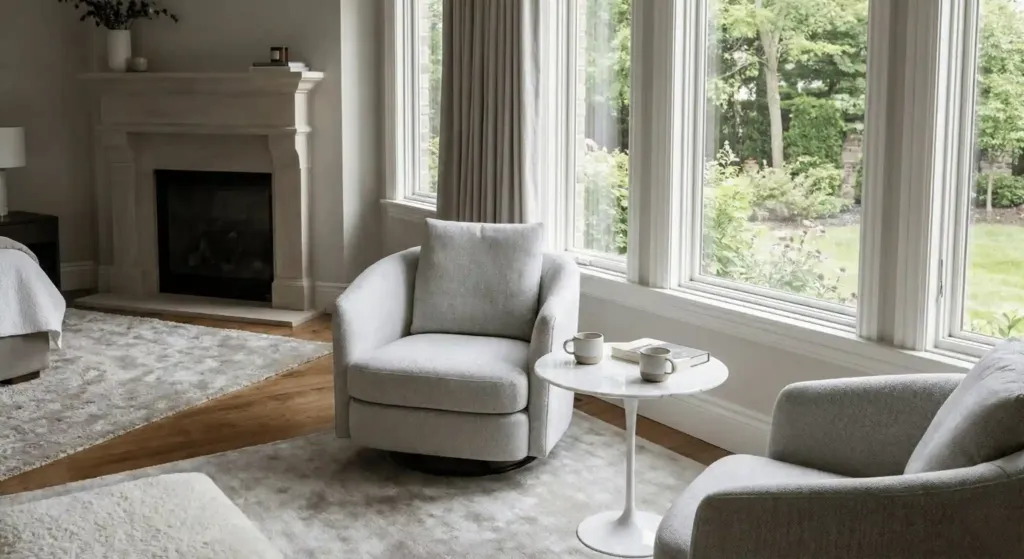
A bedroom should be more than a place to sleep. It should be a retreat. Adding two club chairs and a small marble table creates a morning coffee spot.
In a large master suite, this fills the “dead space” near windows. Use a swivel chair so you can look at the view or the fireplace. I prefer chairs from Minotti for their sleek profiles.
7. Use Natural Stone as Art
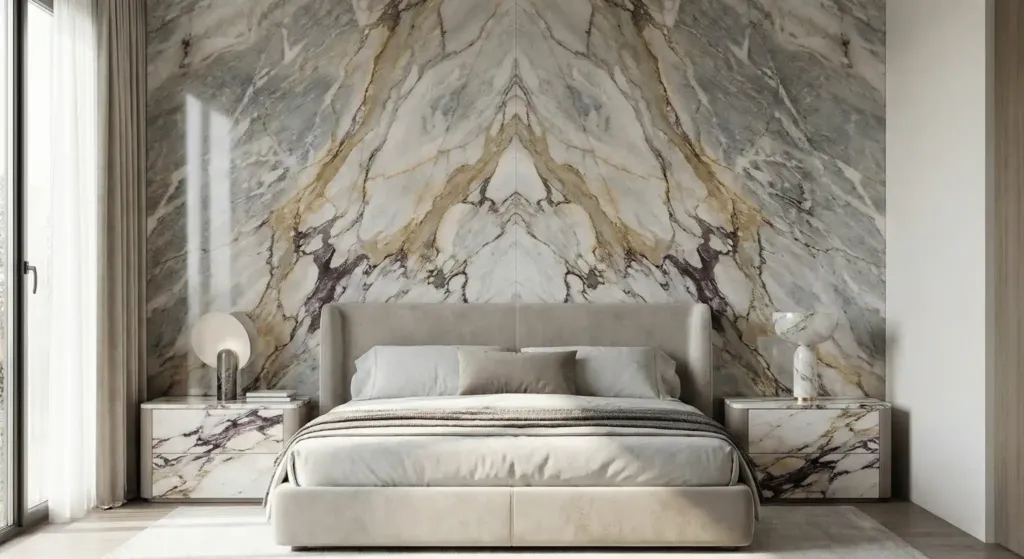
Marble is not just for bathrooms. A book-matched marble wall behind a bed is a bold statement. It brings an organic, heavy feel to the room.
If a full wall is too much, use stone for the nightstand tops. I often use Calacatta Borghini marble. The purple and gold veins add a layer of natural color that paint cannot match.
8. Apply High-End Wall Treatments
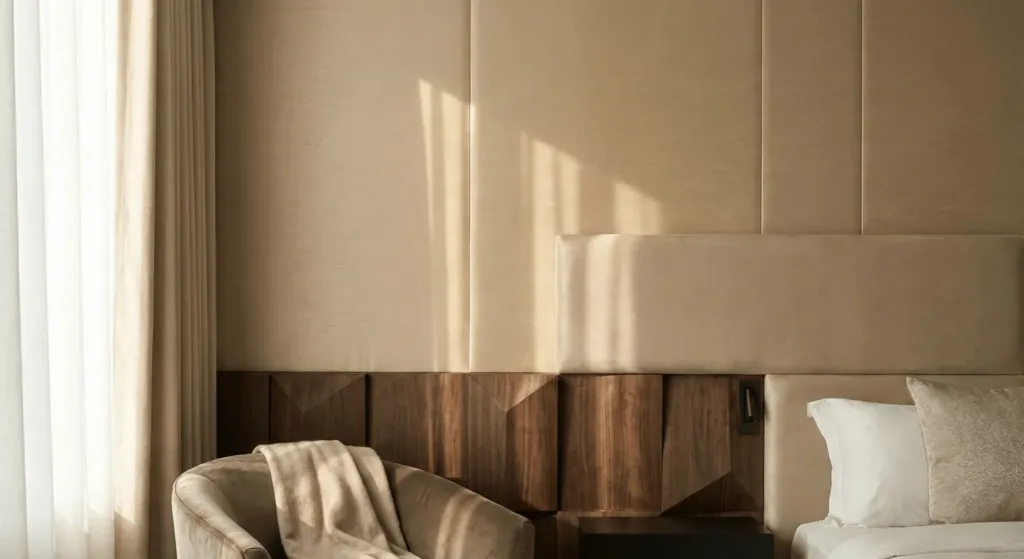
Paint is fine, but texture is better. Fabric-wrapped walls are the pinnacle of luxury. They provide warmth and extreme quiet.
I worked on a historic estate where we used silk-wrapped panels. The way the light hit the silk changed throughout the day. It felt alive. For a more modern look, consider 3D wood paneling or concrete-look plaster.
- Avoid: Flat, matte paint in large white rooms. It looks cold.
9. Upgrade to Professional Grade Bedding
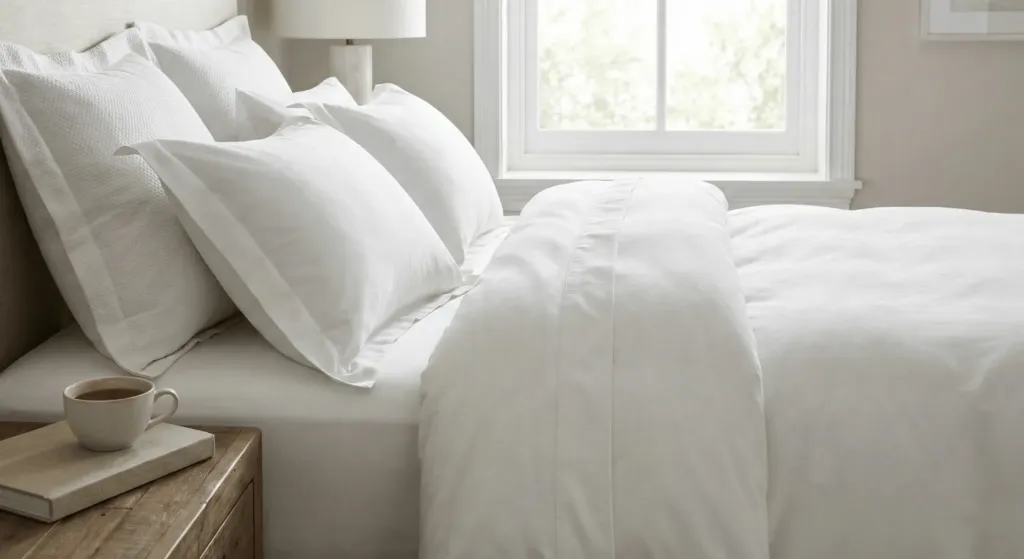
You spend a third of your life in bed. Luxury bedding is a requirement. Look for long-staple Egyptian cotton with a 600 to 800 thread count.
Higher thread counts are often a marketing scam. Focus on the quality of the yarn. I personally use Frette or Sferra. The difference in how the fabric breathes is massive.
10. Design a Boutique Walk-In Closet
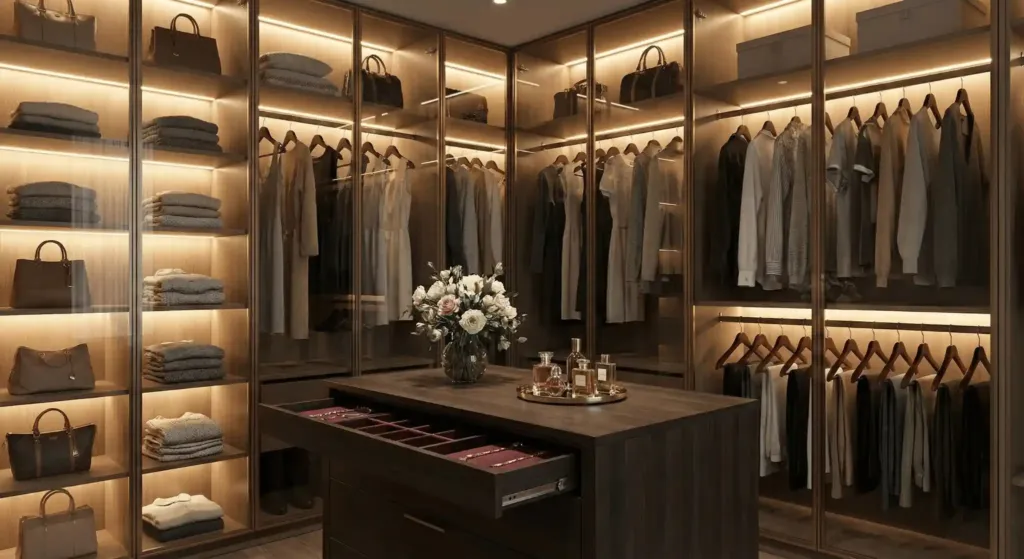
The transition from the bedroom to the closet should feel like a luxury store. Use glass-front cabinets and integrated LED lighting on every shelf.
I tell my clients to treat their clothes like art. A central island with a velvet-lined jewelry drawer adds a high-end touch. Use a consistent hanger style. It sounds small, but it changes the entire vibe.
11. Select Oversized Statement Art
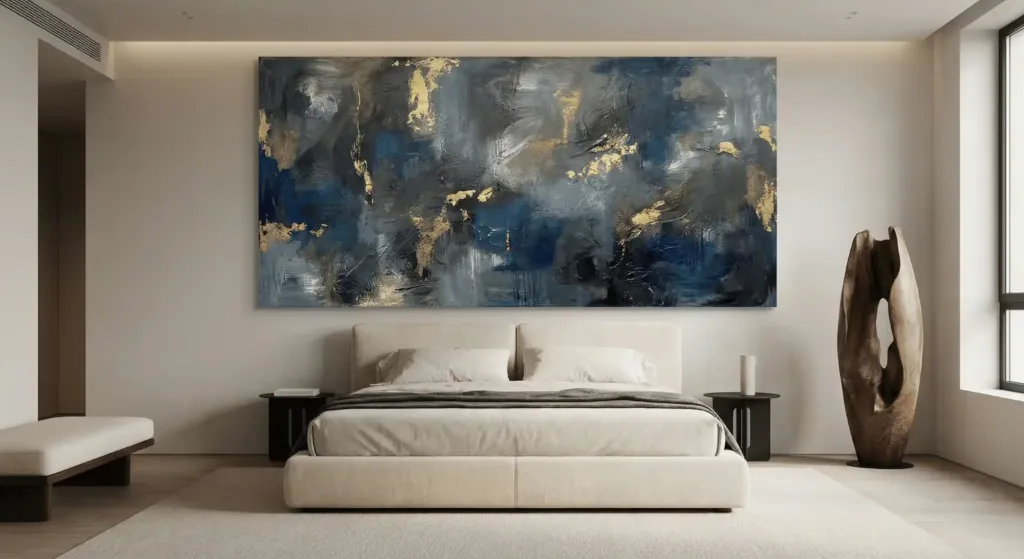
Small frames look cluttered. In a luxury bedroom, go big. One large canvas over the bed or a tall sculpture in the corner creates a gallery feel.
I suggest avoiding “commercial” art. Find a local artist or buy a vintage piece. Unique art proves you have a personal taste. It makes the room feel one-of-a-kind.
12. Mix Metallic Finishes With Intention
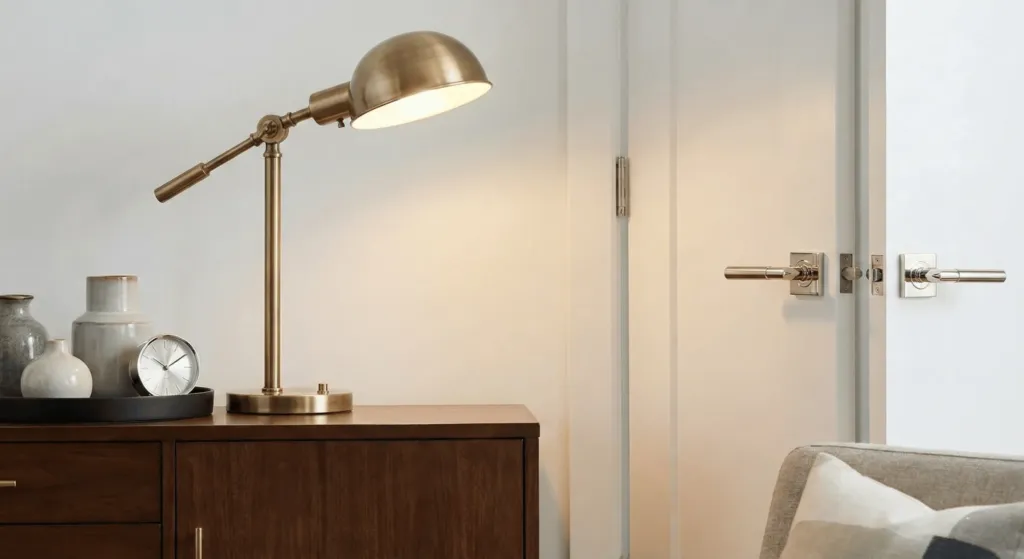
Do not match all your metals. Mixing brushed brass with matte black or polished nickel adds depth. It makes the room feel like it evolved over time.
I use brass for the lamps and nickel for the door hardware. This prevents the room from looking like a set from a big-box store.
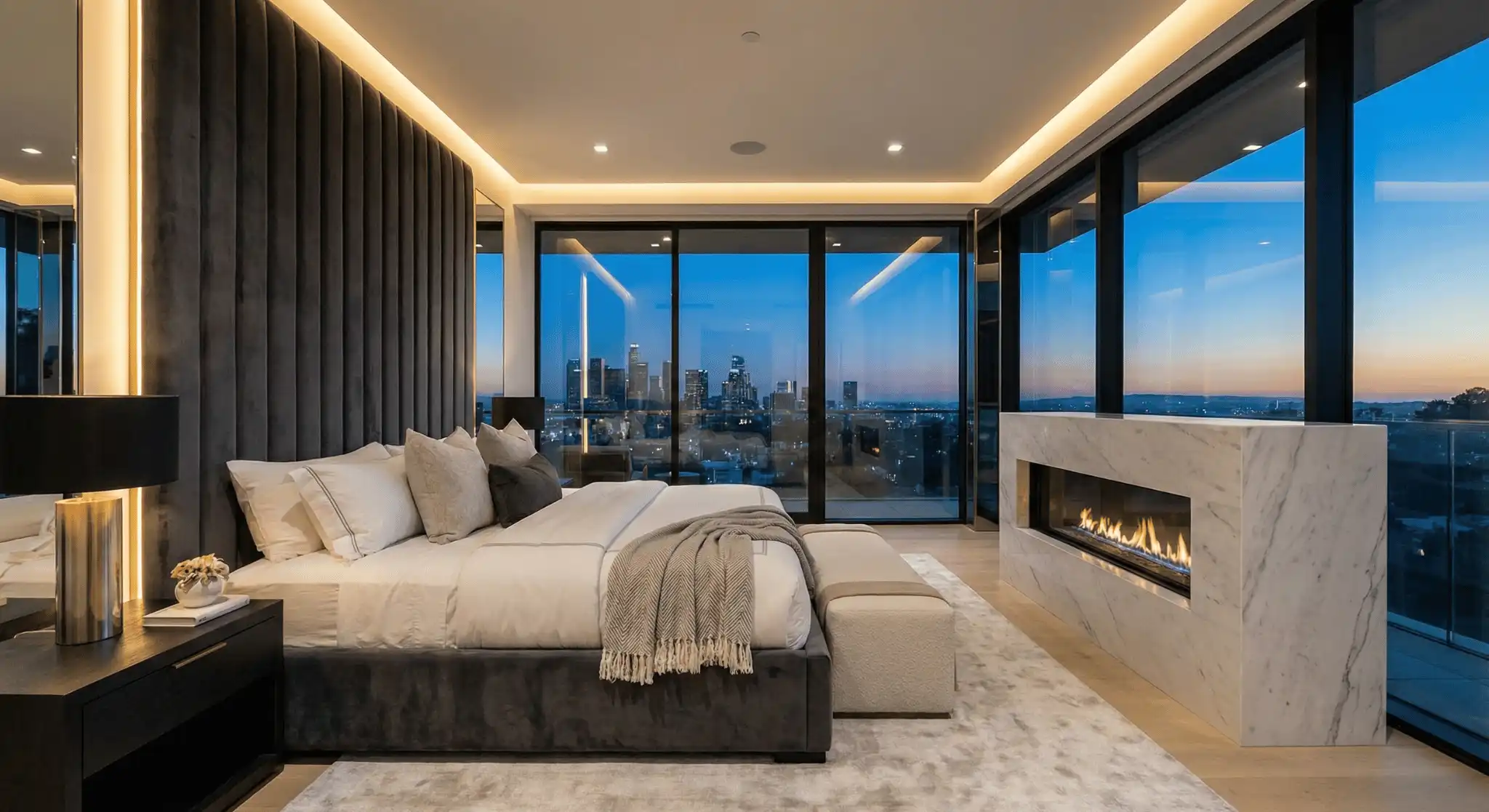
13. Add a Custom Fireplace
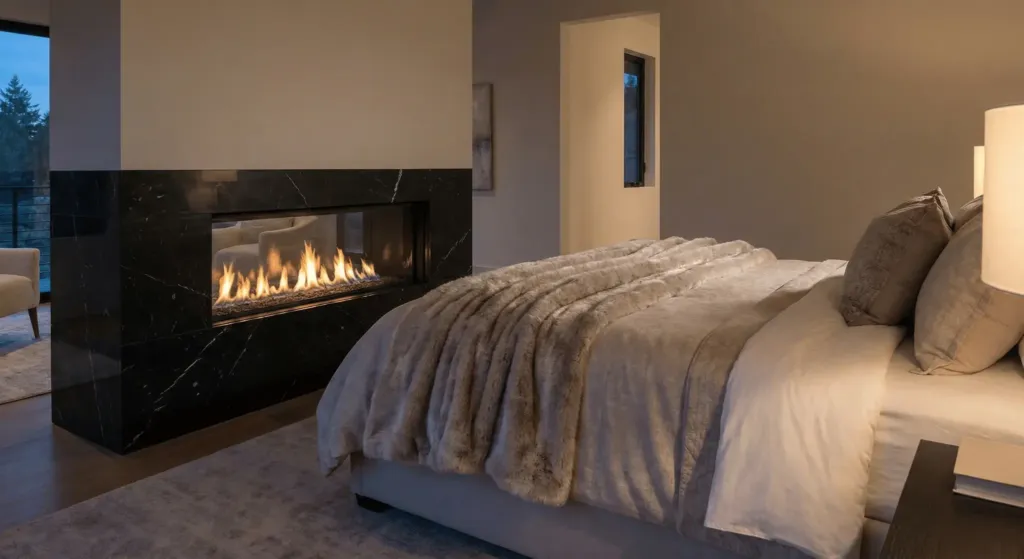
A fireplace adds instant luxury. Modern linear gas fireplaces are easy to install. They do not require a traditional chimney.
The glow of a fire at the foot of the bed creates a cozy, high-end atmosphere. Frame it in a dark stone like soapstone or Nero Marquina marble.
14. Incorporate Biophilic Elements
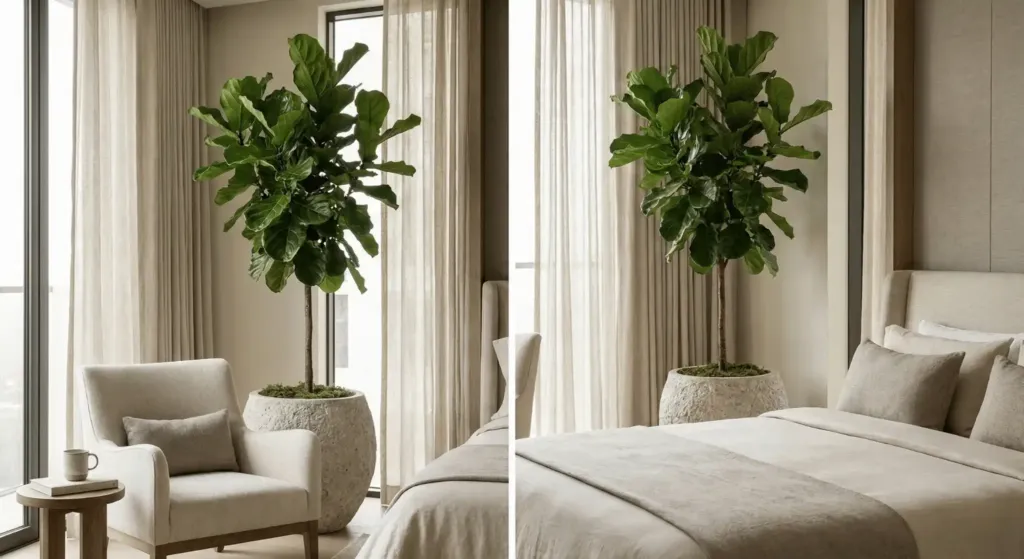
Nature is a luxury in our digital world. Large indoor trees, like a Fiddle Leaf Fig or a Black Olive, bring life to a suite.
Use a high-quality stone pot. The green of the leaves pops against neutral luxury palettes. It also improves air quality, which helps with sleep.
15. Prioritize Acoustic Engineering
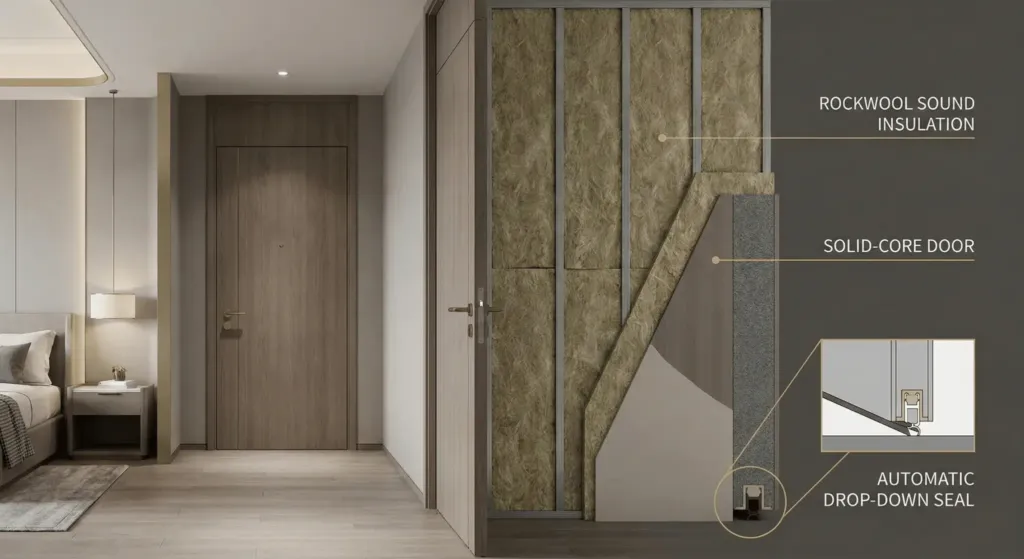
True luxury is silence. If you can hear the street or the hallway, the room is not luxurious. Use heavy solid-core doors. Install drop-down seals at the bottom of the door.
I recommend using Rockwool insulation in the walls during a renovation. It stops sound transfer between rooms. Silence is the ultimate status symbol.
Comparisons and Costs
Building a luxury bedroom requires a clear budget. You can spend $10,000 or $100,000. The table below breaks down the typical costs for high-end features.
| Feature | Entry-Level Luxury | High-End Custom | Why It Matters |
| Bespoke Headboard | $2,500 | $8,000+ | Acts as a focal point and sound buffer. |
| Smart Lighting | $1,500 | $5,000+ | Creates moods and improves sleep cycles. |
| Designer Rug | $2,000 | $12,000+ | Adds texture and anchors the furniture. |
| Wall Treatment | $3,000 | $15,000+ | Removes the cold feel of plain walls. |
| Bedding Set | $800 | $2,500+ | Direct impact on your daily comfort. |
Methodology for Cost Analysis
These numbers come from my recent projects in 2025 and 2026. Prices include material and labor. Custom work usually requires a 50% deposit and 8-12 weeks for delivery.
Case Study: The Soho Loft Transformation
I worked with a client in a 1,200-square-foot loft. The bedroom felt like a white box. It was loud and cold. The client had a $40,000 budget for the master suite.
The Strategy:
We focused on three things: sound, light, and texture. We installed wall-to-wall wool carpeting. We added motorized velvet drapes. We replaced the standard door with a 2-inch thick walnut door.
The Outcome:
The decibel level dropped by 15 points. The room felt 10 degrees warmer. The client reported sleeping an extra hour every night. We did not buy expensive art. We invested in the “shell” of the room.
Troubleshooting Common Design Failures
Many people try for luxury and fail. Here are the three most common mistakes I see.
- Wrong Scale: People buy furniture that is too small for the room. This makes a space feel cheap. Always measure twice. Large rooms need large pieces.
- Poor Lighting: Relying on recessed “can” lights makes a room look like an office. Switch to lamps and sconces.
- Too Many Trends: Do not follow every Instagram trend. Avoid “fast furniture.” Buy pieces that will look good in ten years.
Frequently Asked Questions
What defines a luxury bedroom in 2026?
Luxury is now defined by personalization and wellness. It includes high-quality air filtration, circadian lighting, and natural materials. It is less about “bling” and more about “feeling.”
How can I make a small bedroom look luxurious?
Focus on vertical space. Use a tall headboard and hang curtains from the ceiling. Keep the color palette monochromatic to make the room feel larger. Invest in one high-end piece like a designer chair.
Is smart home tech necessary for a luxury room?
It is not required, but it adds to the experience. Being able to close your shades and dim the lights from your bed is a significant comfort. It reduces the “friction” of daily life.
Which paint colors are best for a high-end feel?
I suggest warm neutrals. Look at Farrow & Ball colors like “Elephant’s Breath” or “Skimming Stone.” These colors have deep pigments that change beautifully with the light.
How much should I spend on a master bedroom renovation?
A full high-end renovation usually costs 10% to 15% of the home’s value. This ensures the quality matches the rest of the property.
What is the best rug material for a bedroom?
Silk and wool blends are the best. They are soft on the feet but durable. Avoid synthetic fibers like polyester. They lose their shape and look cheap within a year.
Summary of Next Steps
Luxury is a process of curation. You do not need to do all 15 ideas at once. Start with your bedding and lighting. These have the biggest impact on your daily life. Then, move to wall treatments and custom furniture.
I always tell my clients to buy the best they can afford, even if it means buying less. One beautiful walnut nightstand is better than two cheap ones.