Skip to content Skip to footer

The Market Street Historic Scan-to-BIM

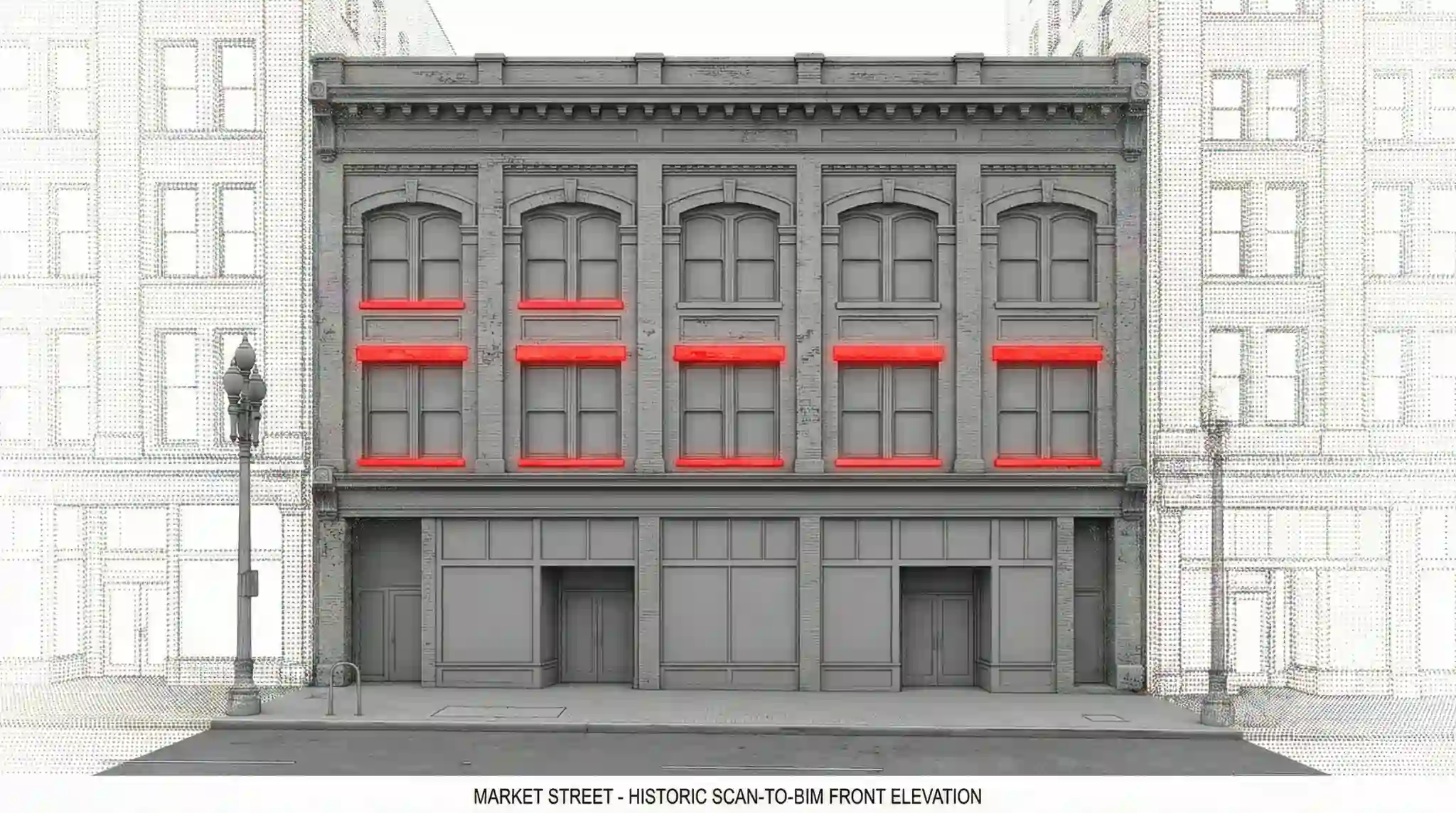
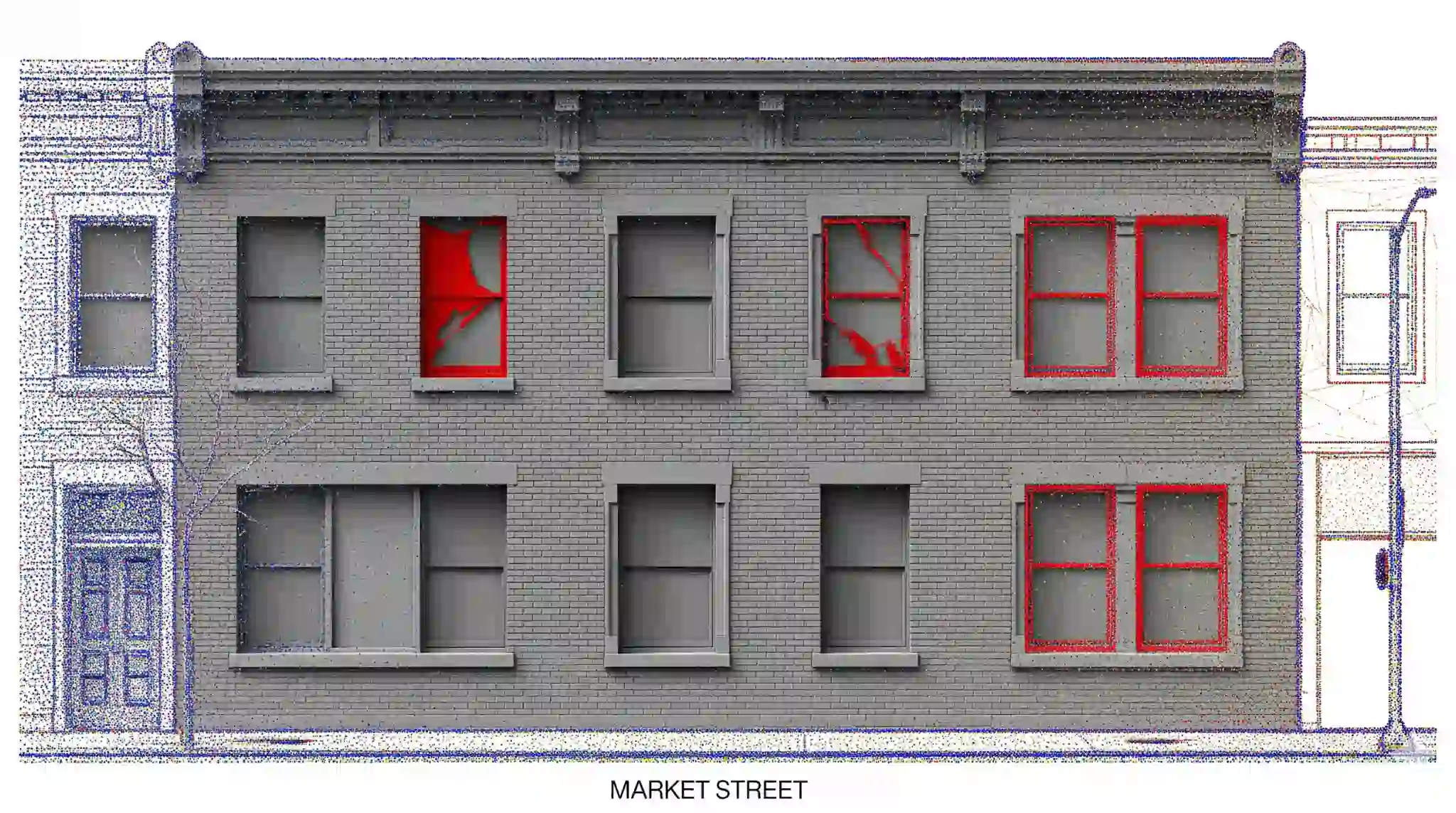
Renovating a commercial building on Market Street is an archaeological dig. Our client purchased a 1910 masonry building with zero existing blueprints. The interior was a maze of unmapped columns, sagging floors, and century-old piping. The architect could not begin their design because they did not know the true dimensions of the shell. They needed a forensic-level 3D model that captured every leaning wall and bowing beam to an accuracy of 5 millimeters. Without this, any prefabricated steel they ordered would likely not fit, leading to massive construction delays.

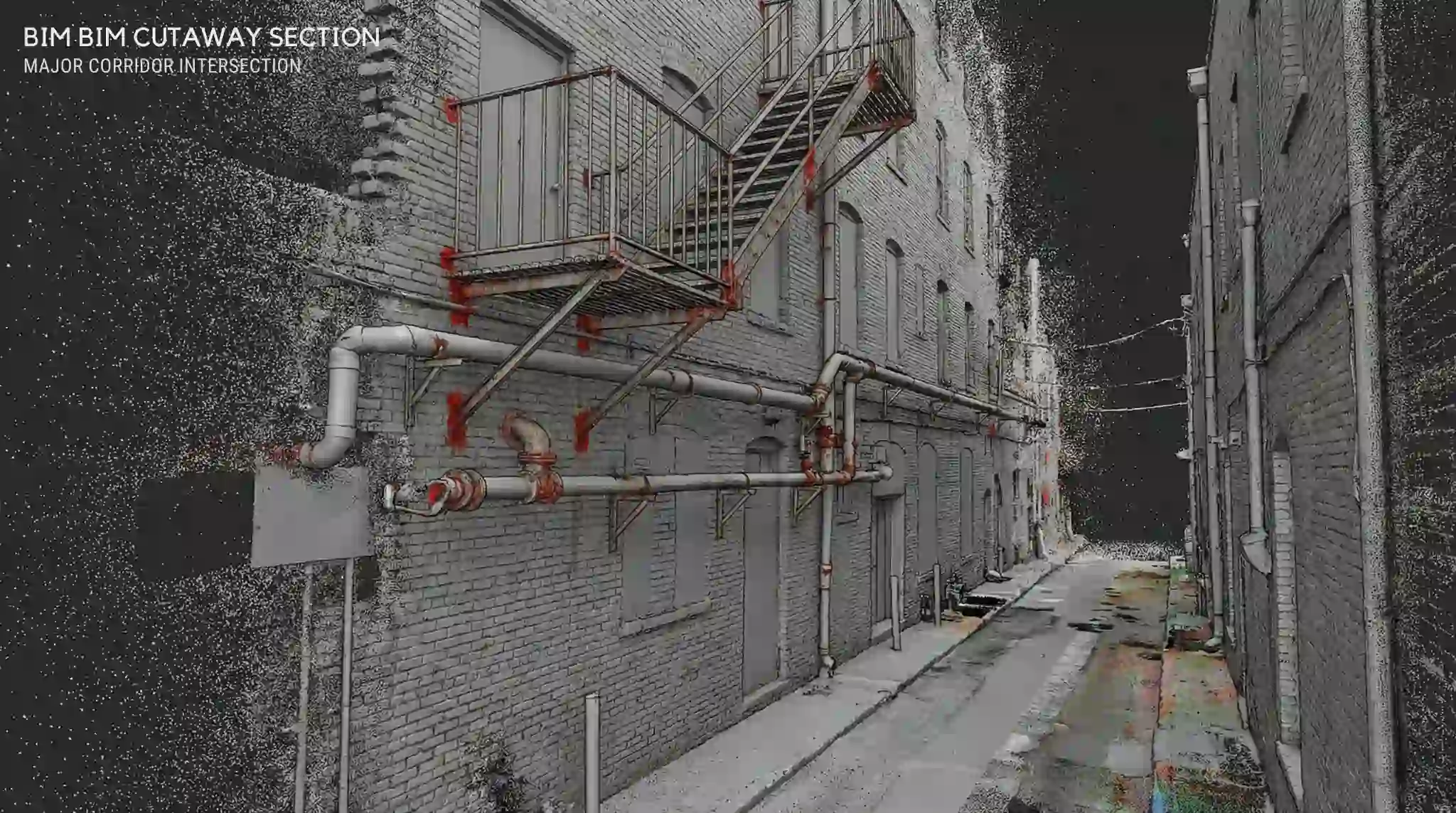
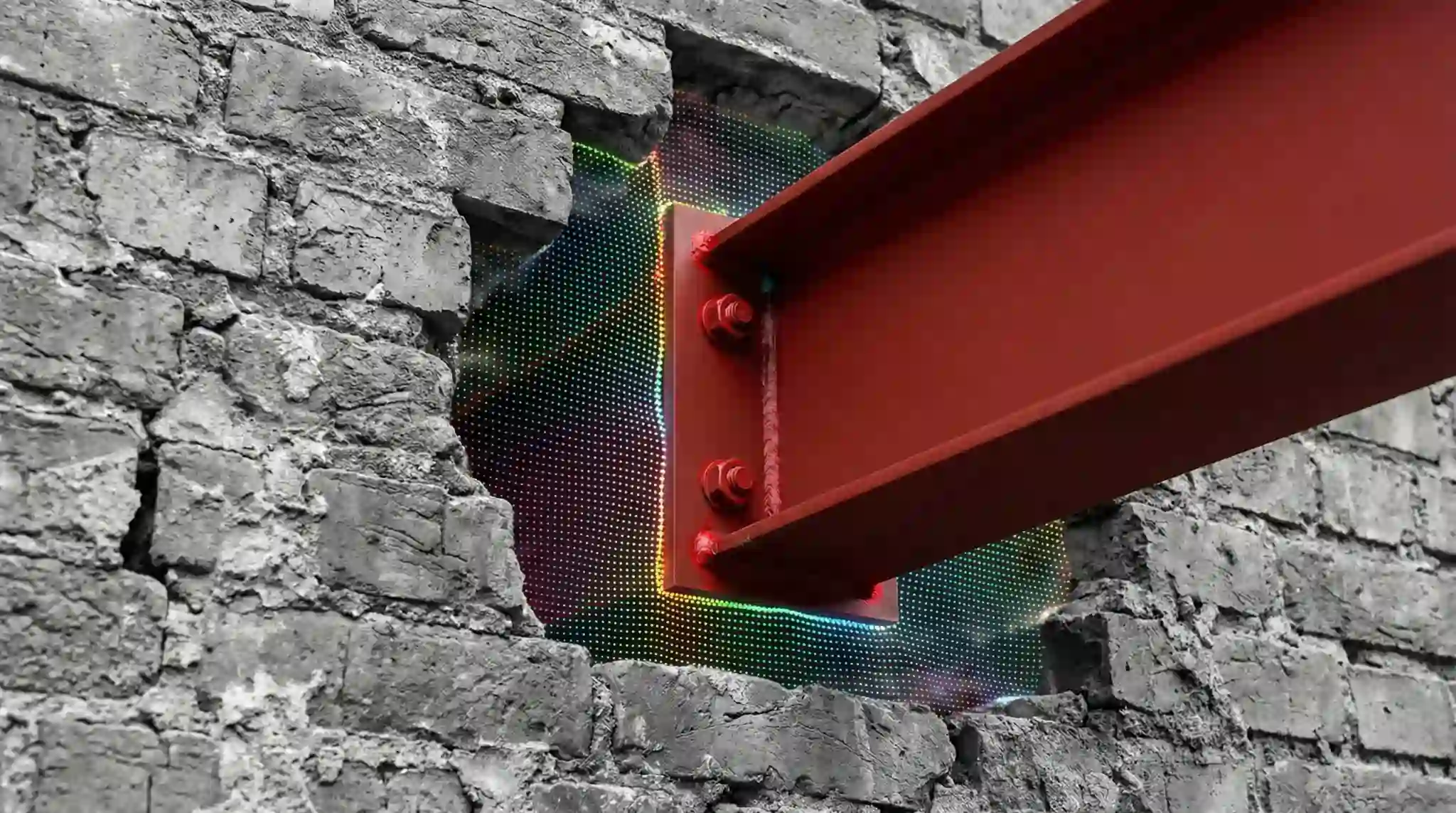
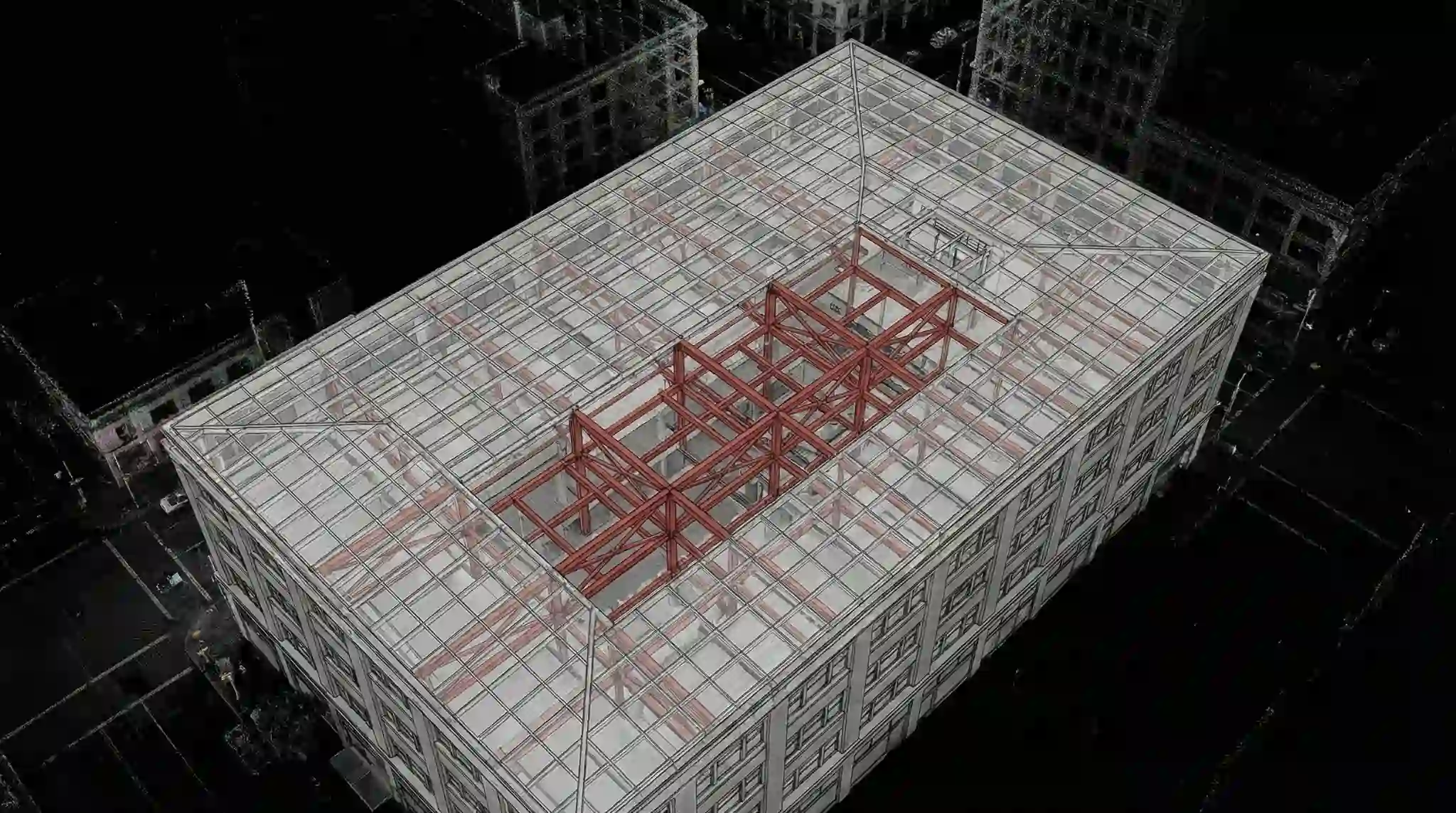
The client provided us with raw LiDAR scan data. We then processed this point cloud into Revit to create a parametric 3D model. We modeled every structural anomaly, creating a digital twin that revealed the building was listing 4 inches to the south, a critical detail that 2D surveys had missed. This intelligent model became the foundation for the structural retrofit, allowing the engineers to design steel bracing that fit the irregular walls perfectly on the first try.

Client Name

Urban Core Properties

Client Type

Commercial Developer

Location

Market Street, San Francisco

Project focus

As-built documentation and scan-to-BIM

Color Palette

Revit Greyscale, Point Cloud RGB, Structural Red

Services Provided

3D Modeling, Point Cloud Conversion, BIM

Budget

$5,000

Duration

4 Weeks

Thoughtfully designed spaces for life

Strategic Design Interventions

We use intelligent 3D data to eliminate construction risk.

1

Forensic Accuracy

Old buildings settle and shift. A straight line on a blueprint is rarely straight in reality. Our 3D model captured the exact deviation of the brick walls, ensuring the new window systems were manufactured to fit the actual openings, not the theoretical ones.

Structural Analysis Integration

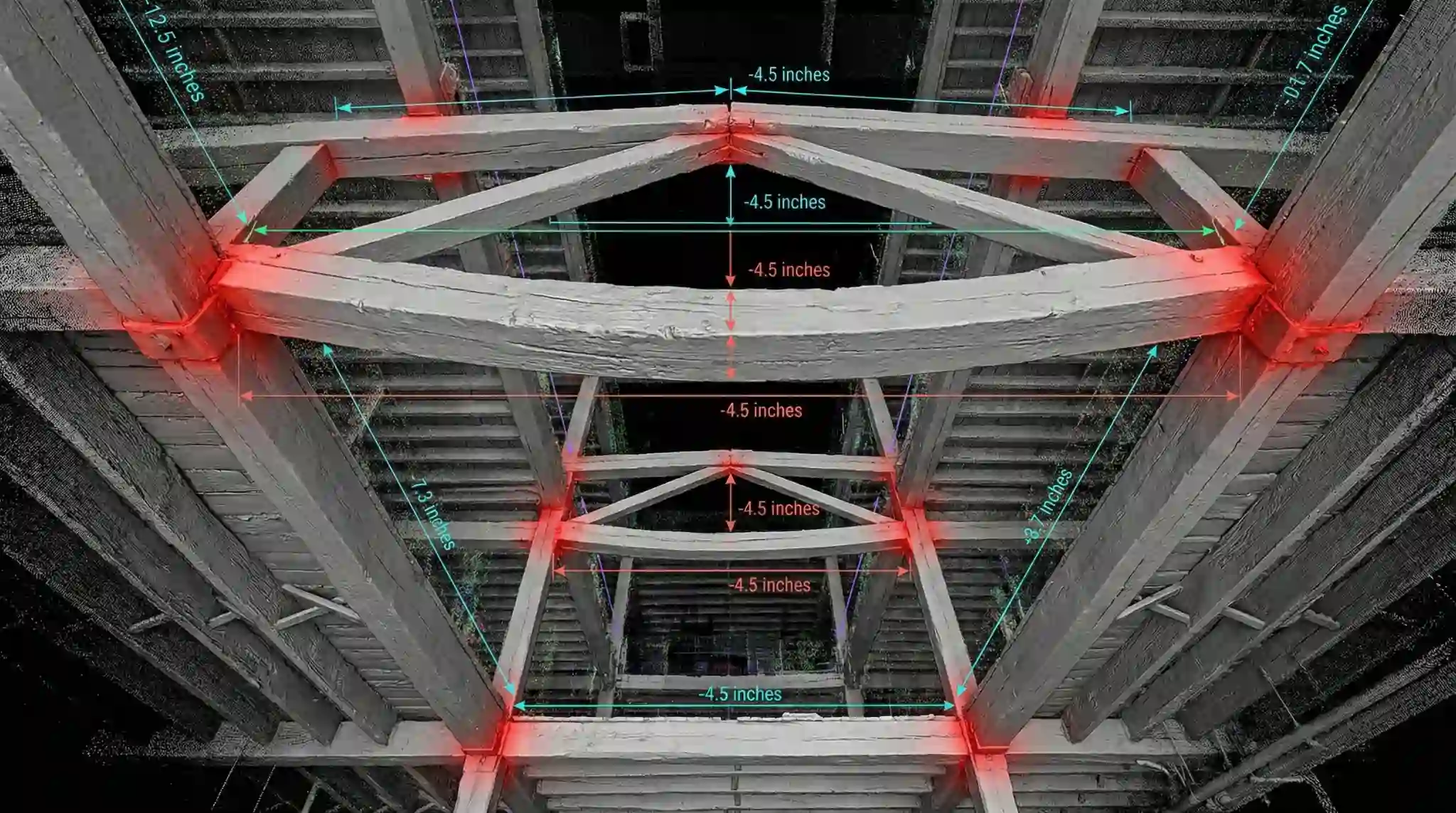
We modeled the existing timber trusses with high-fidelity geometry. This allowed the structural engineers to run load calculations directly on our 3D model, speeding up the seismic retrofit design process by three weeks.

2

3

Waste Reduction

By knowing the exact quantities of brick and concrete required from the 3D volume calculations, the contractor ordered materials with 98% accuracy. This eliminated the typical 15% waste buffer, saving the client significant material costs.

Want to know more?

Address

Hours

Send us a message