
The Pacific Heights Victorian
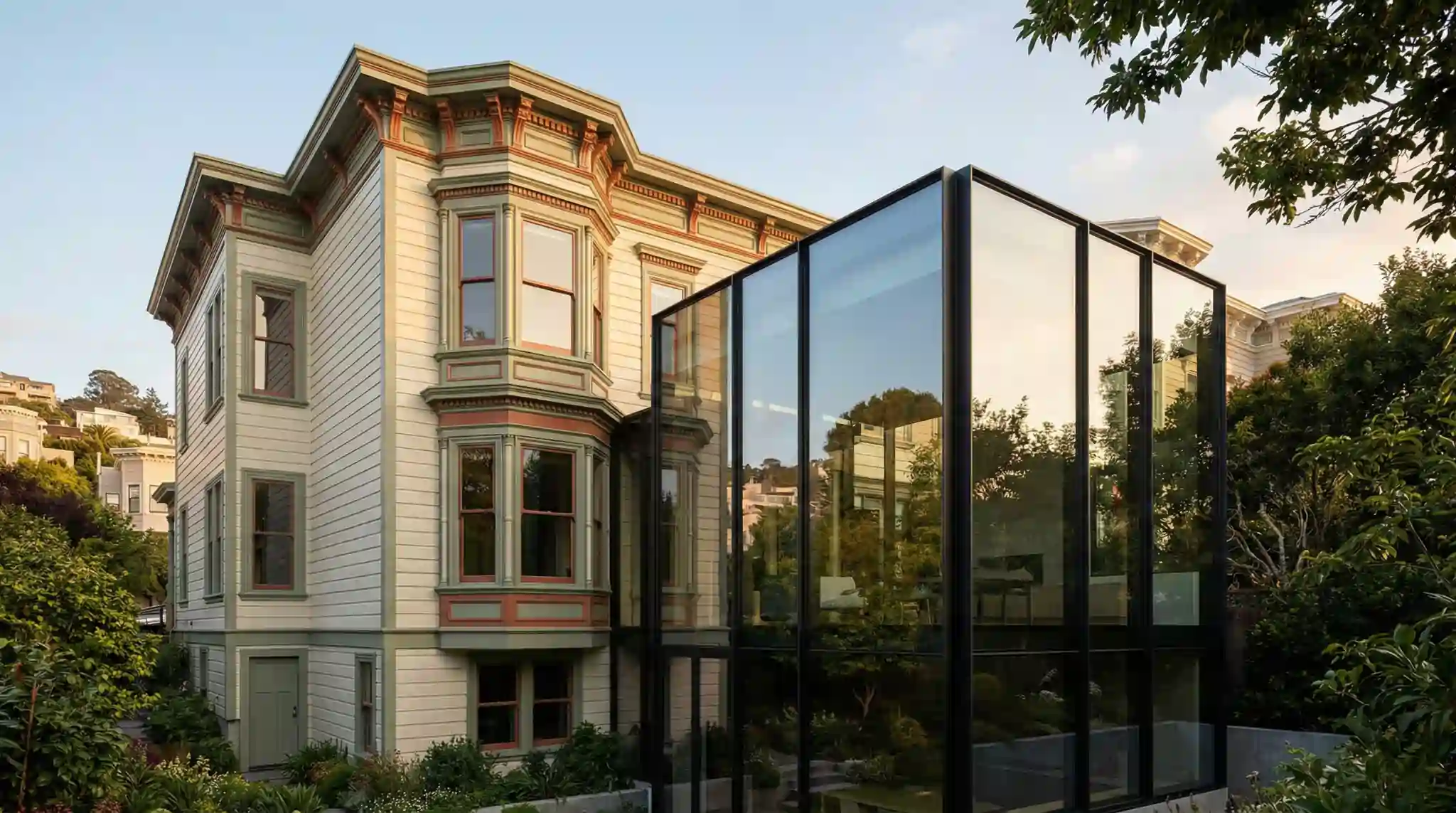
If you have ever tried to renovate a Victorian in Pacific Heights, you know the terror of the Section 311 Notification. Our client wanted to graft a modern glass cube onto the back of an 1890s Queen Anne Victorian. The neighbors were already sharpening their pitchforks, and the Historical Preservation Board was ready to deny the permit on sight. They argued the extension would destroy the neighborhood character. Arguments do not win planning hearings in San Francisco; evidence does.
If you have ever tried to renovate a Victorian, you know the challenges, but the right exterior design can make all the difference.
Our client needed to clearly communicate their vision, and we achieved this through detailed architectural visualization, as well as our other 3D design services.
Similar to the challenges of this Victorian renovation in Pacific Heights, the SoMa loft required a creative approach to bridge the gap between old and new.
Similar to the challenges faced when trying to renovate a Victorian, The Noe Valley Hillside Retreat project presented its own unique set of engineering and aesthetic hurdles.
The challenges of trying to renovate a Victorian are numerous, but careful planning and visualization can help, as demonstrated in our Historic Hotel Renovation Pitch.
If you’re looking to renovate a Victorian, consider how the exterior design will complement the existing architecture.
Our client wanted to graft a modern glass cube onto the back of an 1890s Queen Anne Victorian, and the process began with detailed architectural visualization using 3D modeling techniques, as seen in our portfolio of work with Portfolio 3D Modeling.
Before undertaking a complex renovation project like this, it’s crucial to understand the potential renovation project liability, as described in our disclaimer.
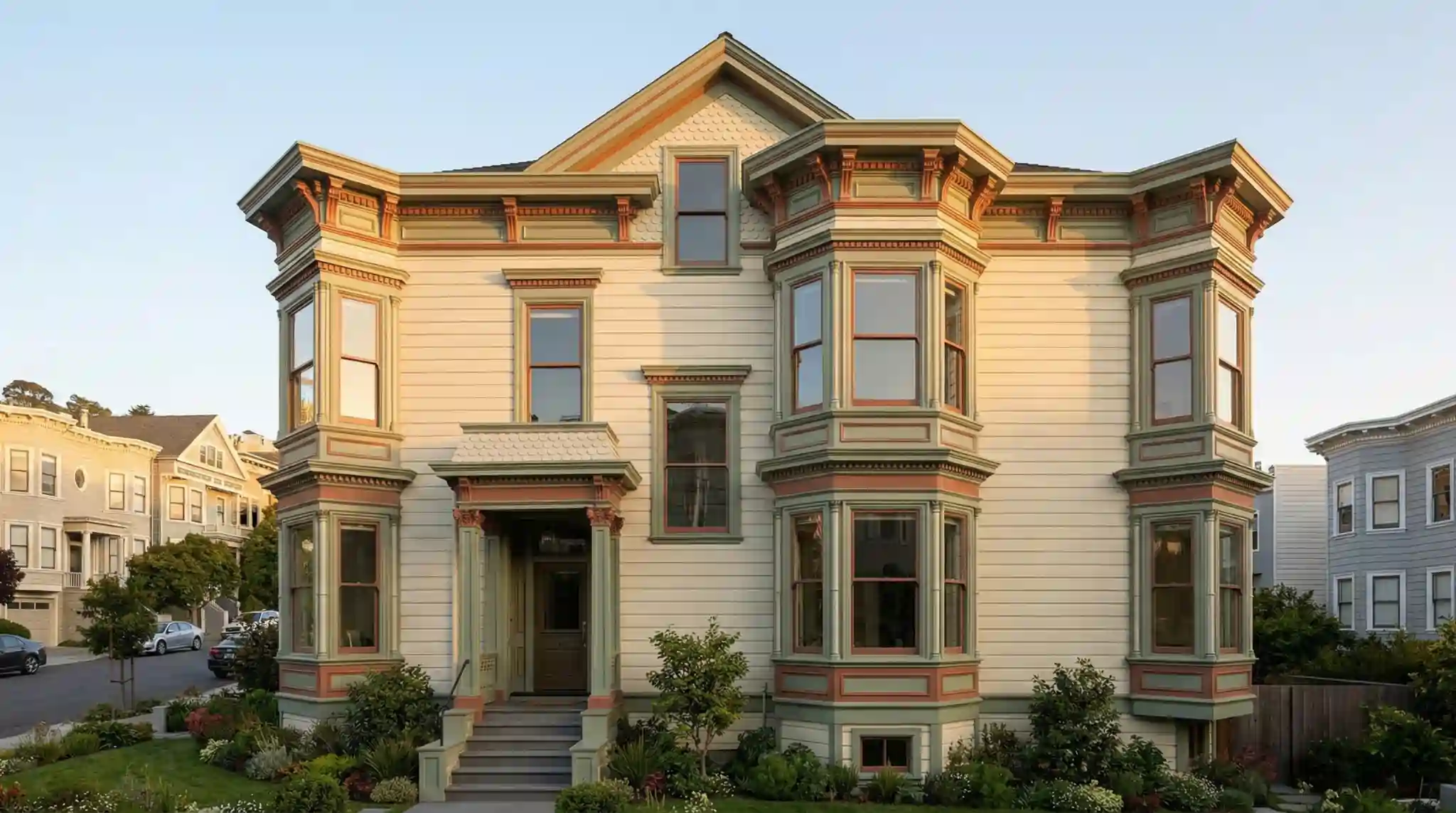
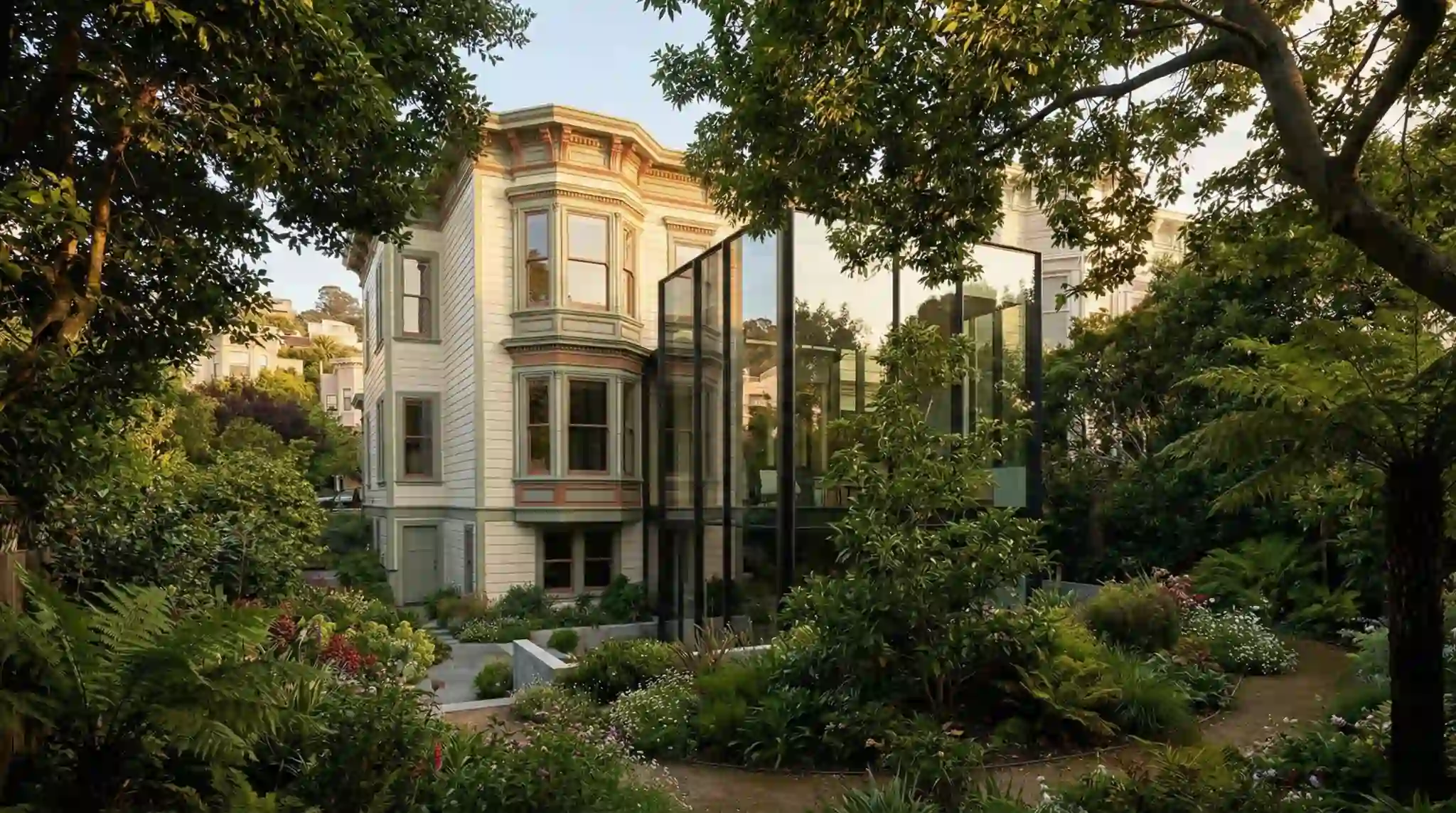
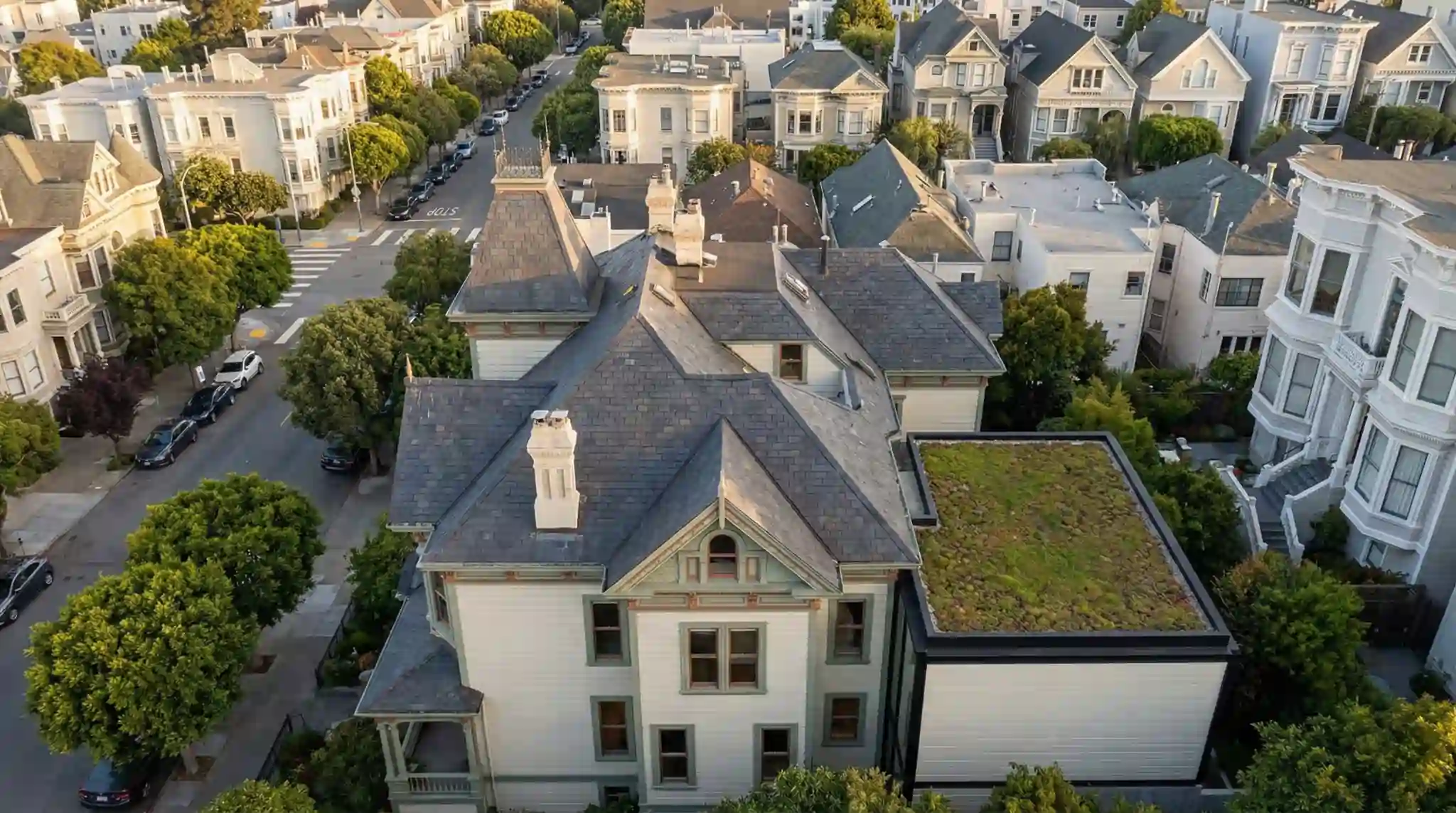
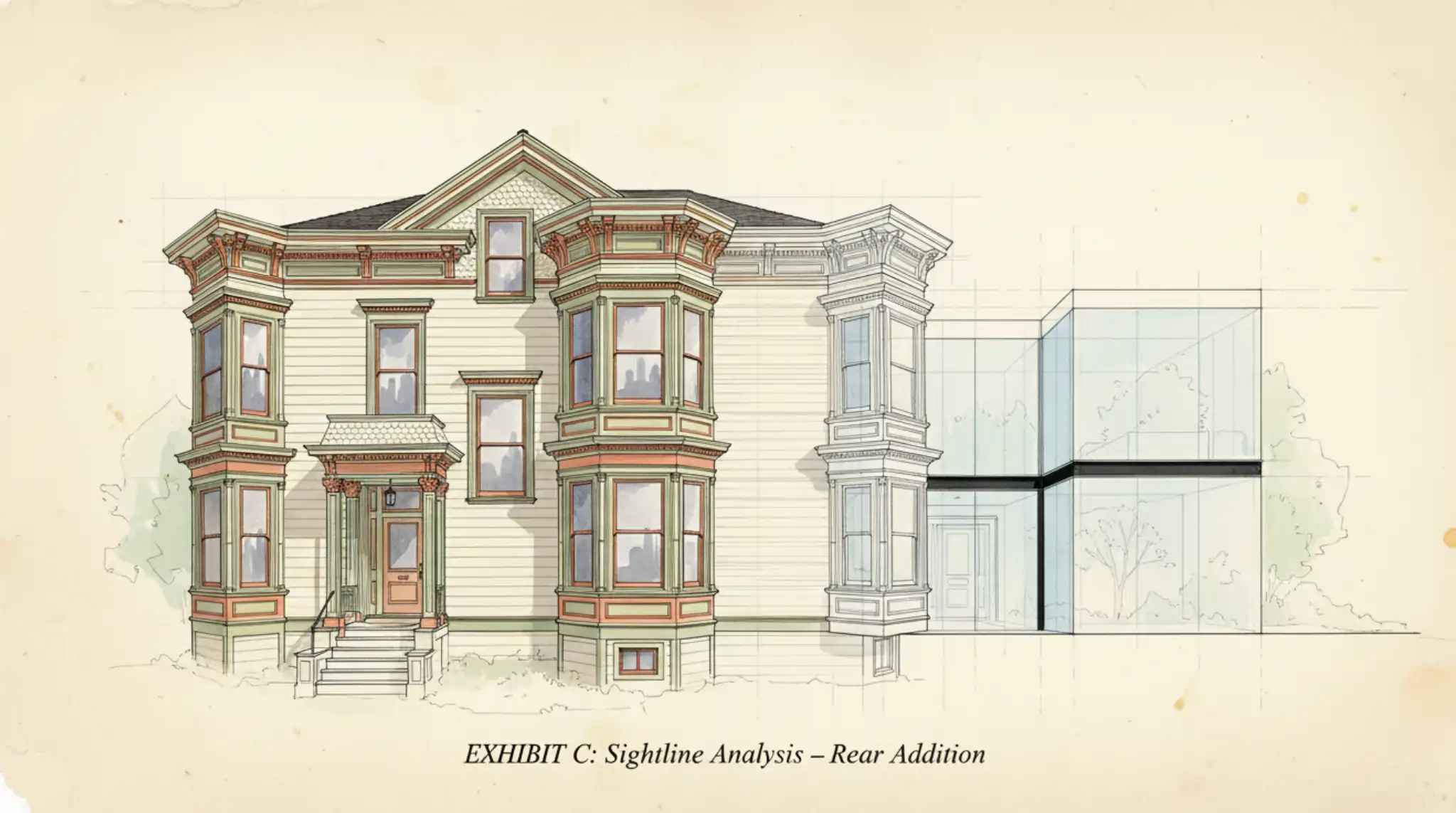
We turned visualization into a legal defense strategy. The client provided us with site surveys and photos of the street. We created a series of sightline analysis renders. We did not make the house look glamorous; we made it look accurate. We utilized the provided data to create a 1:1 digital twin of the entire block massing, including the neighbor houses and street trees. We proved, pixel by pixel, that from the street level, the modern addition was completely invisible behind the heritage roofline. We also created a Time-Travel animation, splitting the screen between 1890 and 2025, showing that the design restored the front facade while hiding the modern amenities in the back. The approval was granted in 4 months.
Client Name
The Harrison Family
Client Type
Private Homeowner
Location
Pacific Heights, San Francisco
Project focus
Historical preservation approval and design validation
Color Palette

Cream, Sage Green, Matte Black, Terracotta
Services Provided
Architectural Visualization, 3D Rendering, Exterior Modeling
Budget
$8,500
Duration
3 Weeks
Thoughtfully designed spaces for life
Strategic Design Interventions
We use 3D simulation to bridge the gap between blueprint and reality.
1
Beating Neighbors at Their Own Game
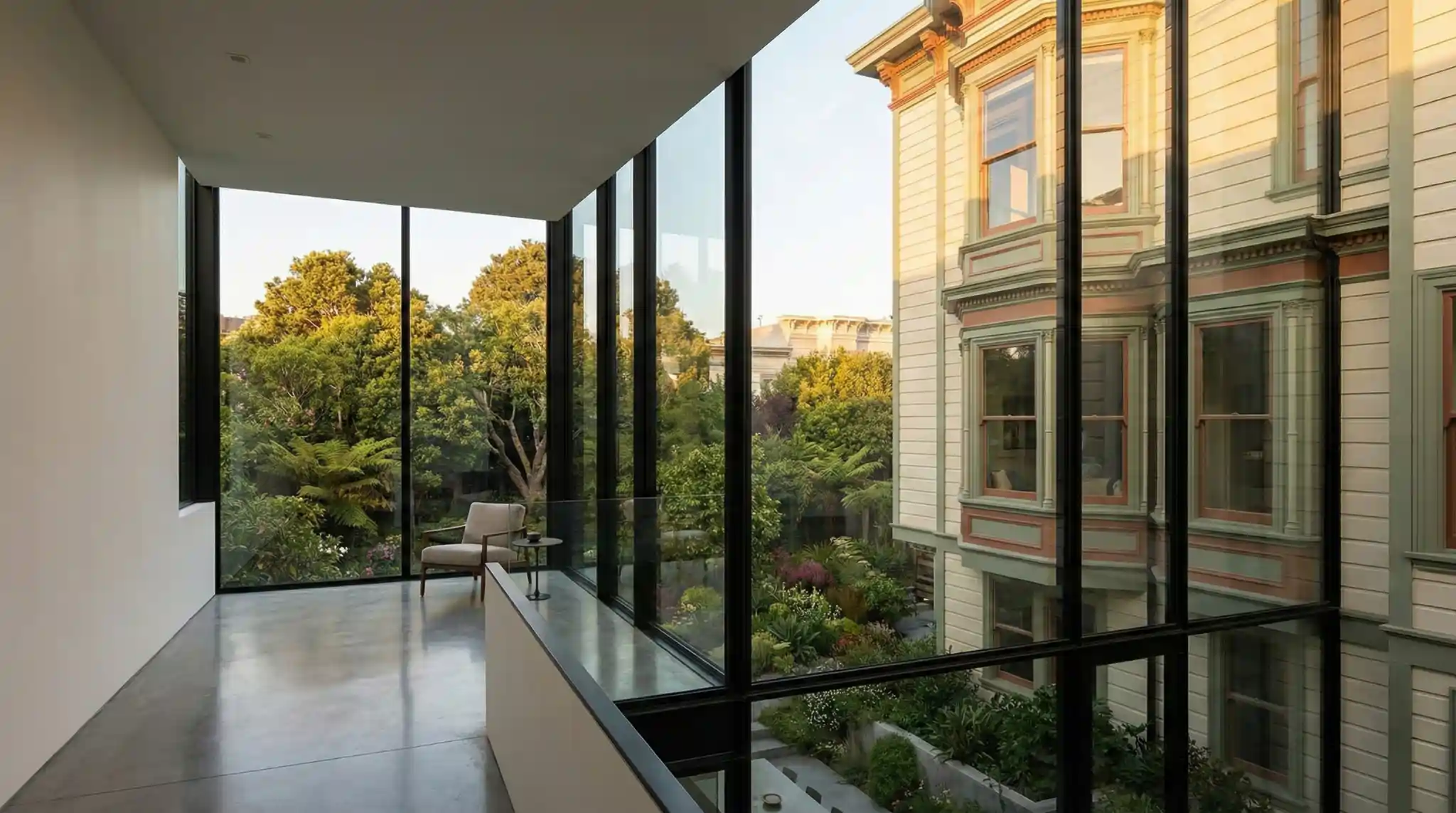
Neighbors will claim your renovation blocks their view or ruins the street vibe. We proved scientifically using the survey data that the proposed glass extension reflected the sky and trees, actually reducing visual bulk compared to a traditional stucco addition.
Simulating High-End Glass
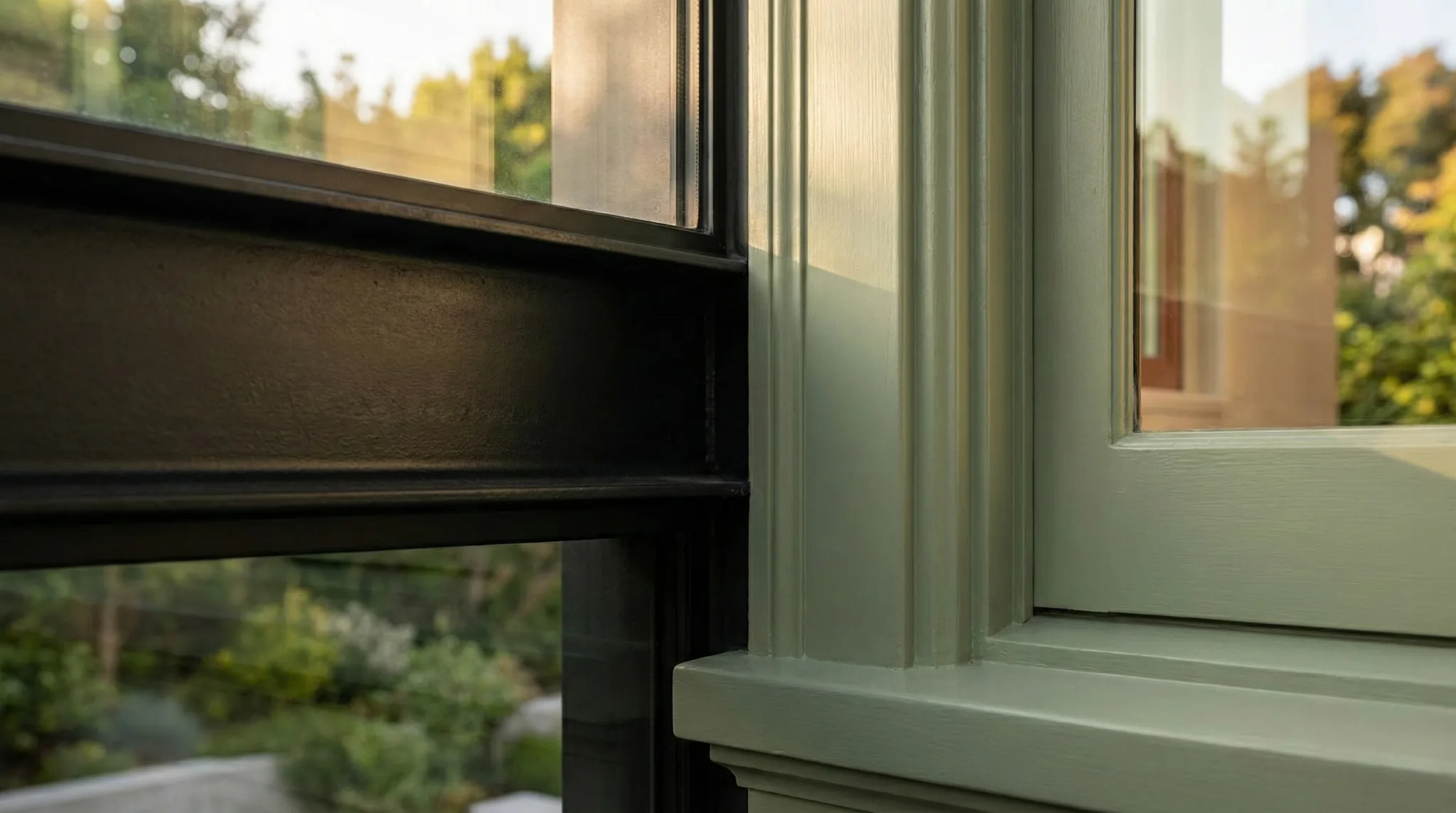
Glass is tricky. In cheap renders, it looks like blue plastic. We spent 40 hours perfecting the refraction index of the glazing to show the Board that this was not cheap plexiglass, it was high-performance structural glazing that would disappear into the garden.
2
3
The Restoration Narrative
We used the render to shift the narrative from modernization to preservation. By highlighting the restored cornices in high detail, we positioned the client as a steward of history rather than a modernizing vandal.
Want to know more?
Address
1875 Mission St Ste 103 #628 San Francisco, CA 94103
Hours
Mon–Fri 9:00AM — 6:00PM
Socials
Send us a message