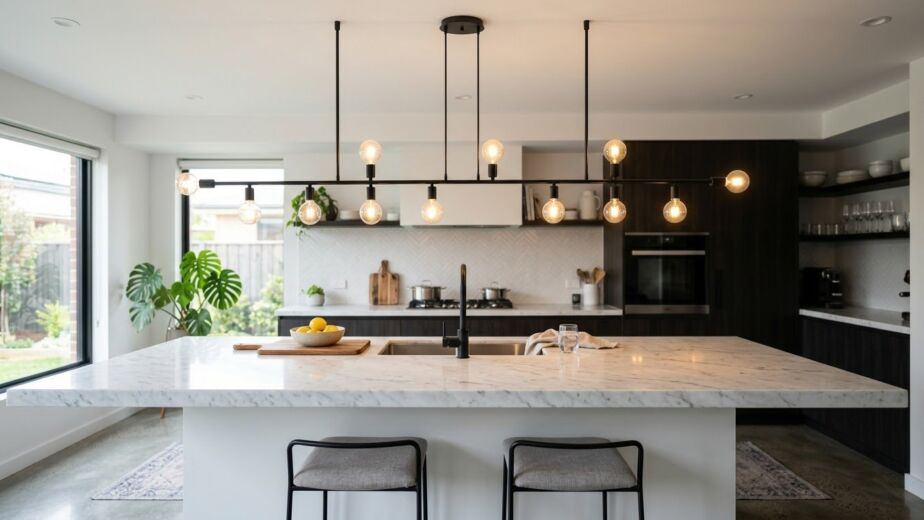
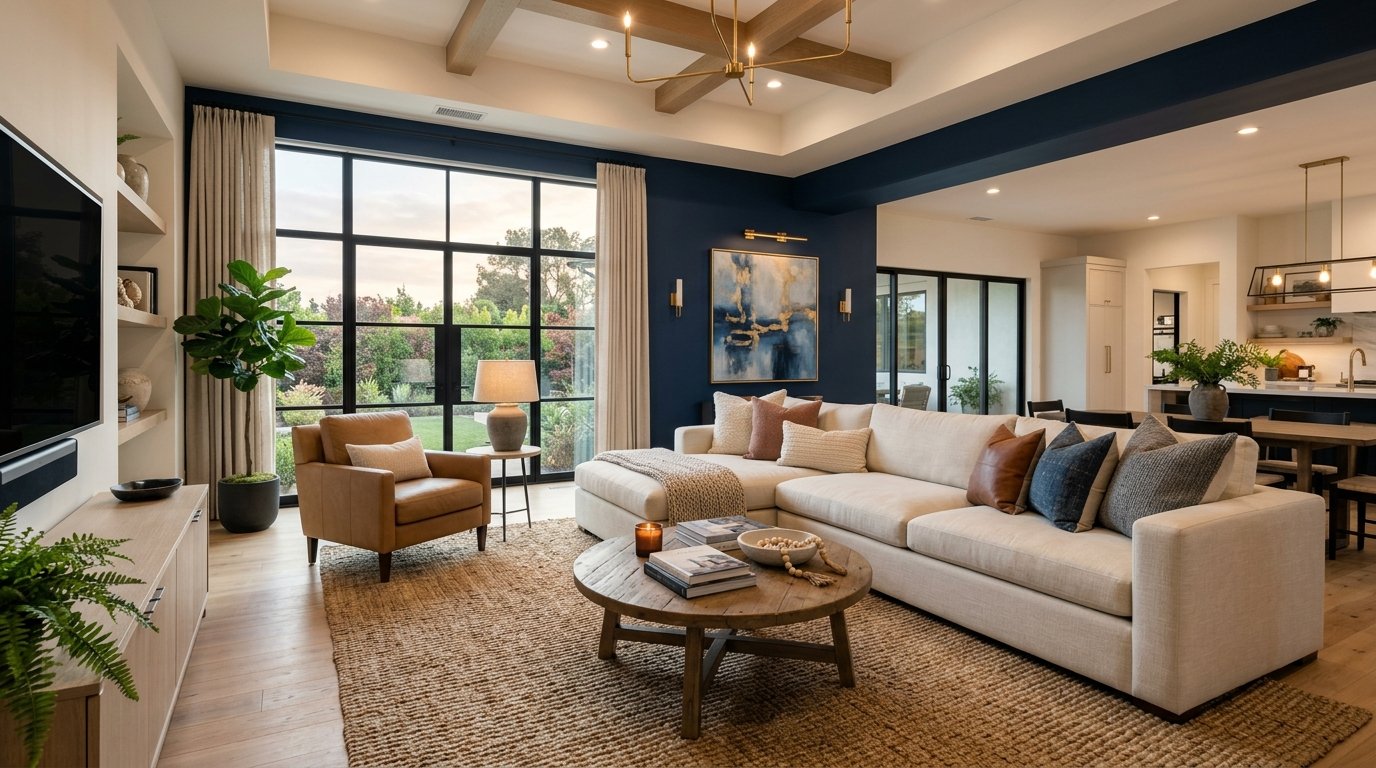
Last March, I sat in a living room that felt like a beige waiting room from 1994. The sofa was sagging, the walls were a dull eggshell, and the lighting was so harsh it felt like an interrogation room. I had exactly $450 in my budget and a weekend to flip the space. Most people think a living room makeover requires a $10,000 contractor fee and six weeks of construction dust. They are wrong. I’ve seen homeowners transform cramped, dark spaces into high-end sanctuaries by focusing on high-impact visual shifts rather than structural overhauls. You don’t need a sledgehammer to create a home that feels expensive. You just need a strategy that prioritizes texture, light, and layout.
Executive Summary
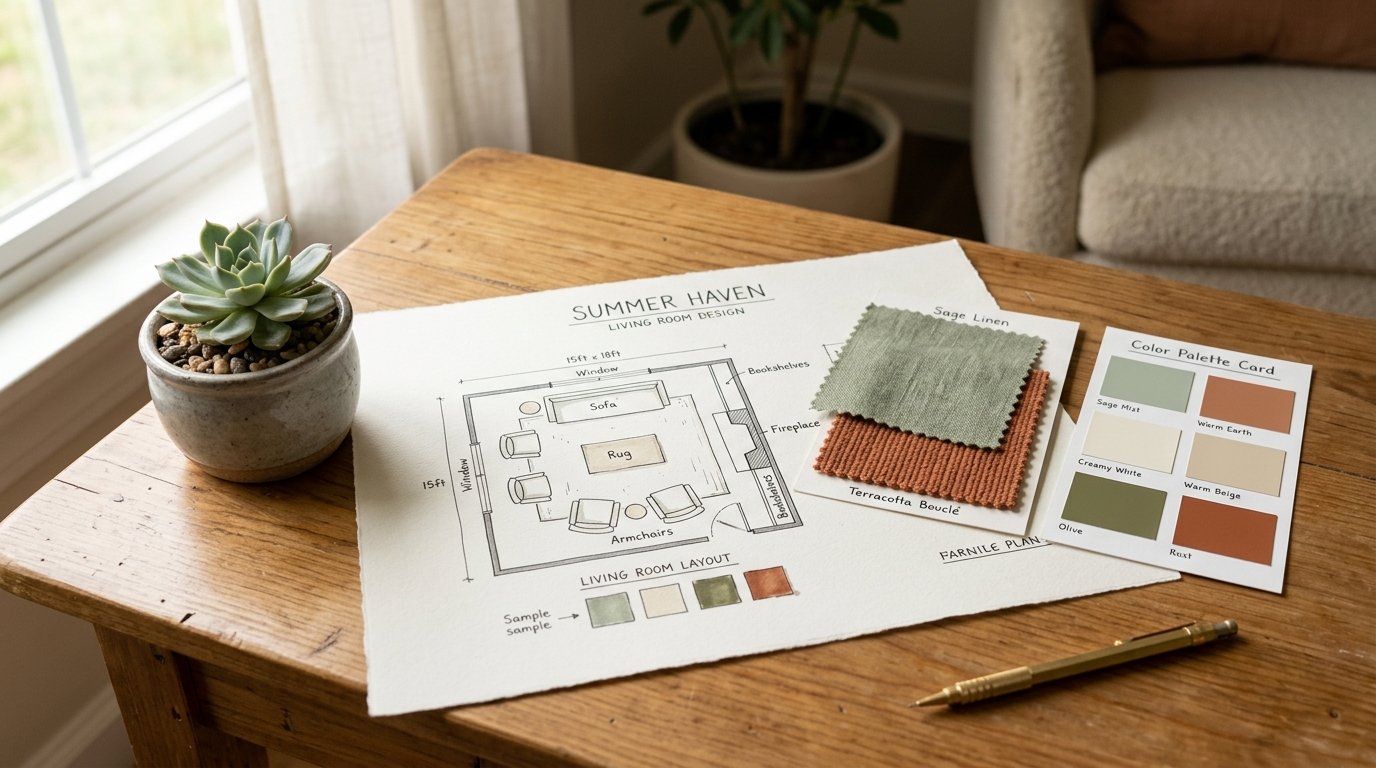
This guide provides a roadmap to a complete aesthetic overhaul without the typical five-figure price tag. You will discover how to manipulate visual height, use professional-grade color theory, and source high-quality materials at thrift store prices. We cover everything from the Living Room Tv Wall to intricate Ceiling Design Living Room hacks that trick the eye into seeing more square footage. Expect to see a total transformation within 48 to 72 hours of active work. While many designers suggest buying all-new furniture, I advocate for the 80/20 rule: keep 80% of your large assets and spend 20% on transformative accents. We will exclude major electrical rewiring or structural wall removal to keep costs low and safety high. By the end of this article, you will have a prioritized list of actions that turn a Cute Apartment or a standard suburban house into a curated masterpiece.
1. Painted Accent Wall
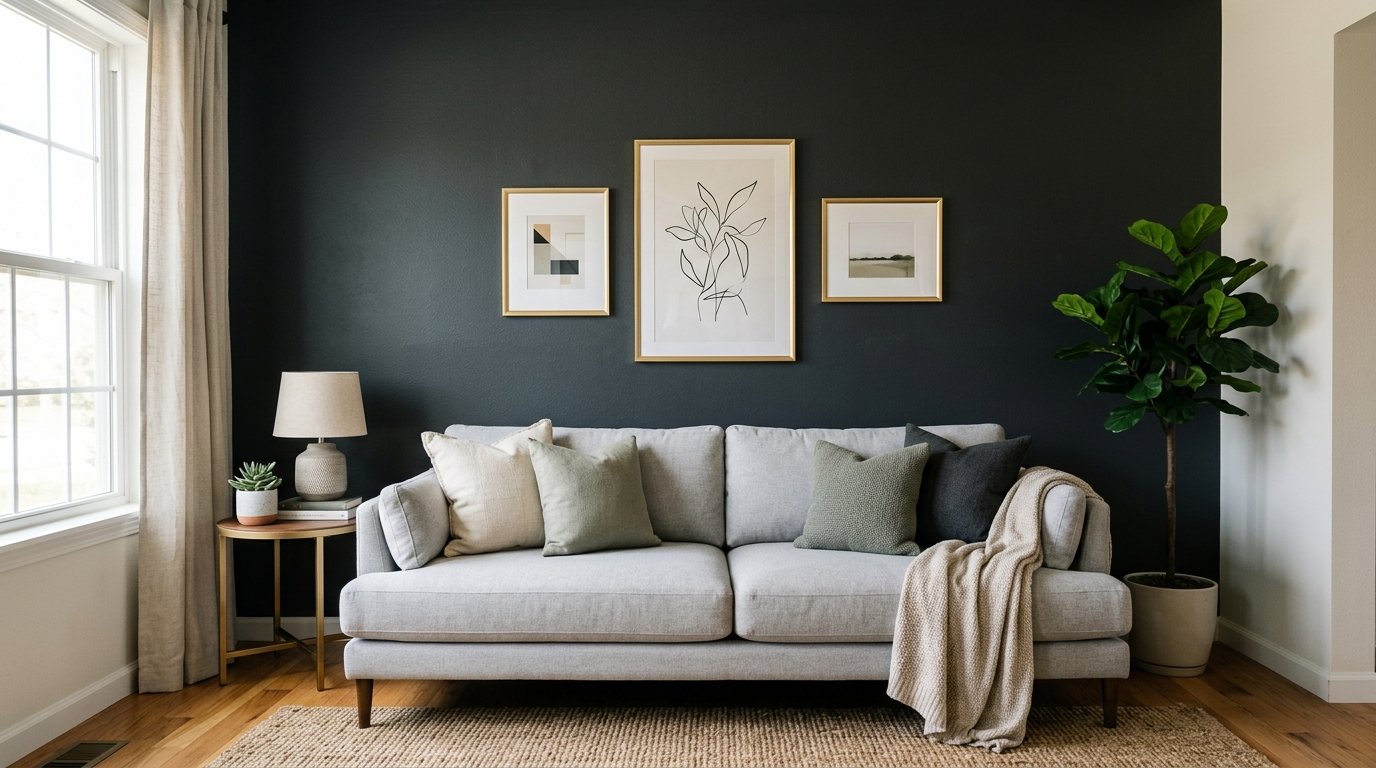
A single wall of bold color creates an immediate focal point that anchors the entire room. In my experience, using a deep charcoal or a sage green behind the sofa makes the furniture look more intentional and expensive. I recently used Benjamin Moore’s “Hale Navy” on a client’s wall for $65, including the rollers and tape. You can finish this task in about four hours including drying time. The trick is to paint the baseboards the same color as the wall to make the ceiling look three feet higher. A common mistake is choosing a color that is too bright, which can make a Small Apartment Interior feel chaotic rather than cozy. Stick to muted, earthy tones for a sophisticated result.
2. Framed Gallery Wall
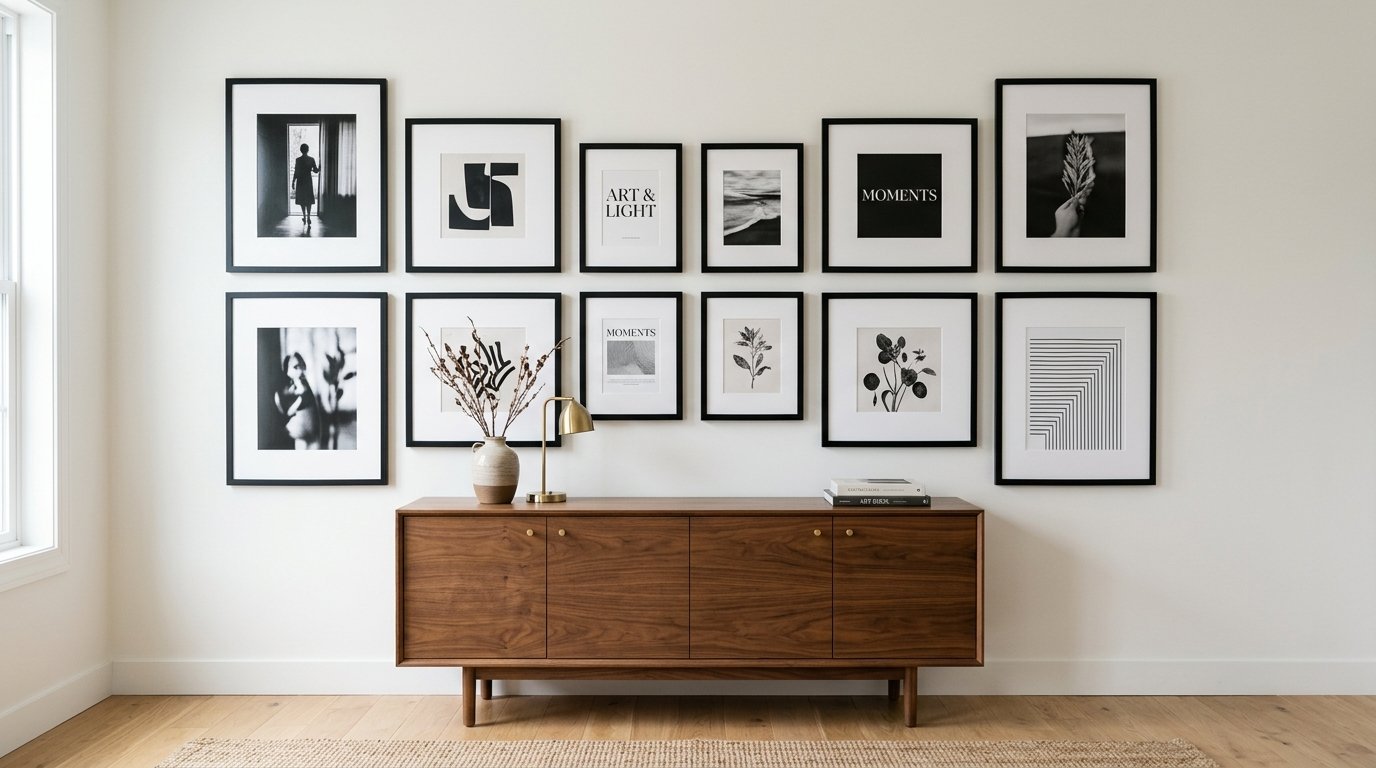
Grouping smaller pieces of art creates the illusion of one massive, expensive installation. I once sourced twelve mismatched frames from a local Goodwill for $2 each and spray-painted them all matte black. By using consistent framing, you can mix personal photos with abstract prints found on Etsy. This project takes about three hours of measuring and leveling. Use Command Strips to avoid damaging the walls in a rental. People often hang gallery walls too high, so keep the center of the collection at eye level, roughly 57 inches from the floor. This provides a professional Decor Home Living Room look for under $50 total.
1–2–3 Gallery Wall Layout Guide
| Step | Action | Tool Needed | Expected Outcome |
| 1 | Trace frames on craft paper | Scissors, Tape | Layout template |
| 2 | Tape templates to the wall | Blue Painter’s Tape | Visualizing spacing |
| 3 | Hammer nails through paper | Hammer, Nails | Perfect placement |
3. Large Area Rug
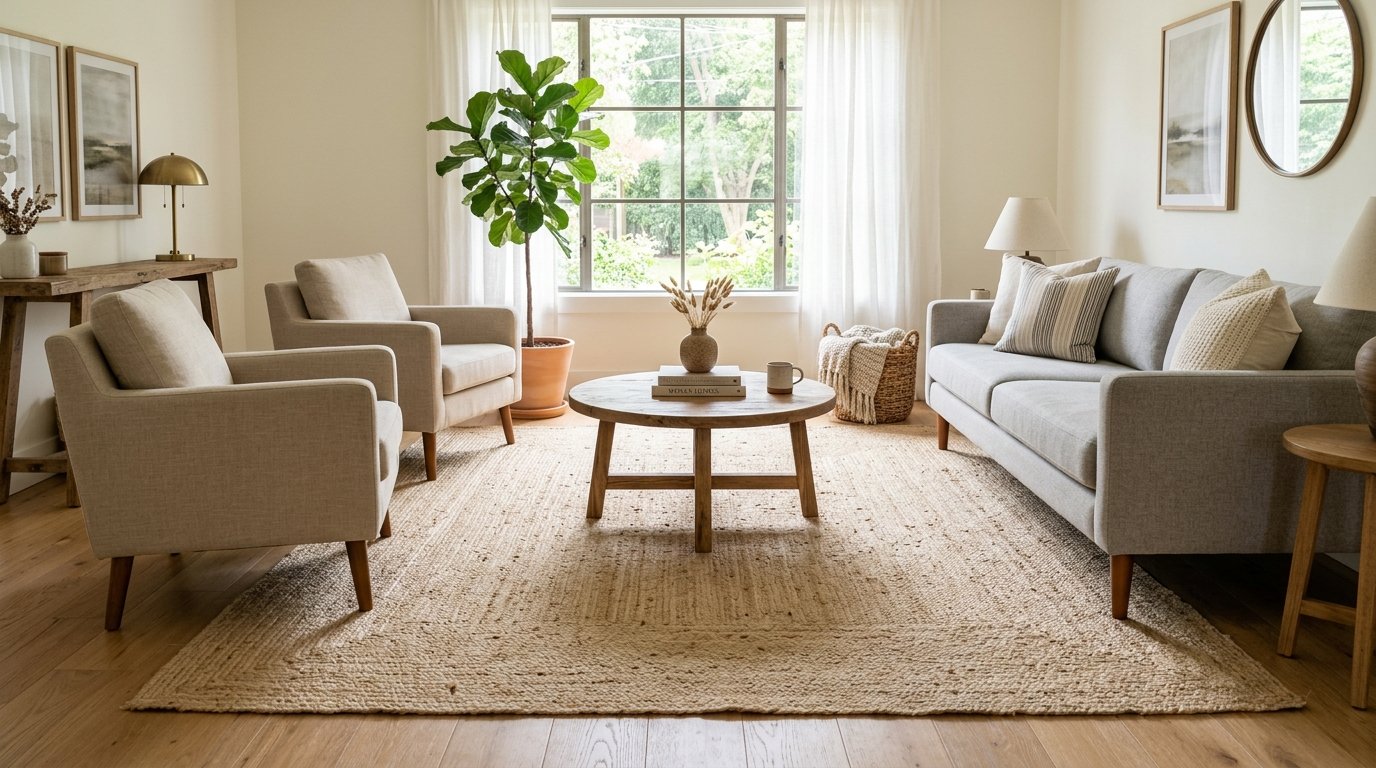
A rug that is too small makes your living room look like a dollhouse. You need a rug that is large enough for all furniture legs to sit on top of the fibers. I recommend checking sites like Ruggable or Wayfair for 8×10 options during holiday sales, where you can find durable picks for under $180. Look for low-pile jute or distressed vintage patterns that hide wear and tear. A practical action is to use a high-quality felt rug pad underneath to add a luxury feel underfoot. Many people buy a 5×7 rug because it is cheaper, but it actually shrinks the perceived size of the room. Investing in the right size is the single fastest way to fix a disjointed layout.
4. Smart Lighting Plan
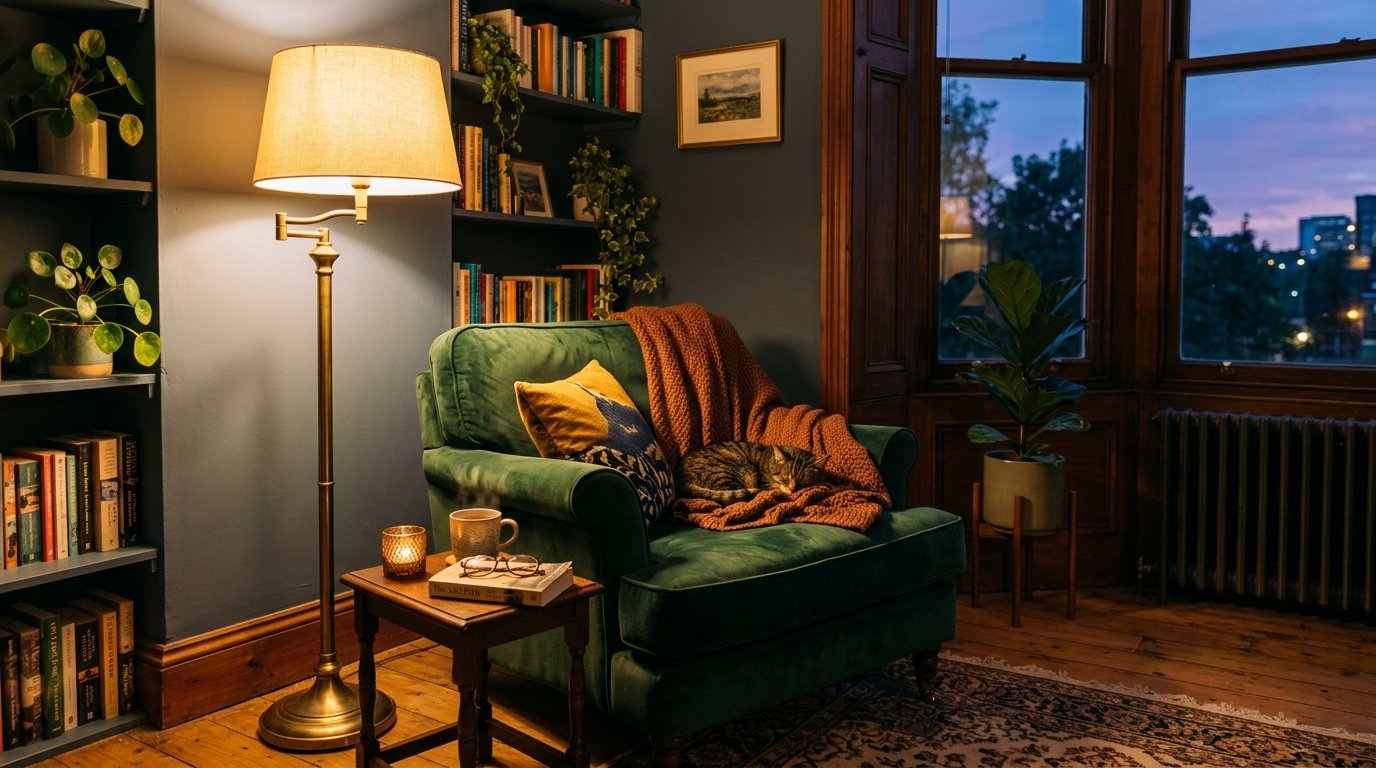
Overhead “boob lights” are the enemy of good design. You should replace standard bulbs with smart LEDs like Philips Hue to control the warmth of the room. I’ve noticed that adding two floor lamps in opposite corners eliminates dark shadows that make a room feel small. This setup costs about $120 if you shop at stores like Target or IKEA. Swap your wall switches for dimmer sliders to adjust the mood for movie nights versus morning coffee. A brief contrarian note: do not use “daylight” bulbs in a living room as they create a cold, clinical atmosphere. Stick to 2700K “warm white” for that golden hour glow every evening.
5. Floor-to-Ceiling Curtains
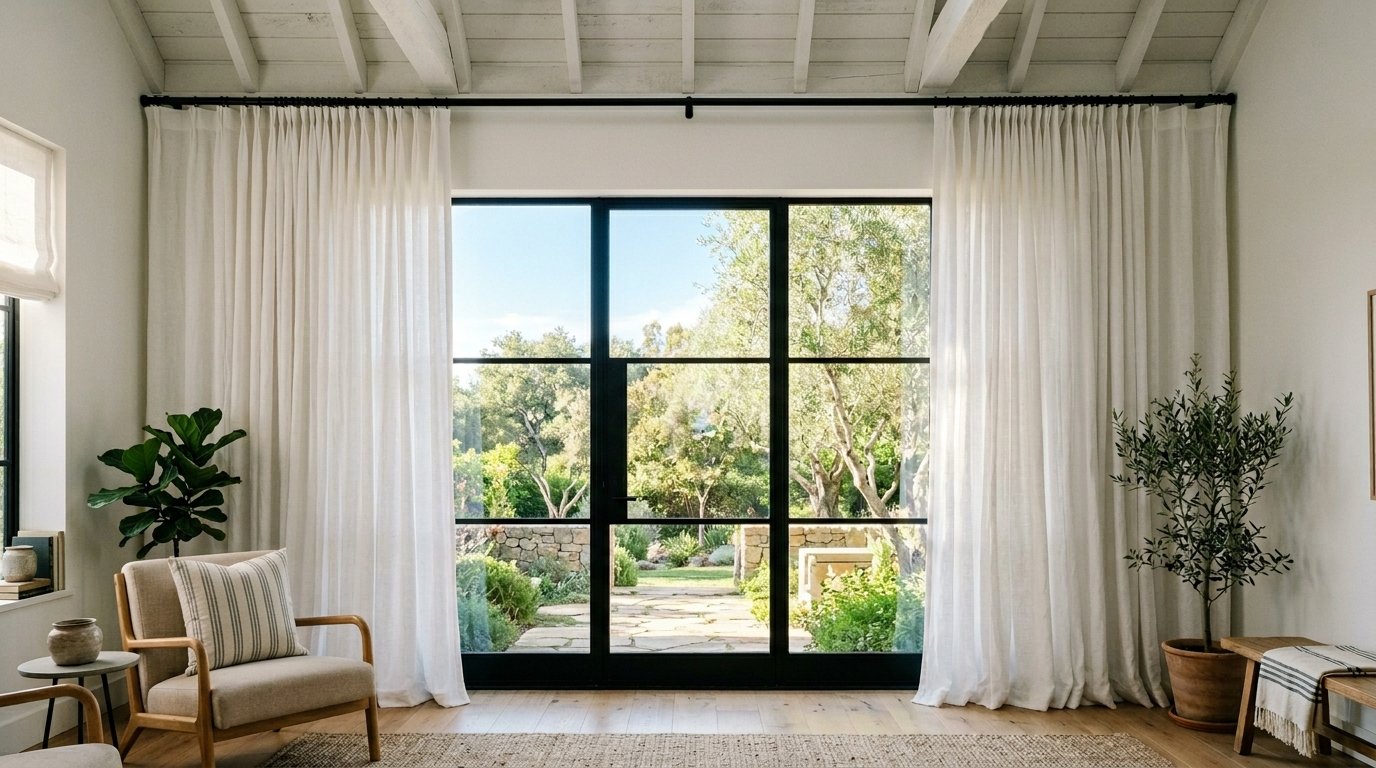
Hanging curtain rods right at the ceiling line instead of the window frame creates massive visual height. I always buy 96-inch or 108-inch panels from H&M Home or IKEA to ensure they kiss the floor. This project costs around $80 for two windows and takes one hour of drilling. Choose linen or velvet textures to add a layer of softness to the Accent Walls In Living Room. A common mistake is buying curtains that are too narrow; ensure the panels are at least twice the width of the window for a full, pleated look. This simple shift makes any Small Apartment Interior feel like a high-end hotel suite.
6. Refinished Coffee Table
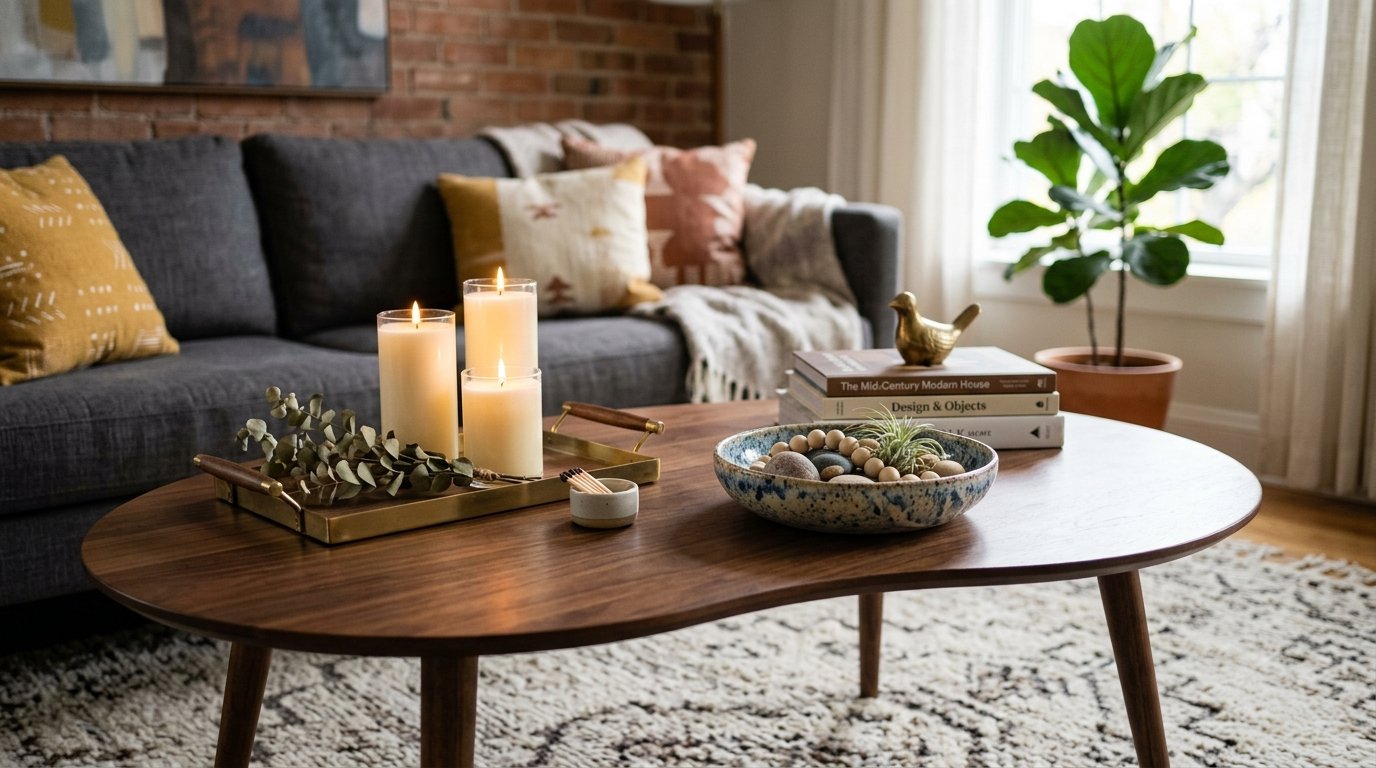
Your current coffee table probably just needs a fresh coat of paint or a new wood stain to look modern again. I took a scratched oak table and used a $20 can of Minwax “Dark Walnut” stain to give it a mid-century modern vibe. The process requires sanding down the old finish, which takes about two hours of elbow grease. If you have a metal frame table, try a metallic gold spray paint for an instant glam upgrade. Many people throw away perfectly sturdy furniture because the surface is ugly. Spend a Saturday morning sanding and sealing instead of spending $400 at a furniture store.
7. Upcycled Media Unit
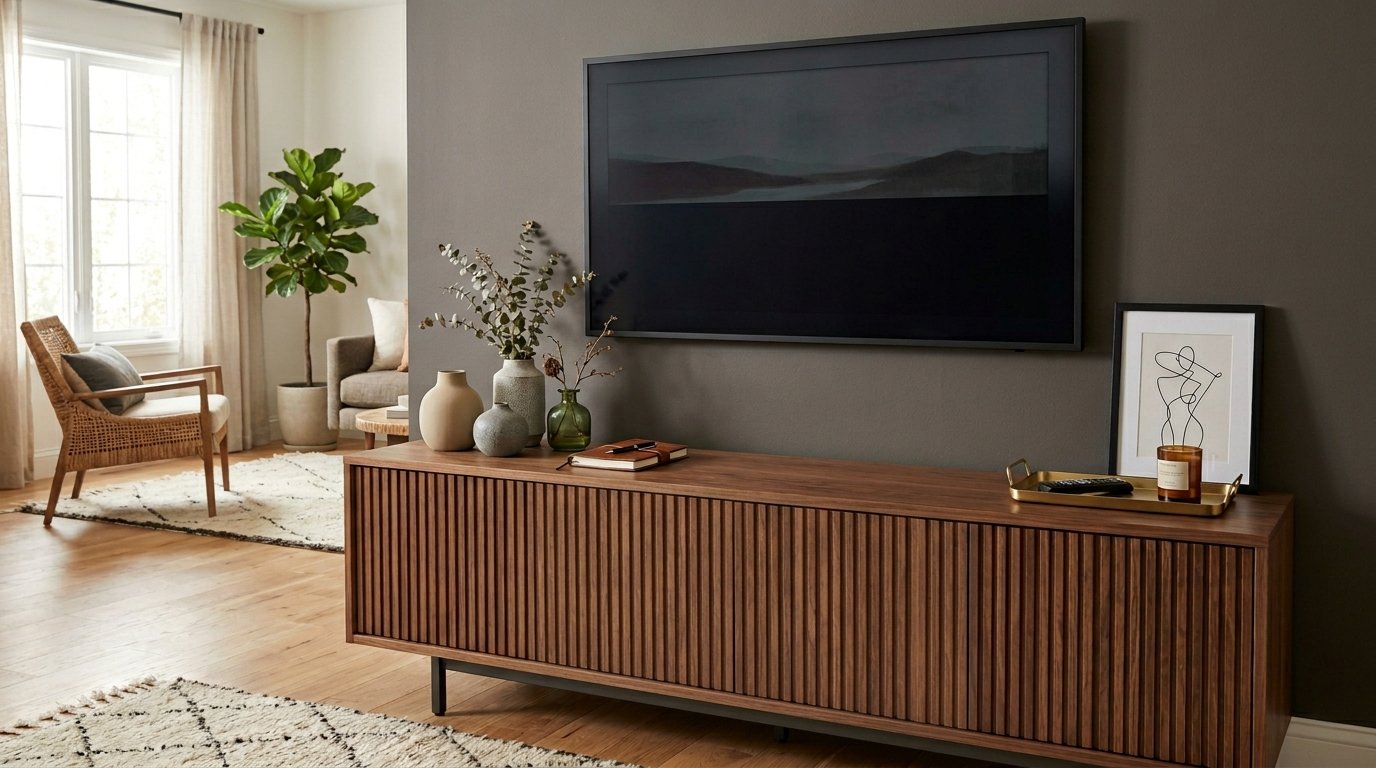
The Living Room Tv Wall often looks cluttered with wires and plastic boxes. You can take a basic IKEA Kallax or a thrifted sideboard and add decorative door fronts or new legs. I’ve seen people use “peel and stick” wood slats to create a fluted look on cabinet doors for roughly $40 in materials. This hides the tech mess while adding an architectural element to the room. Use cord organizers to tuck away black cables behind the unit. A common mistake is leaving the TV as the only focal point; surround it with books or small sculptures to integrate it into the decor.
8. Indoor Plant Cluster
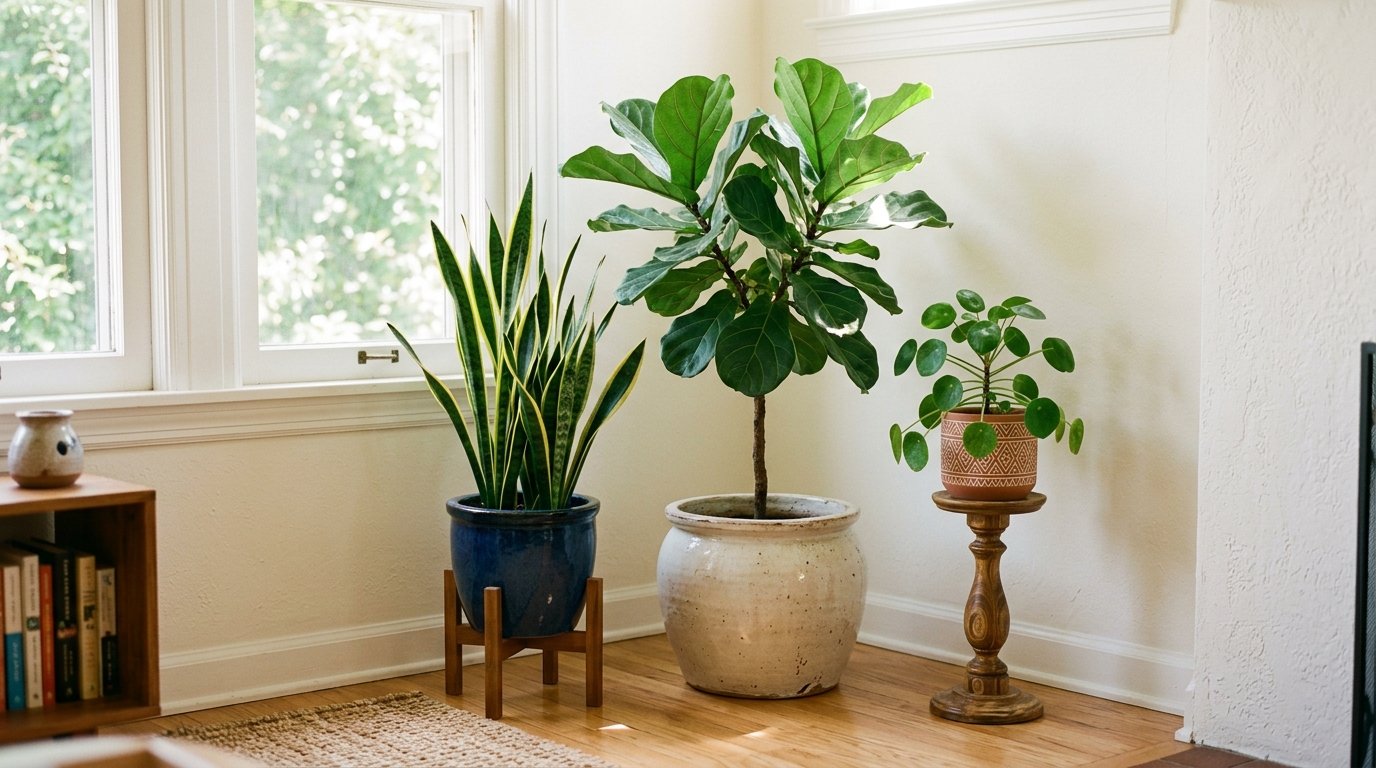
Living things breathe energy into a static room design. Instead of one lonely pot, group three plants of varying heights in a corner. I suggest a tall Fiddle Leaf Fig, a medium Snake Plant, and a trailing Pothos. You can find these at Home Depot for a combined $90. Use ceramic pots in a consistent color palette like terracotta or cream to keep the look cohesive. Plants also act as natural air purifiers, making the space feel fresher. If you have a “black thumb,” high-quality silk plants from West Elm offer the same visual benefit without the maintenance, though they cost slightly more upfront.
9. DIY Floating Shelves
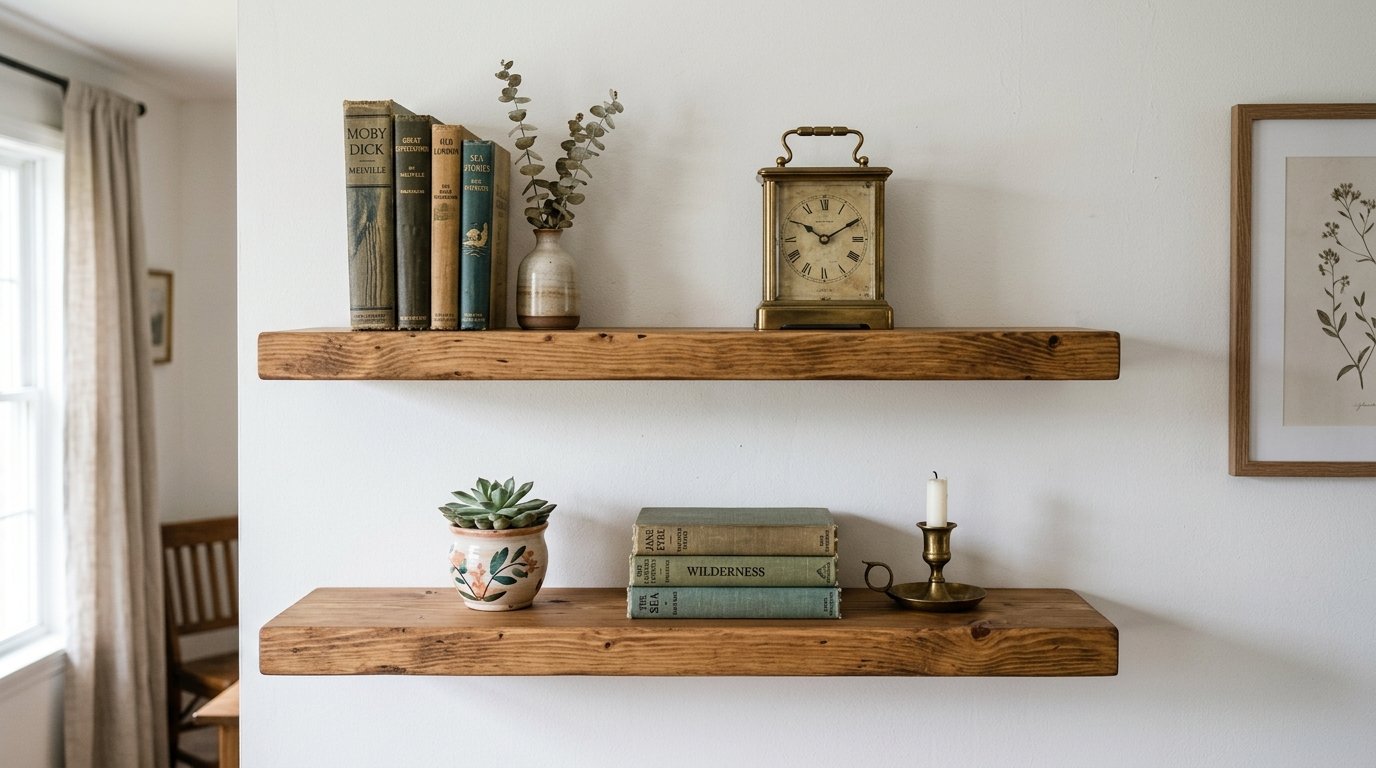
Empty wall space above a sofa or in a corner is a missed opportunity for styling. You can build simple floating shelves using pine boards and L-brackets from a hardware store for under $30. I use these to display “Decor Home Living Room” items like vintage brass bells or framed sketches. The installation takes about 45 minutes with a power drill and a level. A contrarian note: don’t overstuff the shelves. Leave “white space” between items so the wall doesn’t feel heavy or cluttered. This is a perfect solution for adding personality to a Cute Apartment without taking up floor space.
10. New Sectional Layout
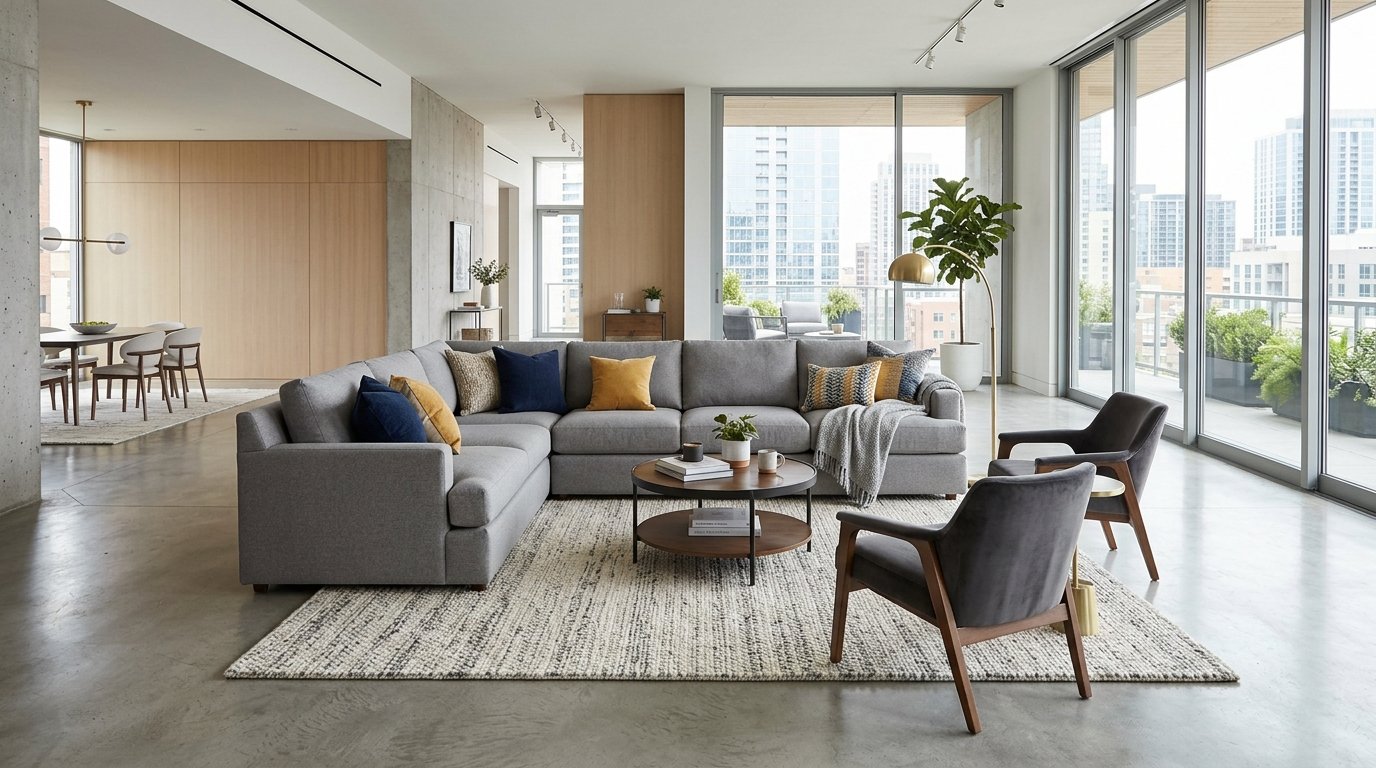
Sometimes the best makeover costs zero dollars. Pulling your sofa away from the wall and “floating” it in the center of the room can improve traffic flow instantly. I’ve tried this in narrow living rooms and found it creates a much more intimate conversation area. Spend 30 minutes Experimenting with different angles until the room feels balanced. Place a slim console table behind the floating sofa to hold lamps or drinks. Most people default to pushing all furniture against the perimeter, which actually makes a room feel like a hallway. Floating the furniture defines the “living” zone clearly.
Case Study: The $300 Apartment Flip
Subject: 600 sq. ft. rental in Chicago.
Timeline: 48 hours.
Budget: $312 total.
Actions Taken:
- Painted one wall “Smoky Green” ($55)
- Swapped plastic cabinet knobs for brass ($42)
- Added a 9×12 jute rug from an outlet ($145)
- Installed three floating shelves ($35)
- Thrifted a floor lamp ($35)Result: The tenant reported the space felt twice as large, and the landlord increased the property valuation by $5,000 based on aesthetic photos alone.
11. Canvas Wall Art
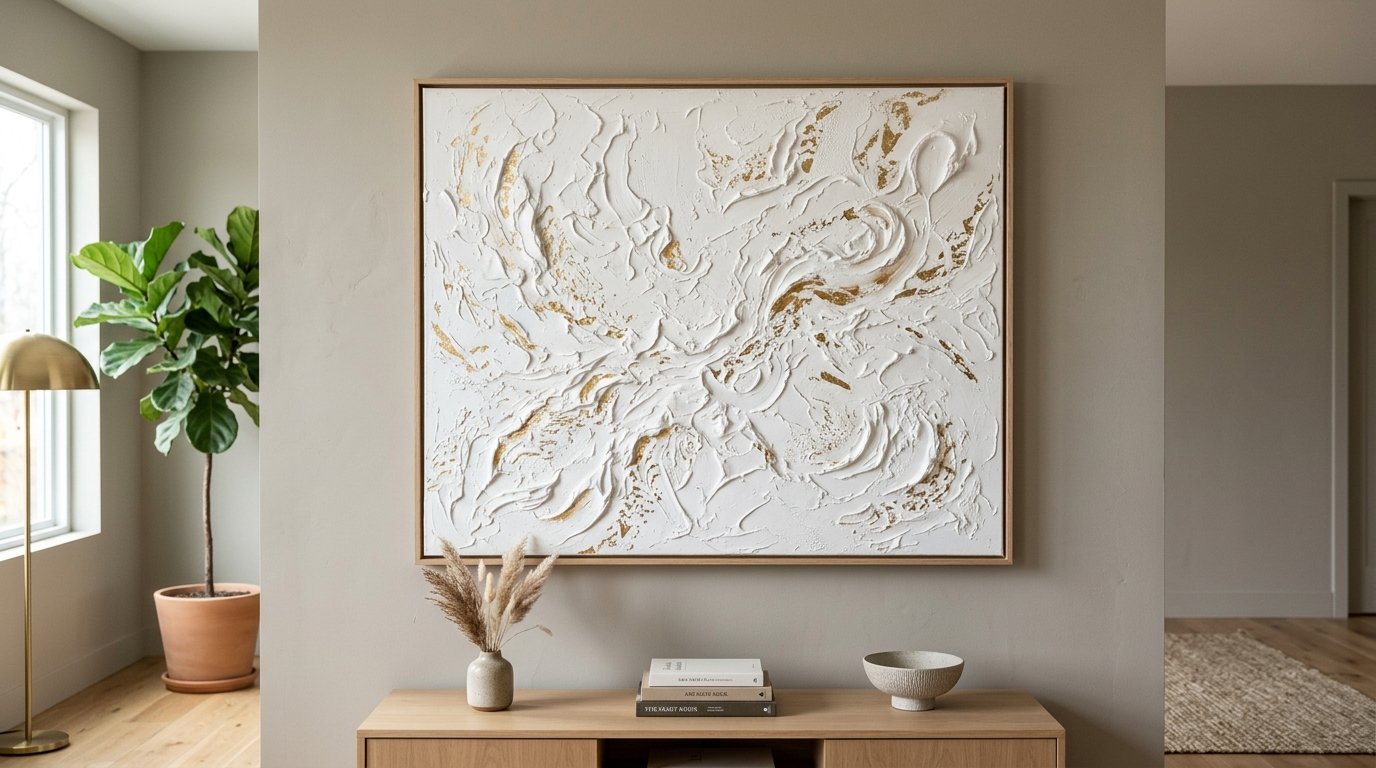
Large-scale art provides a “wow” factor that small pieces cannot match. You can buy a large blank canvas at an art supply store for $40 and create your own abstract piece using leftover wall paint. I once used a drywall joint compound to create a textured, 3D white-on-white painting that looked like a $1,000 gallery piece. This takes about two days including drying time for the texture. Use a simple wood frame “float” kit to finish the edges for a professional look. A common mistake is using too many colors; stick to a palette of three tones for a sophisticated, modern result.
12. Slim TV Stand
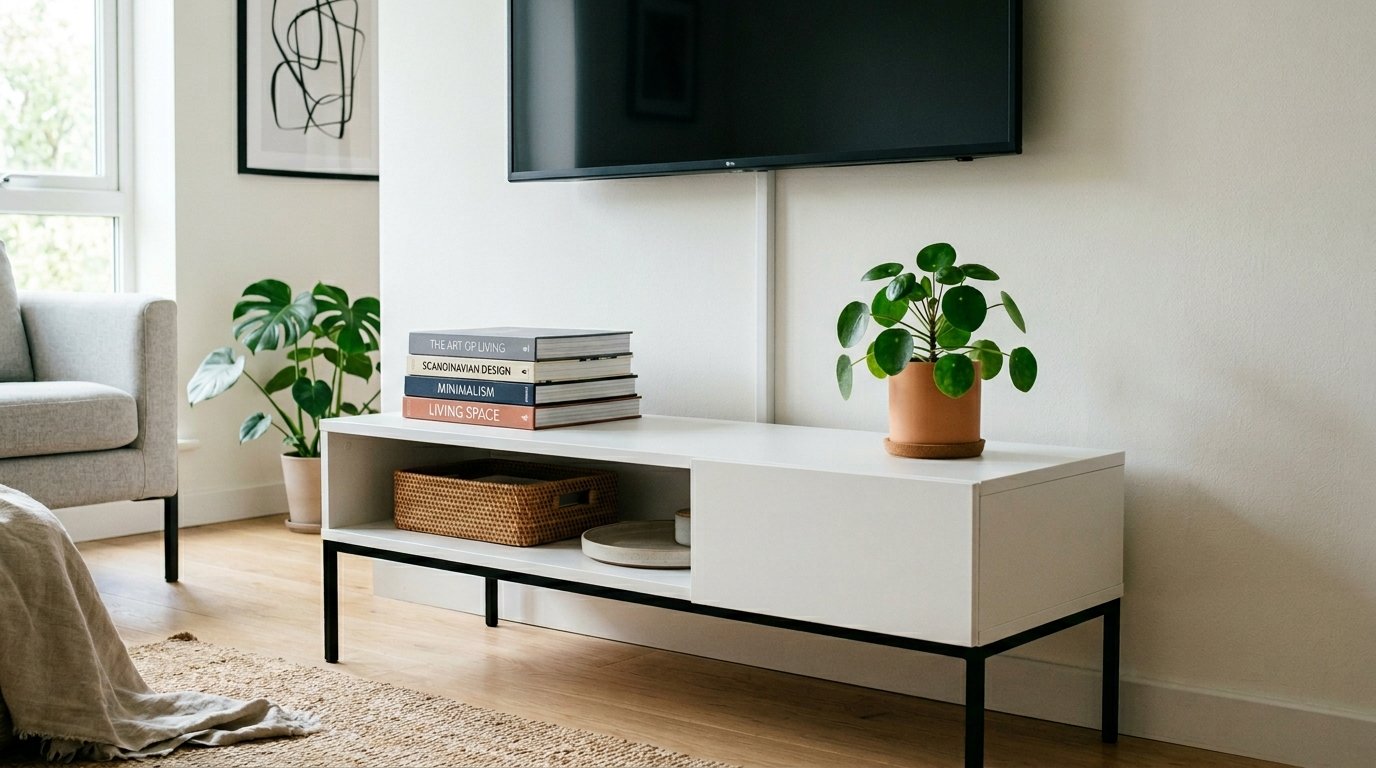
In a Small Apartment Interior, bulky furniture is the enemy. Swapping a heavy wooden entertainment center for a slim, metal-legged TV stand opens up visual floor space. I found a minimalist unit at a furniture liquidator for $110 that instantly made my room feel lighter. This assembly takes about an hour. Look for units that are at least 10 inches wider than your TV to keep the proportions correct. Avoid “corner units” if possible, as they tend to look dated and awkward. A sleek, low-profile stand allows the Living Room Tv Wall to feel integrated rather than dominated by tech.
13. Decorative Ceiling Trim
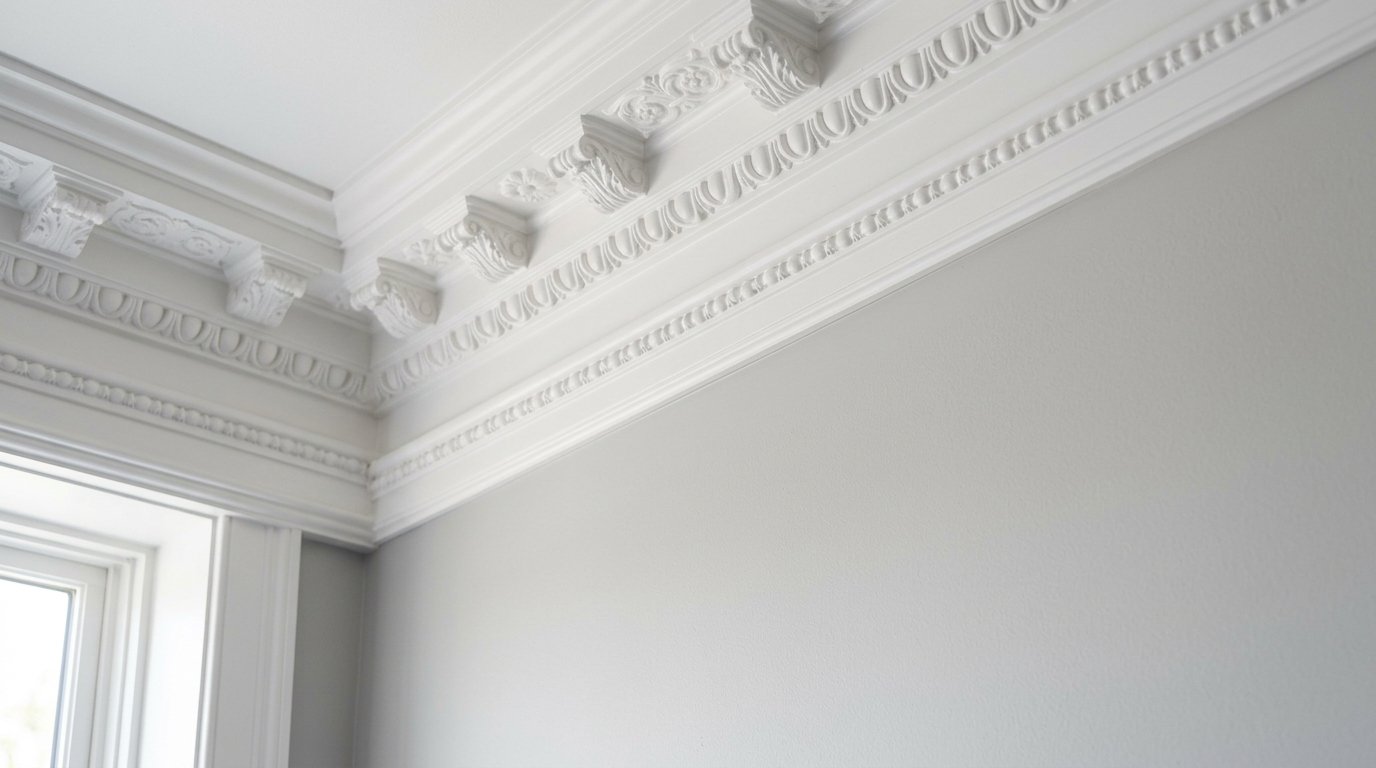
Adding crown molding or a simple ceiling medallion around a light fixture adds immediate architectural value. I’ve noticed that most builders skip these details to save money, leaving rooms looking “unfinished.” You can buy lightweight polyurethane molding that sticks on with adhesive for $70 per room. This project requires a miter box for clean corners, taking about six hours for a novice. A Ceiling Design Living Room doesn’t have to be complex; even a simple white trim makes the walls feel more substantial. It’s an “insider” trick that high-end decorators use to justify luxury price points.
14. Mixed Textile Pillows
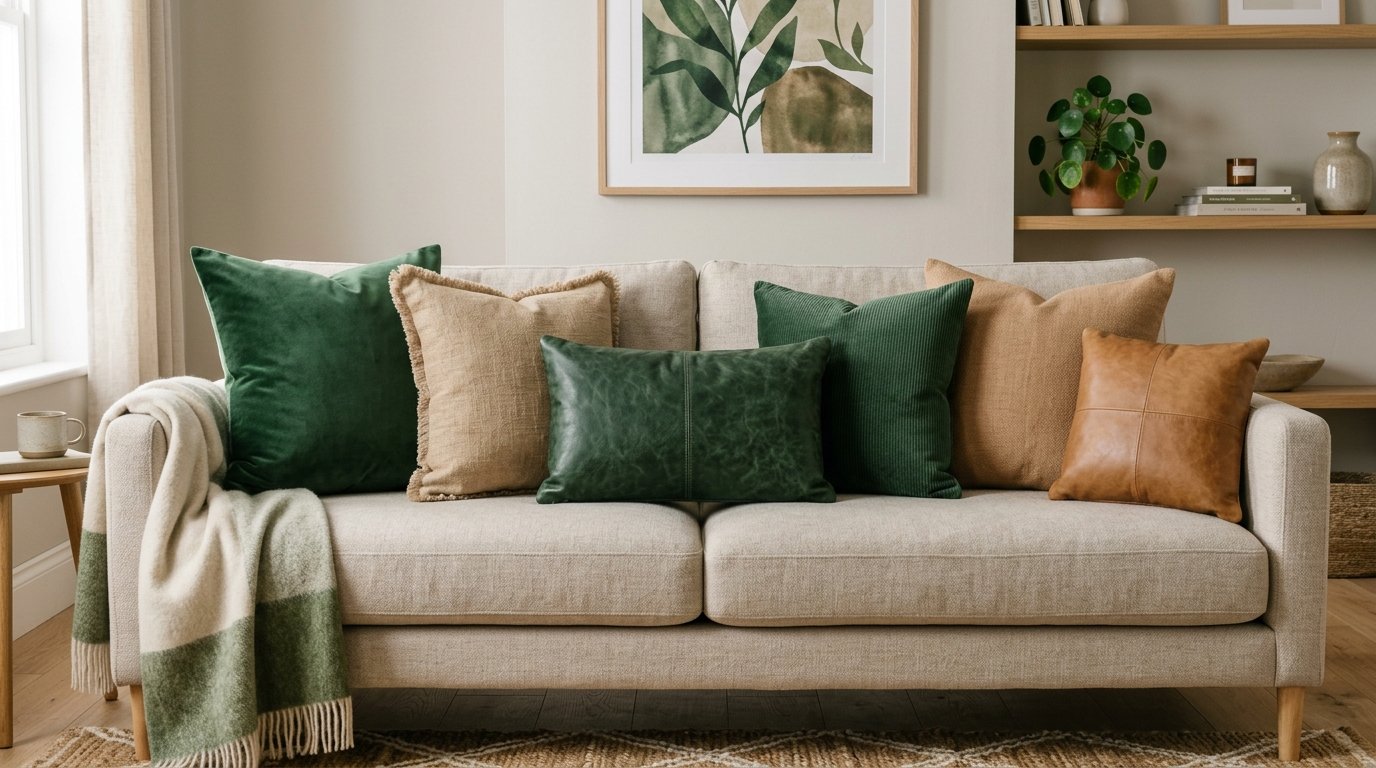
The “chop” you see in magazine pillows comes from high-quality down inserts, not the covers. I recommend buying inexpensive covers from Amazon or H&M and stuffing them with oversized down inserts from IKEA. This creates a plush, expensive look for about $15 per pillow. Mix textures like velvet, linen, and leather to add depth to your sofa. I’ve seen people use too many matching pillows, which looks like a hotel lobby. Instead, choose a color theme and vary the patterns. A practical action is to buy inserts that are 2 inches larger than the cover for a full, professional appearance.
15. Styled Mantel Shelf
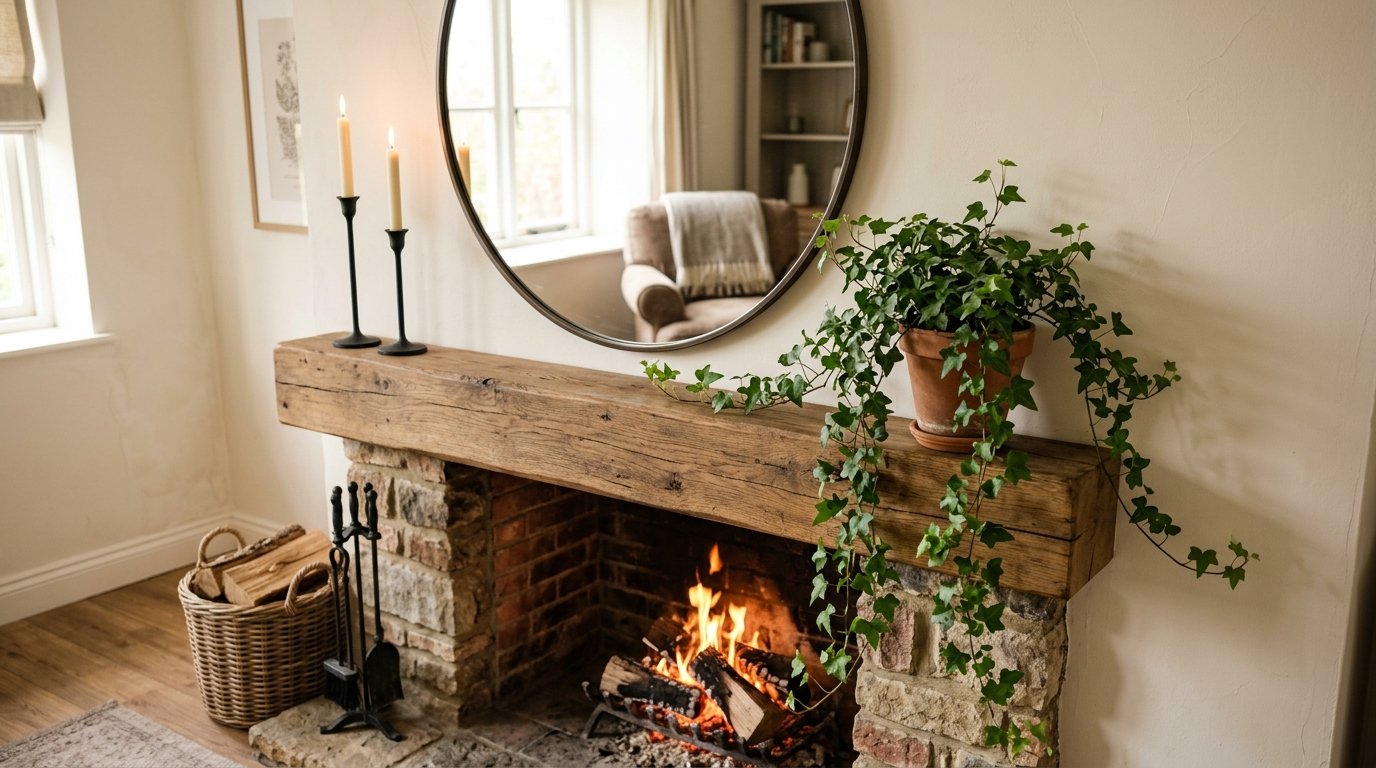
If you don’t have a fireplace, you can install a “faux” mantel shelf on a flat wall to create a focal point. I built one using a 4×4 timber and heavy-duty brackets for $55. Style it with a large mirror, two tall candlesticks, and a small stack of books. This adds a sense of history and “Decor Home Living Room” charm to a new-build space. The installation takes roughly two hours. Avoid putting a TV directly on the mantel if it sits too high; it ruins the ergonomics of the room and leads to neck strain. Use the mantel for art and decor instead.
16. Leaning Floor Mirror
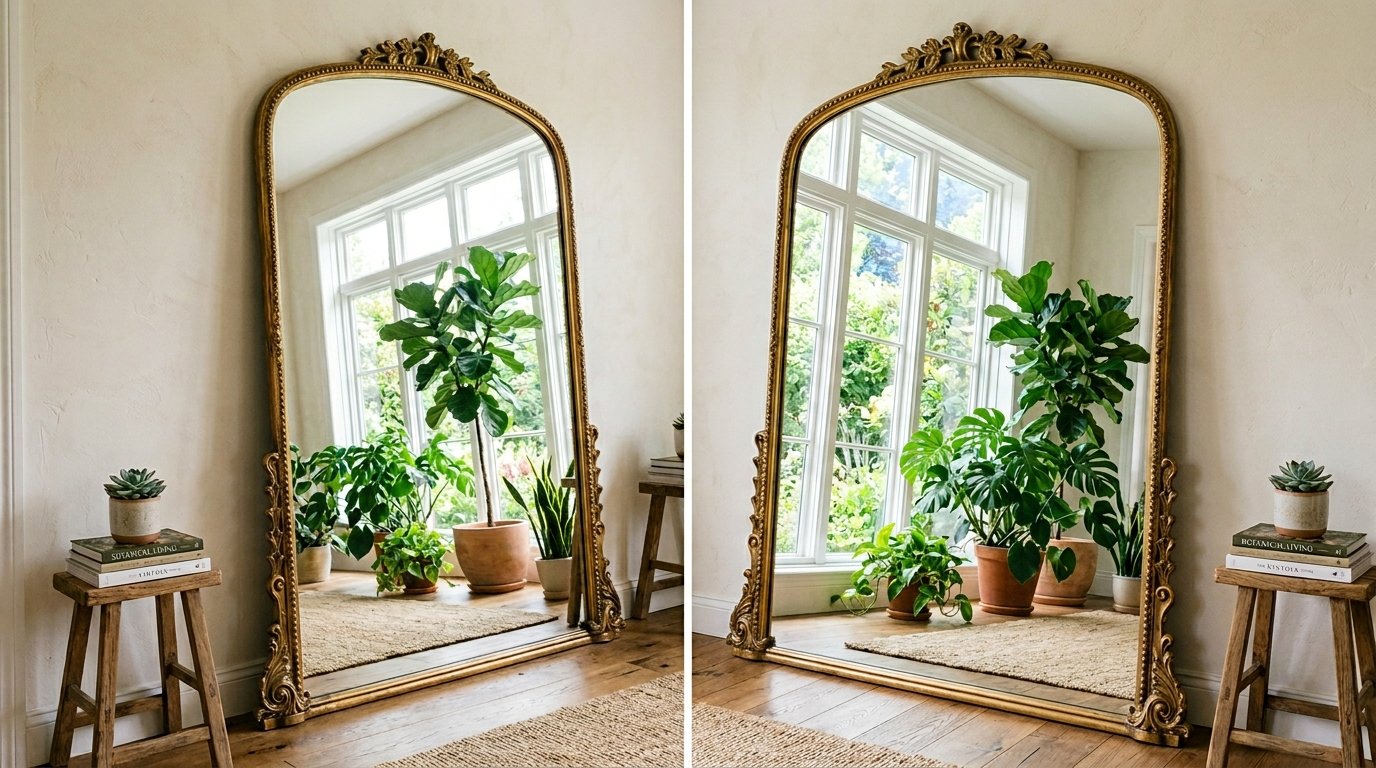
Reflective surfaces are the oldest trick in the book for making a room feel massive. A large, arched mirror leaning against a wall bounces light into dark corners and doubles the visual space. I found a gold-framed mirror at a discount home store for $130 that changed the entire feel of my Cute Apartment. Ensure you anchor the top to the wall with a safety strap if you have pets or children. A common mistake is buying a mirror that is too small; it should be at least five feet tall to have the desired impact. Position it opposite a window to maximize natural light during the day.
17. Modern Brass Hardware
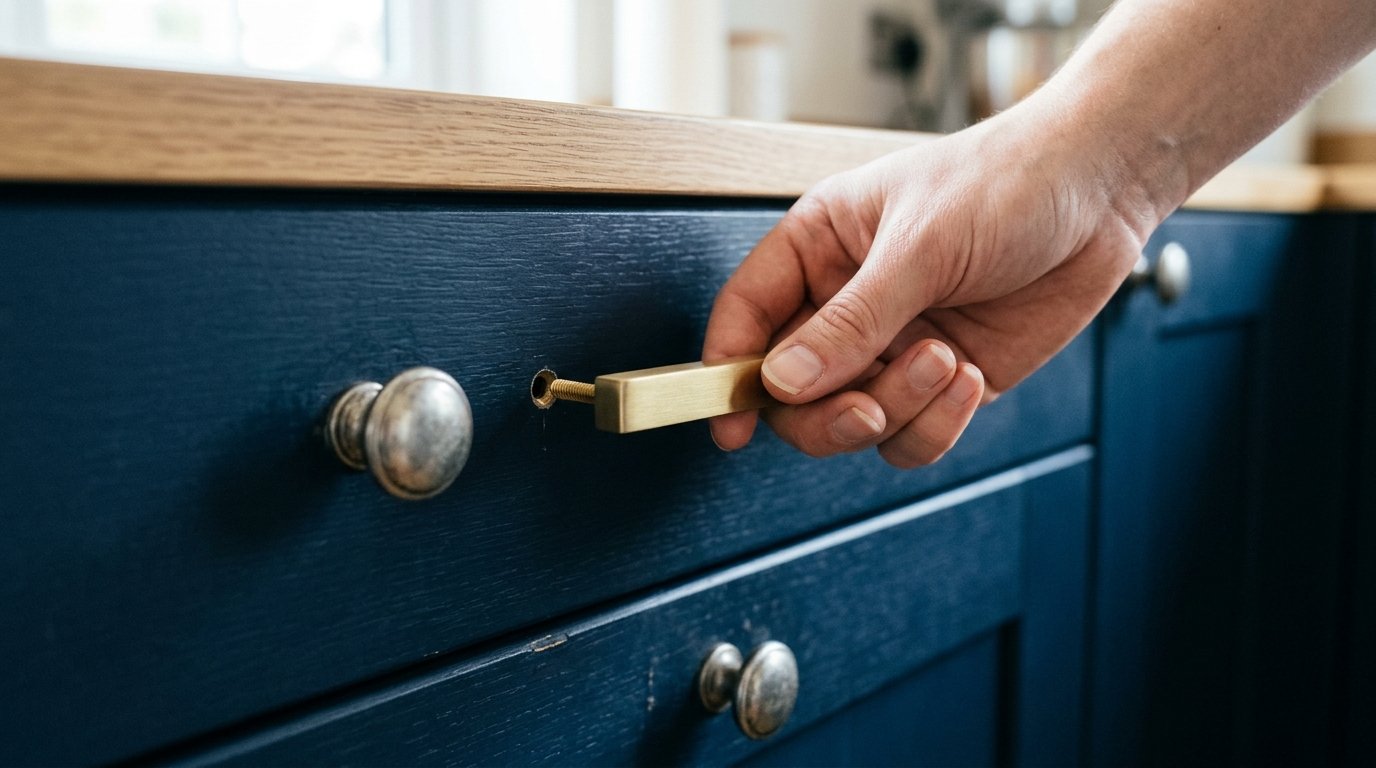
Replacing the dated silver or plastic knobs on your furniture and doors is the “jewelry” of home design. I swapped out ten cabinet pulls on an old sideboard for modern brushed brass handles for $45. This takes about twenty minutes with a screwdriver. I’ve noticed that this small change makes an entire piece of furniture look like it came from a high-end boutique. Ensure you measure the distance between the existing holes before buying new hardware to avoid drilling new ones. This is the ultimate low-effort, high-reward task for any living room makeover.
18. Cozy Window Seat
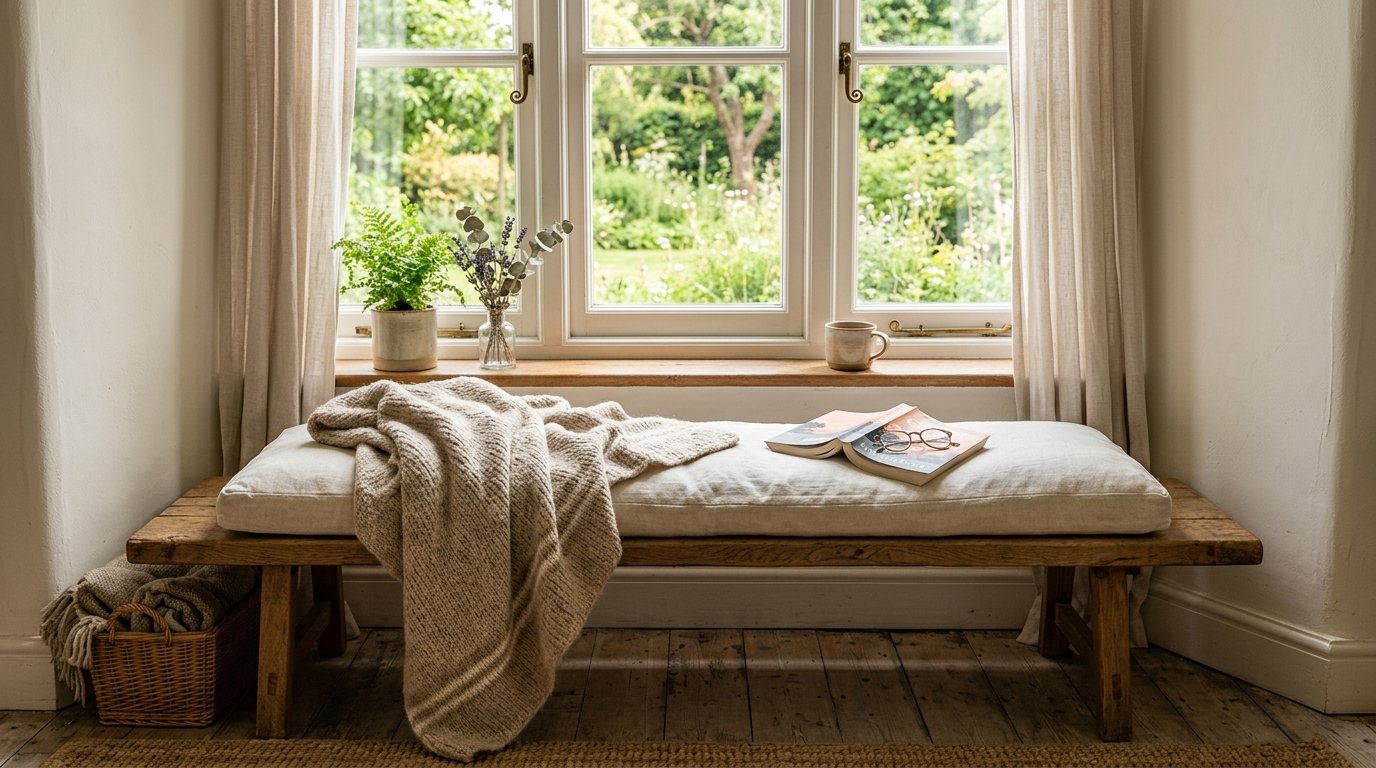
If you have a bay window or an empty nook, adding a small bench creates a secondary destination in the room. I used a simple wooden storage bench and added a custom foam cushion for a total of $95. This provides extra seating for guests and a perfect spot for reading. The project takes about three hours if you are sewing a simple cover. A contrarian note: don’t block the window with a high-backed chair. Use a low bench to keep the view open and the light flowing into the space. It’s a functional upgrade that feels incredibly intentional and custom.
19. Sculptural Pendant Lamp
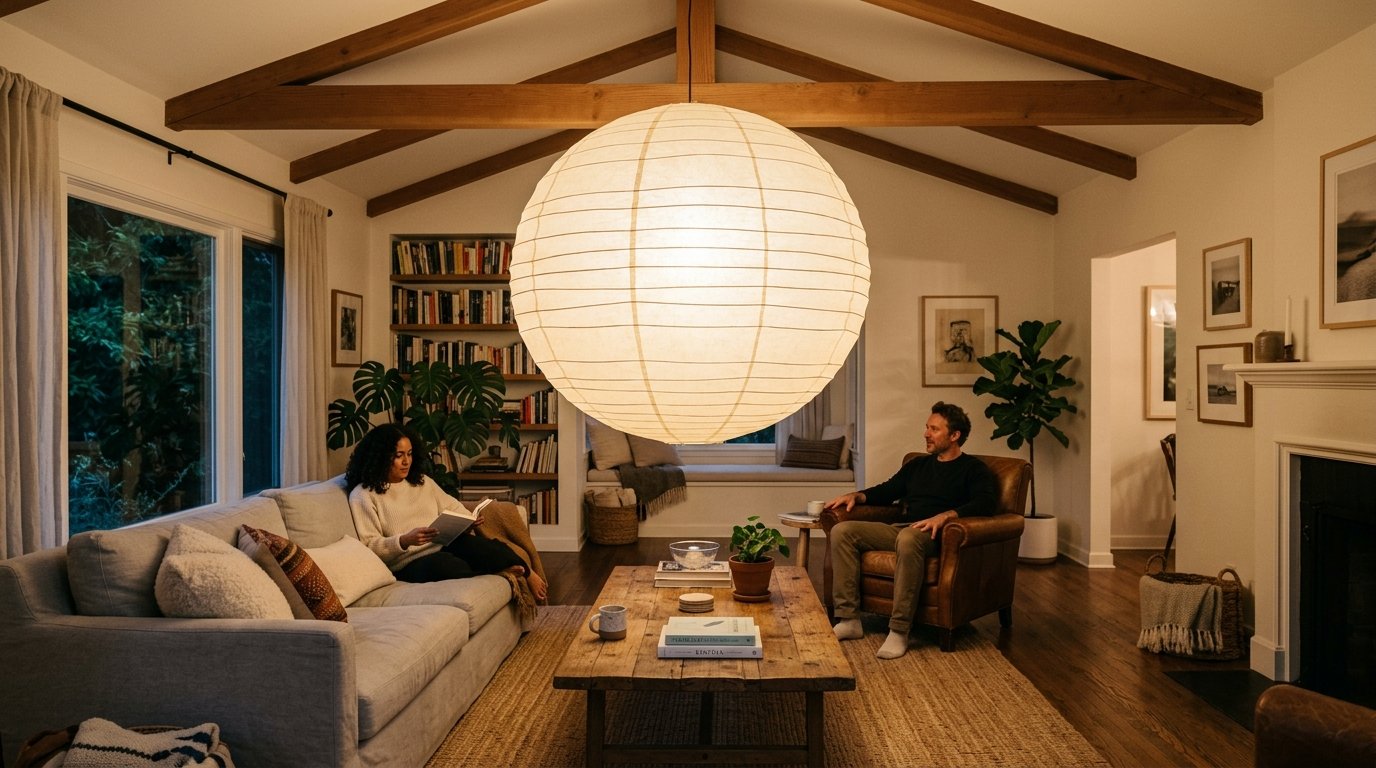
Swapping a basic flush-mount light for a dramatic pendant changes the “soul” of the room. I installed a large paper lantern style light in my living room for $60, and it became the first thing people mentioned when walking in. You can find beautiful mid-century or industrial styles at stores like West Elm during clearance events. While this involves basic wiring, it is a task most homeowners can do in thirty minutes with the power off. Avoid small “dainty” lights in a large living room; go big or go home to ensure the scale feels right for the space.
20. Zoning Open Spaces
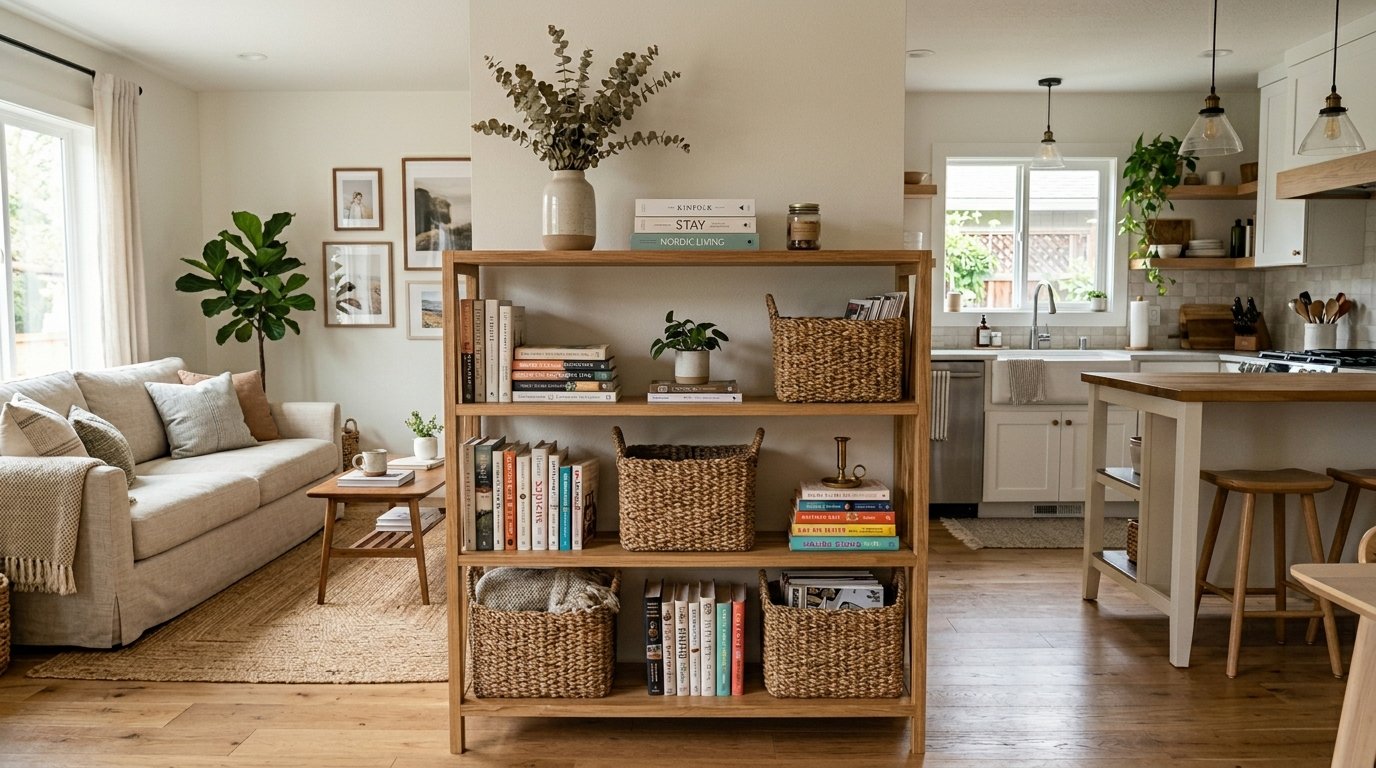
In modern homes, the living room often bleeds into the kitchen. Use furniture to create a “room within a room.” I’ve used a low bookshelf to act as a divider, which provides storage and defines the living area for about $85. This is essential for a Small Apartment Interior where every square foot must serve a purpose. A common mistake is leaving too much open floor space, which makes a room feel cold. Use your area rug and sofa placement to “box in” the living zone, making it feel like a private retreat even in an open-concept layout.
21. Woven Basket Storage
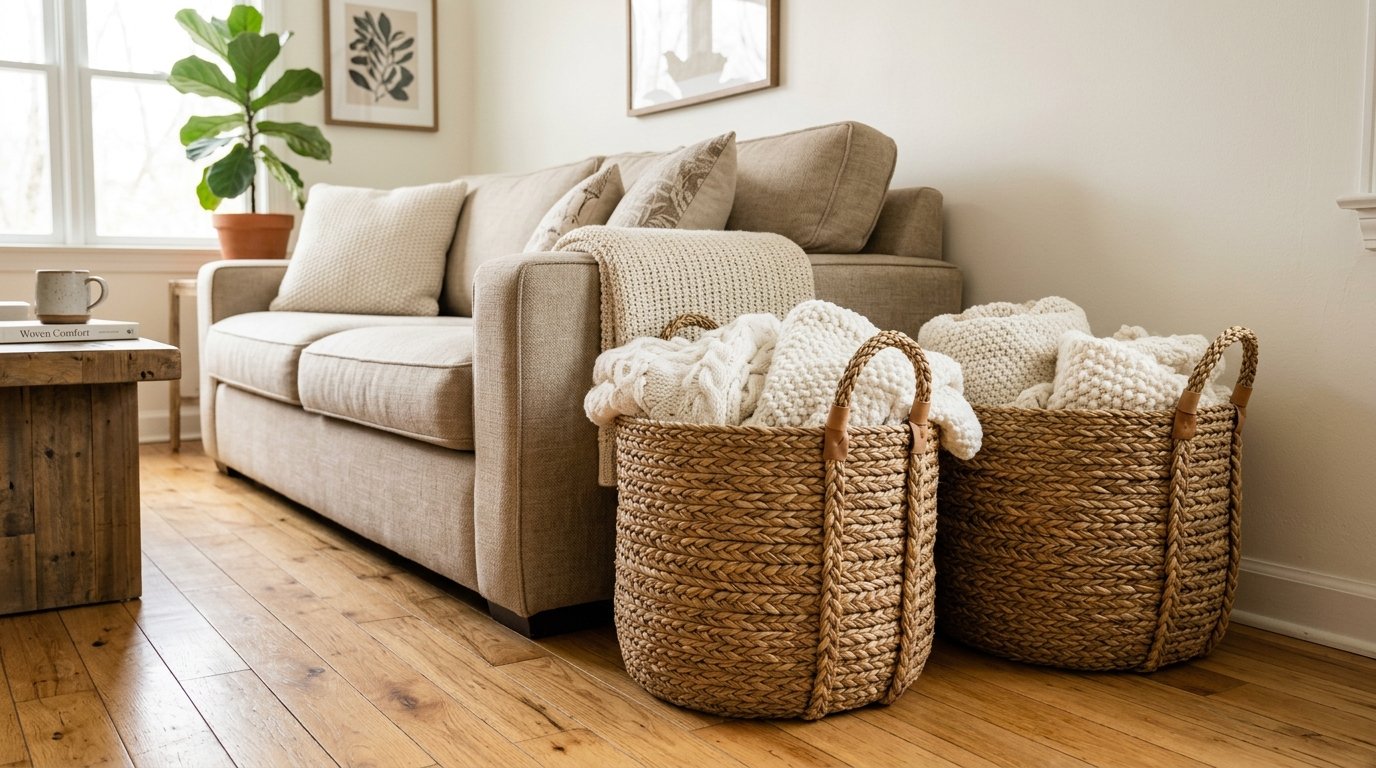
Clutter is the fastest way to ruin a living room makeover. I use large seagrass baskets to hide extra blankets, dog toys, and remote controls. You can find high-quality woven baskets at Target for $25 each. This keeps the surfaces clean and adds a natural, organic texture to the room. I’ve noticed that adding these “soft” elements balances out the hard lines of a TV or coffee table. A practical action is to designate one basket for “daily clutter” that you empty every Sunday evening. Keeping the space organized ensures that your design efforts actually shine through every day.
Frequently Asked Questions
How long does a typical living room makeover take?
A comprehensive makeover usually takes a full weekend if you have all your materials ready. Painting an accent wall takes about four to six hours, while assembling new furniture or installing shelving can take another three to five hours. If you are doing simple tasks like swapping hardware or reorganizing the layout, you can see a significant shift in just two hours. I always suggest starting on a Saturday morning so you have Sunday for the “styling” phase, which is the most rewarding part.
What is the best color for a small living room?
While white is the standard answer, I often recommend “greige” or a very pale sage green. These colors have enough depth to make the walls feel like they are receding, which makes the space feel larger. Avoid stark, cool-toned whites as they can feel clinical in low light. A warm, creamy off-white like Sherwin Williams “Alabaster” provides a cozy vibe while still reflecting maximum light. In my experience, the finish matters as much as the color; use a “flat” or “eggshell” finish to hide wall imperfections.
Can I do a living room makeover in a rental?
Absolutely, you just have to use “reversible” techniques. Peel-and-stick wallpaper is a great alternative to paint for an accent wall. Use Command Hooks for all art and shelves to avoid holes in the drywall. You can also swap out light fixtures or cabinet hardware, provided you keep the original pieces to put back before you move out. I’ve flipped several rentals using these methods for under $200 and always got my full security deposit back.
How do I hide messy TV wires on the wall?
The most professional way is to use a “cord racer” or a paintable cable channel. These plastic strips stick to the wall and hide the wires inside; you simply paint them the same color as the wall. This costs about $15 and takes ten minutes. Alternatively, you can mount your TV on a unit that has built-in wire management. I’ve seen people get creative by placing a large plant or a stack of books in front of the cable drop, which is a zero-cost “Decor Home Living Room” hack.
Is it worth it to buy a new sofa?
If your current sofa is structurally sound, I would say no. A high-quality slipcover can change the color and texture for about $150, which is much cheaper than a $1,200 new sofa. However, if the springs are gone and it’s causing back pain, it’s time to upgrade. I recommend looking for floor models or “open box” deals at furniture outlets to save 40% or more. If you do buy new, stick to a neutral color like gray or tan so you can change your decor around it for years to come.
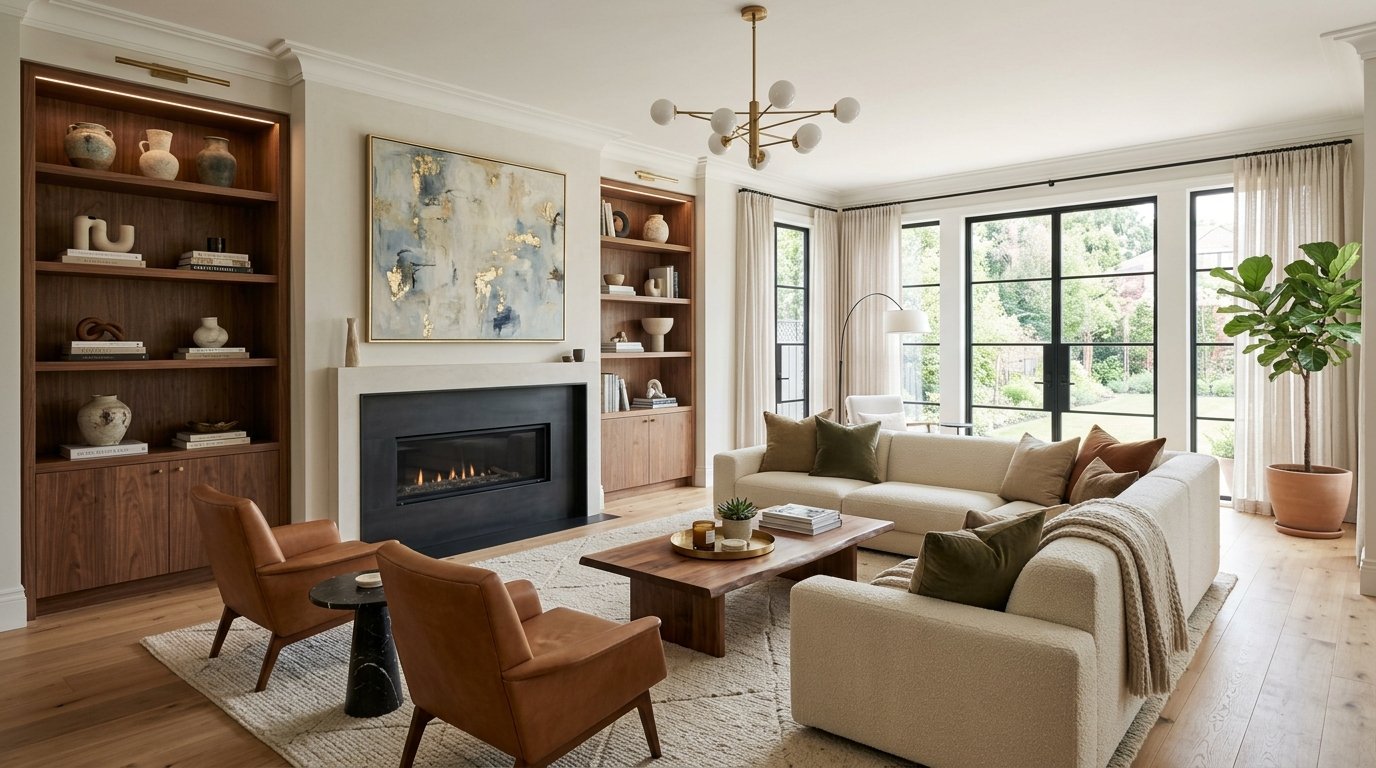
You don’t need a massive bank account to create a home that feels like a sanctuary. By focusing on these 21 living room makeover steps, you are choosing to invest in your daily environment and your mental well-being. I have seen how a simple shift in lighting or a fresh coat of paint on a TV wall can completely change how a family uses their space. Start with one small project this weekend—perhaps the accent wall or the rug—and watch how the momentum builds. Share this guide with a friend who is struggling with a “beige” room, and don’t forget to save these ideas to your Pinterest boards for your next home project. Your space has the potential to be beautiful right now, exactly as it is.