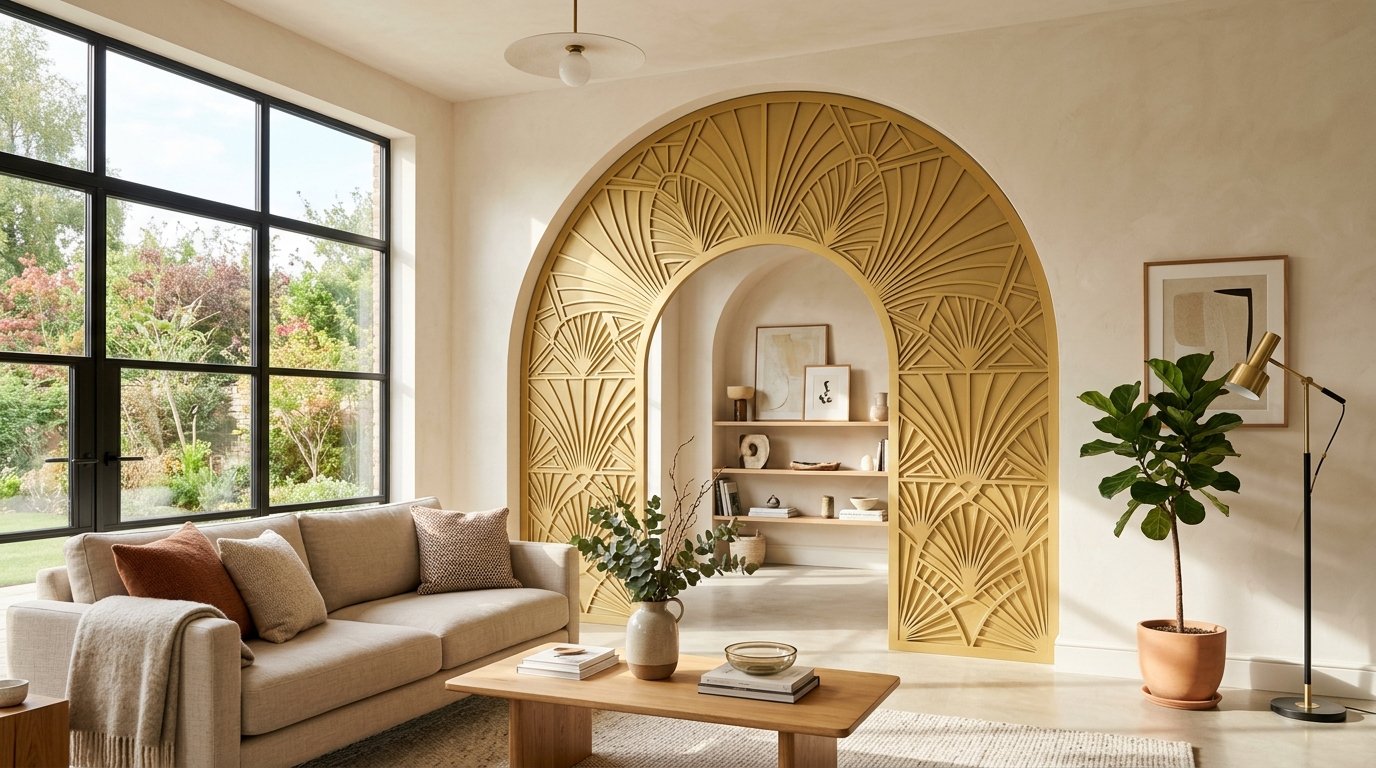
You walk into a room and something feels off. The furniture is expensive. The colors are coordinated. Yet, the space feels flat. This is the exact moment I realized that most modern homes lack a structural soul. Three years ago, I remodeled a client’s living room in Chicago. We had the mid-century basics down, but it felt like a waiting room. On a whim, I sketched a series of overlapping fan shapes onto a piece of scrap paper. That became a custom brass wall inlay. The room didn’t just change. It woke up.
The fan shape is the undisputed king of the Art Deco shape family. It represents the sun rising, a peacock’s tail, and the high-speed movement of the machine age. Today, we call its revival Neo Deco. It takes the heavy, opulent Art Deco interior design of the 1920s and strips it back to clean lines and curated geometry. If you want a home that feels both historic and futuristic, you need to master the arch and the fan.
1. Why the Art Deco Shape Defines Modern Luxury
The fan is more than a pretty pattern. It is a mathematical expression of growth. In the 1920s, designers used this shape to break away from the flowery, organic mess of Art Nouveau. They wanted something that looked like it was built by a machine but felt like art.
When you use an Art Deco shape today, you are tapping into a century of prestige. I have seen basic bathrooms turn into spa retreats simply by swapping rectangular tiles for a fan scale pattern. It works because the human eye is naturally drawn to radial symmetry. It suggests order and luxury without being boring.
2. Incorporating Art Deco Wall Decor Through Arches
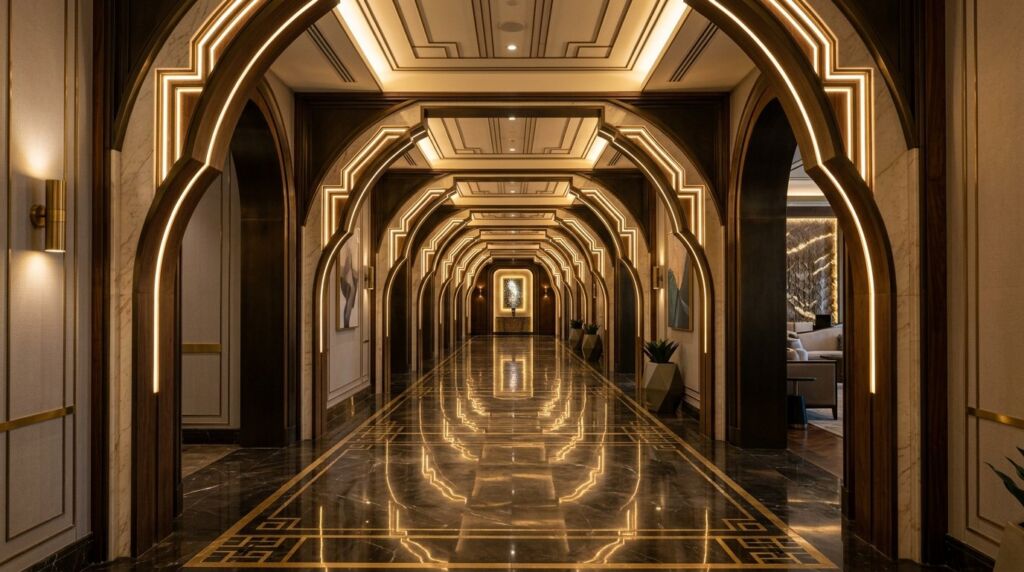
Walls are often the most wasted real estate in a home. Most people hang a single picture and call it a day. Neo Deco invites you to think about the wall as a structural element.
One of my favorite projects involved creating a series of recessed arches in a narrow hallway. By painting the interior of the arches a deep emerald and adding gold leaf fan motifs at the top, we turned a transition space into a destination. This isn’t just about sticking a decal on a wall. It is about using geometry to create depth.
- Use wood molding to create fan shapes on flat doors.
- Apply metallic paint to the “ribs” of a wall arch.
- Install sconces that cast fan-shaped light patterns.
3. The Science of Art Deco Shapes in Furniture
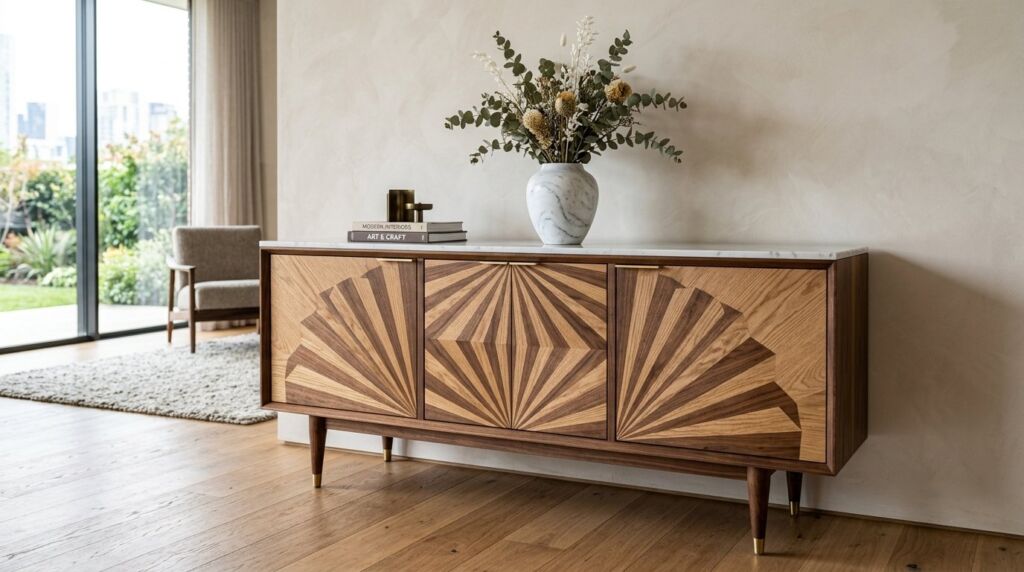
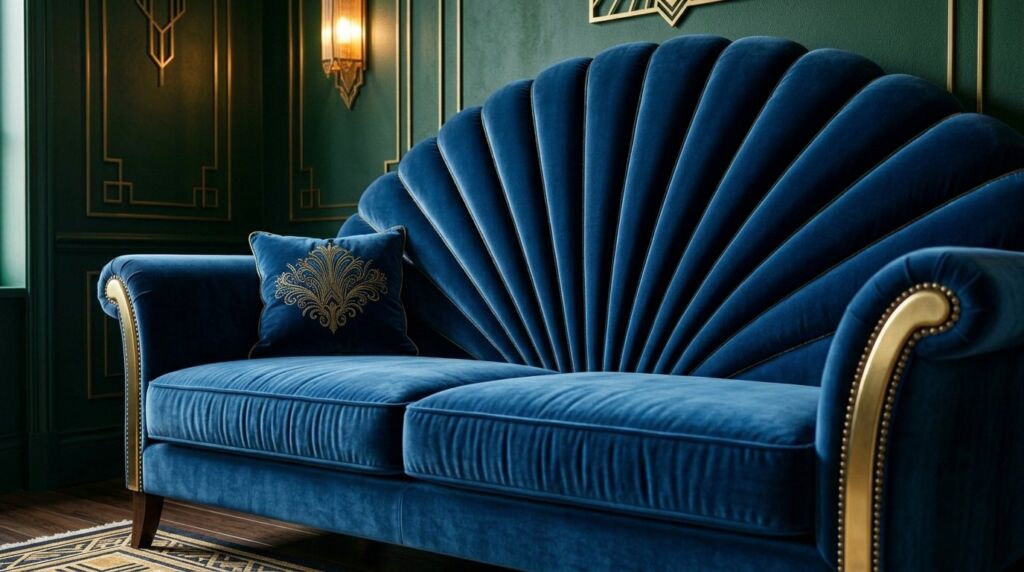
Furniture in the Neo Deco era isn’t just functional. It is sculptural. Look for pieces where the Art Deco shape is built into the silhouette. A velvet sofa with a channeled back that flares out like a fan is the ultimate statement piece.
I once worked with a furniture maker who insisted that curves were “too difficult” for modern minimalist homes. I disagreed. We built a sideboard with fan-shaped marquetry using three different wood veneers. The result was a piece that felt heavy and permanent. In a world of disposable flat-pack furniture, these geometric shapes offer a sense of “Timeless Elegance.”
4. Art Deco Interior Design and Material Contrast
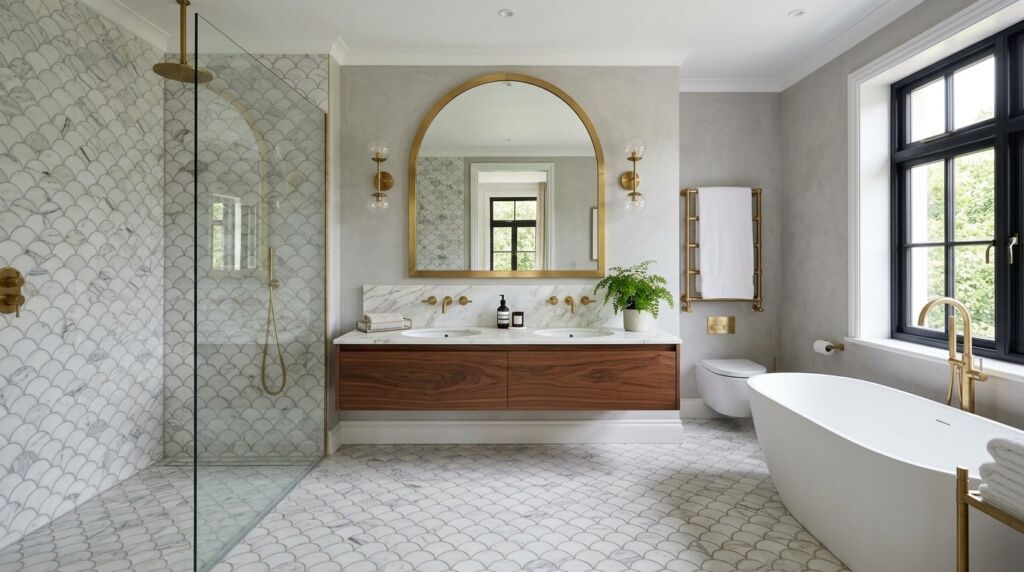
You cannot have Art Deco interior without contrast. The fan shape needs high-stakes materials to shine. Think polished marble against matte velvet. Think brushed brass against dark walnut.
In my own dining room, I paired a glass-topped table with chairs featuring fan-shaped backrests. The transparency of the glass allowed the geometry of the chairs to be the focal point. If the materials are too similar, the shapes get lost. You need that visual friction to make the “Curated Design” work.
5. Mastering Art Deco Interior Lighting
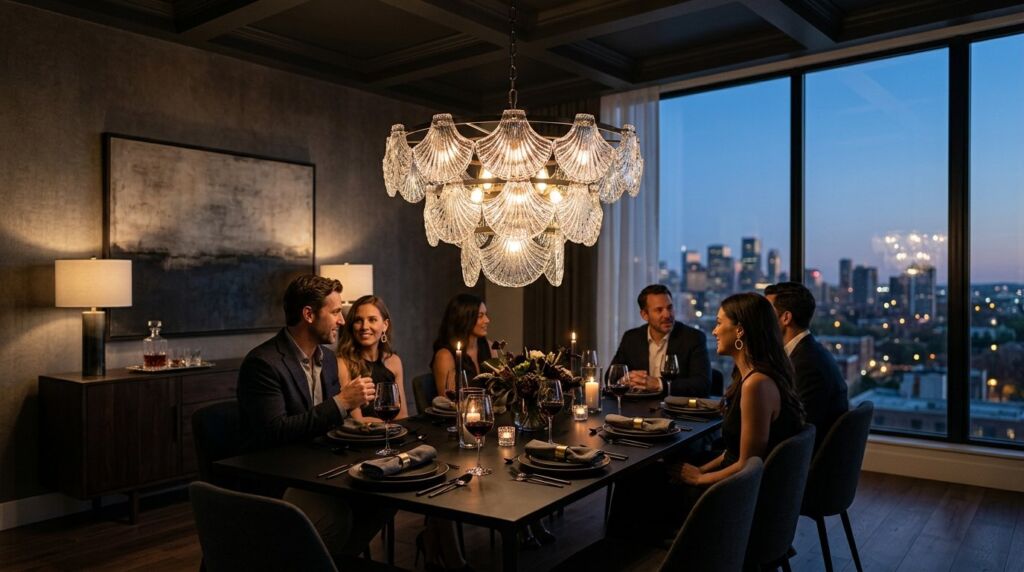
Lighting is where the fan shape truly shines. Literally. Art Deco interior design relies heavily on “mood” lighting rather than just overhead brightness.
Look for fixtures that use tiered glass or metal slats to mimic the fan. When the light hits these layers, it creates a gradient effect. I call this the “Gatsby Glow.” Last year, I replaced a standard kitchen pendant with a tiered fan chandelier. The owner told me it was the first time they actually wanted to spend time in the kitchen after dark.
6. Small Scale Geometry for Daily Impact
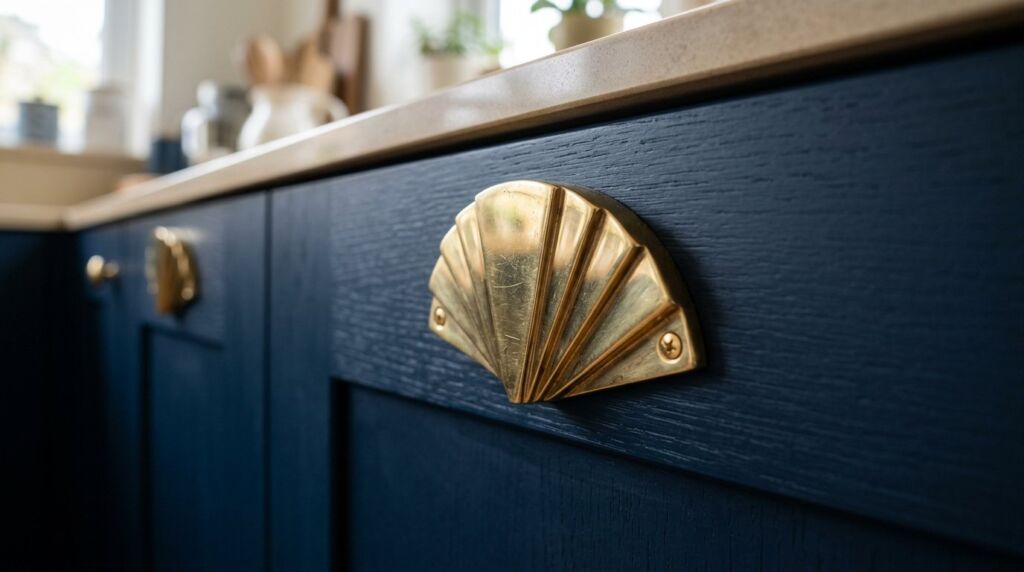
You don’t need a total renovation to embrace the Art Deco shape. Look at your hardware. Swapping standard cabinet pulls for fan-shaped brass handles is a ten-minute project that changes the entire vibe of a kitchen.
I keep a collection of Art Deco glass coasters and trays. They are small, but the repetitive geometry adds a layer of sophistication to a coffee table. It proves that “Decor Inspiration” can be found in the details.
7. The Role of Color in Neo Deco Arches
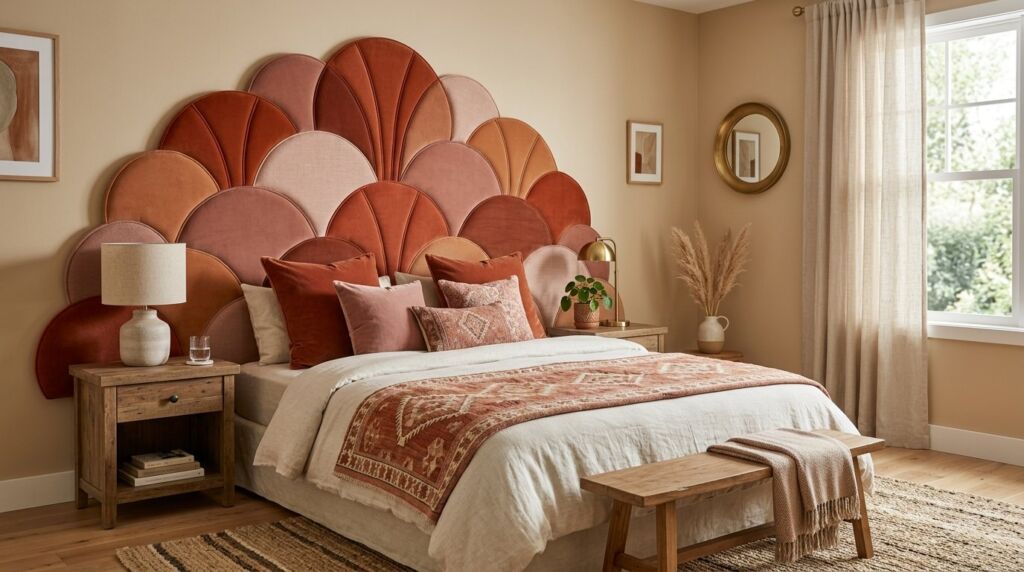
While the 1920s loved black and gold, Neo Deco is more flexible. I love using dusty pinks, sage greens, and terracotta. These colors soften the hard edges of the fan shape.
A few months ago, I saw a bedroom where the headboard was a giant, wall-mounted fan made of upholstered velvet panels in varying shades of blue. It was bold, but because the colors were tonal, it didn’t feel overwhelming.
8. Flooring Patterns and Radial Symmetry
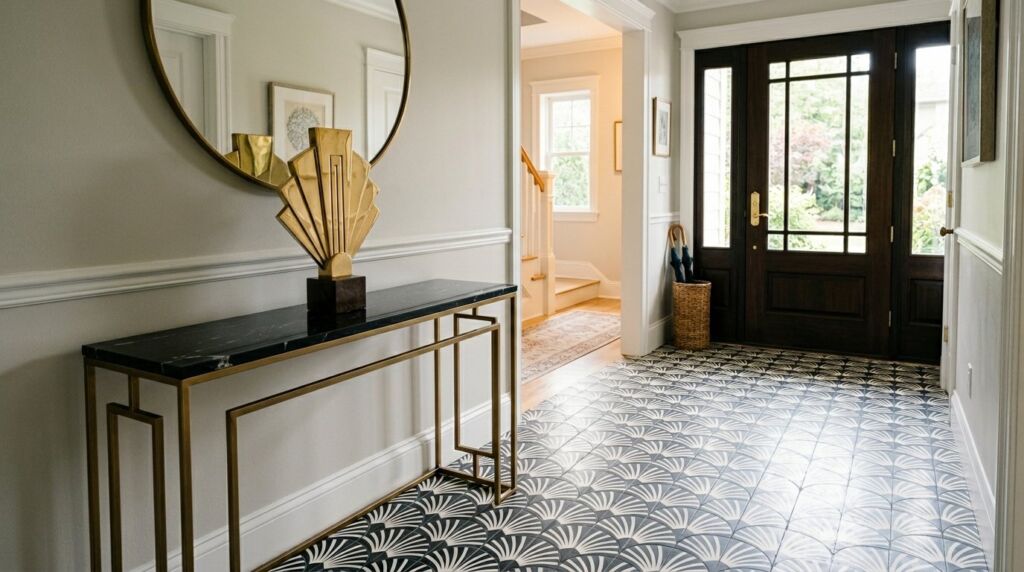
Don’t forget the floor. The “Art Deco Shape” looks incredible in tile work. Fan-shaped tiles, also known as fish scale tiles, are perfect for entryways or bathrooms.
In a recent Brooklyn brownstone project, we used black and white fan tiles in the foyer. It created a “Curated Design” moment the second you stepped through the door. It tells guests that the home is intentional.
9. Mixing Geometry with Organic Textures
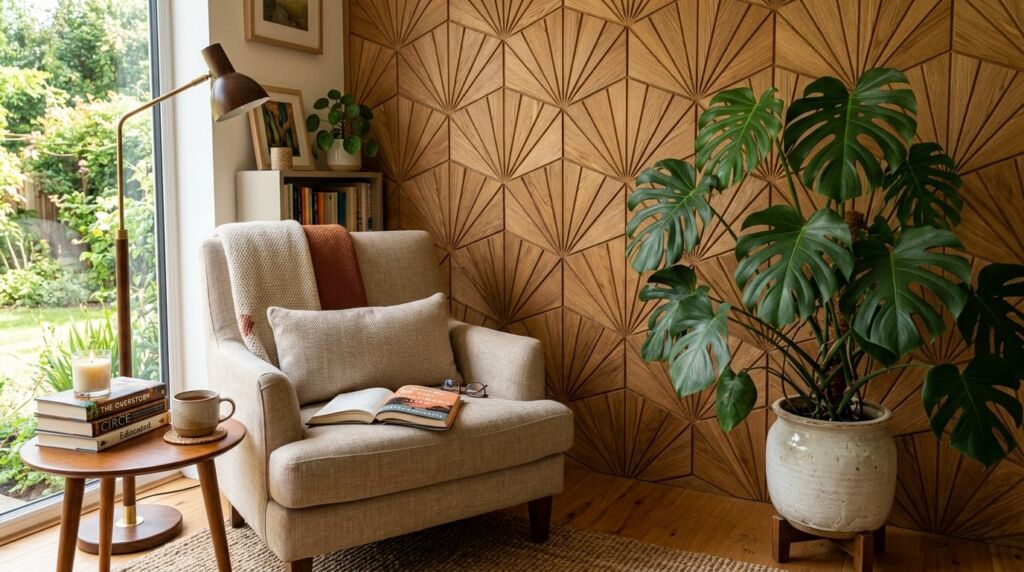
The biggest mistake people make with Art Deco interior is making it too cold. To avoid the “museum” feel, mix your fan shapes with organic elements.
Place a large, leafy plant like a Monstera in front of an Art Deco wall decor piece. The chaotic, natural lines of the plant provide a perfect foil to the rigid, calculated lines of the fan. This balance is what makes a house feel like a home.
10. Creating Focal Points with Fan Motifs
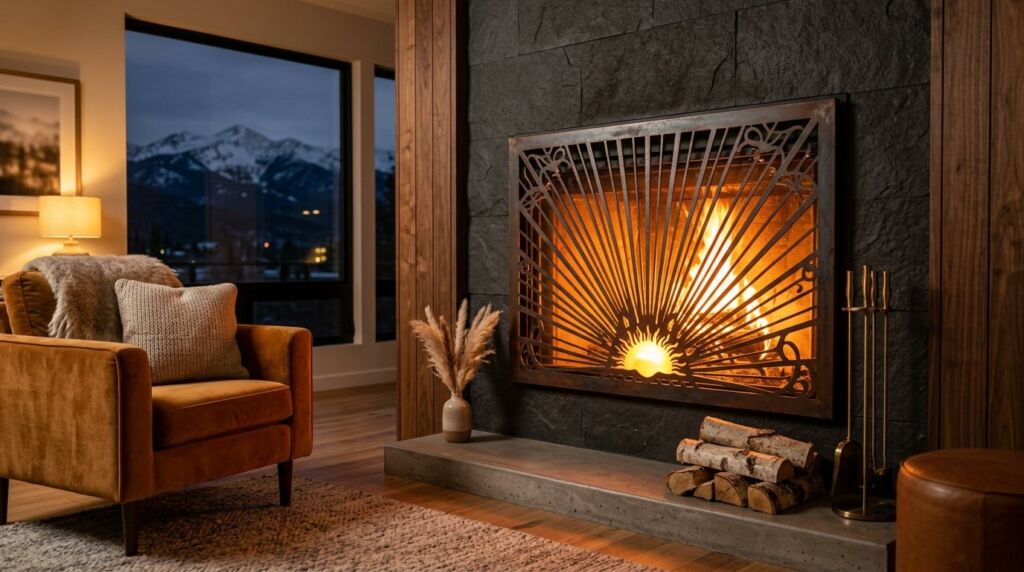
Every room needs one “hero” element. If you have a fireplace, that is your fan shape opportunity. A custom fire screen with a fan motif or a tiled surround in a radial pattern draws the eye immediately.
I once saw a fireplace where the mantel itself was carved into a series of stepped arches. It was a masterclass in using “Art Deco Shapes” to create architectural interest without needing extra furniture.
11. Custom Cabinetry and Inset Designs
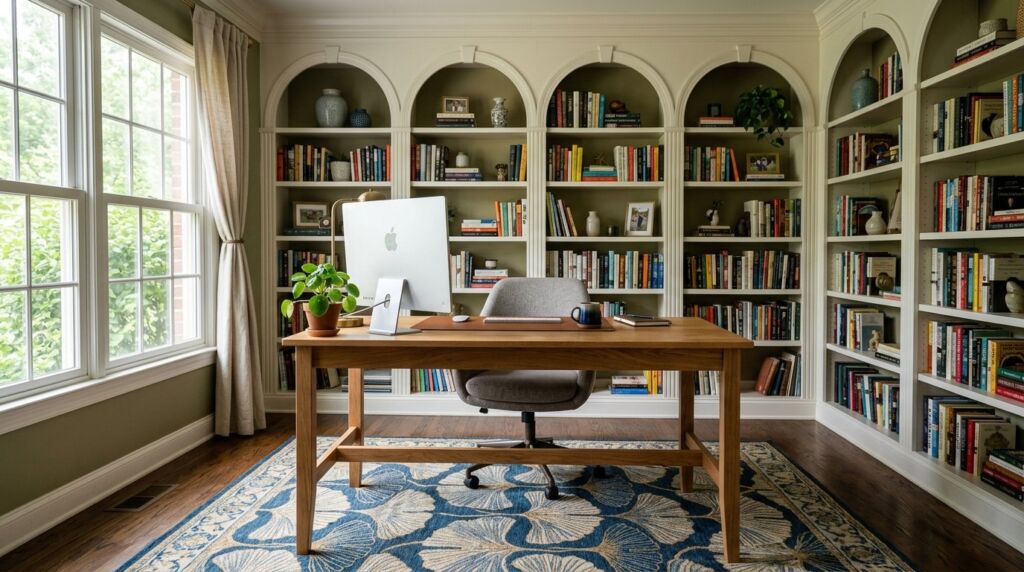
If you are building custom cabinets, ask for fan-shaped insets. This was a hallmark of high-end 1930s design. It adds a level of craftsmanship that is rarely seen today.
I remember a library project where we used fan-shaped brass grilles on the cabinet doors instead of glass. It hid the cluttered books while showing off the “Timeless Elegance” of the metalwork.
12. Textiles and the Repetitive Fan
Curtains, rugs, and throw pillows are the easiest way to test this trend. A rug with a large-scale fan print can anchor a room and give you a color palette to work from.
I prefer tone-on-tone prints. A navy rug with a slightly different shade of navy in a fan pattern provides texture without being “loud.” It is a subtle way to incorporate “Geometry” into a cozy space.
13. Comparison of Design Styles
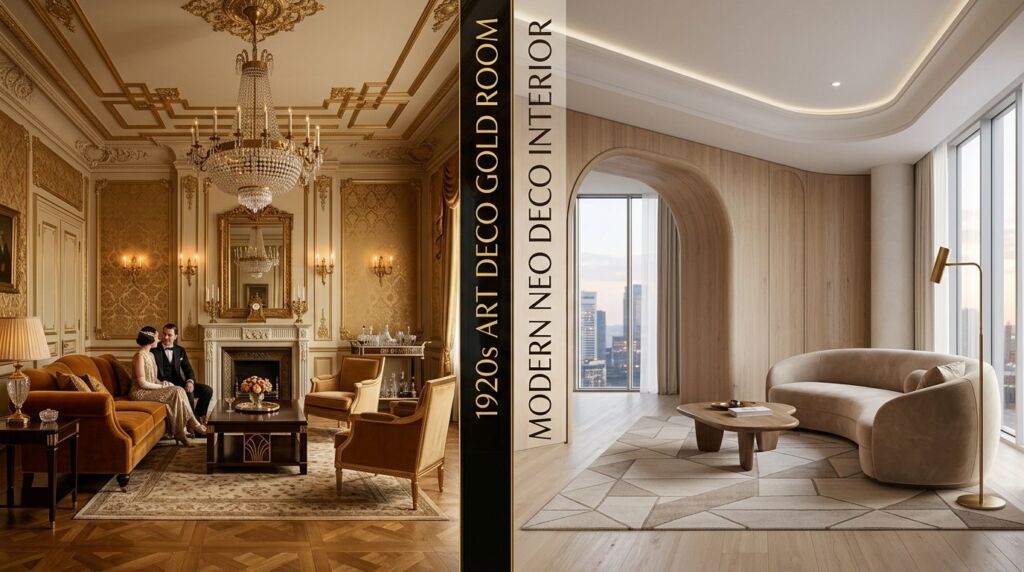
| Feature | Classic Art Deco | Neo Deco (Modern) |
| Color Palette | Black, Gold, Chrome | Earth Tones, Pastels, Wood |
| Materials | Exotic woods, Ivory, Bakelite | Sustainable wood, Recycled metal |
| Fan Shape | Sharp, repetitive, metallic | Softened edges, varied scales |
| Vibe | Opulent, High-contrast | Curated, Serene, Architectural |
14. Essential Tools for Neo Deco Implementation
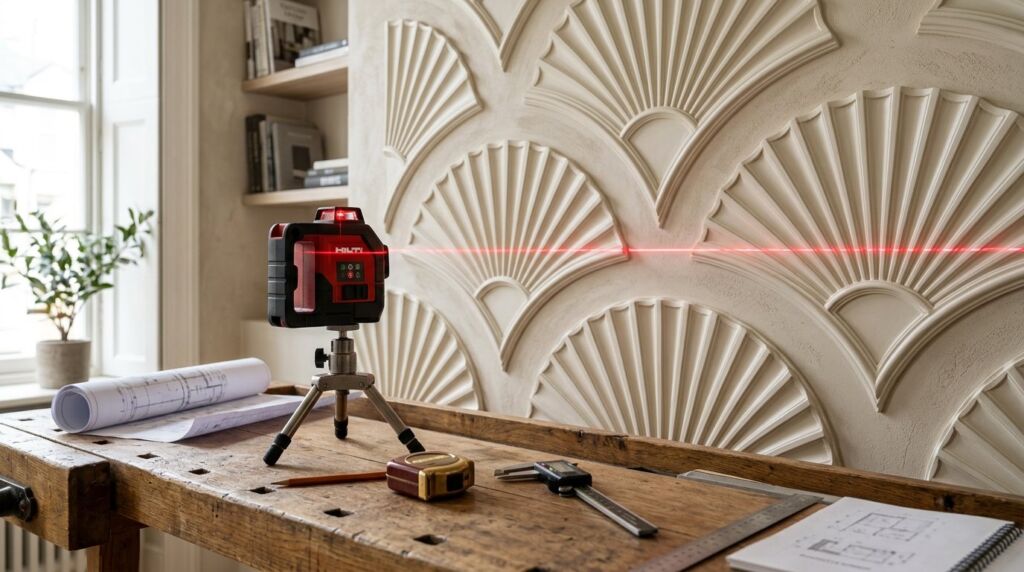
- Laser Level: Crucial for aligning fan-shaped wall molding.
- Gold Leaf Kit: For adding metallic accents to arch “ribs.”
- High-Quality Painters Tape: Essential for creating sharp geometric paint lines.
- Miter Saw: If you are brave enough to cut your own fan-shaped wood trim.
- Pinterest: My go-to for “Decor Inspiration” and mood boarding.
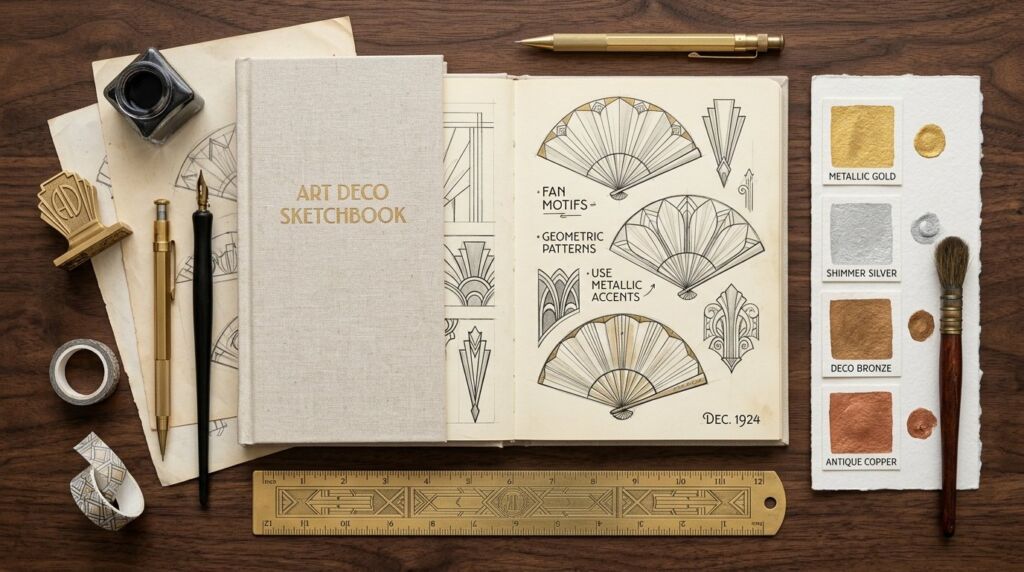
- Sketchbook: I never start a project without hand-drawing the “Geometry” first.
15. Frequently Asked Questions
Is the fan shape too dated for a modern home?
No. The key is in the execution. Avoid the heavy chrome and high-gloss black of the 80s “Art Deco Revival.” Instead, use natural materials like oak, linen, and matte brass. This keeps the “Art Deco Shape” looking fresh and architectural.
How do I mix fan shapes with other patterns?
Keep the scale different. If you have a large-scale fan pattern on the wall, use a small-scale dot or stripe on the pillows. “Geometry” works best when the shapes aren’t fighting for the same amount of attention.
Where is the best place to start with Art Deco Wall Decor?
The powder room. It is a small, contained space where you can take big risks. A fan-patterned wallpaper or a scalloped mirror can transform the room without a massive investment.
Can I use Art Deco shapes in a minimalist home?
Absolutely. Minimalism is about “Curated Design.” One single, well-placed fan-shaped element—like a sculptural chair or a large piece of art—can provide the visual interest that a minimalist room often lacks.
Summary of Key Insights
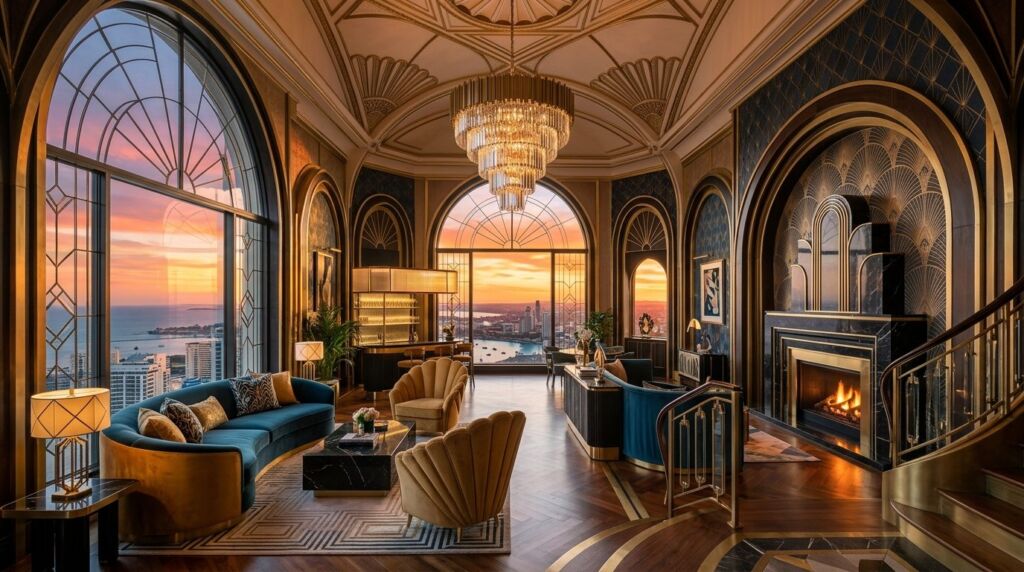
The return of the fan shape in home design isn’t just a trend. It is a return to form. By focusing on “Art Deco Shapes,” you are choosing a design language that has survived a century of shifting tastes. Whether through a massive “Neo Deco Arch” or a simple piece of “Art Deco Wall Decor,” these geometric elements bring a sense of history and “Timeless Elegance” to modern spaces.
My best advice? Start small. Pick one wall or one piece of furniture. Watch how the light hits the curves. You will soon realize that the fan isn’t just a shape. It is a way to make your home feel intentional.