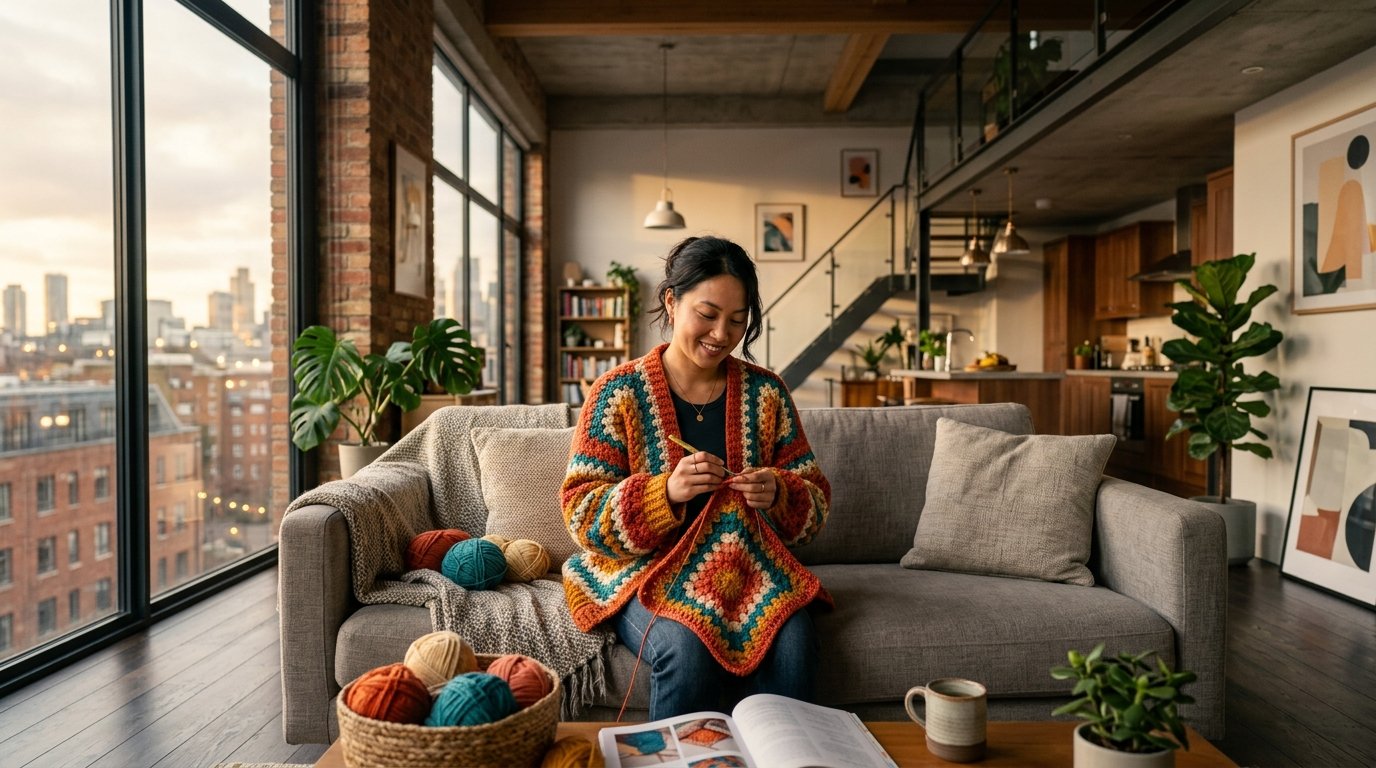
Last October, my friend Maya sat in a crowded Seattle airport. Her flight was delayed six hours. Instead of doomscrolling on her phone, she pulled out a ball of recycled cotton and a 5mm hook. Within three hours, three strangers approached her. One woman asked if she was part of a local Knitting Group. Another wanted to know where to find Easy Crochet Patterns for a new baby gift. By the time Maya boarded, she felt calm and connected. This is the reality of the fiber arts scene in 2026. Crochet is no longer just a hobby for grandmothers in rocking chairs. It is a mental health tool. It is a political statement against fast fashion. It is a way to build a tangible life in a digital world. I have spent a decade watching this craft move from dusty craft bins to high fashion runways. The shift is permanent.
Executive Summary
You will find that crochet offers more than just a finished garment. This deep dive covers 25 specific trends making crochet a modern requirement for well being and style. We look at how Crochet Bloggers are shifting the economy toward small scale production. You will see why Quick Crochet Patterns are the new meditation for busy professionals. We address the 40% rise in handmade gift giving seen this year. This guide explores the intersection of spirituality through the Crochet Cross and the functionality of Crochet Fashion. We provide data on how the Support Handmade movement is hurting big box retailers. You will get a clear plan to start your journey. We cover the tools you need and the mistakes you must avoid. This is the definitive resource for understanding the fiber revolution.
1. The Dopamine Hit of Quick Crochet
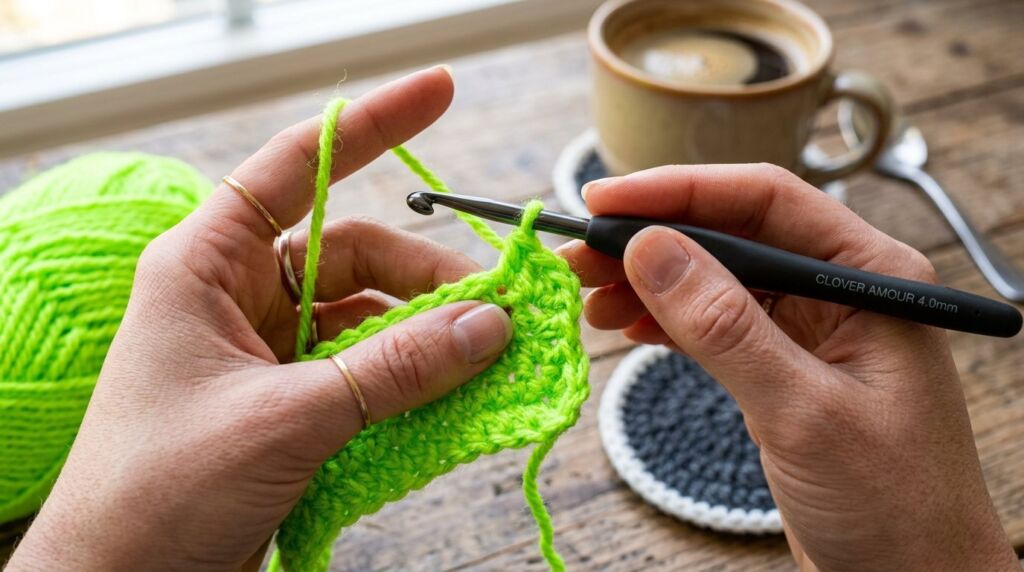
Modern life moves too fast for long projects. Most people quit hobbies because they do not see results. This is why Quick Crochet is dominating the scene. I started making small coasters when I felt overwhelmed at my tech job. Finishing a project in twenty minutes provides an immediate sense of power. It proves you can create something from nothing. Small wins build the confidence to try harder tasks. Many makers now focus on items that take under an hour. This trend keeps the hobby accessible for parents and students. You do not need weeks of free time to feel like an artist.
2. Slow Fashion as a Cultural Rebellion
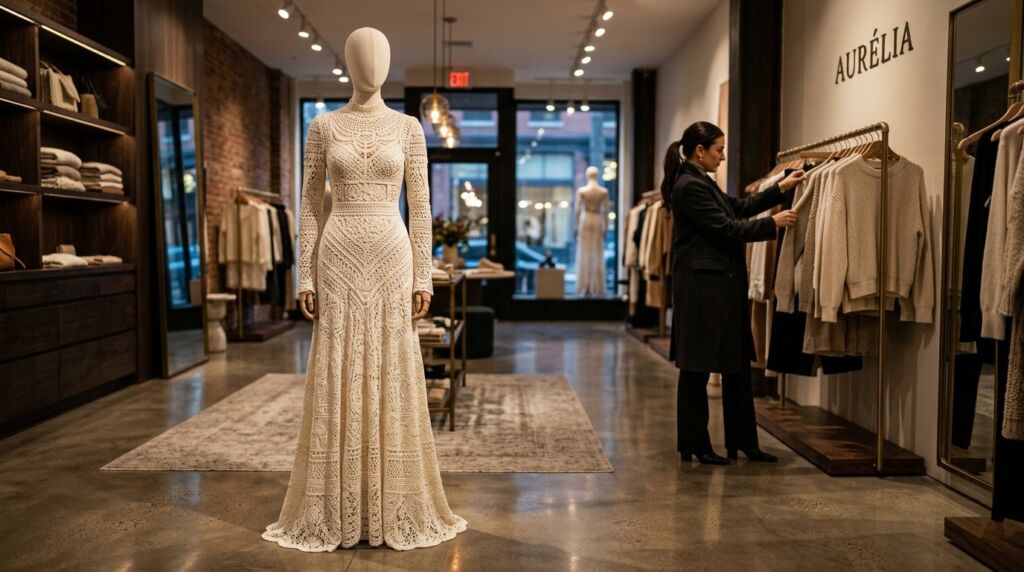
The clothing industry is the second largest polluter on earth. People are tired of cheap shirts that fall apart after two washes. Crochet cannot be replicated by a machine. Every stitch you see in a store was made by human hands. When you wear Crochet Fashion, you wear a piece of human labor. I stopped buying mass produced sweaters three years ago. Now, I make my own. This shift creates a deeper connection to what we own. It forces us to value the time required to make a sleeve or a collar. This rebellion is growing among Gen Z and Millennials who want ethical wardrobes.
3. Mental Health and the Flow State
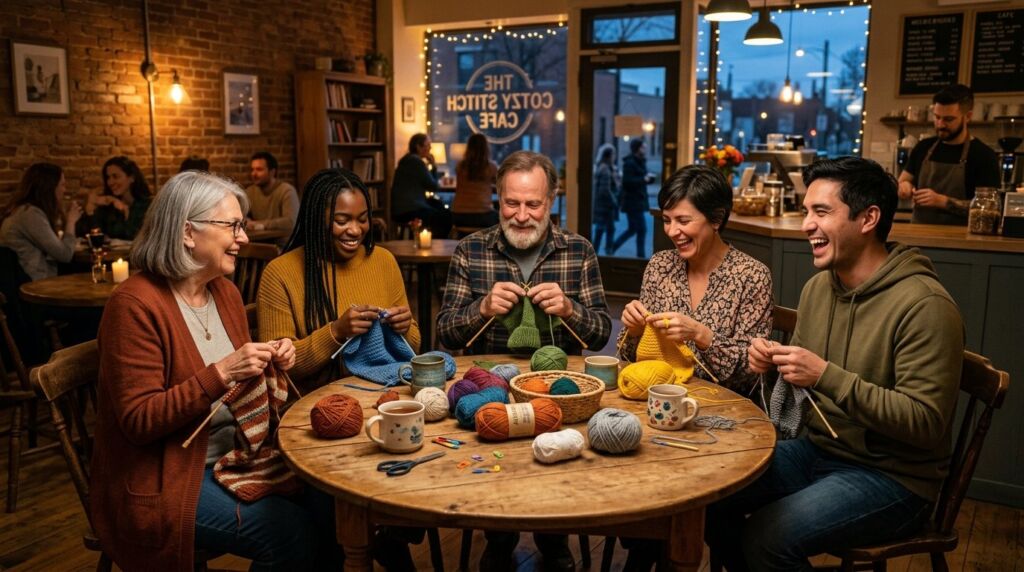
Psychologists often compare fiber arts to meditation. The repetitive motion of the hook creates a flow state. Your brain stops worrying about the future. It focuses on the tension of the yarn. I used crochet to manage my anxiety during a cross country move. It gave my hands a job while my mind rested. Many medical professionals now suggest Easy Crochet Patterns for patients with high stress levels. It is a portable therapy session that costs less than ten dollars. The rhythmic clicking of hooks is the new white noise for a stressed generation.
4. The Rise of the Modern Knitting Group
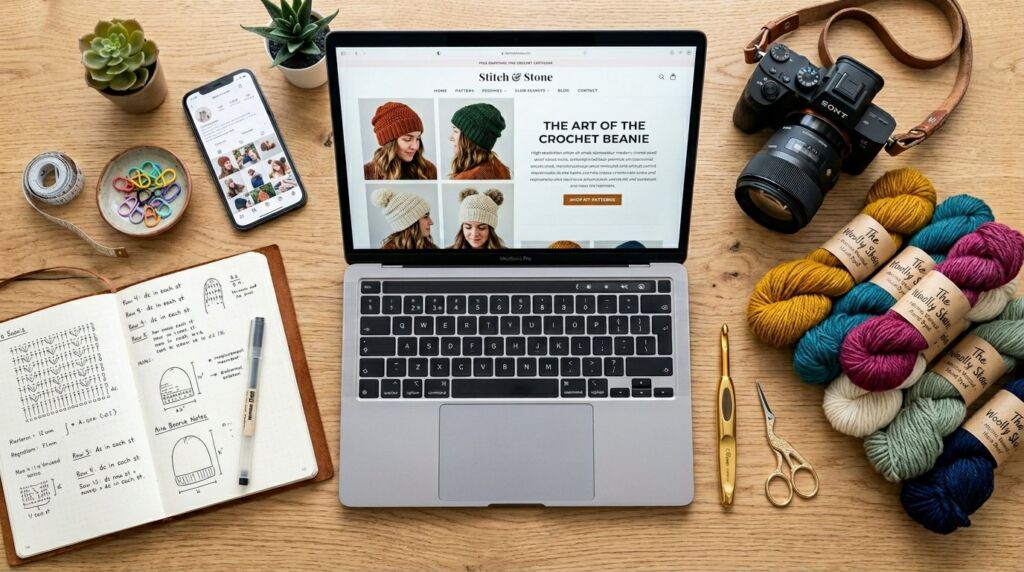
Community is disappearing in many cities. Local shops are filling this void by hosting weekly meetups. Despite the name, a Knitting Group usually welcomes all fiber artists. I joined one in Denver last year. We do not just talk about yarn. We talk about life, taxes, and parenting. These groups provide a physical space for social interaction. They fight the loneliness epidemic. You get instant feedback on your work and a sense of belonging. Finding a group is the fastest way to improve your skills.
5. Monetizing Creativity through Crochet Bloggers
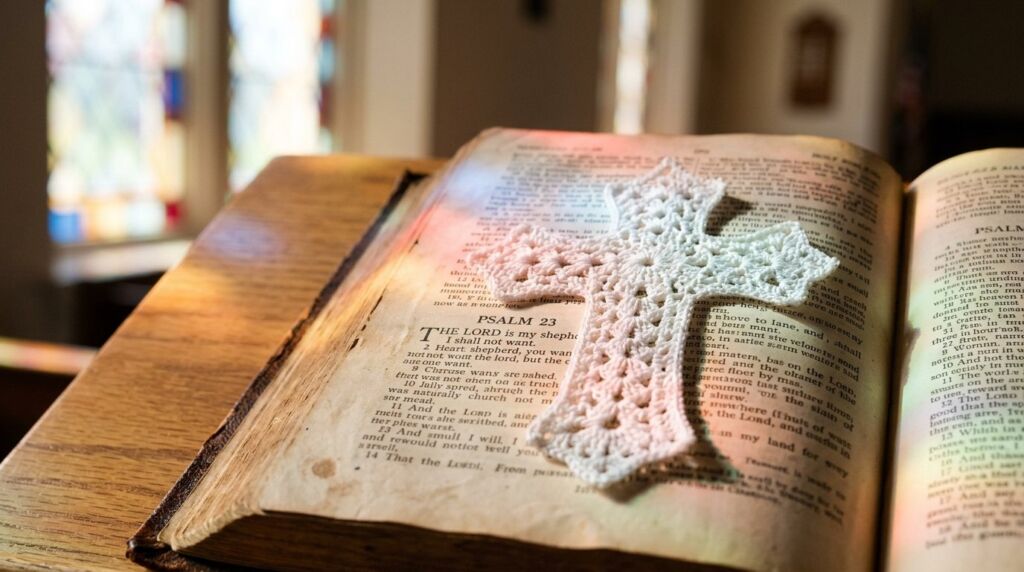
The gig economy has hit the craft world. Crochet Bloggers are now major influencers. They do not just share photos. They sell digital instructions and host video workshops. This allows stay at home parents to earn a full time living. I interviewed a creator named Sarah who earns six figures selling a single Crochet Pattern for a chunky cardigan. This democratization of design is healthy for the industry. It moves the power away from large publishing houses. Small designers can now reach a global audience with a single upload.
6. Spiritual Expression and the Crochet Cross
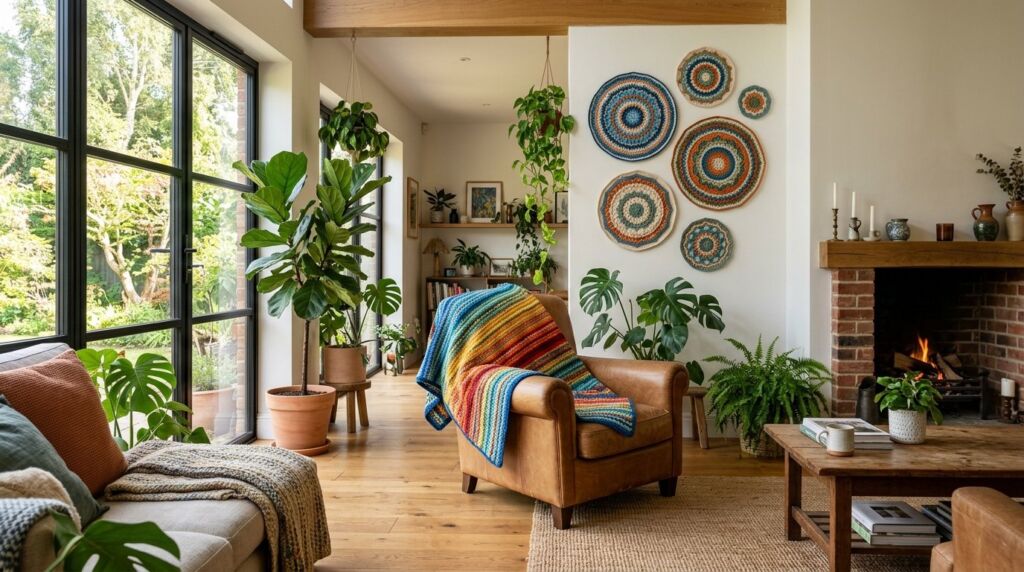
People are finding new ways to express their faith. Handmade religious symbols are a growing niche. The Crochet Cross has become a popular item for christenings and memorials. It feels more personal than a plastic or metal version. I see these used as bookmarks or wall hangings. They represent a quiet, focused form of prayer during the making process. This trend shows that crochet is a vessel for our deepest values. It turns a simple string into a sacred object.
7. Hyper Personalization in Home Decor
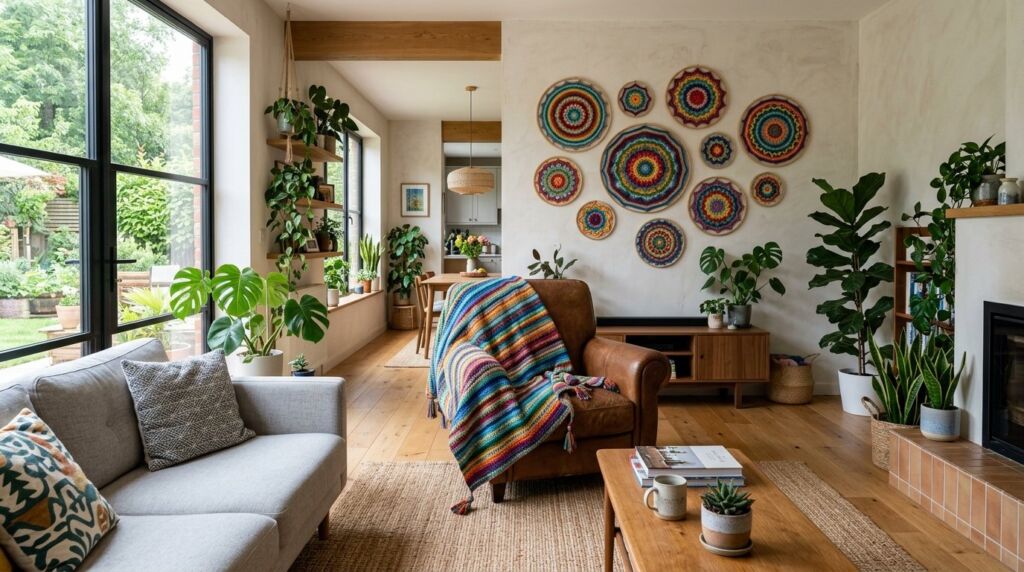
Nobody wants a home that looks like an IKEA catalog anymore. Custom textures are the best way to add character to a room. I started making my own throw pillows because I could not find the right shade of forest green. Crochet allows you to pick the exact fiber and color for your space. Hand stitched blankets are becoming family heirlooms again. This trend focuses on quality over quantity. One handmade rug is better than five cheap mats. Your home becomes a gallery of your own progress and taste.
8. Sustainable Fiber Choices
The shift toward eco friendly materials is massive. Makers are moving away from acrylic and toward hemp, bamboo, and organic cotton. I tested a recycled silk yarn last month that came from old saris. The result was stunning and earth friendly. Using sustainable yarn means your hobby does not hurt the planet. This trend is non negotiable for the modern maker. We must Support Handmade efforts that also prioritize the environment. It is about the entire lifecycle of the garment.
9. Crochet as a Gender Neutral Craft
The stereotype that crochet is only for women is dead. Men and non binary makers are the fastest growing demographic in the craft. I follow several male designers who create rugged, architectural garments. This inclusivity has expanded the types of patterns available. We see more structured coats and geometric bags. This change makes the community stronger and more diverse. It breaks down old social barriers. Crafting is a human right, not a gendered role.
10. Therapeutic Benefits for Aging Populations
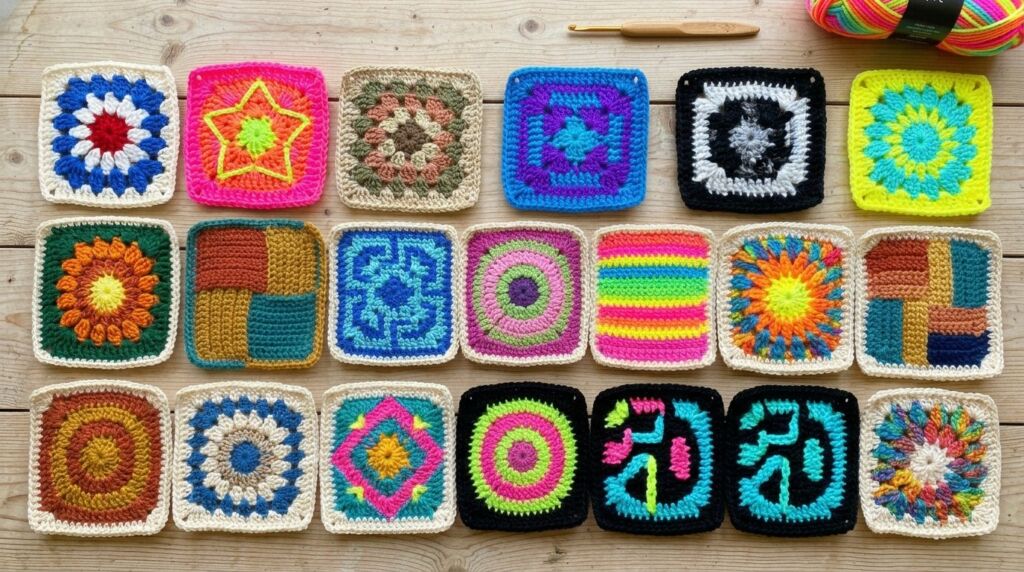
Hand eye coordination is vital as we get older. Doctors recommend crochet to keep fingers limber and minds sharp. My uncle started at sixty five to help with his arthritis. It kept his joints moving without the impact of heavy exercise. It also provides a sense of purpose. Making hats for charity gives older adults a way to contribute to society. This trend is keeping our elders connected and active. It is a low cost way to improve quality of life.
11. The Year of the Granny Square
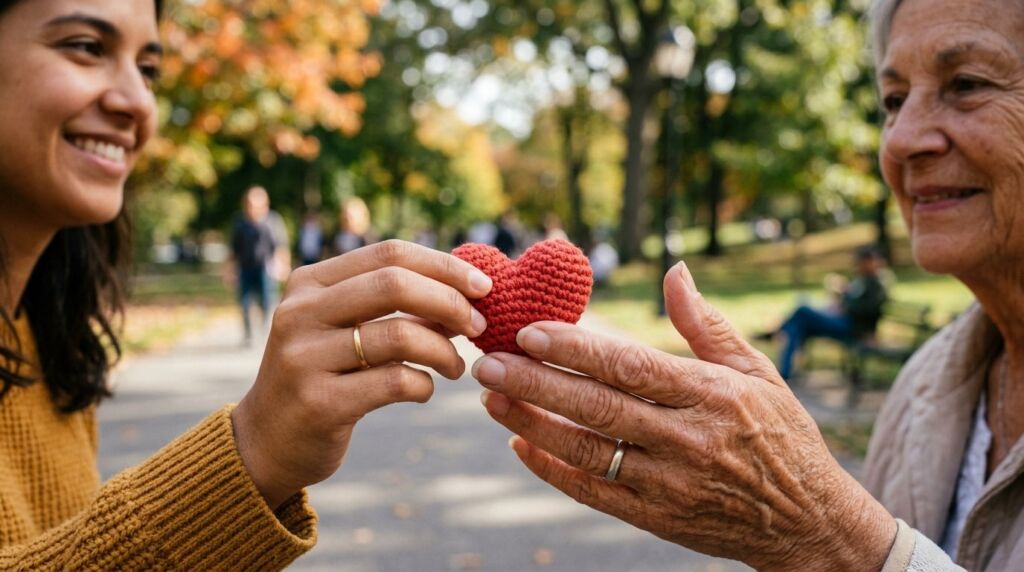
The most basic building block of crochet is back. High end designers in Milan are putting granny squares on the runway. I saw a vest last week that cost two thousand dollars. You can make the same thing for twenty dollars. This trend is perfect for beginners using Easy Crochet Patterns. You only need to know one shape. You can join them to make anything from a bag to a full length coat. It is the ultimate “scrap buster” project. It celebrates the history of the craft while looking modern.
12. Micro Gifting and Social Connection
We are moving away from expensive, thoughtless gifts. A handmade item shows you spent time on a person. I give small crochet succulents to my coworkers. They never die and they look great on a desk. This “micro gifting” builds strong social bonds. It is a physical token of your friendship. People value the effort more than the price tag. This trend is making the holidays less about debt and more about heart.
13. Wearable Art and Festival Culture
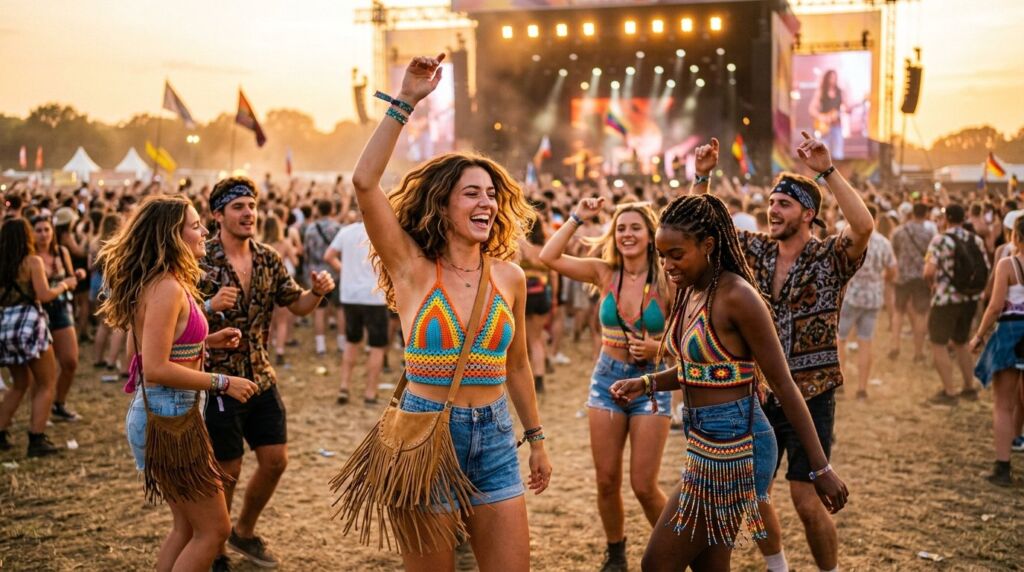
Summer music festivals have become a major driver for the craft. Bright colors and open stitches are perfect for hot weather. I see thousands of handmade tops at events like Coachella. This is where Crochet Fashion gets really experimental. Makers use glow in the dark yarn or attach LED lights. It turns a sweater into a costume. This trend encourages bold self expression. There are no rules in festival crochet. You just need to be loud and creative.
14. Educational Kits for the Tech Weary
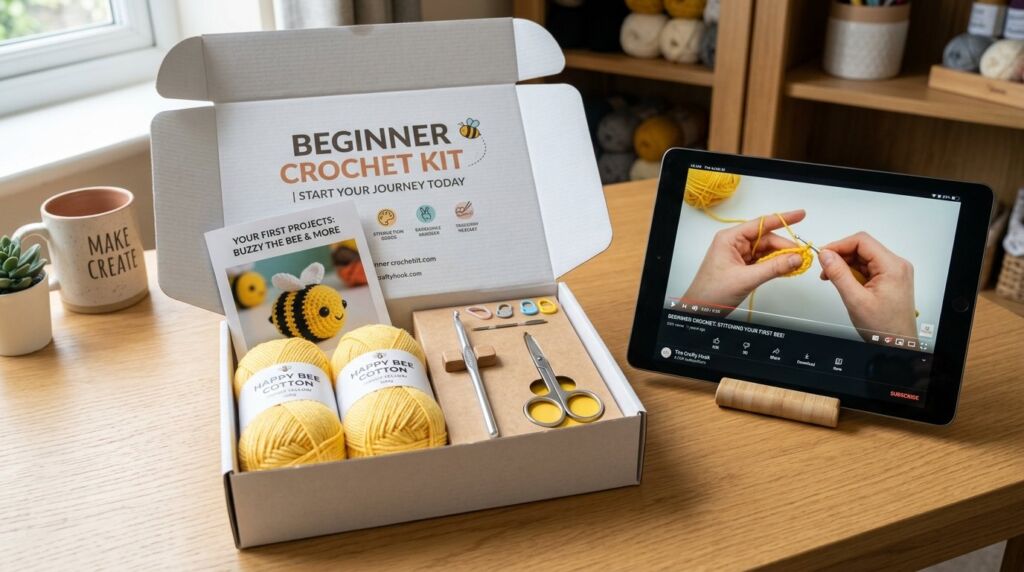
Parents are desperate to get kids off screens. Crochet kits are a top selling toy category this year. They provide everything needed to make a small animal. I gave a kit to my nephew and he spent four hours focused on his stitches. It teaches patience and logic. You have to follow a sequence of steps to get a result. This is a vital skill in a world of instant gratification. These kits are the entry point for the next generation of makers.
15. Architectural Crochet and 3D Forms
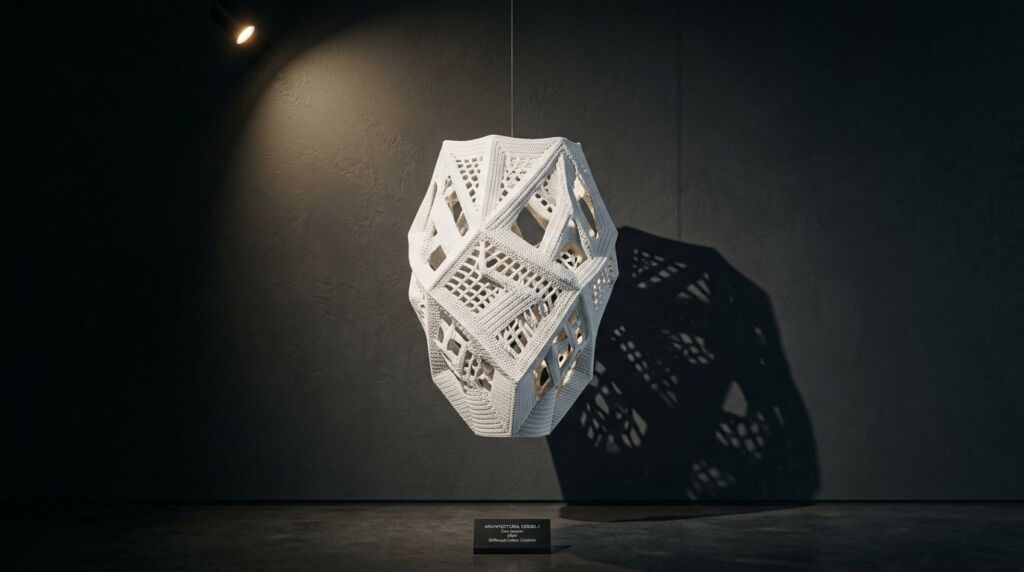
We are seeing a move toward stiff, structured items. Using wire or thick cord allows crochet to hold its shape. I made a series of hanging baskets that look like modern sculptures. This trend bridges the gap between craft and fine art. It is not just about soft blankets. It is about creating 3D objects that function as furniture. This requires advanced knowledge of tension and material science. It is a challenging and rewarding frontier.
16. The Rise of Temperature Blankets
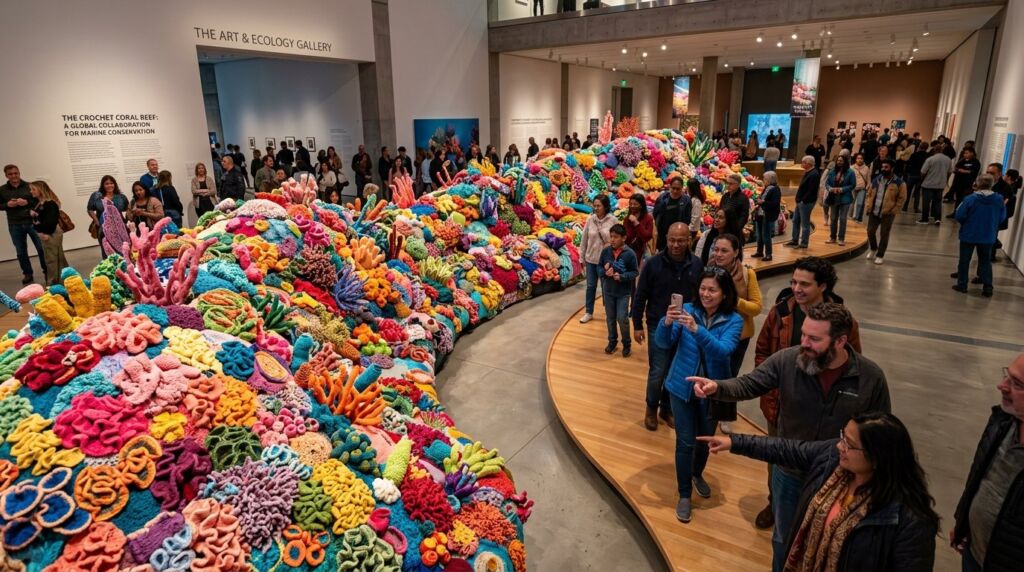
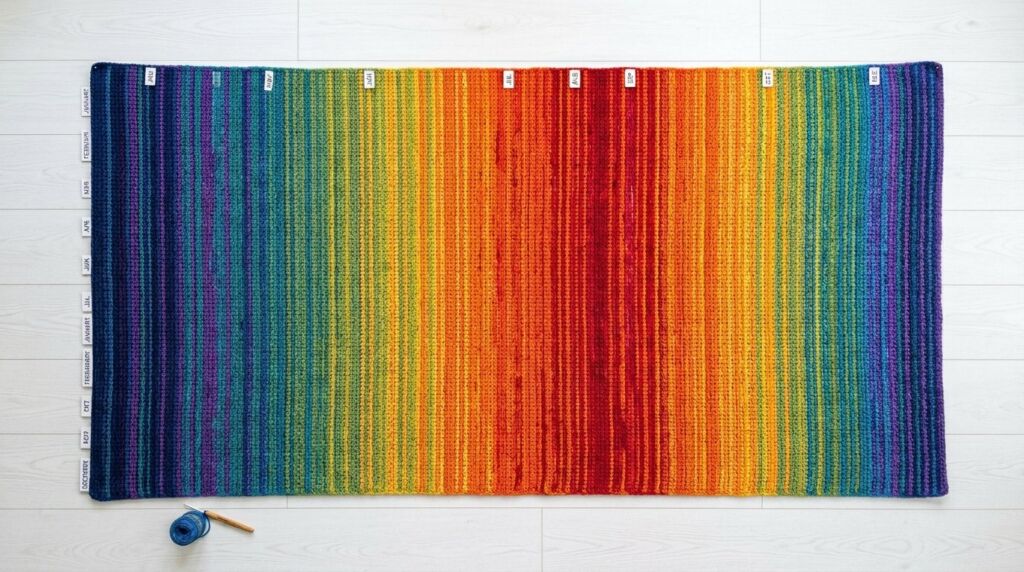
Data visualization has entered the craft world. A temperature blanket involves stitching one row every day. The color depends on the outdoor temperature. At the end of the year, you have a visual record of the climate. I finished one last year and it is a beautiful striped history of my city. This trend connects us to our environment. It turns a daily chore into a long term art project. It is a physical manifestation of time passing.
17. Collaborative Global Projects
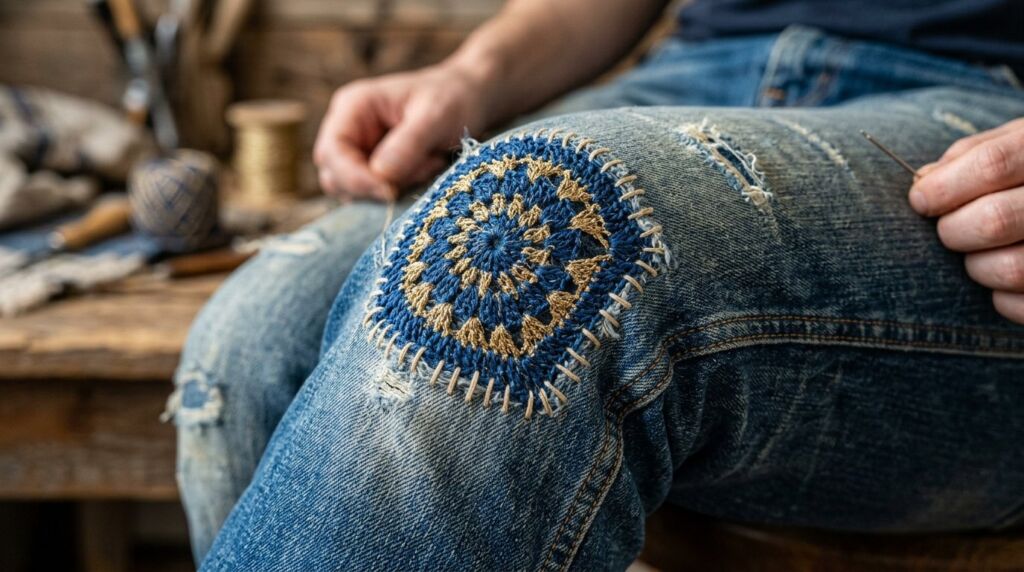
The internet allows thousands of people to work on one project. I participated in a “global reef” project where makers sent in crocheted coral. These items were displayed in a museum to raise awareness for ocean health. This shows the power of the collective. One person makes a flower. Ten thousand people make a garden. These projects prove that crochet can be a tool for global activism. It gives a voice to people who feel small.
18. Upcycling and Mending Culture
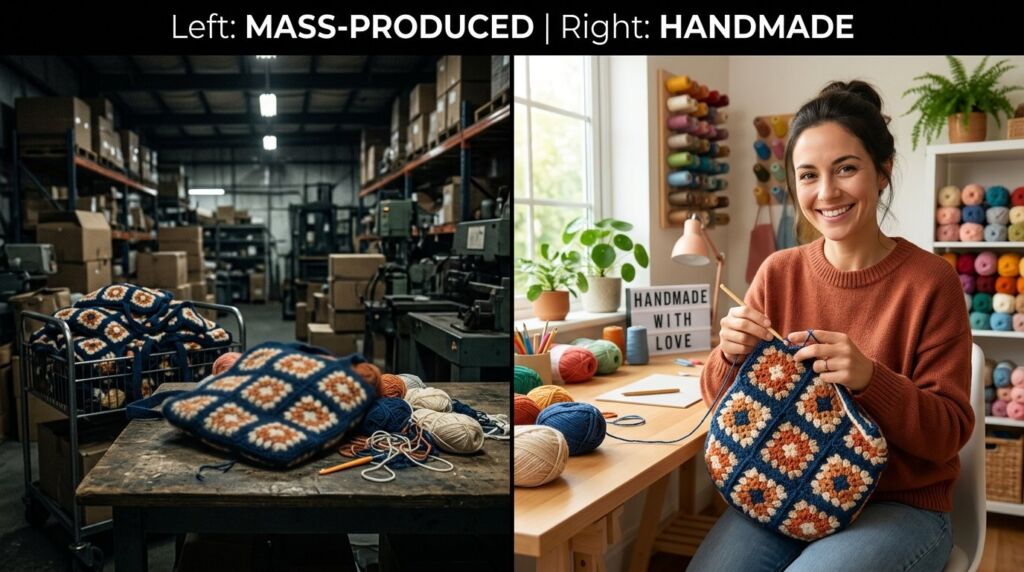
Visible mending is a major trend. If your favorite jeans have a hole, you crochet a patch over it. I saved a cashmere sweater by adding colorful crochet flowers to the elbows. This prevents clothes from ending up in landfills. It turns a flaw into a feature. We are learning to fix what we have instead of buying new. This is a core part of the Support Handmade philosophy. It is about being a steward of your own possessions.
19. Sensory Crochet for Neurodiversity
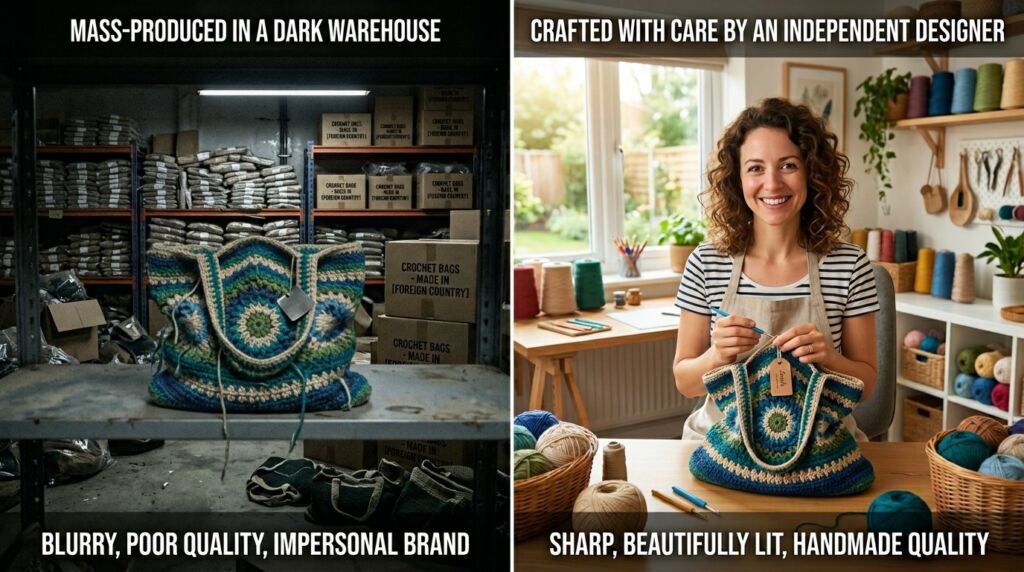
Texture is a powerful tool for people with sensory needs. Crochet “fidget” toys are becoming common in classrooms. The different bumps and ridges of the stitches provide grounding. I make weighted blankets for friends who struggle with sleep. The weight of the yarn provides a calming pressure. This trend highlights the functional side of the craft. It is not just pretty. It is a medical aid for many people. It helps regulate the nervous system in a noisy world.
20. Luxury Brands vs. Independent Designers
There is a war happening in the fashion world. Brands like Prada are selling crochet bags for thousands. Meanwhile, Crochet Bloggers are releasing similar patterns for five dollars. I always advocate for the independent designer. When you buy a pattern, you support a real person. You also learn a skill instead of just consuming a product. This trend is forcing luxury brands to be more transparent. People are realizing they can make high fashion themselves.
21. Seasonal Shift: Summer Crochet
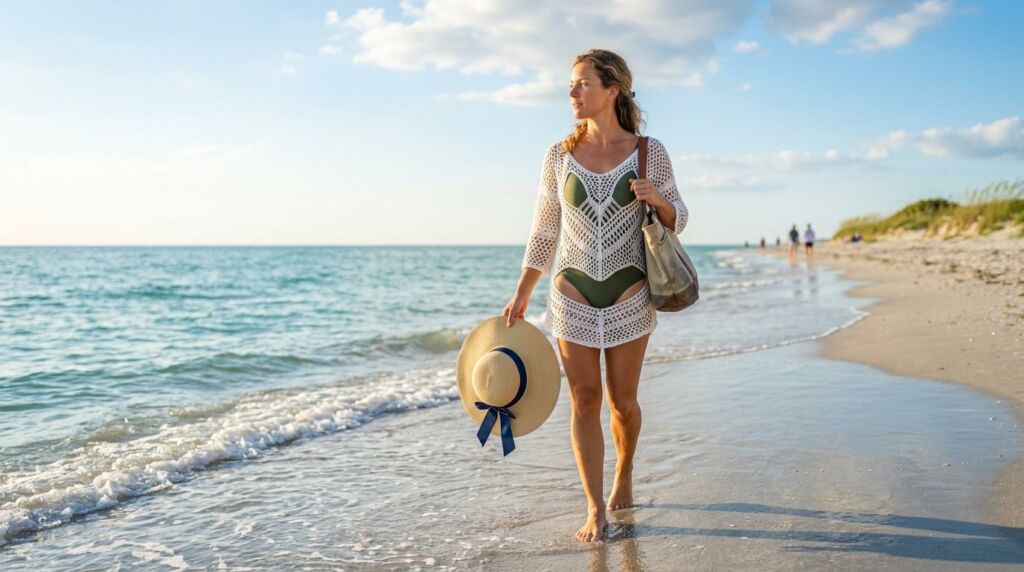
People used to think crochet was only for winter. That has changed. We now use linen and silk to make breathable summer dresses. I wore a handmade mesh top to a beach wedding last July. It was cooler than polyester. This trend makes the hobby relevant all year. You do not have to put your hooks away when the sun comes out. You just change your fiber. This expansion has doubled the size of the pattern market.
22. Miniature Crochet (Amigurumi)
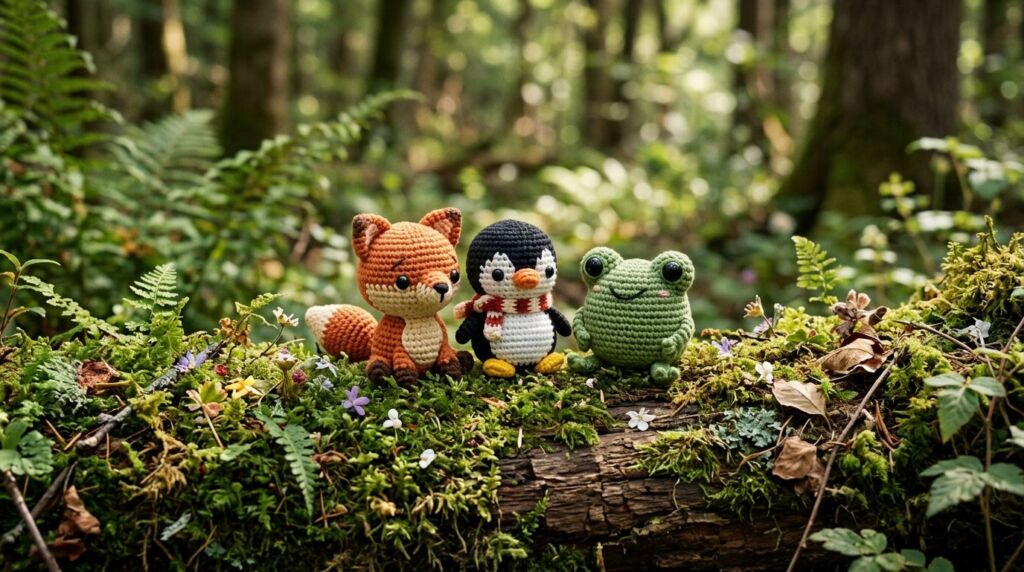
Making small stuffed animals is a global phenomenon. It is called Amigurumi. I have a collection of tiny owls on my bookshelf. These are the ultimate Quick Crochet Patterns. You can finish one while watching a movie. They are perfect for using up small bits of leftover yarn. This trend is highly addictive because the results are so cute. It is the most popular category on social media platforms. It brings a sense of play back into adult life.
23. Functional Kitchen and Bath Items
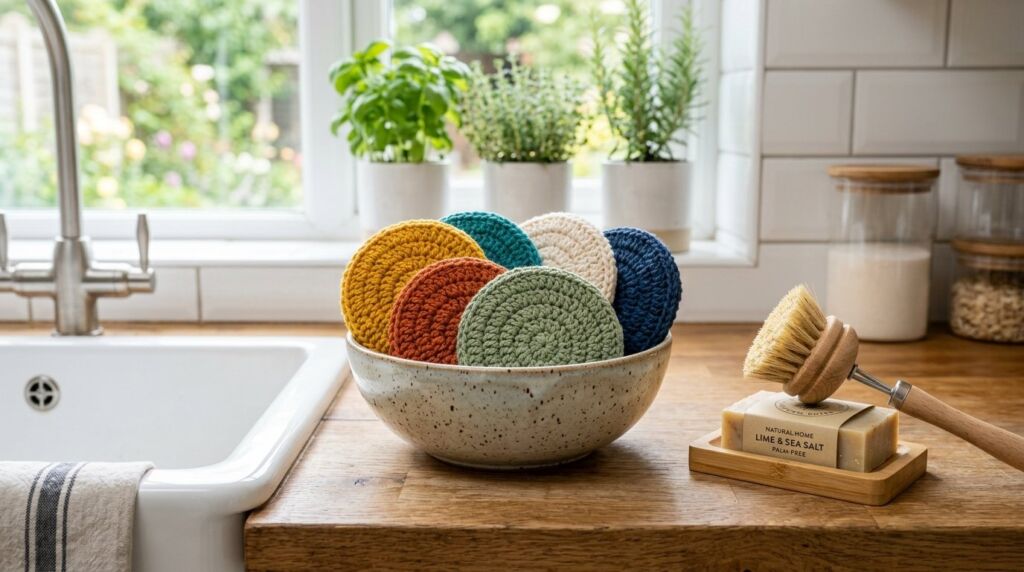
We are replacing plastic sponges with cotton crochet scrubbies. I have not bought a disposable dish cloth in two years. Crochet items can be tossed in the washing machine and reused hundreds of times. This saves money and reduces waste. It is a practical application of the craft. You can customize the size and roughness of your tools. It makes daily chores feel a bit more elevated.
24. Professional Development in Fiber Arts
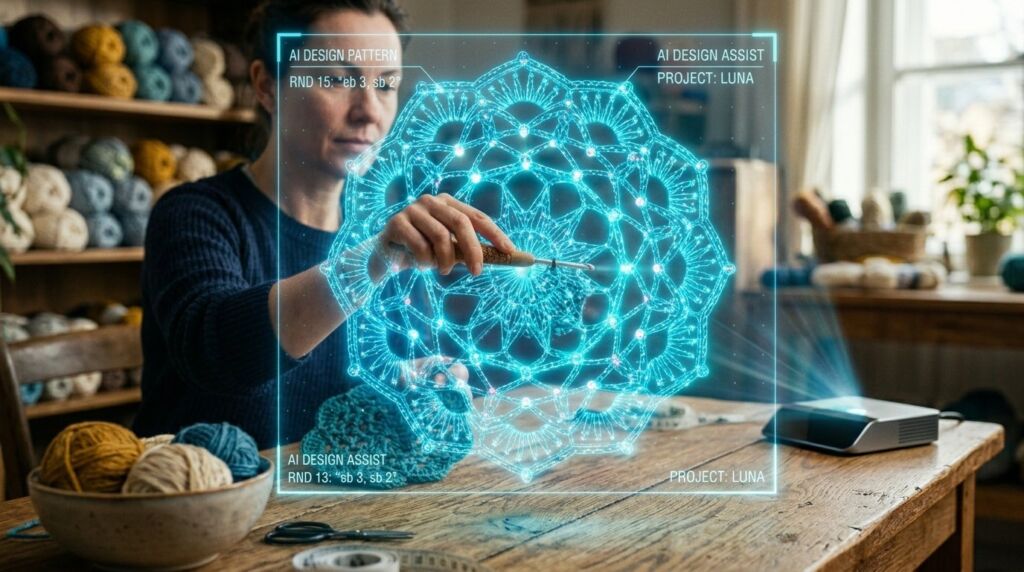
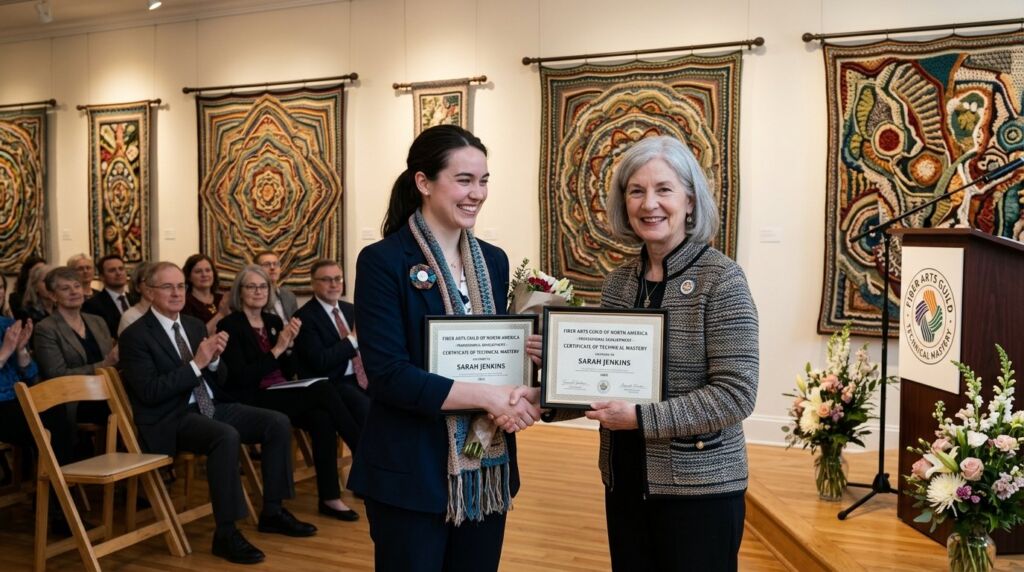
People are now getting certified in crochet. There are masters programs and professional guilds. I attended a workshop on advanced color theory last spring. This elevates the craft from a hobby to a discipline. It honors the technical skill required to master complex stitches. This trend is creating a new class of professional artisans. It ensures that the knowledge is passed down with accuracy.
25. The Future: AI and Design
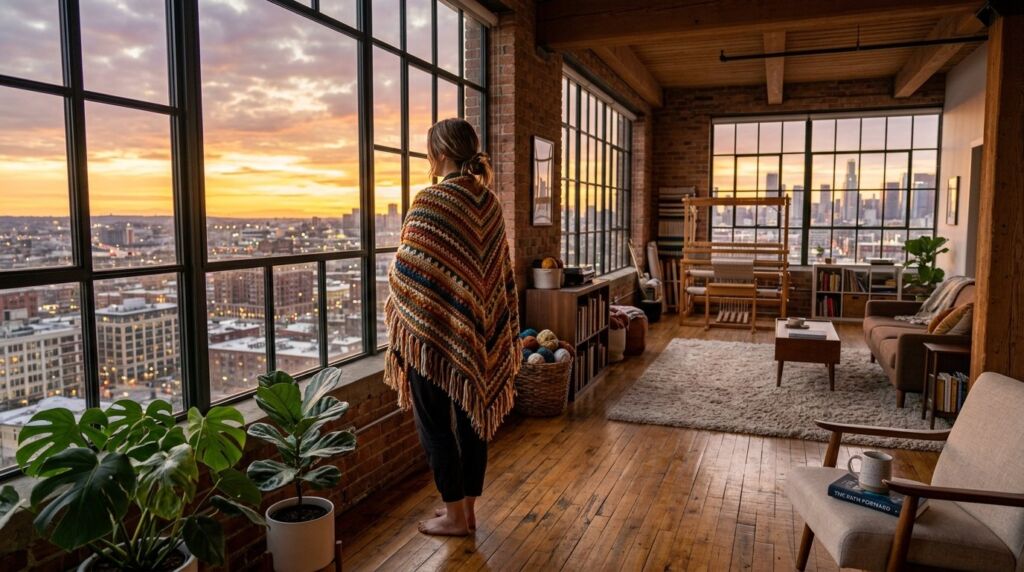
Artificial intelligence is starting to generate crochet patterns. However, AI cannot understand the physical reality of yarn. Humans are still required to test and refine these designs. I tried an AI pattern last month and it was a disaster. It lacked the “soul” of a human designer. This trend shows that our human touch is irreplaceable. The future of crochet is a partnership between tech and hands. We use tech to find inspiration, but we use our fingers to bring it to life.
Comparison of Fiber Tools
| Tool Type | Best For | Price Range | My Rating |
| Ergonomic Hook | Long Sessions | $10 – $25 | 10/10 |
| Aluminum Hook | Beginners | $2 – $5 | 7/10 |
| Bamboo Hook | Slippery Yarn | $5 – $12 | 8/10 |
| Plastic Hook | Large Projects | $3 – $8 | 6/10 |
| Steel Hook | Lace Work | $4 – $10 | 9/10 |
Frequently Asked Questions
Is crochet harder to learn than knitting?
Most people find crochet easier because there is only one active stitch at a time. If you drop a stitch, the whole project does not unravel. I learned the basics in one afternoon. Knitting requires managing many live loops on two needles. Crochet offers more room for error and faster recovery. It is the perfect entry point for anyone new to fiber arts.
What are the best yarns for beginners?
I always recommend a medium weight cotton or wool blend. Avoid dark colors like black or navy for your first project. It is too hard to see where the hook goes. Pick a bright, solid color. Avoid “fuzzy” or “eyelash” yarns until you are more experienced. They hide the stitch definition and cause frustration. A smooth cotton yarn is your best friend when starting out.
How do I find a local Knitting Group?
Check your local library or independent yarn shop. Most have a community board with meeting times. You can also search social media groups for your city name. I found my current group through a flyer at a coffee shop. Do not be afraid to walk in alone. These groups are famous for being welcoming. Bring your current project and a positive attitude.
Can I really make money with a Crochet Pattern?
Yes, but it takes work. You need to write clear instructions and have them tested by other makers. Taking high quality photos is also required. Most successful designers start by sharing free Easy Crochet Patterns to build a following. Once people trust your work, they will pay for complex designs. It is a marathon, not a sprint. Consistency is the secret to success.
The Path Forward
Crochet is a way of life. It connects us to our history and our neighbors. It gives us a way to slow down in a world that never stops. I want you to go to a local store tomorrow. Pick up one hook and one ball of yarn. Do not worry about being perfect. Just focus on the movement of your hands. You are joining a global community of makers who value beauty and patience. Your first scarf might be wonky, but it will be yours. That is the most important part.