

Building a house feels like a high stakes gamble. Last year, a friend of mine hired a local designer for a modern farmhouse in Austin. He spent twelve thousand dollars on blueprints. Three months later, the city rejected every page. The designer forgot about local drainage laws. My friend lost four months and twenty thousand dollars in holding costs. This happens more than people think. You want a home that stays standing and looks great. You also want a home that fits your life. Picking the person who draws the lines is the most vital choice you will make.
1. Define Your Specific Project Needs and Life Goals

Most people start by looking at pretty pictures on Instagram. Stop doing that. You need to know what you want the house to do. Do you host large dinners every Sunday? Do you work from home and need soundproof walls? Write these things down. An architect is not a mind reader. They are a problem solver. If you do not give them the right problems, they will give you the wrong house.
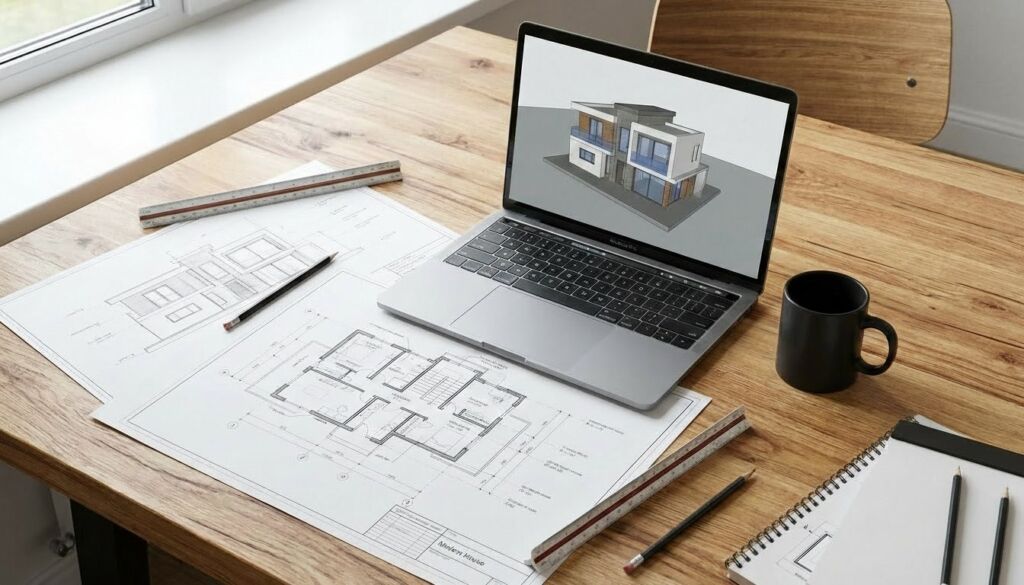
I remember a client who wanted a massive open floor plan. They had three young kids. Six months after moving in, they hated it. The noise traveled everywhere. They never told the architect about their need for quiet zones. They focused on the look instead of the life. I always tell people to track their movements for one week. See where you spend time. Notice what bugs you about your current space. Use that data to build your list. This list is your project brief. It keeps the project on track when things get messy.
2. Research Different Types of Architectural Professionals
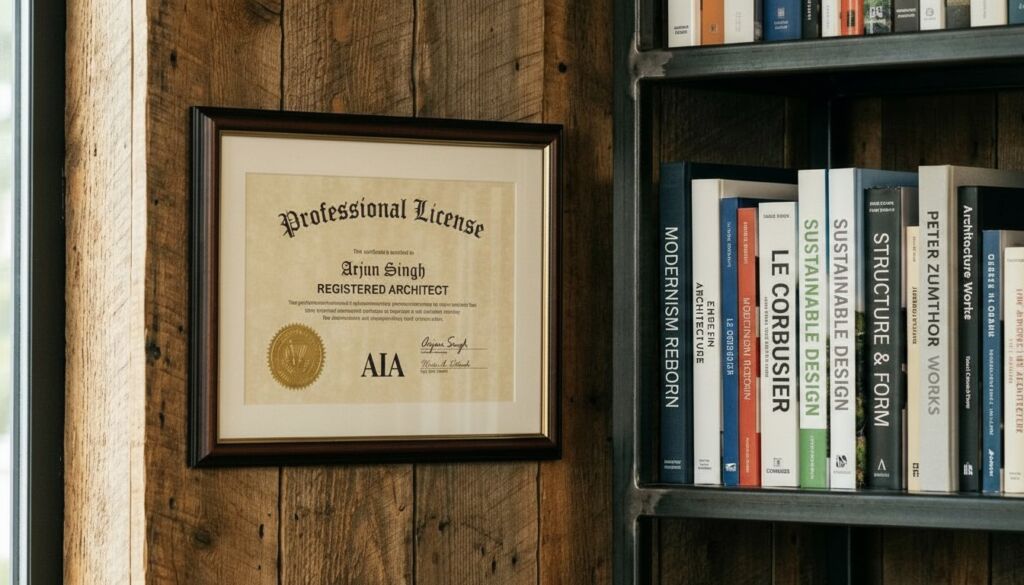
Not all people who draw houses are architects. In 2026, the market is full of house designers and draftspersons. A licensed architect has a degree and thousands of hours of training. They passed hard exams. They understand structure and law. A designer might be cheaper, but they lack the same legal standing.
If your lot has a steep hill, you need a licensed pro. If you want a simple box on a flat field, a designer might work. I prefer architects for dream homes. They see things you miss. They know how light moves through a room at 4 PM in October. They understand how wind affects your heating bill. Check the American Institute of Architects website to verify licenses. I once saw a guy lose a building permit because his “architect” was just a guy with a laptop and no license. Don’t let that be you.
3. Set a Realistic Budget for Design and Construction

Expect to pay between 8 percent and 15 percent of construction costs for a full service architect. If your house costs one million dollars, the architect might cost one hundred thousand. This sounds like a lot. It is a lot. But a good architect saves you money during building. They catch errors before the concrete is poured.
Ask about their fee structure. Some charge by the hour. Others use a flat fee or a percentage. I like flat fees. They keep everyone honest. Percentage fees can make people worry the architect wants a more expensive house. Be clear about your total limit. Tell them the number that makes you feel sick. That is your real limit. In 2026, material costs like mass timber and smart glass are high. Your architect needs to know if you can afford the cool stuff they suggest.
4. Look for Style Consistency and Technical Skill
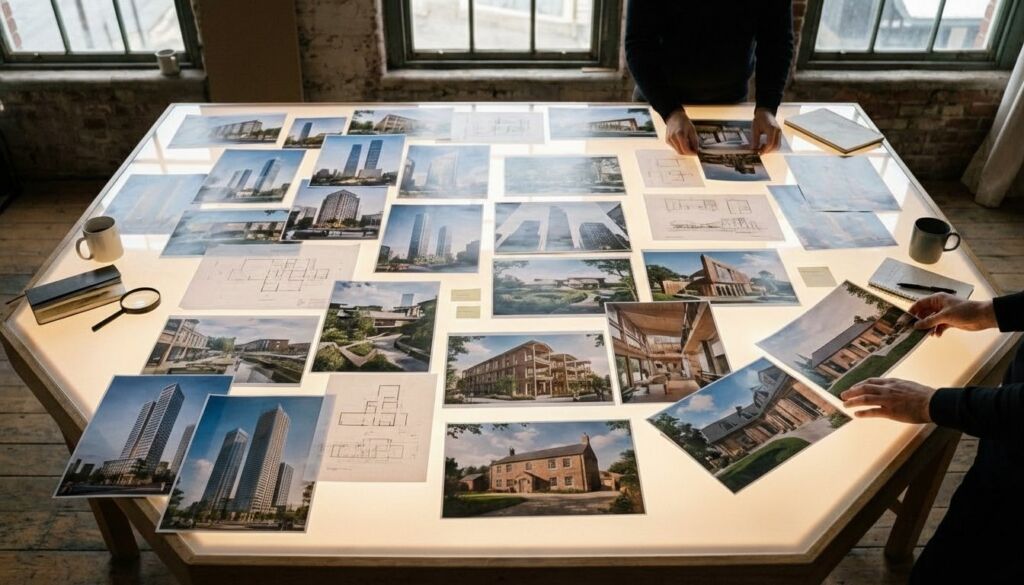
Look at their past work. Do they only do glass boxes? If you want a cozy cottage, they might struggle. Some architects have a “signature style.” Avoid them if you want your house to look like you. Look for an architect who adapts. Their portfolio should show variety.
Check for technical details. Look at the windows in their photos. Are they placed well? Does the house look like it belongs on the land? I once worked with a firm that made beautiful homes that leaked every time it rained. They cared about the look but forgot about the flashing. Ask for photos of homes they built five years ago. This shows how their work ages. A dream home should not fall apart in a decade.
5. Start the Interview Process with Direct Questions

Pick three or four firms. Meet them at their office. You want to see how they work. Are they messy? Is the team stressed? Ask who will actually draw your house. Often, the lead partner sells the job, but a junior staffer does the work. You want to know the person who will be in the weeds with you.
Ask how they handle disagreements. Construction is stressful. Things will go wrong. You need a partner who stays calm. I always ask, “Tell me about a time a contractor made a huge mistake on your watch.” If they say it never happens, they are lying. You want the one who tells you how they fixed the problem. Honest people make better houses.
6. Verify References and Visit Finished Projects

Call their past clients. Do not skip this. Ask if the project stayed on budget. Ask if the architect was hard to reach. Most importantly, ask if they would hire them again. I talked to a homeowner last month who loved their architect’s design. But the architect took three weeks to answer every email. The builder sat idle while the meter ran.
Visit a finished house if you can. Walk through the halls. Check the finish quality. Talk to the owners about the “after” experience. Did the architect help when the roof leaked? Did they fight for the owner during construction? A great architect is your advocate. They stand between you and a contractor who might want to cut corners.
7. Evaluate the Technology and Tools They Use
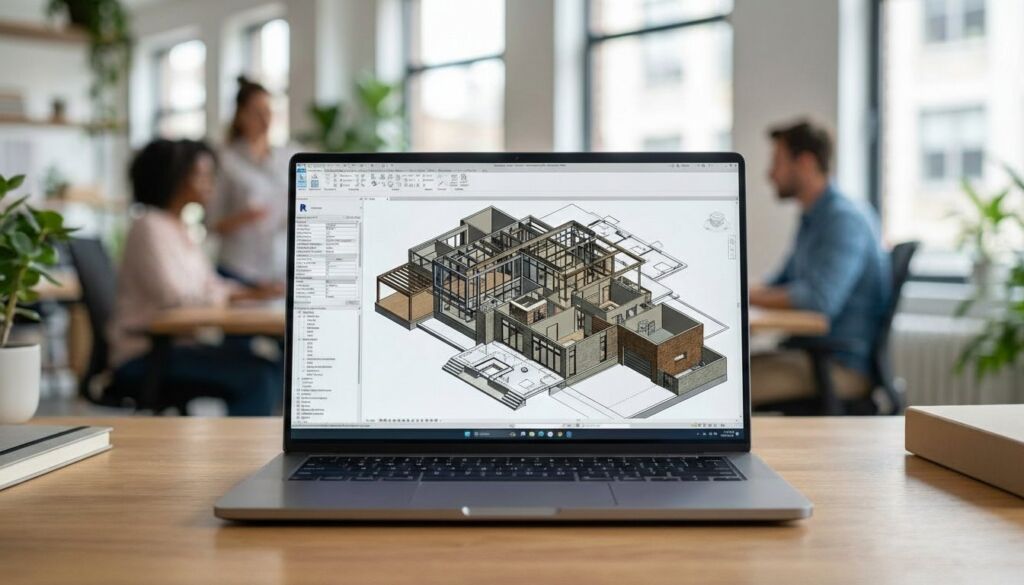
In 2026, your architect should use Building Information Modeling or BIM. This creates a 3D version of your house. It shows where pipes and wires go. It prevents “clashes” where a beam hits a vent. If they only use 2D paper, walk away.
Ask if they use Virtual Reality. Putting on a headset lets you walk through your kitchen before it exists. You might realize the island is too big. This saves thousands in change orders later. I use SketchUp and Revit for my projects. These tools make the vision clear. They also make it easier for the builder to give an accurate price.
| Tool Category | Recommended Software | Why it Matters |
| Design & BIM | Revit 2026 | Shows structural clashes early. |
| Visualization | Enscape | Lets you walk through the house in VR. |
| Project Management | CoConstruct | Keeps all emails and choices in one spot. |
| Communication | Slack | Fast answers for quick field questions. |
8. Review the Design Process Timeline
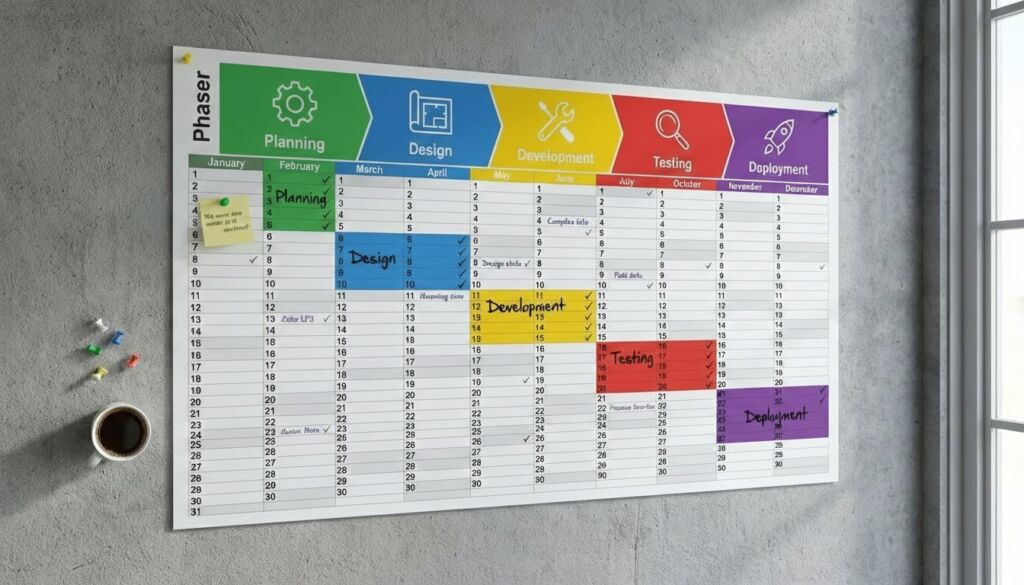
A good design takes time. For a custom home, expect six to nine months of planning. If someone says they can do it in four weeks, be scared. They are using a template. You are not paying for a template. You are paying for a custom fit.
The process usually has phases. First is Schematic Design. This is the big idea. Then comes Design Development. This is the detail work. Finally, they make Construction Documents. These are the rules for the builder. Ask for a schedule. Know when you need to make big choices like flooring or windows. Delays usually happen because owners can’t decide on a tile color.
9. Understand the Role During Construction

Some architects just give you the drawings and leave. This is a mistake. You want “Construction Administration.” This means the architect visits the site. They check the work. They make sure the builder follows the plan.
I saw a builder once try to swap high end insulation for cheap stuff. The owner didn’t know the difference. The architect caught it on a Tuesday site visit. That one catch paid for the architect’s entire fee. You want them there to hold the builder accountable. It keeps the quality high and the stress low.
10. Read the Contract with a Sharp Eye
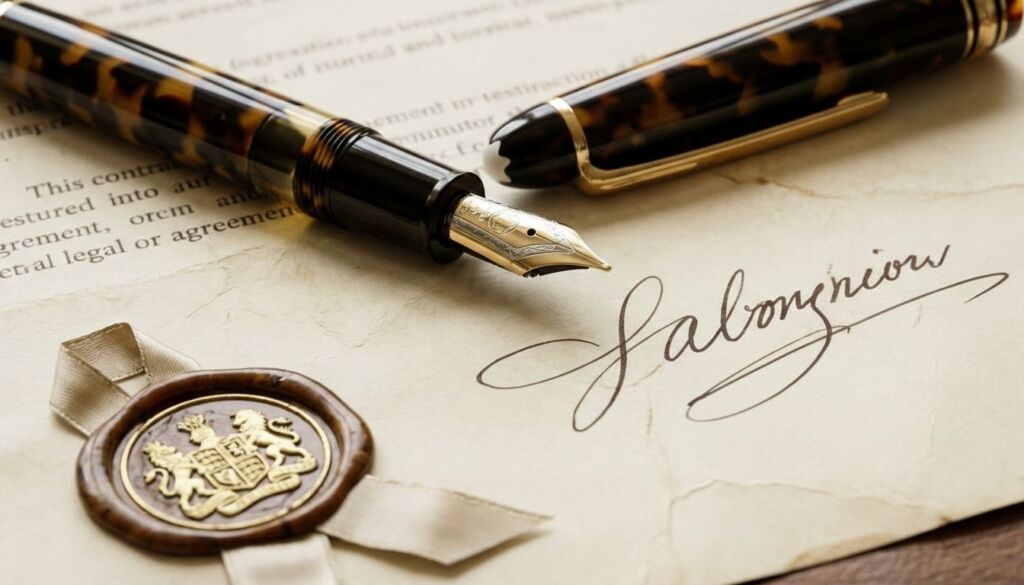
The contract should be clear. It must list what is included. Does it include interior design? Does it include landscape plans? Most basic contracts do not. You might think you are getting a full package, but you are only getting a shell.
Look for the “Additional Services” section. This is where costs hide. If you change your mind ten times, they will charge you more. That is fair. But you should know the rate. Avoid contracts that give the architect ownership of your house design. You paid for it. You should own the rights to use those plans for your specific lot.
Frequently Asked Questions
What is the biggest mistake people make when hiring an architect?
People hire for fame instead of fit. They want the “hot” architect in town. But that architect is busy. You become project number fifty. Hire the person who is excited about your specific house. Hire the person who listens more than they talk.
How do I know if I need an architect or just a builder?
If you are changing the footprint of a house, get an architect. If you are building from scratch, get an architect. If you are just replacing a kitchen in the same spot, a builder or a kitchen designer is fine. Architects handle the “why” and the “how it stays up.”
Can an architect help me find a builder?
Yes. Good architects have a list of builders they trust. This is a huge benefit. They know who does good work and who is a nightmare. A team that has worked together before will finish faster. It reduces the finger pointing when mistakes happen.
How much should I budget for surprises?
Always keep a 10 percent to 15 percent contingency fund. This is for the house, not the architect. You will find a rock in the ground. You will decide you want better lights. This fund keeps the project from stopping when these things happen.
Do architects handle the permits?
Usually, yes. They know the local building department. They know the codes. Dealing with the city is a full time job. Let the pro handle it. It saves you from many headaches.
Selecting an architect is about trust. You are giving someone your money and your future comfort. Take your time. Ask the hard questions. If something feels off during the first meeting, it will be worse during the build. Trust your gut. A great architect makes the process fun. They turn a stressful pile of wood and stone into a place where you will make memories for decades