Forget the dusty, cluttered look of your grandmother’s side table. Lace is having a major moment in high-end interior design, but only if you know how to strip away the “shabby chic” clichés and embrace a minimalist, structural aesthetic. I spent three years hunting for high-quality vintage textiles at estate sales in the Pacific Northwest, only to realize I was hoarding beauty instead of displaying it. My breakthrough happened when I stopped treating doilies like functional mats and started treating them like architectural blueprints.
Modernizing lace requires a shift in perspective. You aren’t just “preserving” a craft. You are highlighting the complex geometric patterns and mathematical precision of the fiber. Whether you have a collection of heirloom pieces or you are hunting for Doilies Crafts Repurposed ideas, this guide will show you how to turn thread into high-impact gallery pieces.
1. Minimalist Floating Glass Frames
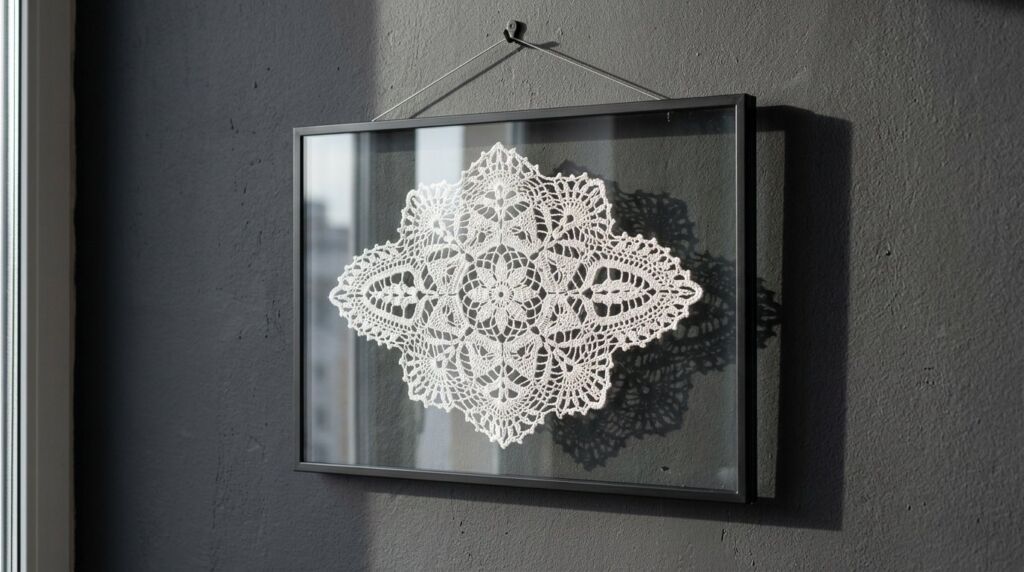
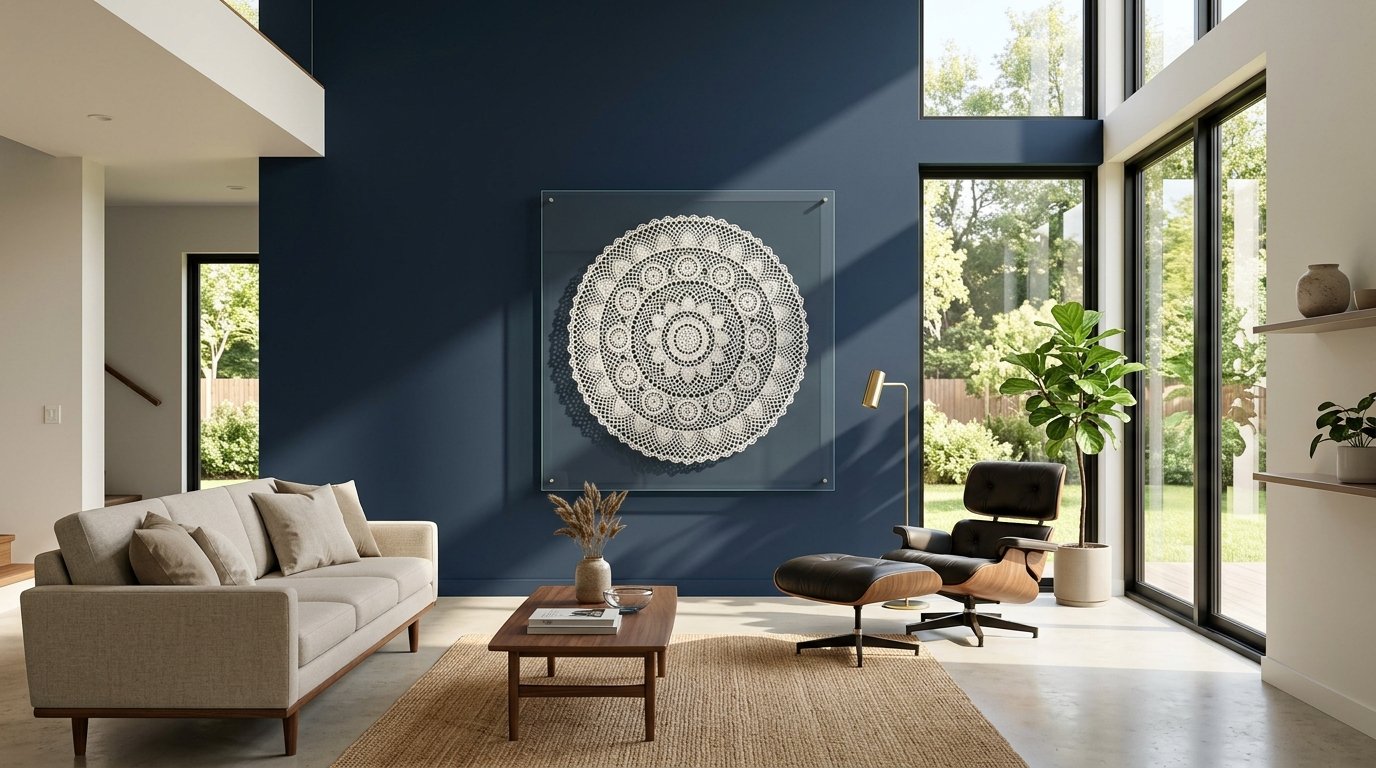
The biggest mistake people make with Framed Lace is using a busy background. When you place a white doily on a floral backing, the detail gets lost. Use double-paned floating frames instead. By sandwiching the lace between two sheets of glass, you allow the wall color to breathe through the gaps in the weave. This creates a 3D shadow effect that changes as the sun moves through the room.
I tried this in my home office with a massive 24-inch centerpiece. The result was a piece of Framed Doilies Wall Art that looked like a floating snowflake. It works best on dark, moody walls like charcoal or navy. The contrast makes every single stitch pop. If you are looking for Diy Home Accessories that look expensive, start here.
2. Monochromatic Shadow Boxes
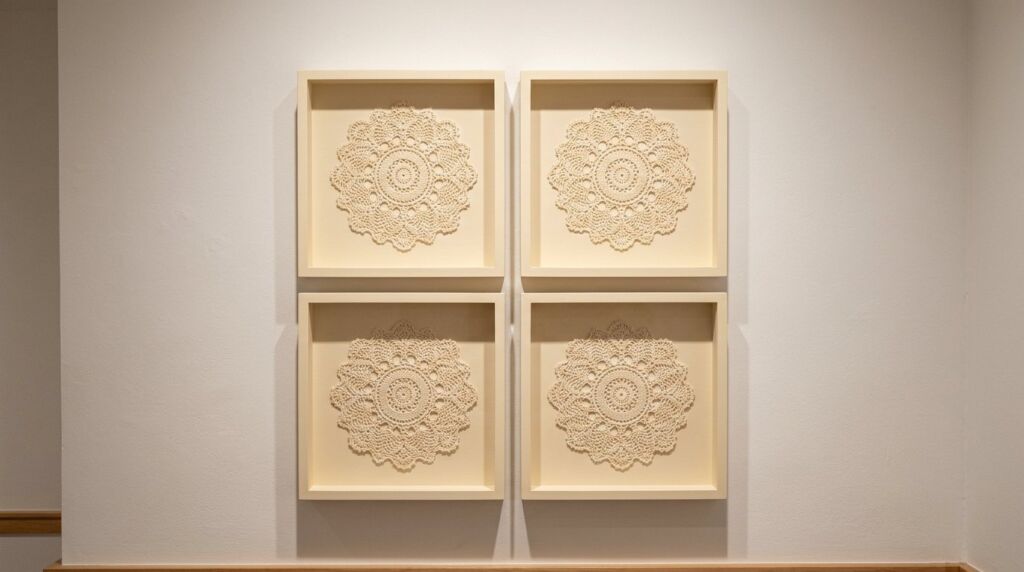
Texture is the soul of modern decor. To make Framed Doilies look contemporary, paint the inside of a shadow box the exact same shade as the lace. If you have a cream doily, use a cream shadow box. This “tone-on-tone” approach moves the focus away from the “old cloth” feel and emphasizes the physical relief of the thread.
In my experience, this works exceptionally well in bedrooms. It adds softness without adding visual noise. I once did a series of three square shadow boxes with identical white doilies for a client in Seattle. They wanted something “zen” but personal. It felt like museum-grade art because the lack of color forced the eye to appreciate the craftsmanship.
3. High-Contrast Bold Backing
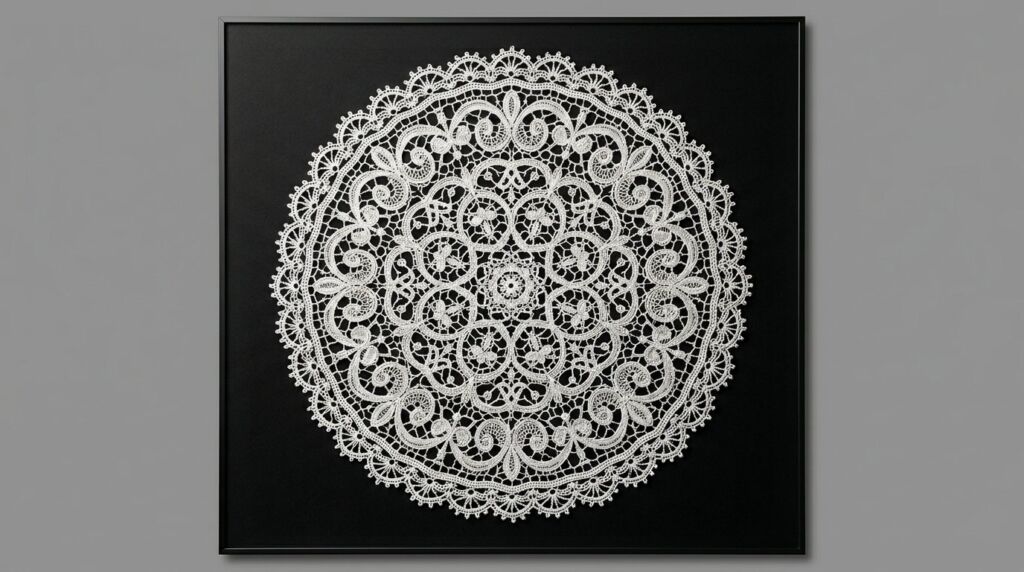
If minimalist isn’t your vibe, go for the opposite. Use a matte black or deep forest green cardstock behind your Doily Art. This is the most effective way to showcase the “bones” of the lace. Most people think of lace as soft and dainty. When you slam it against a bold, dark background, it becomes graphic and edgy.
I recommend using archival-quality spray adhesive. Apply it lightly to the back of the lace so it stays perfectly flat. Any ripples will catch the light and make it look messy. A flat, crisp mount is the difference between a school project and professional Doily Wall Art.
4. Oversized Gallery Grid
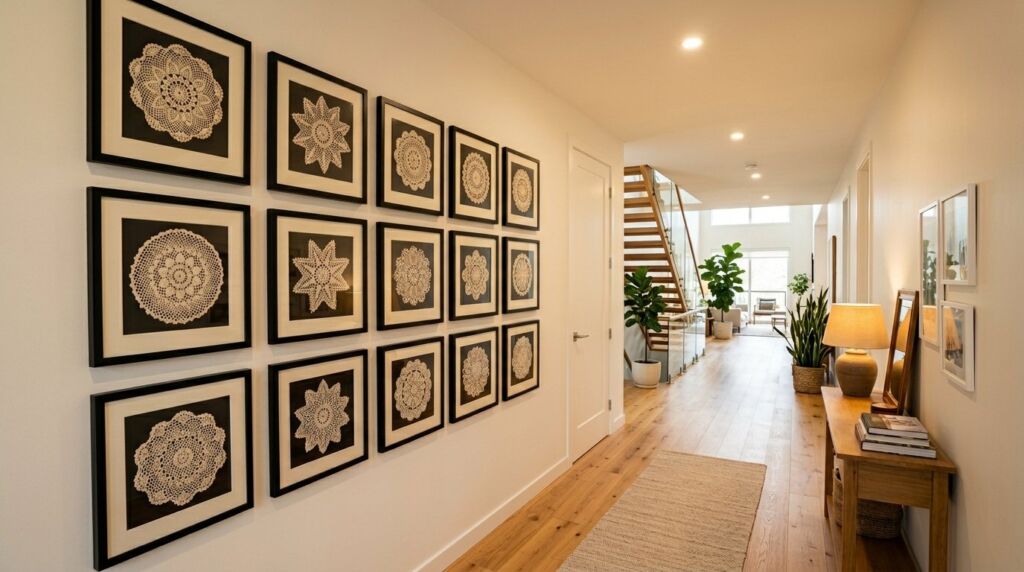
One small doily in a frame looks like an accident. Twelve doilies in identical black frames arranged in a perfect grid look like a statement. This is how you handle What To Do With Doilies when you have a large collection of varying sizes.
Choose frames that are significantly larger than the doilies. If the lace is 6 inches, use a 12×12 frame. The “negative space” is what makes it modern. I helped a friend fill a 10-foot hallway using this method. We mixed different patterns but kept the frame style and background color consistent. It turned a transition space into the most talked-about part of the house.
5. Textile Dye Saturation
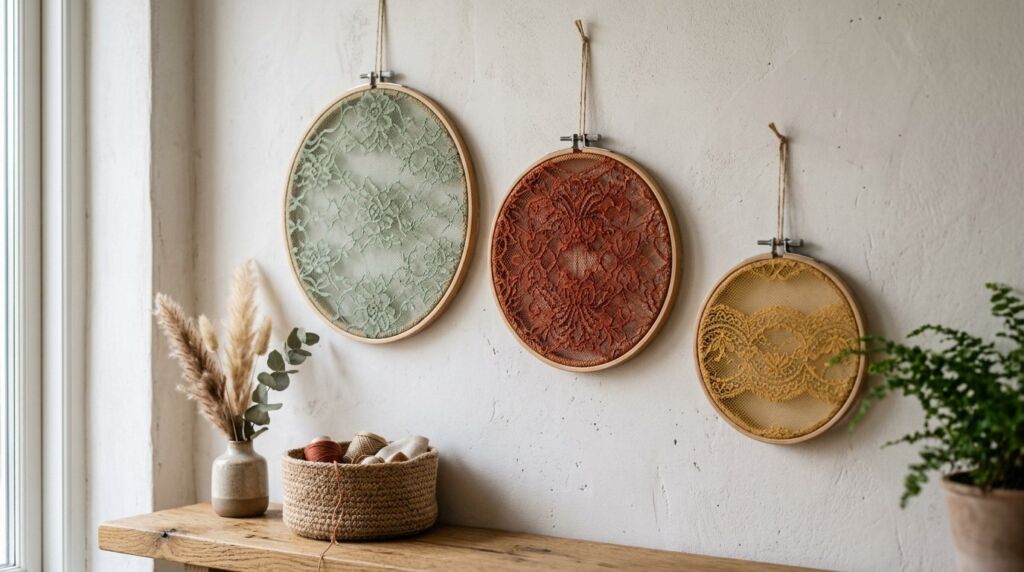
Stop thinking lace has to be white or ecru. Modernizing Doilies Crafts often means breaking the rules of tradition. Use fiber-reactive dyes to turn your lace into a saturated focal point. Think terracotta, ochre, or even a deep cobalt blue.
I once dyed a set of heirloom doilies a slate grey to match a mid-century modern living room. The owner was hesitant at first, fearing I would “ruin” the history. Instead, the color highlighted the Victorian patterns in a way that felt fresh and intentional. It stopped being “grandma’s lace” and became a custom textile installation.
6. Geometric Lace Overlays
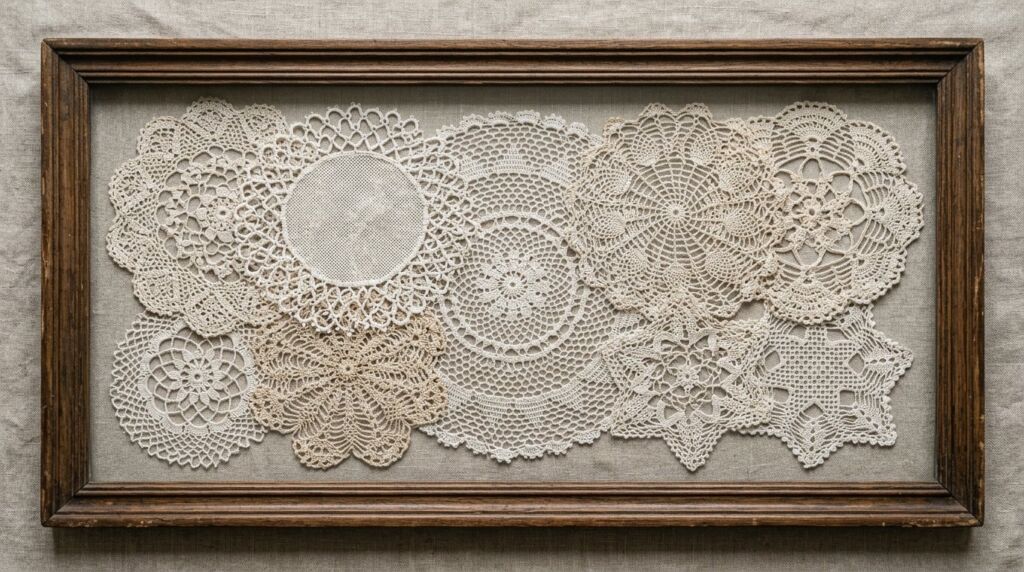
Modern art is often about layers. Take your Framed Doilies and overlap them. Don’t center them perfectly. Let the edges of one doily cover the center of another. This creates new, unintended patterns where the weaves intersect.
This technique is perfect for frames with large dimensions. It moves away from the “specimen” look and toward an abstract composition. When I did this for a local cafe, I used varying shades of off-white and beige. The subtle shift in tones made the wall feel rich and layered rather than flat.
7. Circular Wood Embroidery Hoops
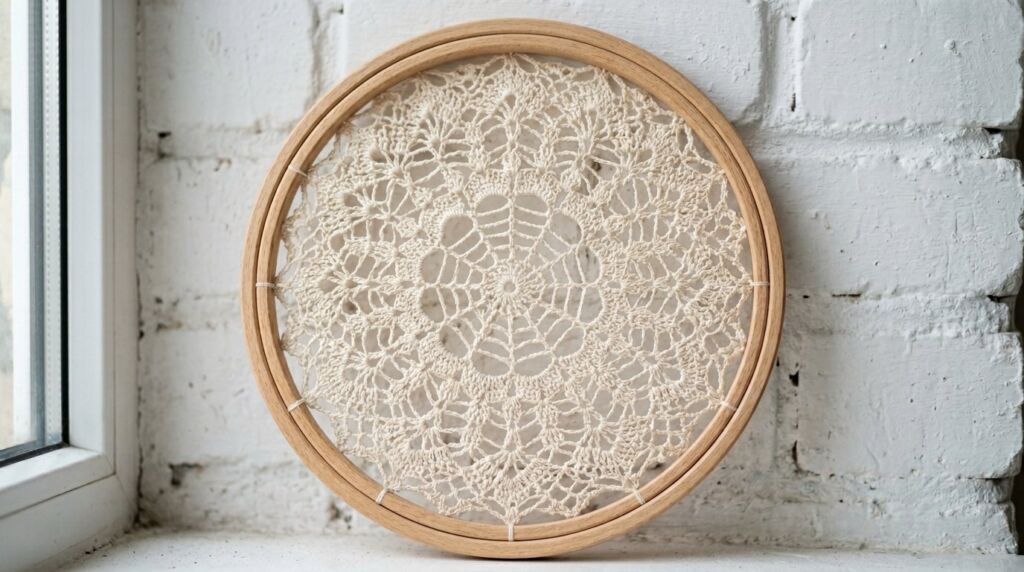
For a more organic, Scandinavian feel, skip the square frames. Use high-quality wooden embroidery hoops. Stretch the lace tight across the hoop and trim the excess. This emphasizes the circular nature of most Doily Art.
To keep it modern, avoid adding ribbons or bows. Let the wood and the thread speak for themselves. Group three or five hoops of different sizes together. I find that using light woods like maple or birch keeps the look airy. It is one of the simplest Doilies Crafts Repurposed ideas that yields immediate results.
8. Metallic Leaf Accents
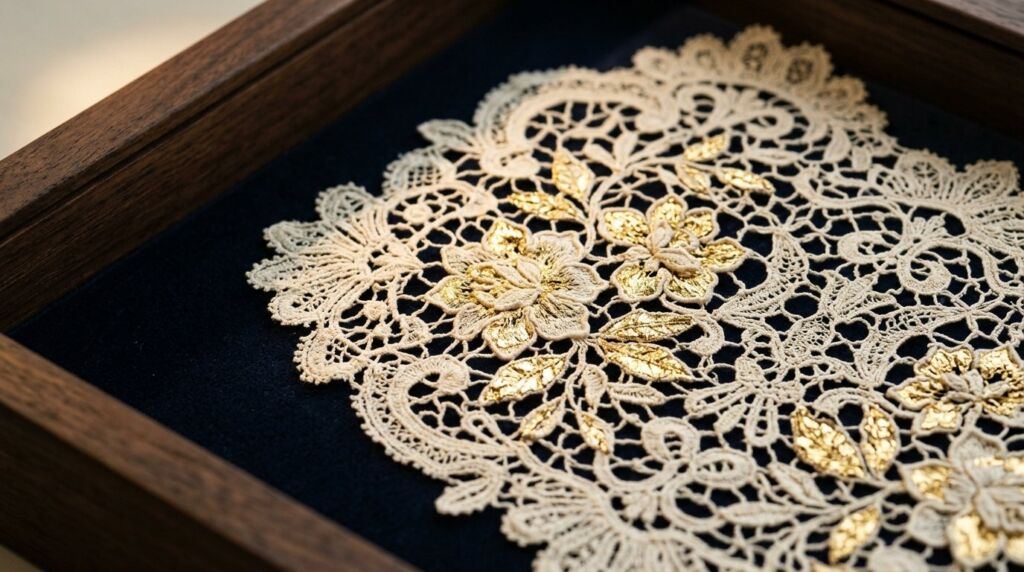
If you want to add a touch of luxury, use gold or silver leaf on portions of the lace. You don’t have to cover the whole thing. Lightly brush the raised edges of the stitches with gilding size, then apply the leaf.
This creates a “mercury glass” effect that looks incredible under recessed lighting. I used this for a guest room project last year. The gold leaf caught the morning sun and turned the Framed Doilies Wall Art into a glowing centerpiece. It bridges the gap between traditional craft and high-end metallic decor trends.
9. Deconstructed Lace Collage
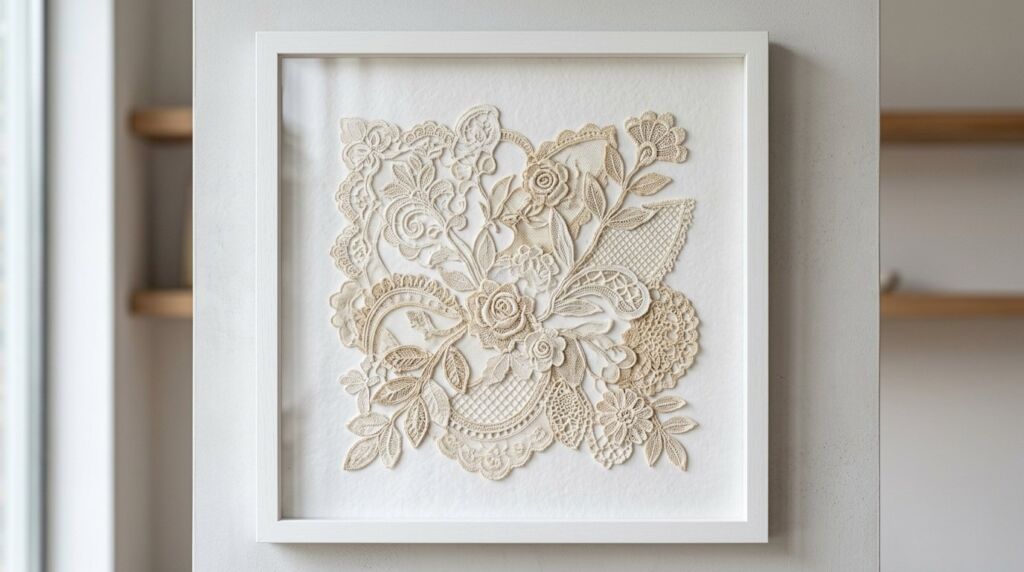
Who says the doily has to stay whole? If you have damaged pieces, this is the perfect solution for What To Do With Doilies. Cut out the interesting floral motifs or the intricate borders. Arrange these fragments into a new shape inside a frame.
Think of it like a botanical study. You are highlighting the best parts of the work. I once took a heavily stained tablecloth and saved the corner lace sections. By framing just those corners in a “L” shape, I created a modern, asymmetrical piece of art that felt completely original.
10. The Linen Mat Mount
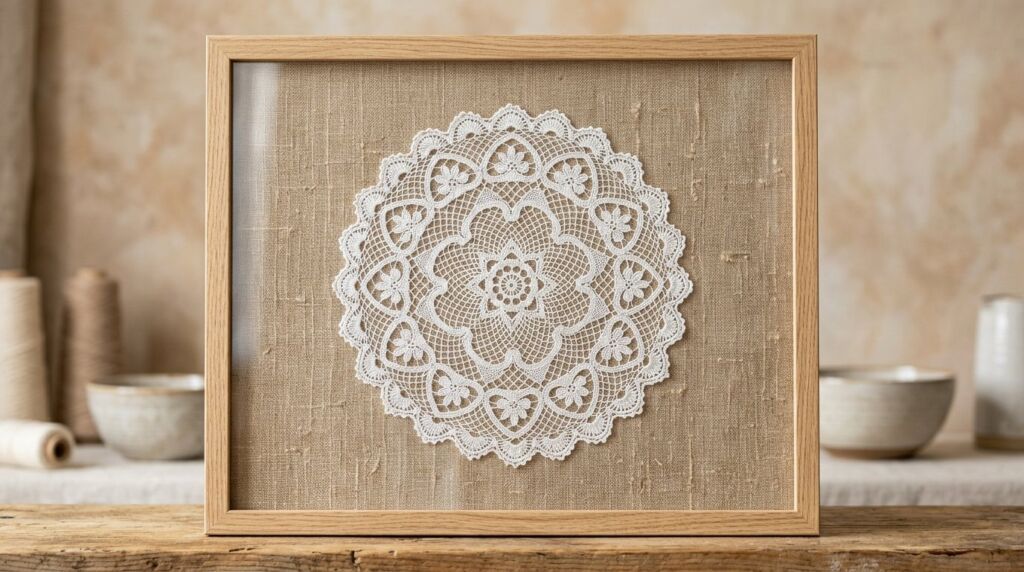
For a sophisticated, tactile look, mount your Framed Lace onto a raw linen mat. The contrast between the fine, loopy thread of the doily and the coarse, vertical grain of the linen is stunning. It feels grounded and expensive.
Avoid using white on white here. Use a “natural” linen color behind a bleached white doily. This adds enough contrast to see the detail while keeping the palette neutral. This is my “go-to” recommendation for clients who want a timeless look that won’t go out of style next season.
11. Acrylic Block Mounting
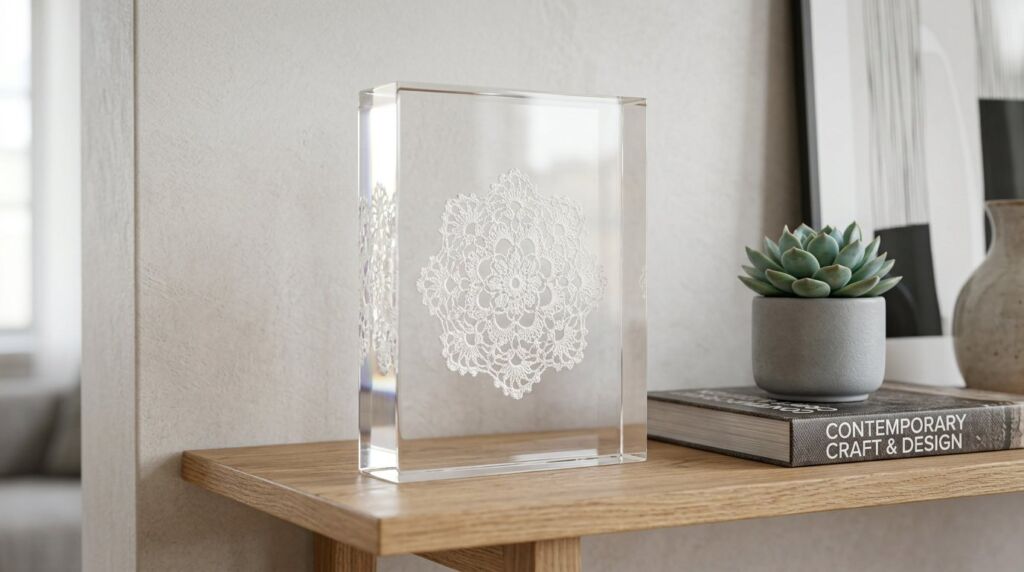
For a truly “designer” feel, skip the glass and go with thick acrylic blocks. You can find “sandwich” style acrylic frames that stand on their own. This turns your Doily Art into a tabletop sculpture rather than a wall hanging.
The thick edges of the acrylic catch the light and create a prism effect around the lace. It’s a very clean, polished look. I have one on my bookshelf next to some modern art books. It fits right in because the presentation is so sharp.
12. Black Frame Minimalist Series
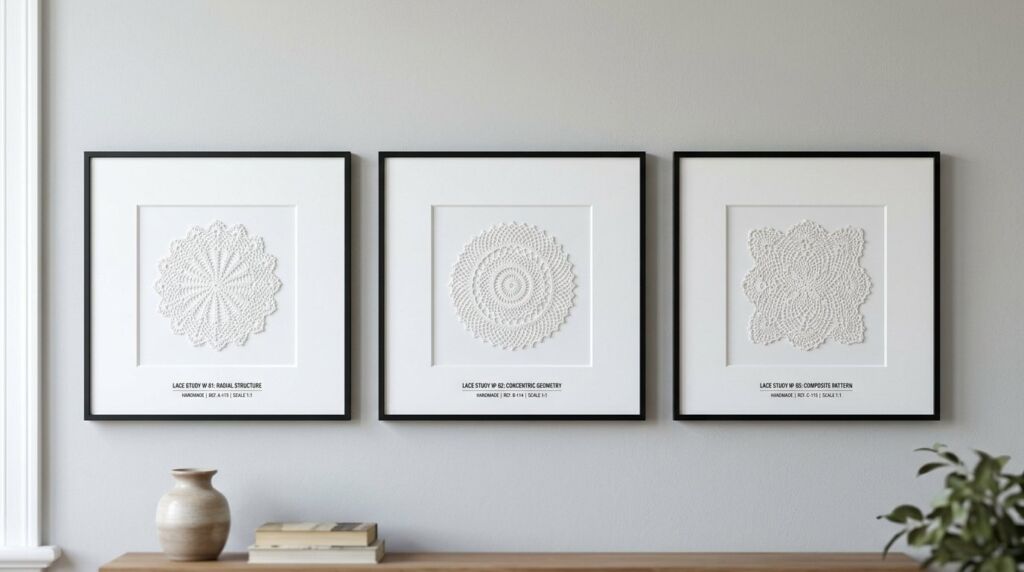
There is something incredibly powerful about a crisp black frame. Take three identical doilies and put them in thin, matte black metal frames with white matting. This creates a “schematic” look.
This works best in a dining room or a home office. It takes the “domestic” feel out of the lace and makes it look like a technical drawing. It is one of the most effective Diy Home Accessories for people who prefer a masculine or industrial aesthetic but want to incorporate soft textures.
13. Mixed Media Lace Art
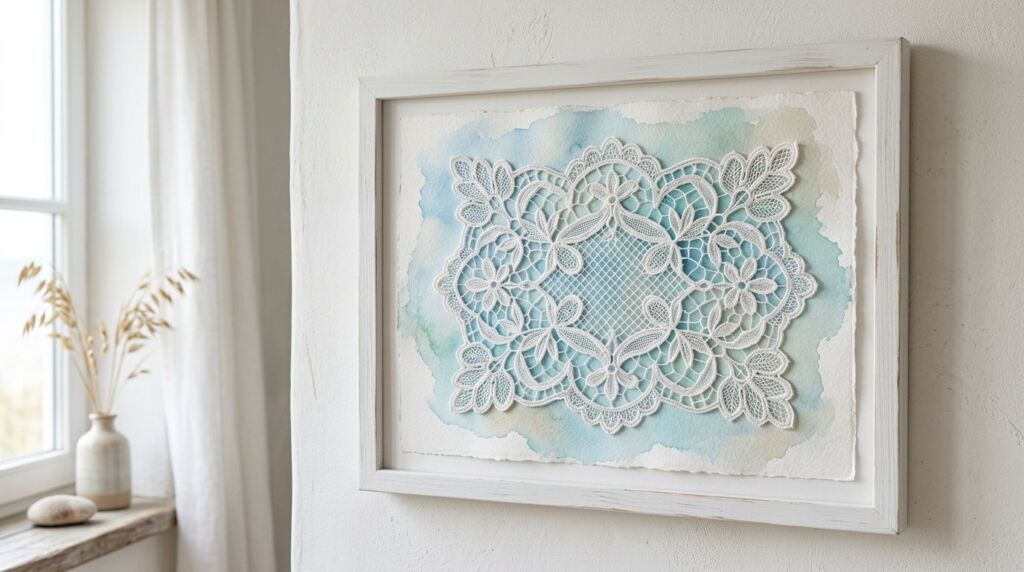
Combine your lace with other art forms. I’ve seen incredible results from mounting a doily over a watercolor wash. The soft, bleeding colors of the paint show through the holes in the lace, creating a dreamlike effect.
Make sure the watercolor is completely dry before adding the lace. Use a light blue or seafoam green wash for a coastal vibe, or a deep sunset orange for something warmer. It adds a layer of “artistry” that moves beyond simple framing.
14. Vertical Lace Banners
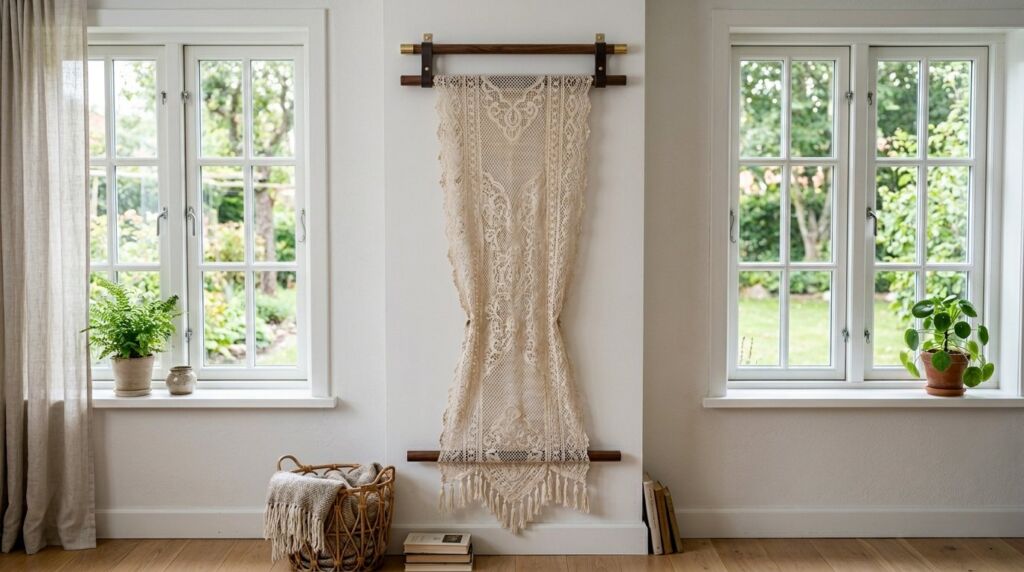
If you have long, rectangular lace runners instead of circular doilies, hang them vertically between two wooden dowels. This creates a “wall hanging” feel similar to a macrame piece but with much finer detail.
This is a great way to fill a narrow wall space. It feels modern because it mimics the look of high-end tapestries. I recommend using dark walnut wood for the dowels to give it a heavy, premium weight.
15. The “Negative” Stencil Method
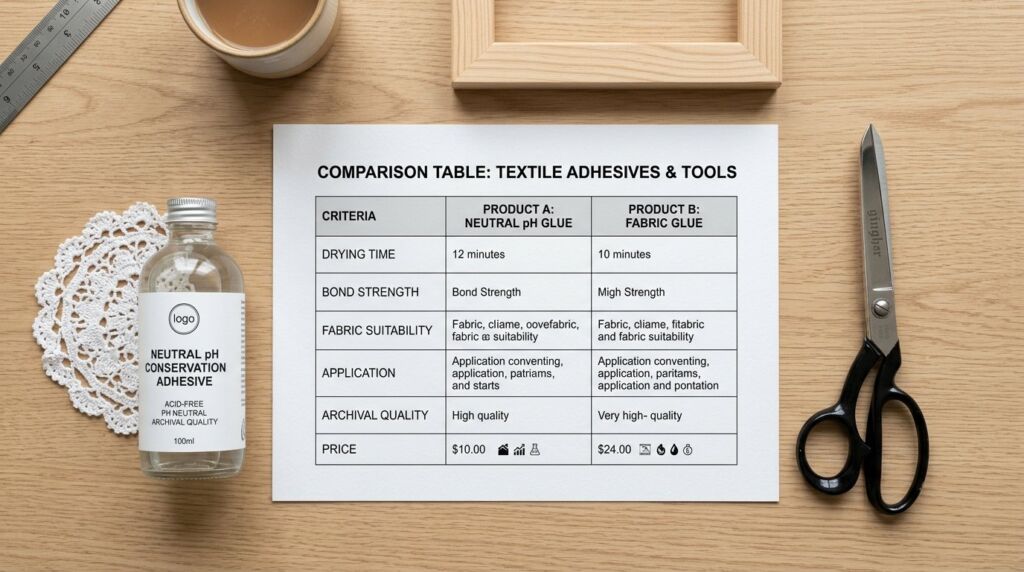
Technically, this isn’t framing the lace itself, but using it to create art. Lay the doily on a canvas and spray paint over it. When you lift the lace, you are left with a perfect, crisp “negative” image of the pattern.
Frame that canvas. This is a brilliant way to use Doilies Crafts if the original textile is too fragile to hang. You get to keep the pattern forever in a form that is durable and modern. I did this with a neon pink spray on a white canvas for a teenager’s room, and it looked like high-end street art.
Strategic Summary Table
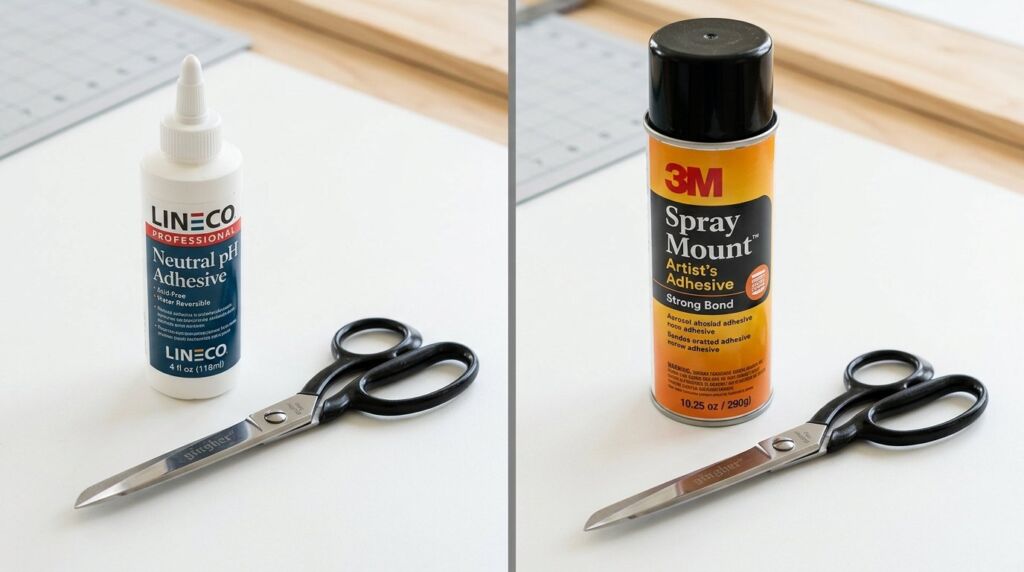
| Method | Best For | Vibe | Pro Tip |
| Floating Glass | Large Centerpieces | Airy & Modern | Use dark wall colors. |
| Shadow Box | Texture Lovers | Zen & Soft | Match lace color to box. |
| Bold Backing | Small Detailed Lace | Graphic & Edgy | Use matte black cardstock. |
| Gallery Grid | Multi-piece Collections | High-End Hotel | Use identical frames. |
| Dyed Lace | Color Accents | Custom & Bold | Use fiber-reactive dyes. |
Expert Tool Comparison
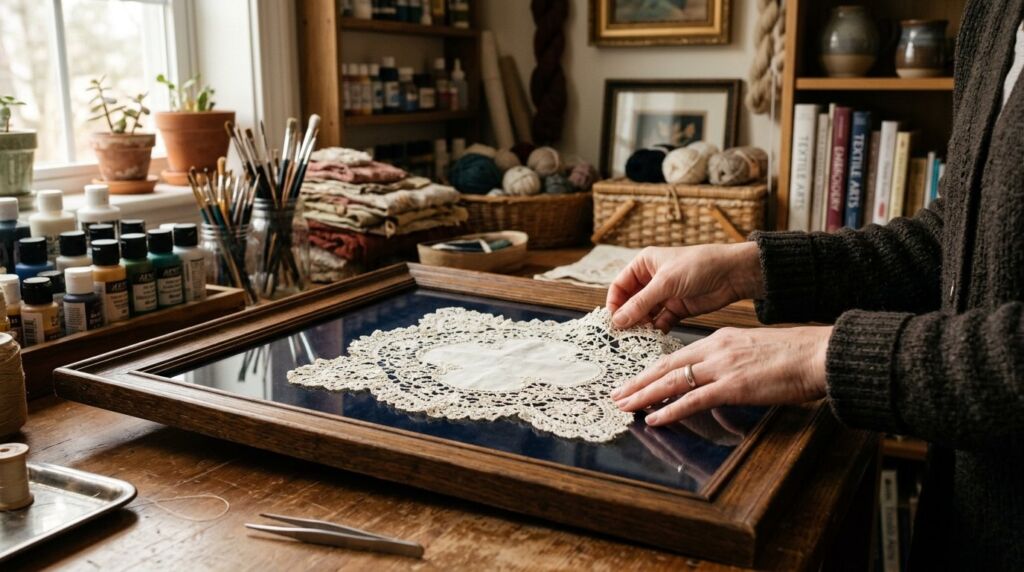
I have tested dozens of tools for textile mounting. Here is what actually works:
- Lineco Neutral pH Adhesive: The gold standard. It won’t yellow the lace over time. I used this on a 100-year-old Irish lace piece and it is still perfect five years later.
- 3M Spray Mount: Good for “quick” projects, but be careful. It can be messy. Only use this for Doilies Crafts Repurposed that aren’t high-value heirlooms.
- Fiskars Fabric Scissors: If you are deconstructing lace, you need a clean cut. Dull scissors will snag the thread and ruin the pattern.
- Art-To-Frames (Brand): They offer affordable custom-sized floating frames. I use them for almost all my Framed Doilies Wall Art projects.
Frequently Asked Questions
How do I clean old doilies before framing?
Do not put them in a washing machine. Soak them in lukewarm water with a tiny bit of Orvus Paste or a gentle textile soap. Lay them flat on a white towel to dry. If they are yellowed, a bit of sunshine is the safest bleach. I’ve restored dozens of pieces this way without damaging the fibers.
What is the best way to attach lace to the backing?
For a professional look, use tiny “tack” stitches with invisible thread. It takes longer but allows the lace to sit naturally. If you are in a rush, a few dots of acid-free glue on the thickest parts of the pattern will work. Avoid tape at all costs; it will eventually fail and leave a greasy mark.
Will the lace fade in the sun?
Yes, fiber is sensitive to UV. If you are hanging Framed Lace in a sunny room, invest in UV-protective glass. It costs about 20% more but prevents your lace from becoming brittle and brown. I learned this the hard way after a beautiful piece in my sunroom turned into dust after two summers.
Can I frame doilies that have holes?
Absolutely. Holes are part of the story. In a modern “Wabi-Sabi” style, these imperfections are celebrated. Frame them on a contrasting background to show that the piece has lived a life. It adds a level of “soul” that new lace just doesn’t have.