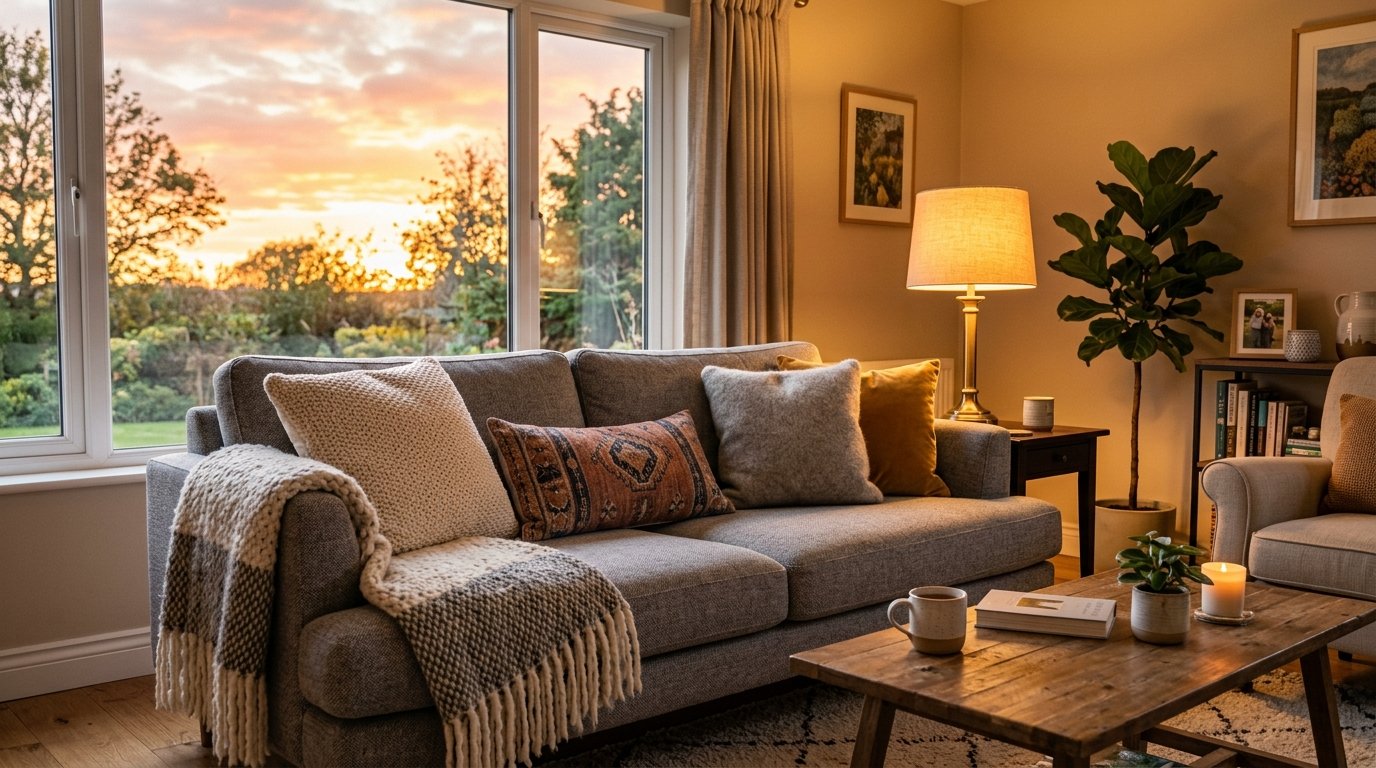
Walking into a room that feels like a cold concrete box is a common frustration when you first bring home a charcoal or slate sofa. Last October, I helped a friend style her new apartment where the living room inspiration grey couch felt more like a heavy anchor than a design statement. We spent four hours and exactly $140 at local thrift stores to change that. Have you ever wondered why your expensive furniture looks dull the moment it hits your floor? Is it possible that your neutral choice is actually draining the life out of your home? Most people assume grey is easy to style, but without the right textures, it becomes a visual void. This guide shows you how to turn that safe choice into a high-end masterpiece using practical, real-world steps.
Executive Summary
Transforming your living space doesn’t require a five-figure renovation or a professional designer on retainer. You will find that by focusing on contrast, light, and organic materials, you can make a standard grey sofa look like a custom piece from a luxury showroom. We cover everything from $15 lighting hacks to strategic rug layering that defines open-concept areas. While many believe you need bright colors to offset grey, I have seen that monochromatic layers often provide a more sophisticated result. This article explores 22 specific setups including industrial, coastal, and mid-century styles. We exclude major structural changes and focus entirely on styling, textile selection, and furniture arrangement. Expect to spend between two hours and a full weekend implementing these transformations depending on your budget and goals.
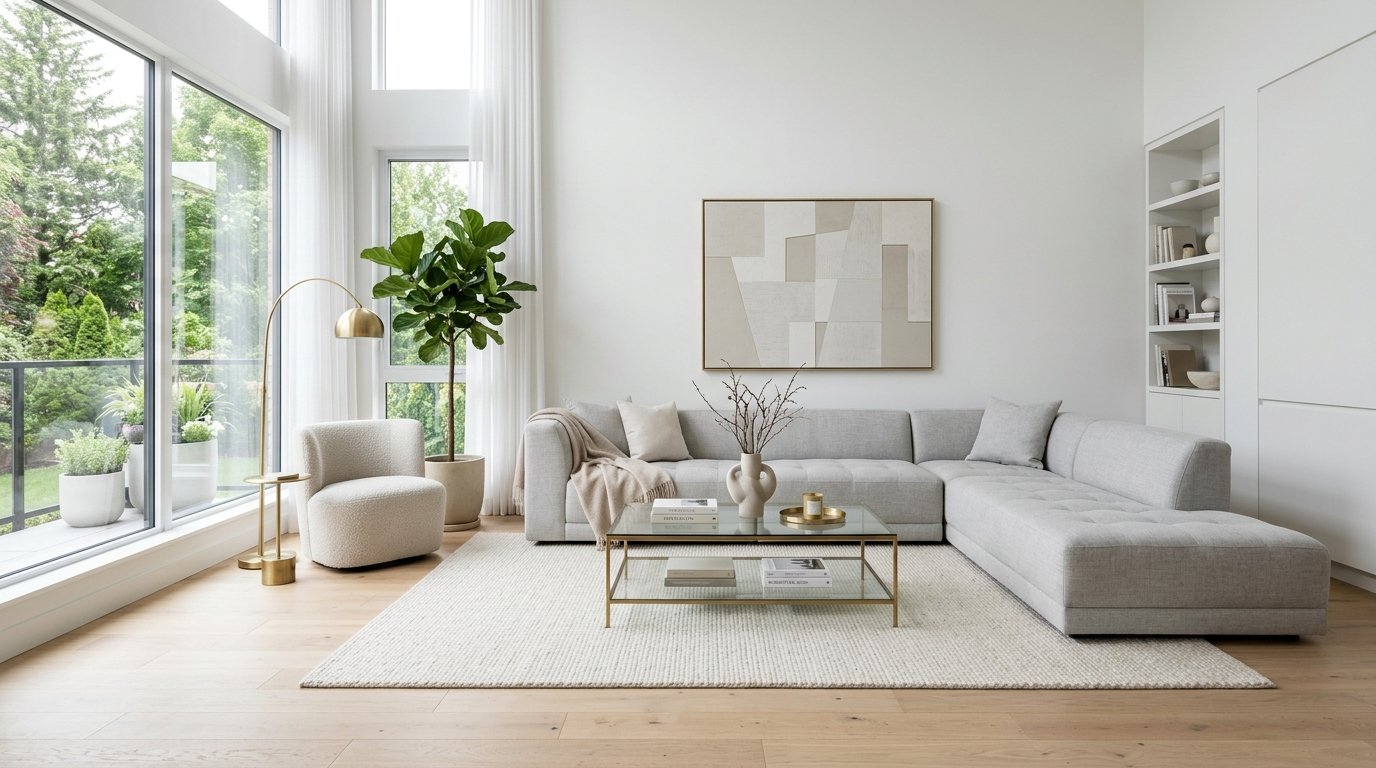
1. Scandi Wood Accents
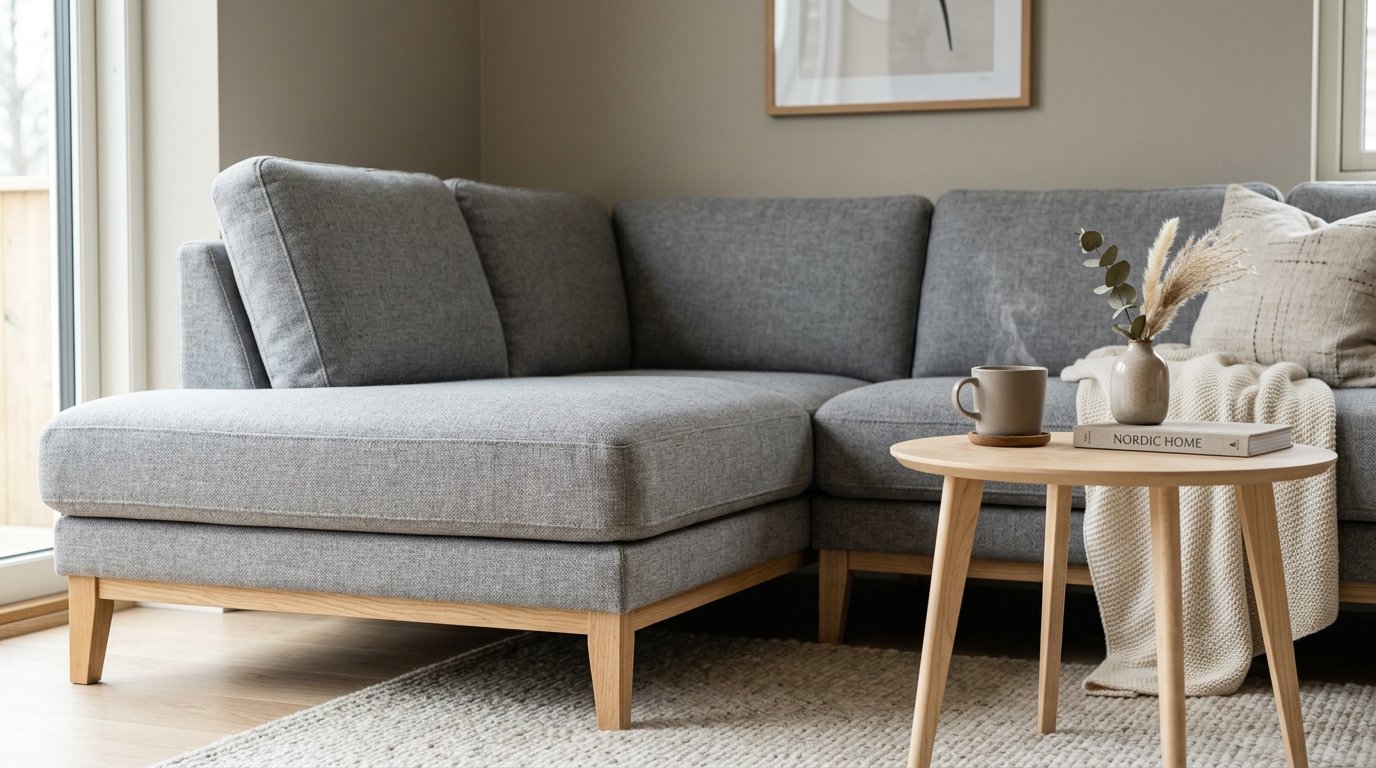
Light-toned woods like ash or birch create an immediate warmth against cool grey fabric. I have noticed that adding a simple light oak coffee table from a brand like Article or even a budget-friendly IKEA Lisabo table breaks up the visual weight of a large sectional.
Practical Action: Swap out dark metal legs on your couch for tapered wooden furniture legs to lift the profile. Cost/Time: $30 for legs and 20 minutes for installation. Contrarian Note: Do not match every wood tone in the room or it will look like a 2005 showroom set.
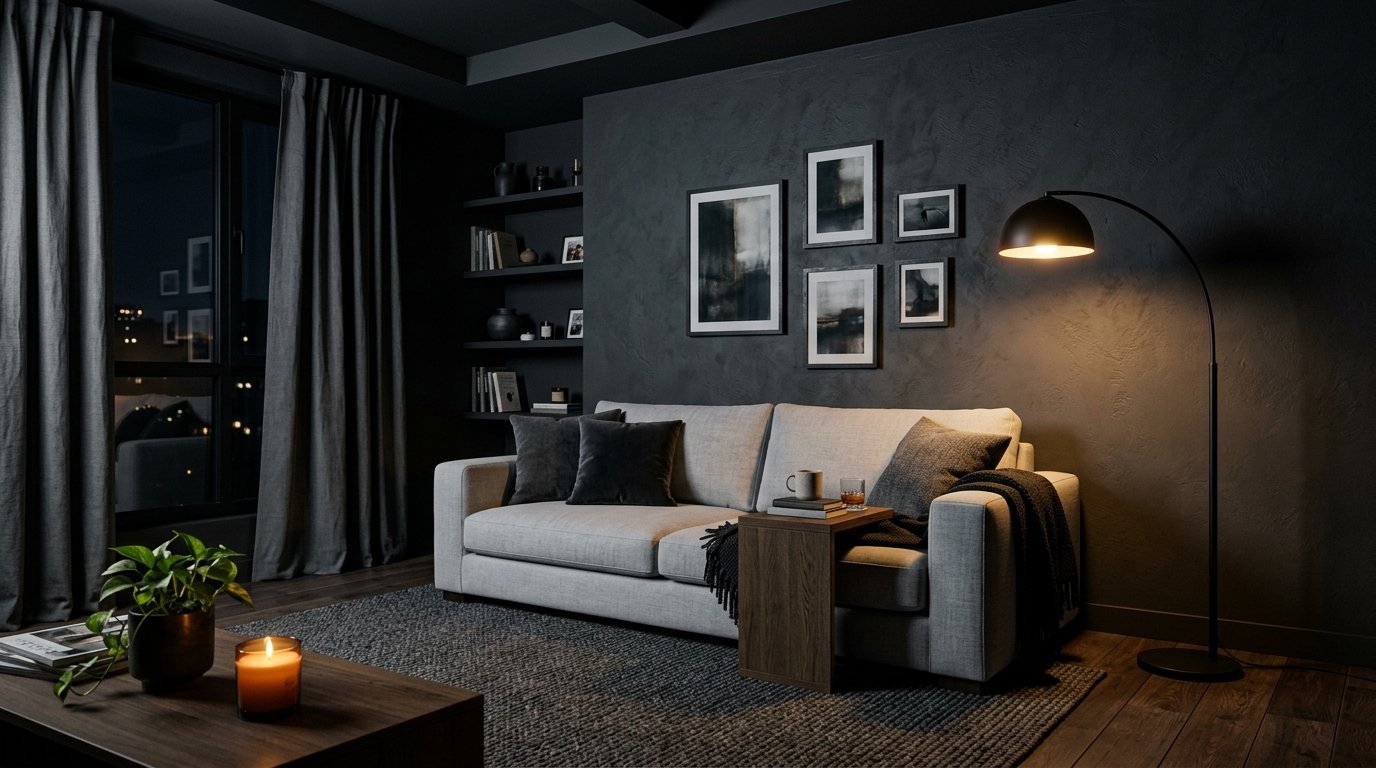
2. Moody Charcoal Walls
Creating a high-contrast environment makes the sofa feel intentional rather than accidental. Using a deep paint shade like Benjamin Moore Hale Navy or Iron Mountain behind a light grey couch adds incredible depth to the room.
Practical Action: Paint only the wall directly behind the sofa to create a focal point without darkening the entire space. Cost/Time: $70 for premium paint and one Saturday. Contrarian Note: Dark walls require triple the amount of ambient lighting to avoid a cave-like atmosphere.
3. Velvet Jewel Tones
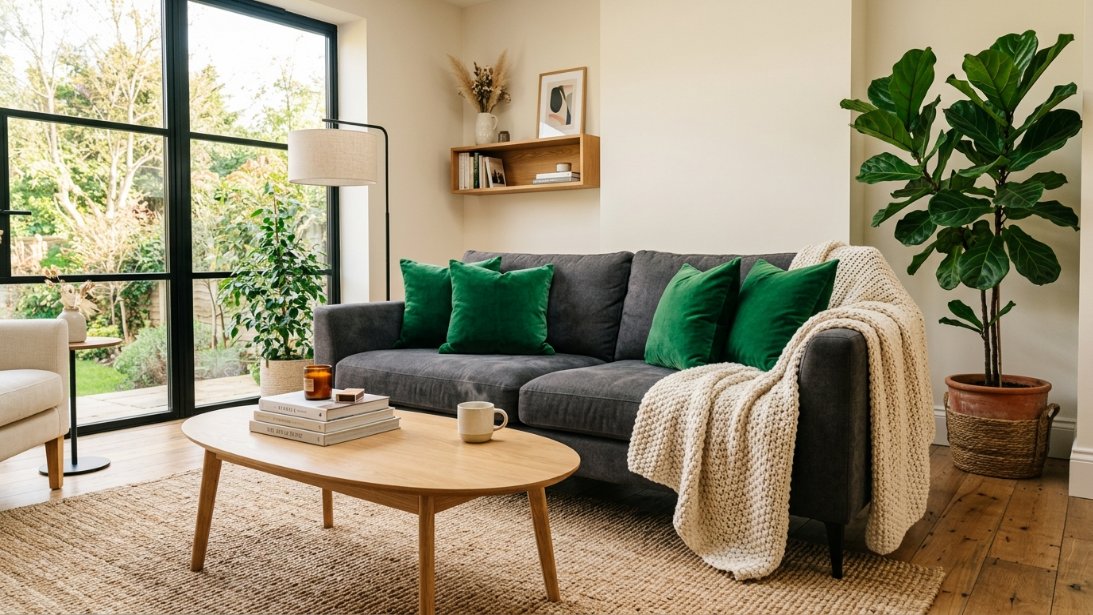
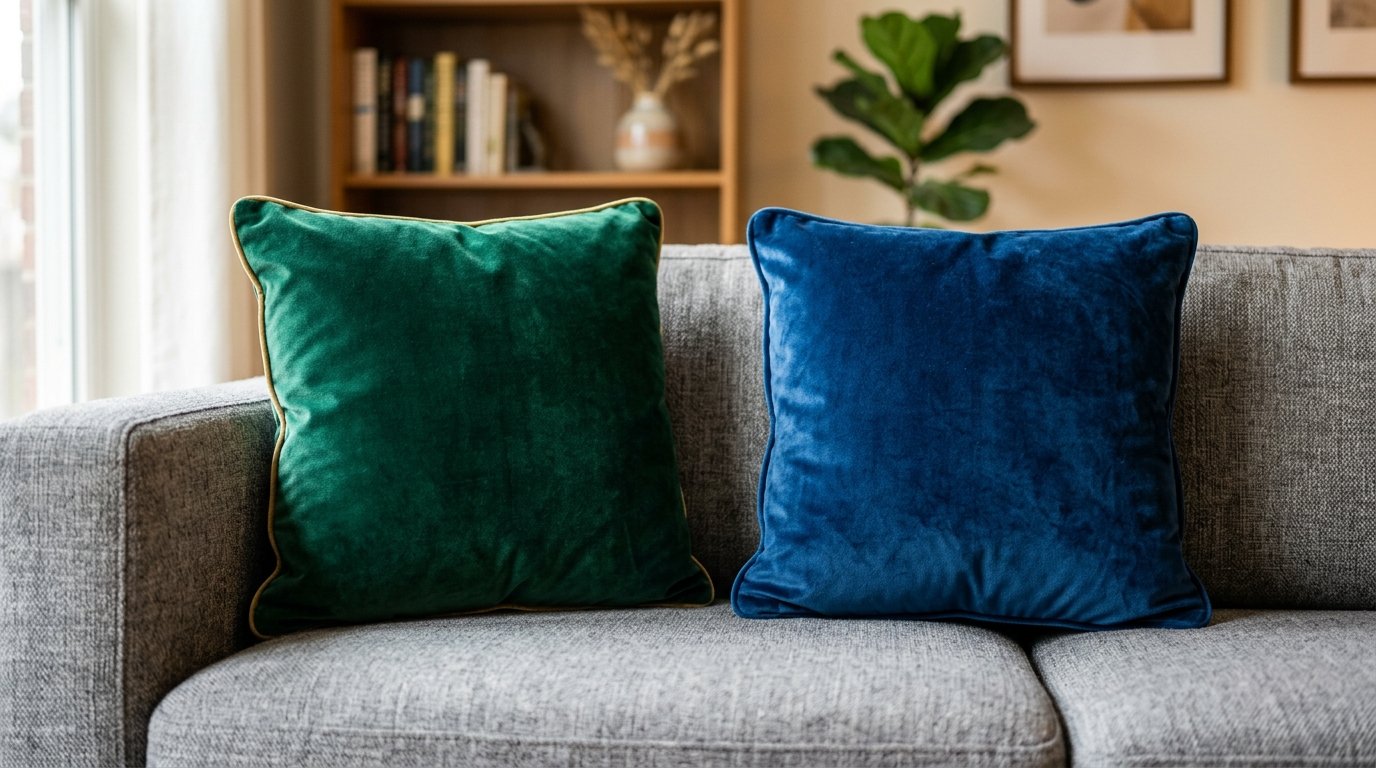
Grey is the perfect backdrop for rich fabrics like emerald or sapphire velvet. In my experience, adding two 20-inch velvet pillows from West Elm provides a tactile contrast that flat cotton fabrics cannot match.
Practical Action: Buy high-quality down inserts that are two inches larger than your pillow covers for a “plump” designer look. Cost/Time: $45 per pillow and 5 minutes to style. Contrarian Note: Avoid cheap polyester velvet which catches lint and develops a plastic-like sheen over time.
4. Jute Rug Layering
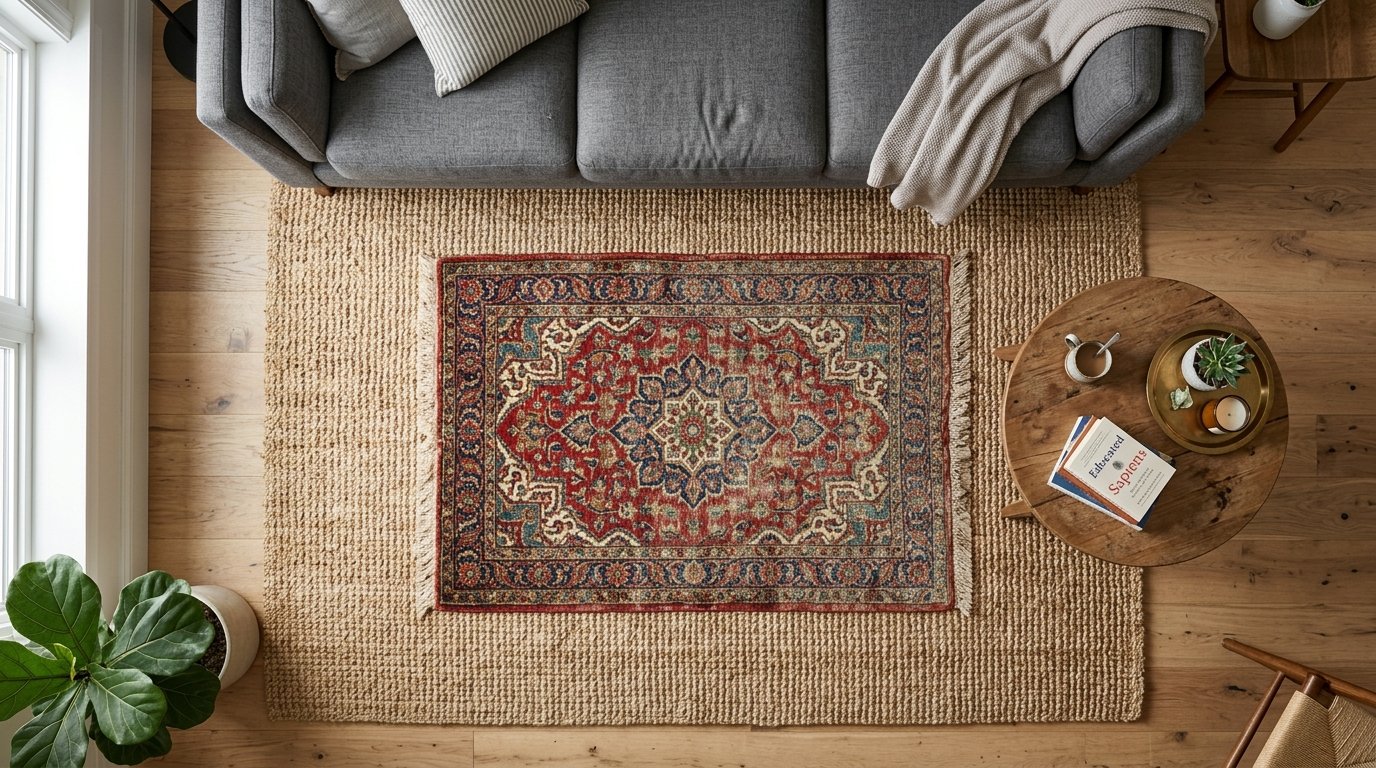
Natural fibers provide a grounded, organic feel that balances the synthetic nature of many modern couch fabrics. I once saw a living room inspiration grey couch setup where a small vintage rug was placed over a large 9×12 jute rug, and it instantly felt twice as expensive.
Practical Action: Use a thin rug pad under the jute layer to prevent sliding and protect your hardwood floors. Cost/Time: $200 for a large jute rug and 30 minutes to move furniture. Contrarian Note: Jute is notoriously difficult to clean after pet accidents, so avoid this in high-mess households.
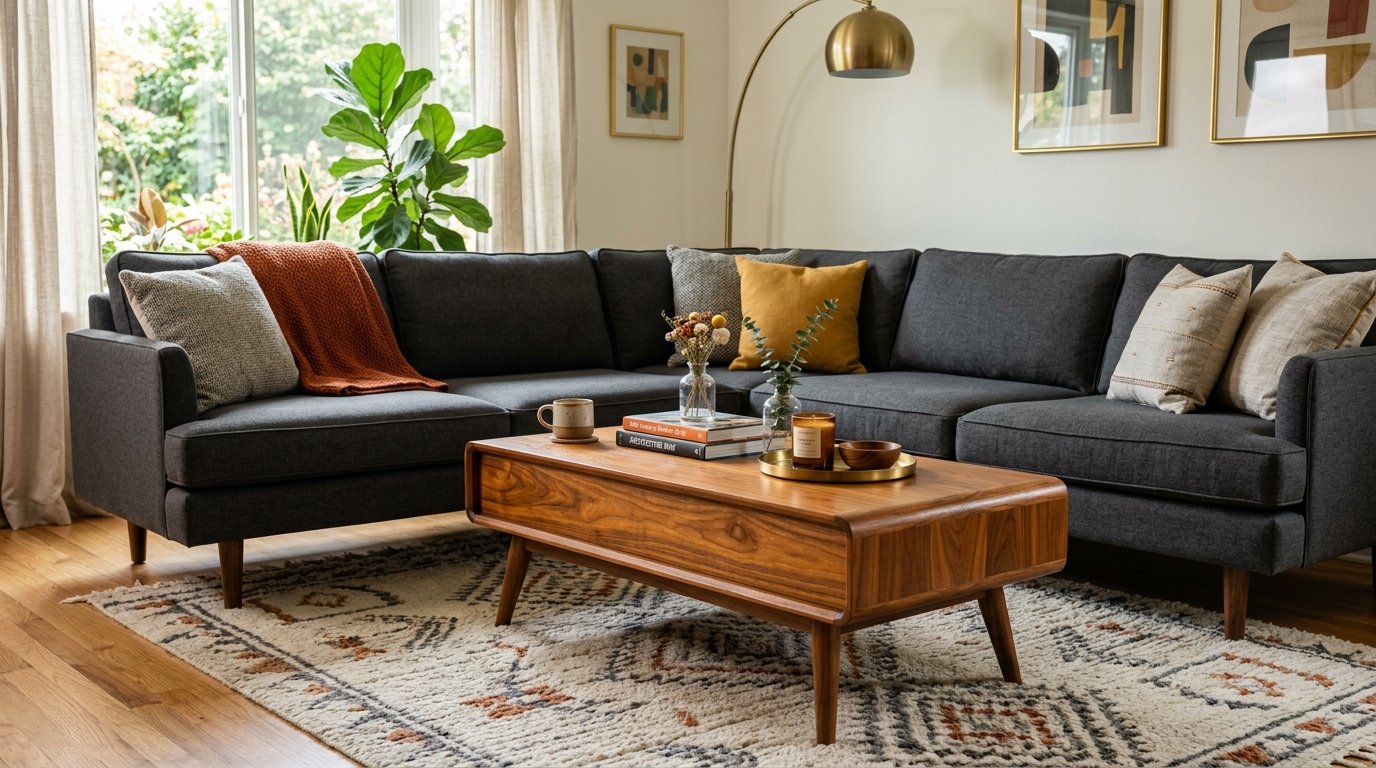
5. Mid-Century Walnut
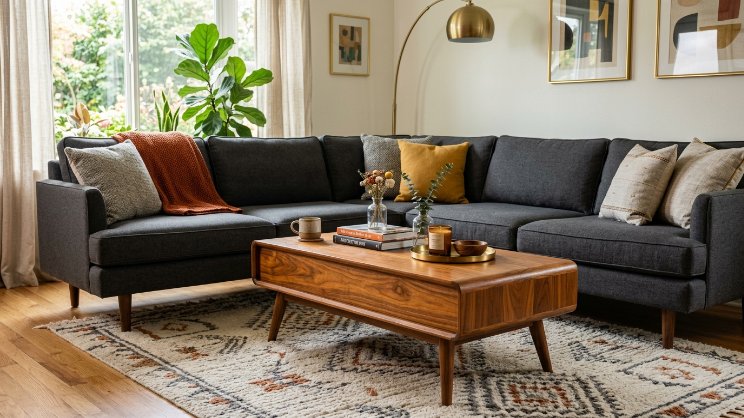
The orange undertones in walnut wood act as a natural complement to the blue undertones often found in grey upholstery. A slim walnut side table with a brass lamp creates a classic look that never feels dated.
Practical Action: Look for vintage Lane or American of Martinsville pieces on Facebook Marketplace for authentic character. Cost/Time: $100 to $300 depending on the find and transport time. Contrarian Note: Genuine walnut is heavy and requires semi-annual oiling to keep the grain from looking thirsty.
6. Industrial Metal Touches
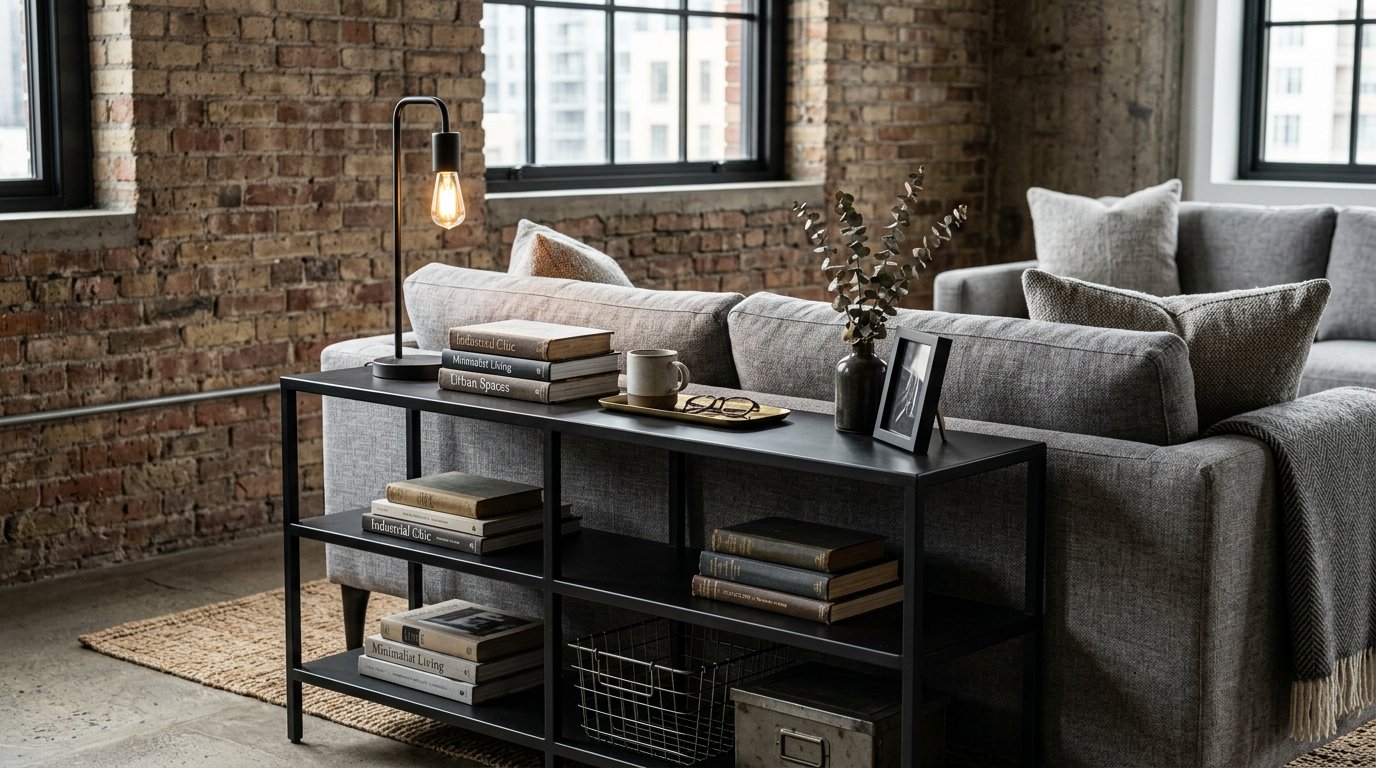
Matte black metal frames provide a sharp silhouette that defines the soft edges of a fabric sofa. I have seen many people benefit from adding a thin metal console table behind the couch to hold books and plants.
Practical Action: Spray paint existing mismatched metal frames with a flat black primer for a cohesive industrial look. Cost/Time: $10 for spray paint and two hours of drying time. Contrarian Note: Too much cold metal can make a family room feel like a sterile office lobby.
7. Coastal Linen Textures
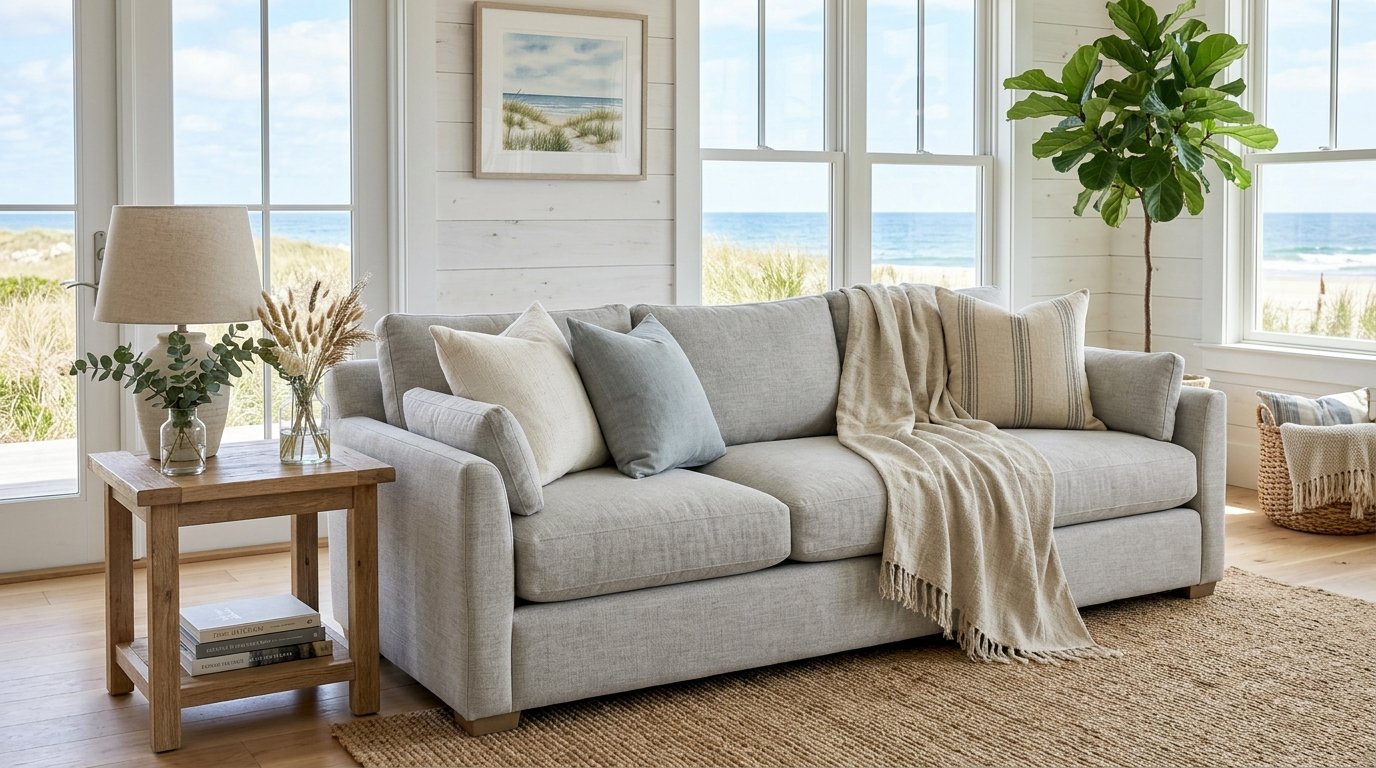
Linen throws in oatmeal or sand shades soften a grey couch for a breezy, relaxed vibe. I’ve tried this in my own home and noticed that the rumpled texture of linen makes the room feel lived-in and comfortable.
Practical Action: Drape a linen throw over one arm of the couch, tucked slightly into the seat cushion for a “styled but messy” look. Cost/Time: $60 for a quality linen throw. Contrarian Note: Linen wrinkles instantly, so skip this if you prefer a crisp, pristine aesthetic.
8. Oversized Abstract Art
A large canvas with grey, white, and one “pop” color ties the furniture into the wall space. A 36×48 inch canvas from a site like Minted or Society6 fills the void above a sofa perfectly.
Practical Action: Use Command heavy-duty strips instead of nails to experiment with height without damaging the drywall. Cost/Time: $150 to $400 and one hour for leveling. Contrarian Note: Small art pieces look cluttered and “dinkey” above a large sofa; go bigger than you think you need.
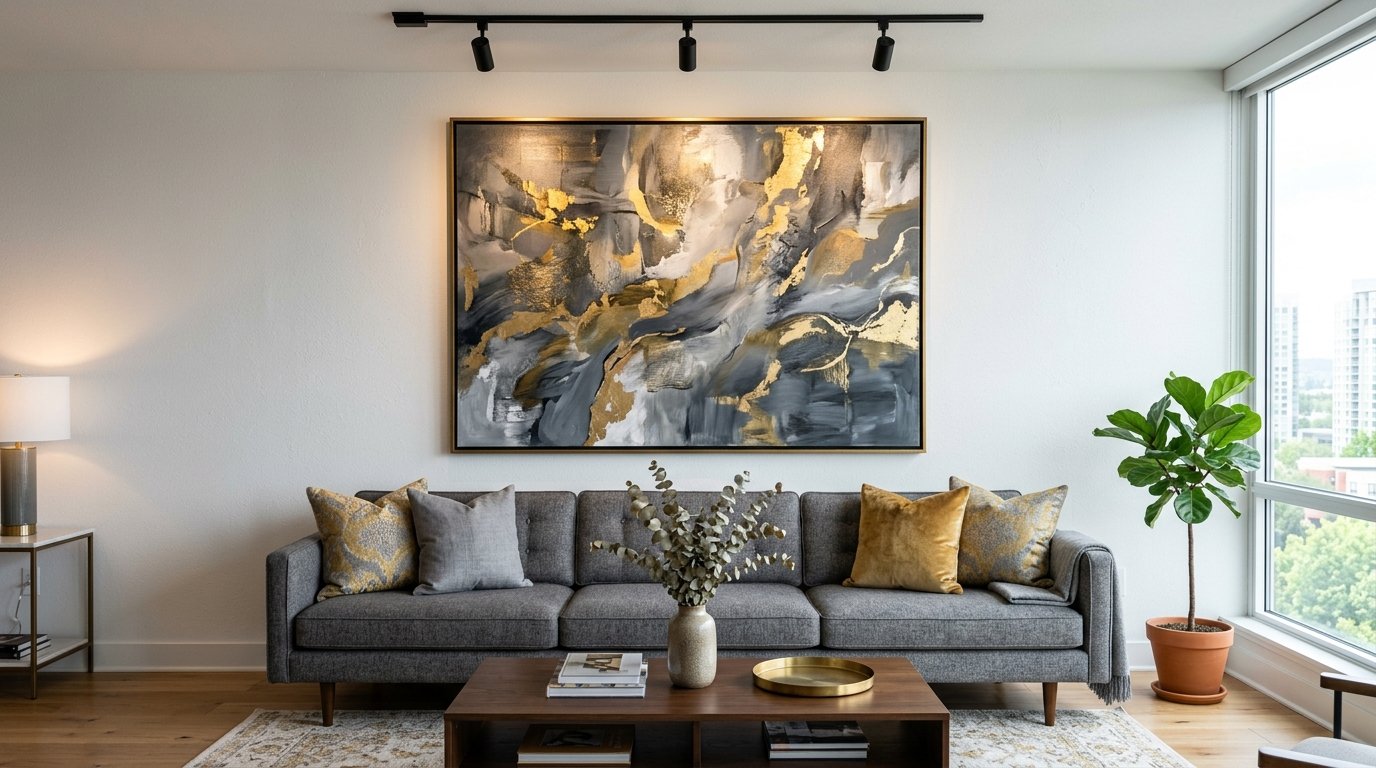
9. Brass Gallery Wall
Warm metals like brass or gold prevent grey from looking gloomy. I’ve noticed that mixing different frame sizes but keeping the finish consistent creates a professional gallery feel.
Practical Action: Use a paper template to plan your layout on the wall with masking tape before driving any nails. Cost/Time: $100 for a set of 5 frames and 3 hours for layout. Contrarian Note: Polished brass can look dated; aim for brushed or “antique” finishes for a modern edge.
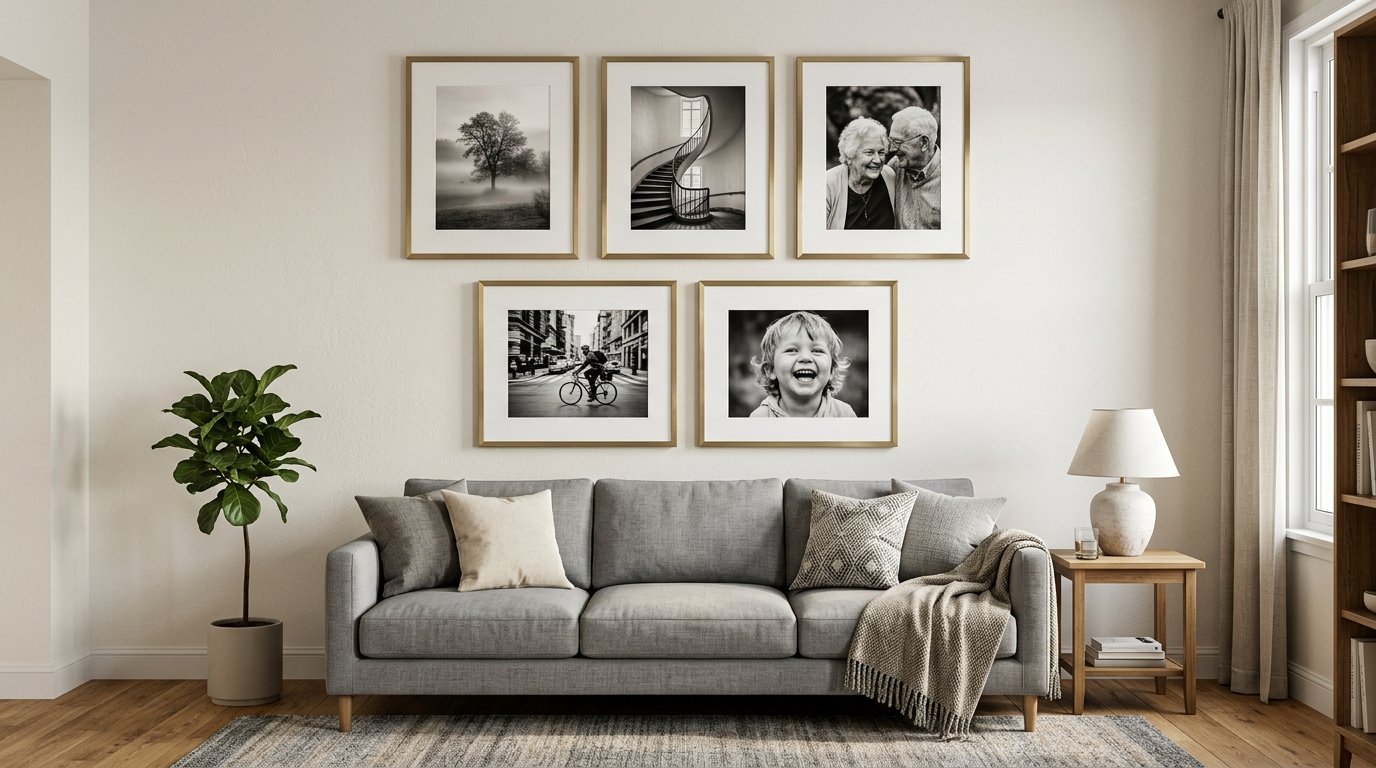
10. Emerald Green Plants
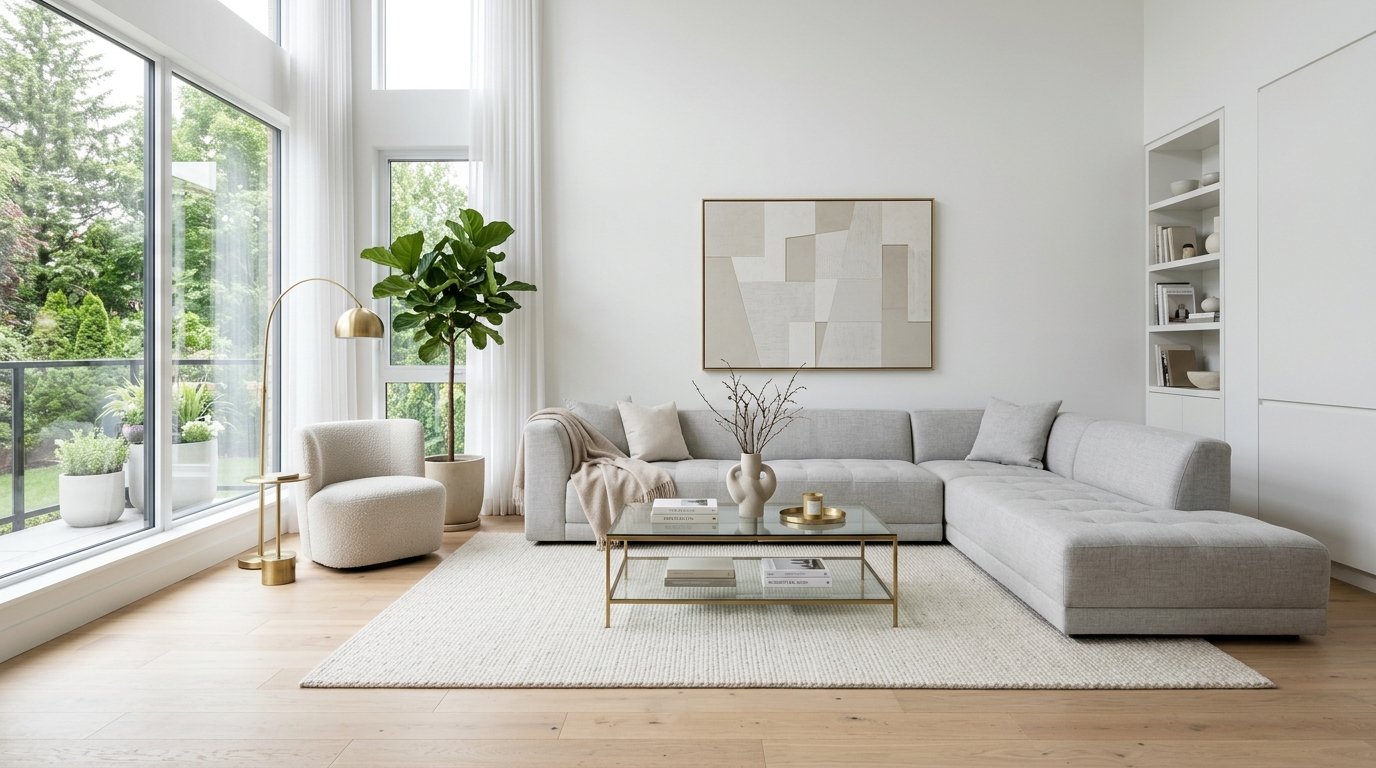
Living greenery is the most effective way to breathe life into a neutral room. A tall Fiddle Leaf Fig or a Monstera Deliciosa next to a grey sectional creates a vibrant color contrast that is purely natural.
Practical Action: Place your plant in a terracotta or white ceramic pot to add another layer of texture. Cost/Time: $50 for a mature plant and 15 minutes for potting. Contrarian Note: Large plants require consistent light; check your window orientation before buying an expensive tree.
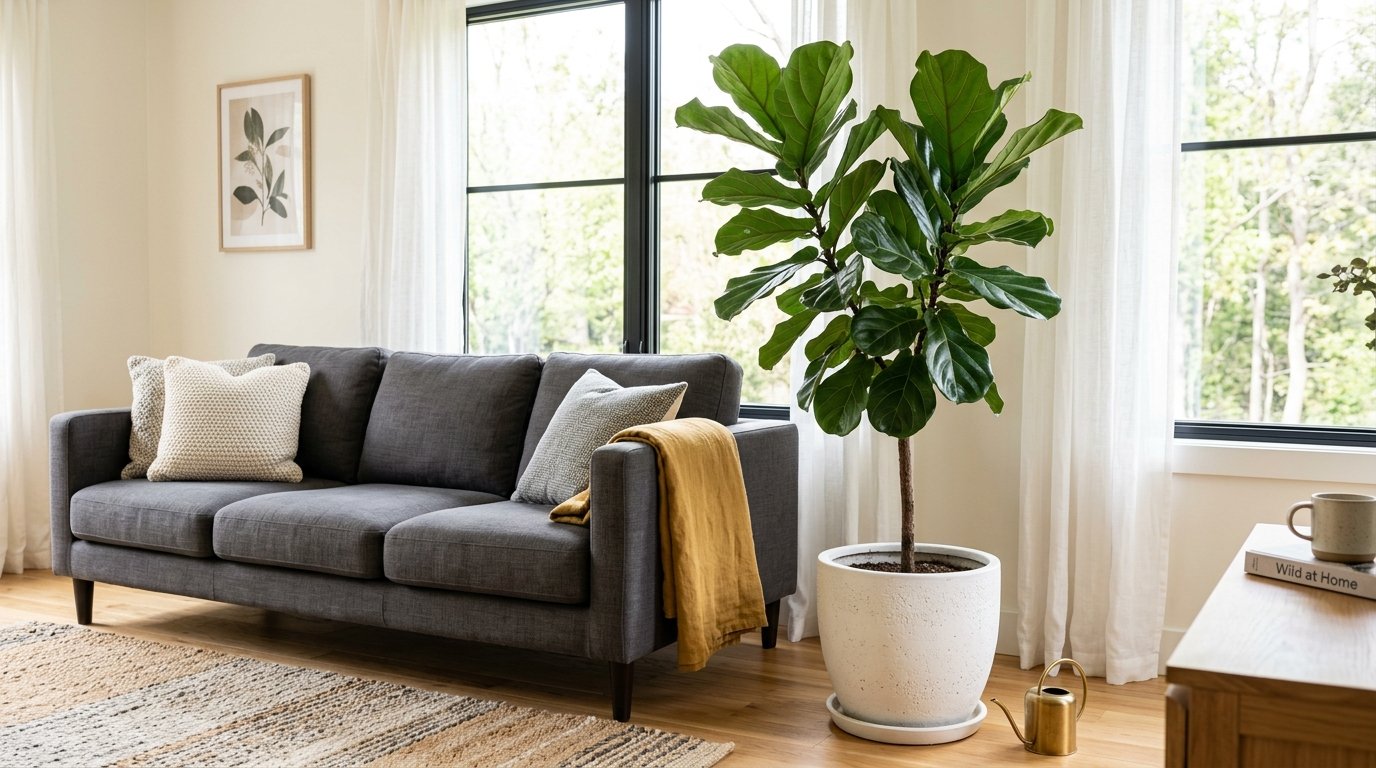
11. Black Marble Tables
Marble adds a sense of luxury and permanence to the seating area. A round marble-topped coffee table prevents the room from feeling too “boxy” when paired with a rectangular couch.
Practical Action: Use stone sealant once a year to prevent rings from coffee cups or water glasses. Cost/Time: $300 for a mid-range marble table. Contrarian Note: Marble is incredibly heavy and can crack if moved improperly during floor cleaning.
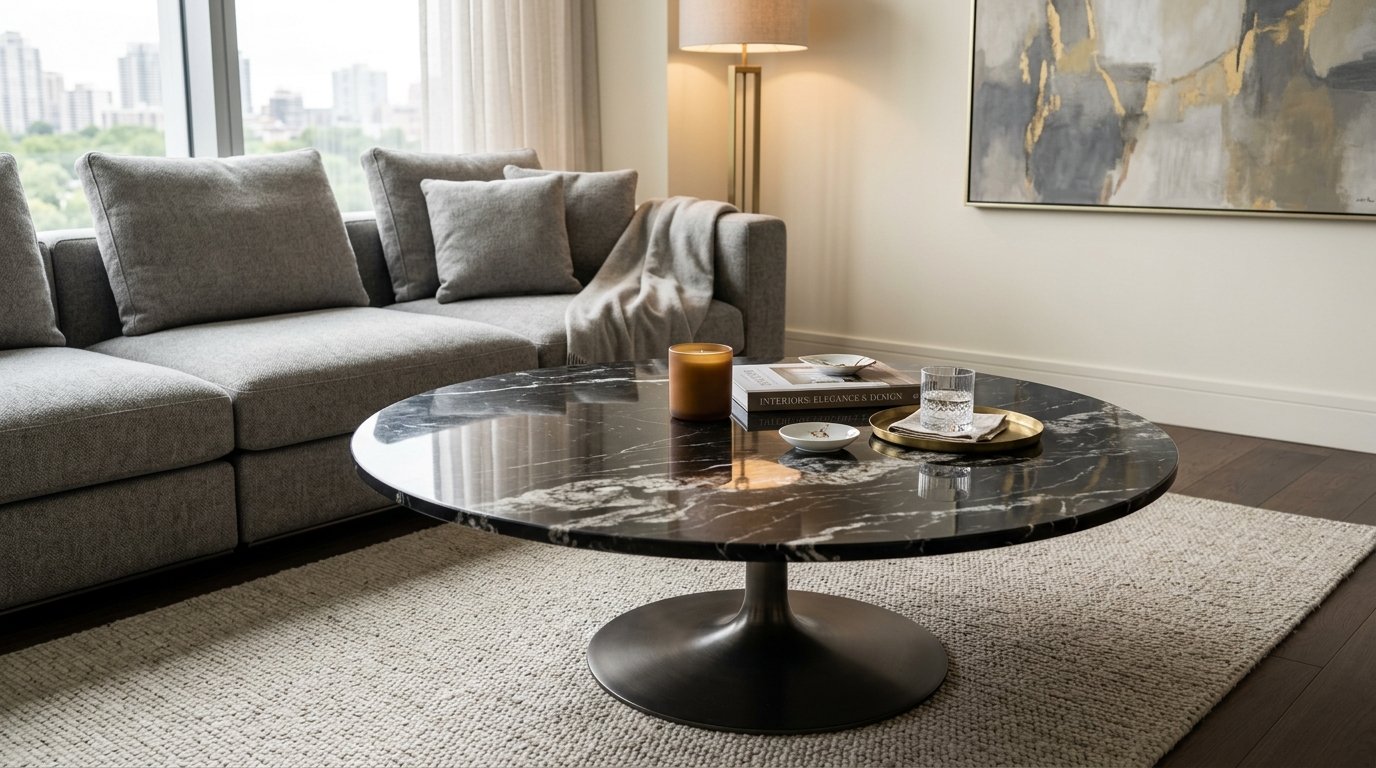
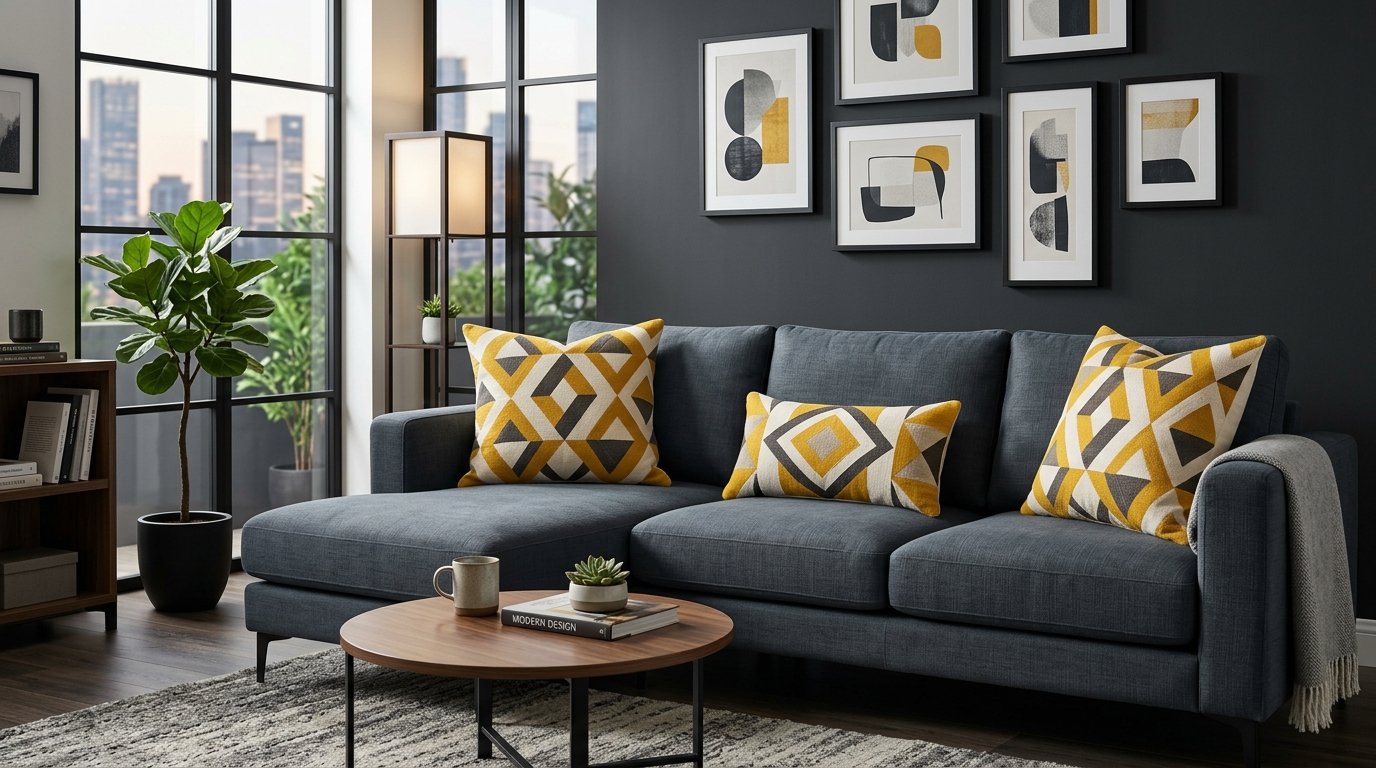
12. Geometric Mustard Pillows
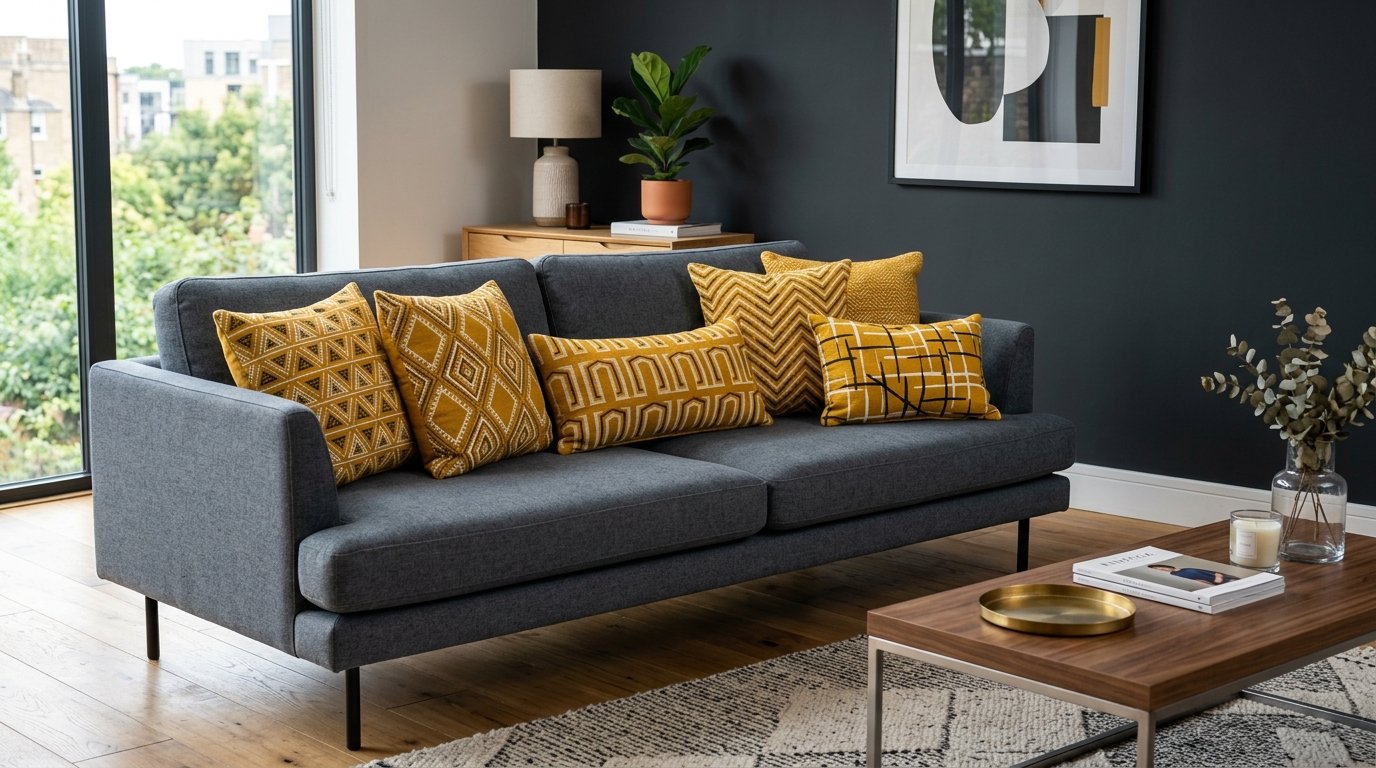
Mustard yellow is the classic color partner for grey because it provides warmth without being overwhelming. I’ve seen this work exceptionally well in basements or rooms with limited natural light.
Practical Action: Stick to geometric patterns rather than floral to keep the look modern and sharp. Cost/Time: $25 for covers. Contrarian Note: Mustard can sometimes look “dirty” if the lighting in the room has a heavy yellow tint already.
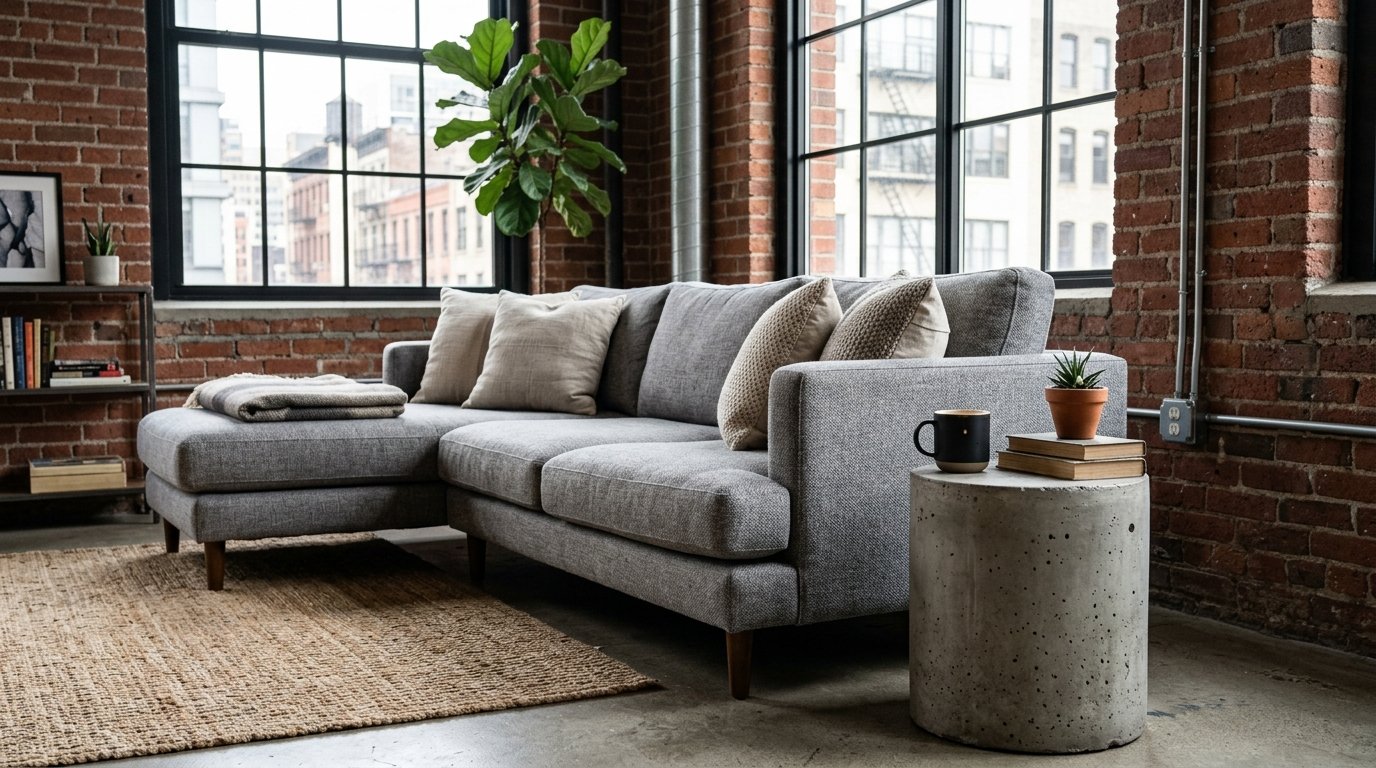
13. Raw Concrete Elements
For an urban or loft feel, concrete side tables or lamps match the industrial vibe of a grey couch. The shared tonal range creates a very cohesive, architectural look.
Practical Action: Buy a concrete-look lamp base for a lightweight alternative that still offers the same visual texture. Cost/Time: $40 to $80. Contrarian Note: Real concrete is porous and will stain if it comes into contact with oils or wine.
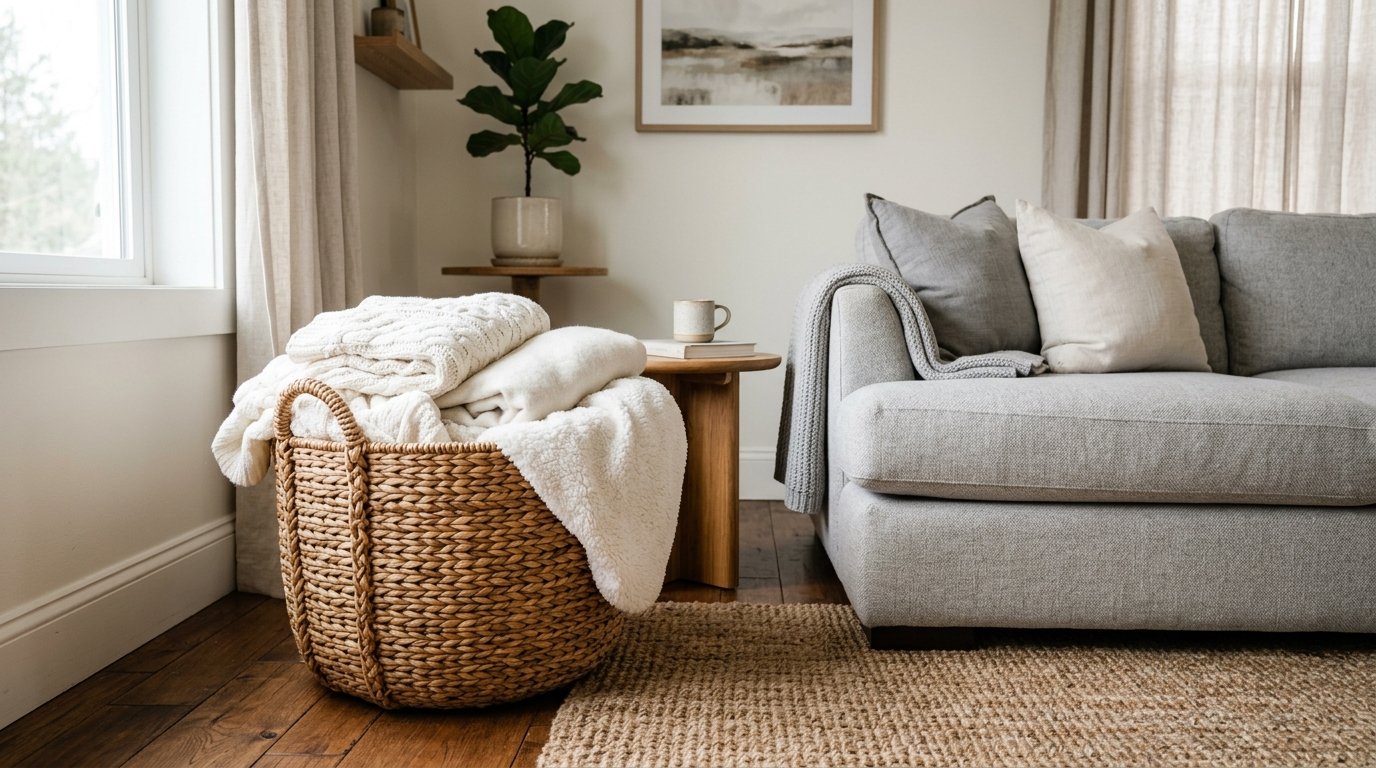
14. Woven Rattan Accents
Rattan baskets or chairs introduce a handcrafted element that softens modern furniture. I have seen many people benefit from using a large rattan basket to store extra blankets right next to the sofa.
Practical Action: Choose a basket with a lid to hide the “clutter” of colorful mismatched blankets. Cost/Time: $35 at Target or HomeGoods. Contrarian Note: Cheap rattan can snag delicate fabrics like silk or fine wool throws.
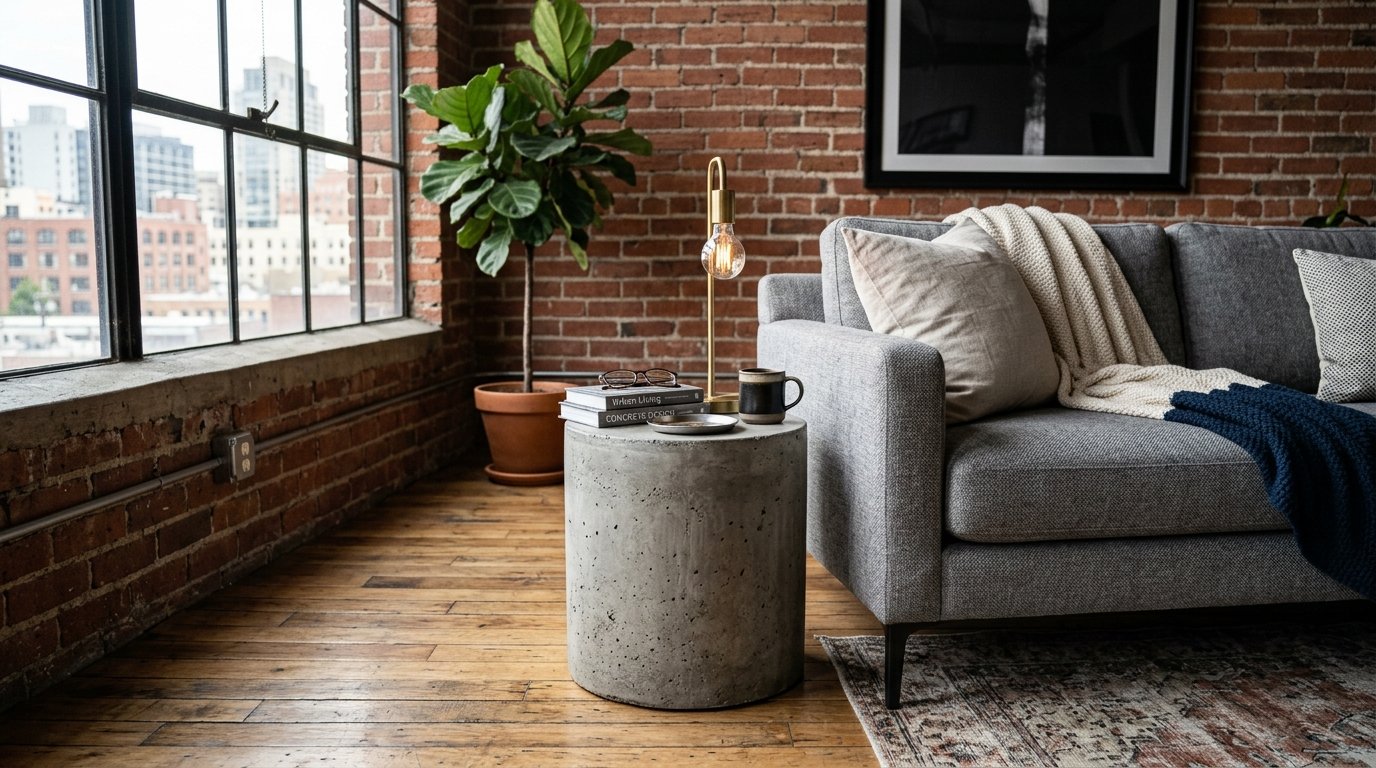
15. Exposed Brick Backdrop
If you have a brick wall, the red and orange tones create an incredible warmth against the grey. If you don’t, high-quality brick veneer panels can achieve a similar effect for a fraction of the cost.
Practical Action: Use warm-toned “Edison” bulbs in nearby lamps to highlight the texture of the brick at night. Cost/Time: $200 for a DIY panel project and one weekend. Contrarian Note: Brick is a dust magnet and requires regular vacuuming with a brush attachment.
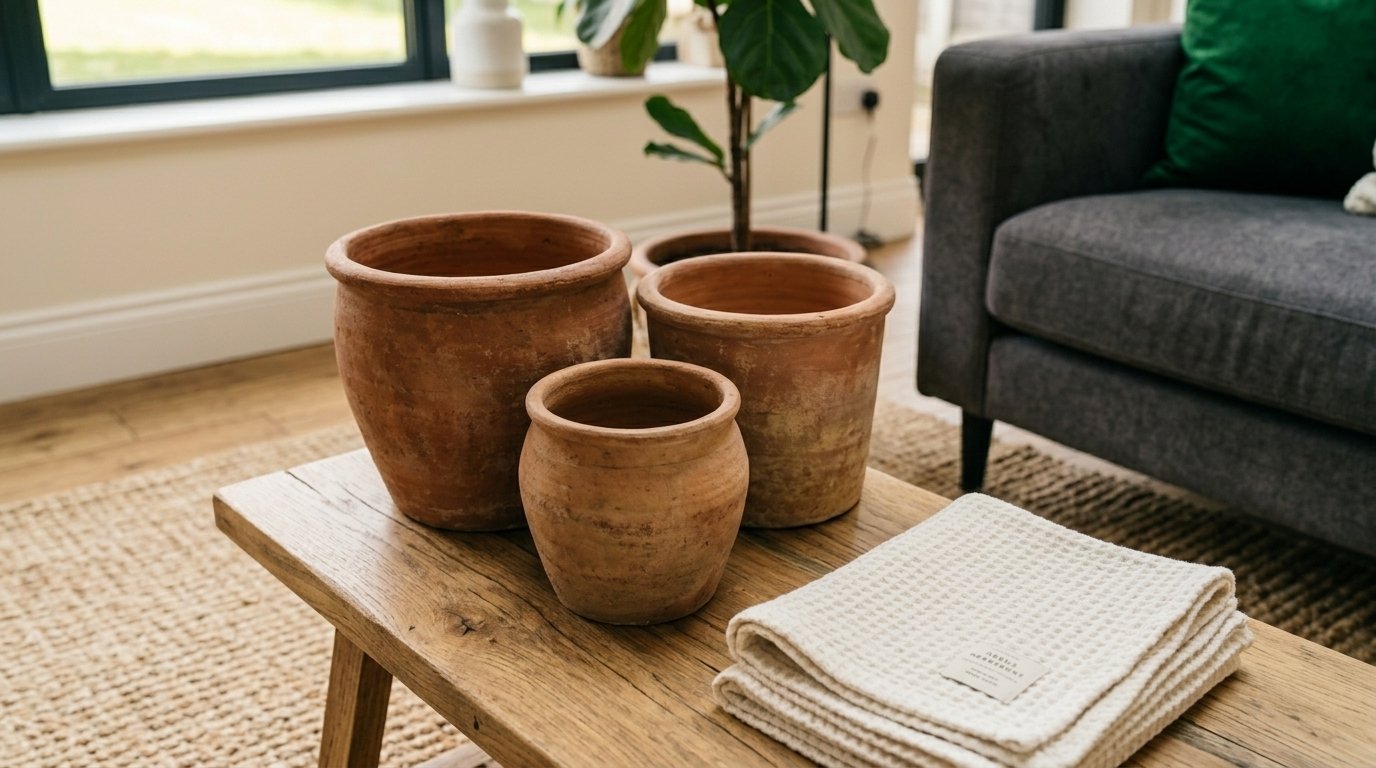
16. Terracotta Clay Pots
The earthy, burnt-orange color of terracotta provides a perfect organic contrast to cool slate tones. Placing a group of three different-sized pots on a side table adds height and color.
Practical Action: Mix empty pots with ones containing small succulents for a varied tabletop display. Cost/Time: $15 for a set of pots. Contrarian Note: Terracotta “breathes,” meaning water can seep through the bottom and ruin wooden furniture surfaces. Always use a saucer.
Navy creates a sophisticated, “menswear” inspired look when paired with charcoal. Velvet or heavy linen curtains from ceiling to floor make the room feel taller and more formal.
Practical Action: Hang the curtain rod 6 inches above the window frame and 10 inches wider on each side to make windows look massive. Cost/Time: $100 for rods and panels. Contrarian Note: Dark curtains can make a small room feel cramped if they are kept closed during the day.
18. Glass Coffee Tables
In small apartments, a glass table allows the grey couch and the rug to remain visible, creating an airy feel. I have noticed this prevents the center of the room from feeling cluttered.
Practical Action: Choose a table with rounded edges if you have children or frequent guests to avoid painful bumps. Cost/Time: $150 for a tempered glass table. Contrarian Note: Glass shows every fingerprint and speck of dust, requiring daily cleaning to look good.
19. Sheepskin Rug Comfort
Throwing a genuine or faux sheepskin over the back of a grey couch adds instant luxury and comfort. It breaks up the flat surface of the upholstery with high-pile texture.
Practical Action: Brush the sheepskin with a wide-tooth comb occasionally to keep it from matting. Cost/Time: $30 for a faux version or $80 for genuine. Contrarian Note: White sheepskins can turn yellow over time if exposed to direct, harsh sunlight.
20. Matte Black Lamps
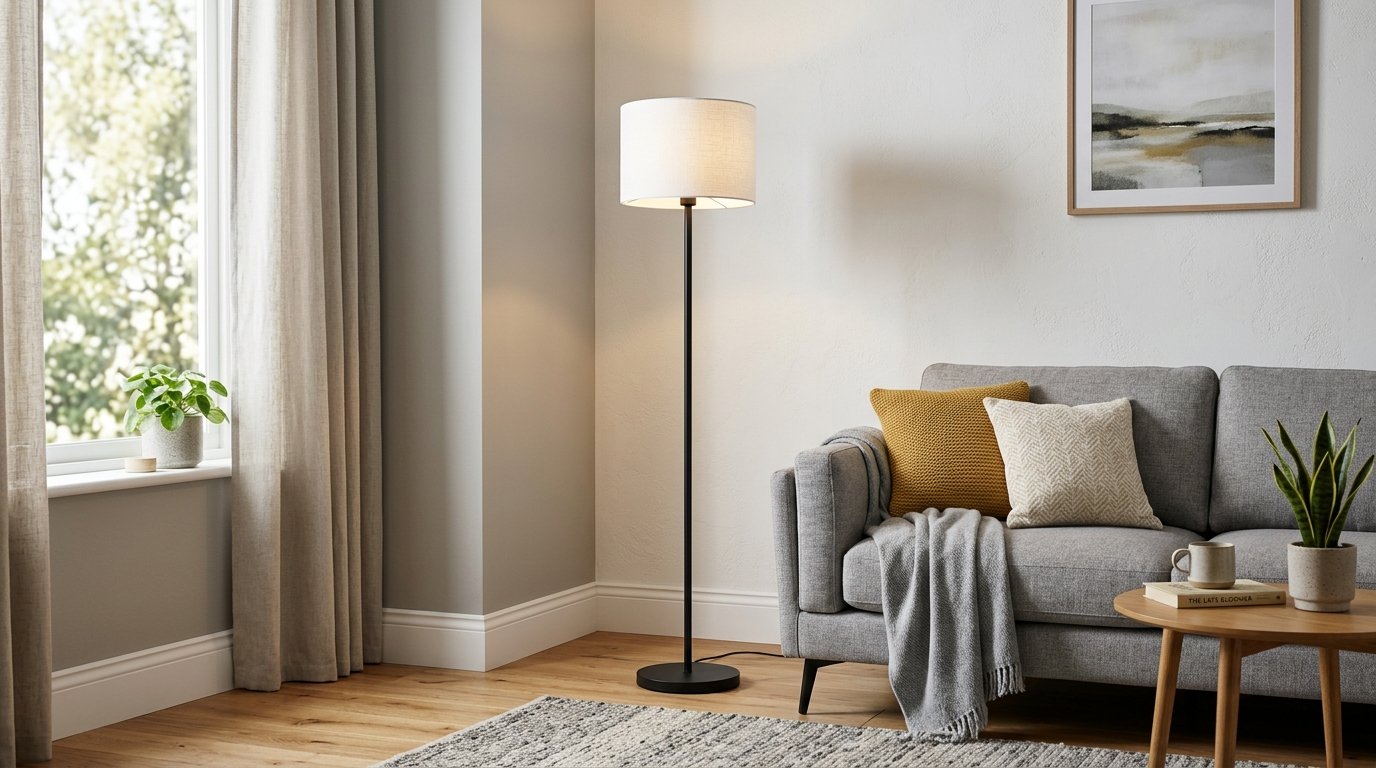
Lighting is the final touch for any grey couch setup. I’ve tried using a tall black floor lamp with a white shade, and the “pop” of black against the grey is incredibly chic.
Practical Action: Use a smart bulb so you can adjust the color temperature from “cool” to “warm” depending on the time of day. Cost/Time: $50 for a floor lamp and 10 minutes for assembly. Contrarian Note: Slim lamps can be unstable on thick carpets; check the base weight before buying.
21. Gallery Lighting Setup
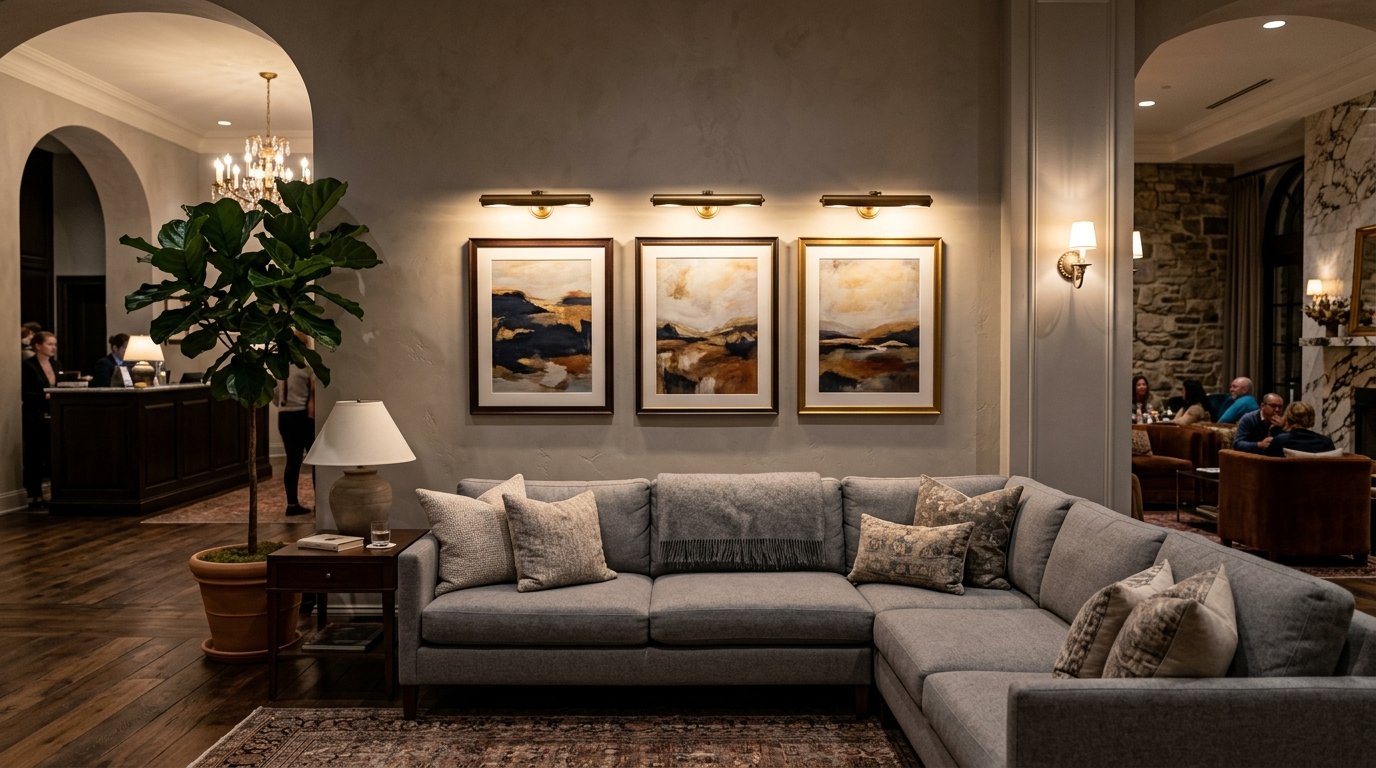
Using small battery-powered picture lights above your art makes the seating area feel like a high-end hotel. Lighting the wall behind the sofa draws the eye upward and away from the furniture itself.
Practical Action: Buy remote-controlled LED lights so you don’t have to climb on the couch to turn them on. Cost/Time: $40 for a pair of lights. Contrarian Note: Cheap LED lights often have a blue tint that makes grey fabric look “sickly” or green.
22. Floating Oak Shelves
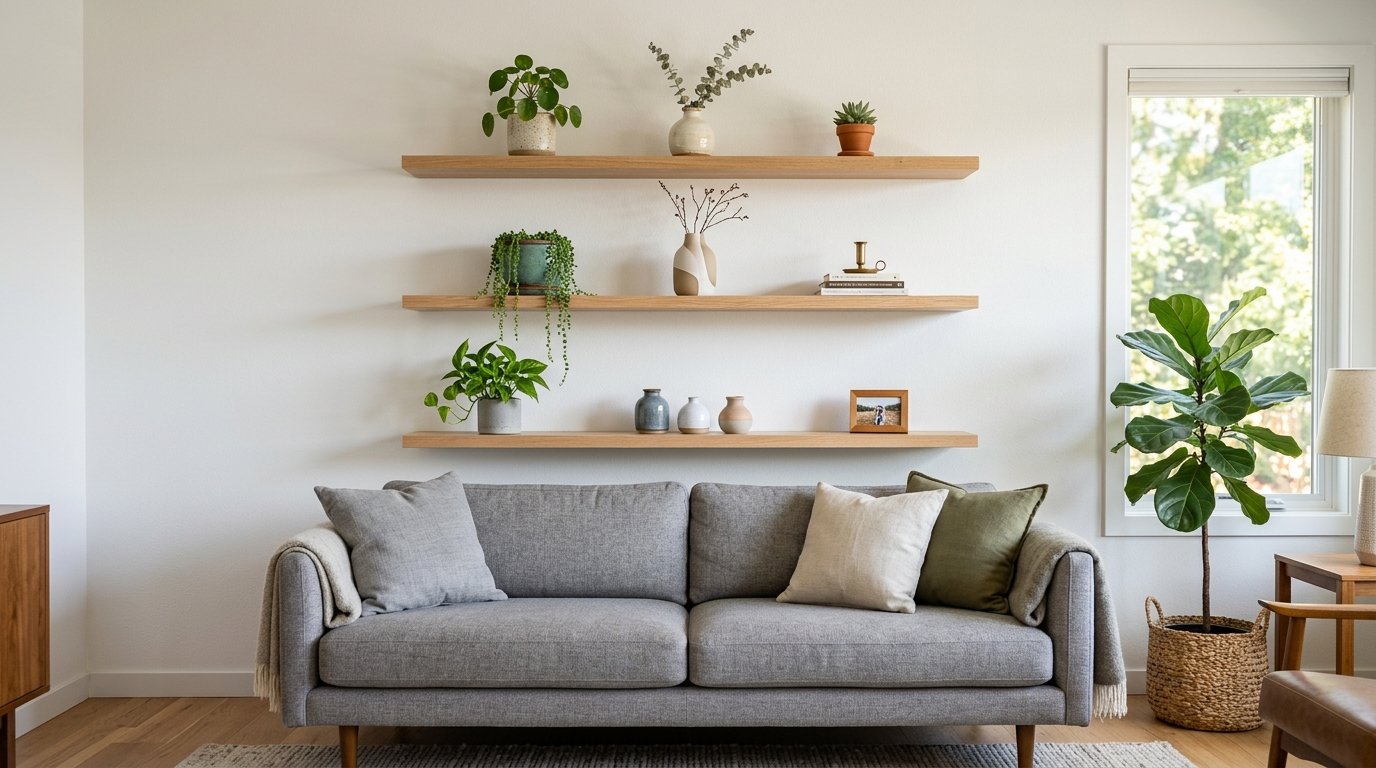
Installing shelves above the sofa allows you to rotate decor without making new holes in the wall. I’ve seen this work best when the shelves match the wood of the coffee table for a cohesive look.
Practical Action: Use heavy-duty wall anchors; never rely on just the drywall when hanging shelves over a seating area. Cost/Time: $60 for materials and two hours of work. Contrarian Note: Don’t overfill the shelves, or the area will feel top-heavy and stressful to sit under.
Frequently Asked Questions
How do I make a grey couch look warmer?
To add warmth, you must introduce “warm” colors and natural textures. I have noticed that adding wood accents, brass hardware, and textiles in shades like terracotta, mustard, or camel immediately counters the cool tones of the grey. Adding a rug with a warm base color like beige or cream is also highly effective. In my experience, even switching your light bulbs to a “Soft White” 2700K range can change the entire mood of the fabric.
What color rug goes best with a grey sofa?
It depends on the shade of your sofa, but generally, a cream or light beige rug provides the best contrast for a dark grey couch. If you have a light grey sofa, a charcoal or navy rug creates a grounded feel. For a safe but stylish choice, a jute rug is universal. I’ve seen many people benefit from a patterned Moroccan rug that incorporates both grey and a secondary color like blue or rust to tie the room together.
Is a grey couch still in style in 2026?
Yes, it remains a staple because of its versatility. While “all-grey” rooms are trending out, the grey sofa is now treated as a neutral foundation rather than the main feature. The current trend involves mixing the sofa with organic materials like rattan, stone, and various wood grains. I have noticed that designers are now moving toward “greige” or warmer grey tones that feel more inviting than the “cool” greys of the previous decade.
Which pillow colors look best on a charcoal sofa?
Emerald green, navy blue, and burnt orange are the top choices for deep charcoal. These colors provide enough “punch” to stand out against the dark fabric. If you prefer a more subtle look, try varying shades of grey and silver in different textures like faux fur, velvet, and chunky knit. I’ve tried this monochromatic approach and it looks incredibly expensive when done with 4 to 5 different textures.
How can I decorate a grey couch on a budget?
The most affordable way to transform the look is through lighting and small textiles. You can find high-quality velvet pillow covers for under $10 online and thrifted brass lamps for similar prices. I once styled an entire living room for under $50 by just changing the light bulbs, adding a thrifted throw blanket, and moving two large indoor plants from other rooms. Focus on one “hero” item like a large piece of art or a textured rug to make the biggest impact.
Can I put a grey couch against a grey wall?
Yes, but you must vary the shades significantly. If the wall and couch are the same shade, they will blend together into a flat, boring mass. A light grey couch against a dark charcoal wall looks modern and dramatic. Conversely, a dark sofa against a very pale “mist” grey wall feels airy and clean. Always include a third “break” color, like white trim or wooden furniture, to separate the two grey surfaces.
Should I choose a light or dark grey couch?
Dark grey is much more forgiving if you have pets or children, as it hides stains and hair better. Light grey makes a room feel larger and more open but requires more maintenance. I have seen that light grey is better for coastal or Scandinavian styles, while dark charcoal is better for industrial or moody, formal spaces. Consider your lifestyle and how much time you want to spend cleaning before making the final choice.
What wood tones work best with grey?
Light woods like white oak, ash, and maple are the most popular choices for a modern, clean look. However, walnut and cherry provide a beautiful “mid-century” contrast that feels much warmer. Avoid “grey-wash” woods, as having too much grey wood and a grey couch can make the room look washed out. In my experience, mixing a light oak coffee table with a few black metal accents creates the most balanced environment.
How do I style a grey sectional in a small room?
Keep the surrounding decor minimal to avoid a cramped feeling. Use a glass coffee table to maintain sightlines to the floor and choose a large rug that fits entirely under the sectional to define the zone. I’ve noticed that hanging curtains higher than the window makes the ceiling feel taller, which compensates for the large footprint of a sectional sofa. Stick to a light color palette for the walls and pillows to keep the space feeling bright.
What are common mistakes when styling a grey couch?
The biggest mistake is staying “too safe” and only using other grey or white accessories. This leads to a flat, uninspiring room. Another mistake is choosing a rug that is too small, which makes the couch look like it’s floating in the middle of the room. Finally, people often forget about texture; a grey polyester couch needs a chunky knit throw or a leather pillow to look high-end. Without texture, grey just looks cheap.
How do I incorporate color without it being overwhelming?
Start with the “Rule of Three.” Choose one accent color and use it in three different places: a pillow, a vase, and a piece of art. This creates a cohesive look without the color taking over the room. I have seen many people benefit from using “muted” versions of colors, like sage green instead of lime, or navy instead of bright blue. This keeps the sophisticated feel of the grey while adding the life that a neutral room needs.
The beauty of a grey sofa lies in its ability to adapt to your changing tastes. Whether you want a moody sanctuary or a bright coastal retreat, the ideas we explored show that your couch is a canvas, not a constraint. I’ve seen how small changes like these can completely transform a space, taking it from a generic apartment to a home that reflects a specific, curated personality. Take one step today—perhaps just adding a plant or swapping a lamp—and see how the energy of your room shifts. Save this guide on Pinterest to refer back to as you build your perfect space, and don’t forget to share your transformation with others who might be stuck in a grey-room rut.